
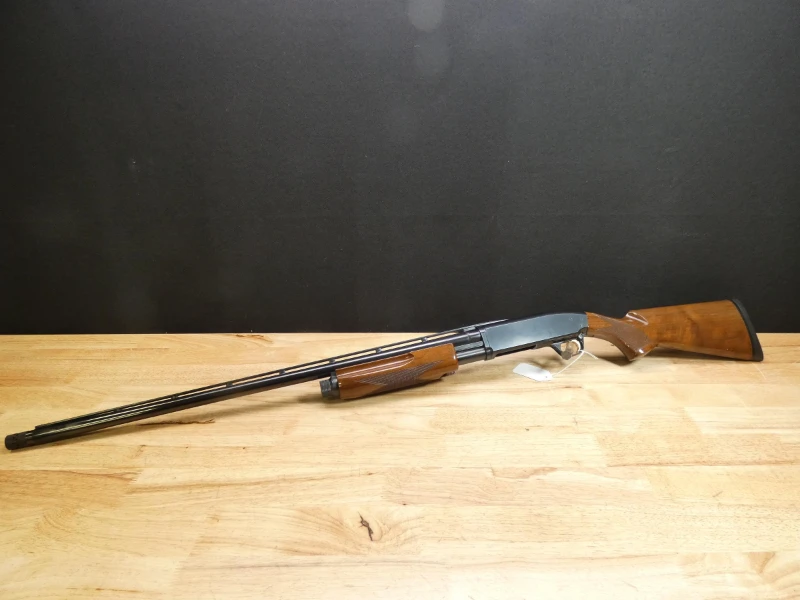
The Browning BPS (Browning Pump Shotgun) is a cornerstone of the pump-action world, celebrated for its rugged reliability, ambidextrous top-tang safety, and unique bottom-ejection system that appeals to both right- and left-handed shooters. Valued for its smooth action and durable steel receiver, the BPS has served hunters and sport shooters for decades. Understanding the key factors that determine its resale value—from model and condition to market timing—is essential for any owner looking to sell.
What Determines Your Browning BPS’s Worth
The value of a Browning BPS is primarily determined by its specific model, overall condition, and current market demand rather than distinct generational changes. Premium models like the Medallion, featuring higher-grade wood and engravings, consistently command higher prices than the more utilitarian Field, Hunter, or Stalker variants. Condition is paramount; a well-maintained shotgun with minimal wear on the wood and metal surfaces will always be worth more. Used prices for common models generally average between $590 and $620, though examples in rough condition can sell for as low as $150, while pristine models can exceed $550 in the private market.
2026 Price Breakdown by Generation
Classic Hunter Models
While the BPS doesn’t have formal generations, its value can be understood through its various model lines. Classic utilitarian models like the BPS Hunter and Stalker are valued for their no-nonsense functionality in the field. Discontinued versions of the Hunter, for example, had an MSRP in the $700 to $730 range. On the used market, these shotguns are sought after by hunters looking for a dependable workhorse. Their value is heavily tied to their mechanical soundness and cosmetic condition, with well-cared-for examples retaining a significant portion of their original price due to Browning’s reputation for quality and durability.
The appeal of these classic hunting configurations lies in their proven design and robust construction. Sellers should note that buyers for these models are typically practical users rather than collectors, meaning functionality and reliability are the most significant value drivers. Scratches on the stock or minor wear on the finish are often acceptable if the action is smooth and the bore is clean. Consequently, pricing should be based on a realistic assessment of its condition as a field gun, positioning it competitively against other reliable pump-actions on the market.
Specialized Field Models
The BPS Field model represents a significant portion of the used market, serving as a benchmark for the shotgun’s value. With an average used price hovering around $597, the Field model is a popular choice for its versatility in both upland and waterfowl hunting. Its value is a direct reflection of its condition, with examples showing significant field use priced lower than those that have been meticulously maintained. These models are not typically considered collector’s items, so their worth is almost entirely based on their utility and cosmetic state, making them a very predictable asset on the secondary market.
When assessing a BPS Field model, potential buyers will closely inspect the wood for dents, the receiver for scratches, and the barrel for any signs of rust or pitting. Because these shotguns were built to be used, some degree of wear is expected, but the closer the gun is to its original factory condition, the higher the price it can command. A clean, well-maintained BPS Field remains a desirable firearm, holding its value steadily due to its reputation as a reliable and ambidextrously friendly shotgun suitable for a wide range of shooting disciplines.
Premium Grade Models
Higher-tier models of the Browning BPS, such as the Medallion, occupy a different segment of the market where aesthetics play a much larger role in determining value. These shotguns are distinguished by their premium features, including high-gloss finishes, checkered high-grade walnut stocks, and detailed engravings on the receiver. These enhancements elevate the BPS from a simple tool to a piece of functional art, and their prices reflect this distinction. They consistently command higher resale values than standard Field or Hunter models, appealing to buyers who appreciate fine craftsmanship alongside reliable performance and are willing to pay a premium for it.
The condition of these premium models is scrutinized even more closely by potential buyers. Any significant scratches on the polished receiver or deep dings in the high-grade wood can disproportionately decrease its value compared to a standard model. For sellers, this means that preserving the original finish and overall cosmetic integrity is crucial to realizing the model’s full price potential. A pristine Medallion or other high-grade BPS represents the upper echelon of the line’s value, showcasing how model-specific features, rather than manufacturing date, are the primary driver of worth.
Modern Production Models
Current-production Browning BPS shotguns carry a Manufacturer’s Suggested Retail Price (MSRP) of approximately $799, with average new prices seen in stores around $760. These modern iterations continue the BPS legacy of a strong steel receiver and reliable pump action. While there may be subtle differences in finish, stock dimensions, or manufacturing techniques compared to older guns, these changes do not create a clear, tiered value system based on production era. A new BPS is valued for its pristine condition and factory warranty, appealing to buyers who want a brand-new, out-of-the-box firearm for hunting or sporting.
On the used market, a nearly-new modern BPS will compete directly with well-preserved older models. Its value retention will depend on how quickly it shows wear. The primary advantage of a newer model is its unworn state, but it does not inherently command a higher price than a vintage BPS in excellent condition. The market treats all BPS shotguns as durable goods, where condition and specific model features are more important indicators of value than the year they were manufactured, ensuring that even the latest versions are priced based on their tangible quality.
How Modifications Affect Value
When considering modifications for a Browning BPS, it’s important to understand their impact on resale value. While adding premium red dot sights from respected brands like Trijicon, Aimpoint, or Vortex can significantly enhance the shotgun’s performance and usability for certain applications like turkey hunting, there is no market consensus that these additions definitively increase the firearm’s resale price. Sellers should view such upgrades as personal enhancements rather than financial investments. A buyer may not share the same preference for a specific optic, and therefore will be unwilling to pay the full premium for it, meaning you are unlikely to recoup the total cost.
Conversely, while the market data does not identify specific modifications that universally hurt the BPS’s value, any permanent, non-professional alteration is likely to be detrimental. Cutting down the original stock, amateur engraving, or applying a poor-quality spray-on finish can severely diminish the shotgun’s appeal to a broad range of buyers. Such changes can compromise the firearm’s classic aesthetic and functionality, leading to a lower selling price. To preserve value, it is always best to stick to reversible modifications or have any permanent work performed by a qualified and reputable gunsmith.
Regional Price Variations in 2026
The Browning BPS enjoys a broad and stable market appeal across the United States, partly due to its classification as a manually operated long gun. This status generally keeps it clear of the most stringent firearm regulations. For instance, in California, pump-action shotguns are permitted as long as they meet the minimum 18-inch barrel and 26-inch overall length requirements. Similarly, New York state law exempts pump-actions from its “assault weapon” definition, with the main restriction being a magazine capacity limit of ten rounds. This widespread legality ensures consistent demand and helps stabilize its value nationwide, with fewer dramatic price swings based on local laws.
Despite its broad legal acceptance, minor regional price variations can still occur, often tied to local hunting culture and seasonal demand. In areas with strong traditions of waterfowl, upland bird, or turkey hunting, the demand for a reliable pump-action shotgun like the BPS may be slightly higher. This can lead to marginally better prices for sellers, especially in the months leading up to popular hunting seasons. However, these variations are typically subtle, and the primary drivers of value—model, condition, and overall market trends—remain the most significant factors regardless of the state in which it is sold.
Online vs Local Sales
When selling a Browning BPS through a private transaction, documentation and adherence to local laws are paramount. A bill of sale is a critical document that formally records the transfer of ownership. It should include the full names and addresses of both the seller and buyer, the date of the sale, and a complete description of the shotgun, including its make, model, and serial number. It is crucial for sellers to research and comply with all state and local regulations, as some jurisdictions may require the transaction to be processed through an FFL, even for a private sale.
Opting to sell to a gun dealer or FFL offers a path of greater convenience and speed, but it comes at a financial trade-off. Dealers must account for overhead and profit margin, so their offer will be less than the firearm’s private market value. Generally, you can expect a trade-in or cash offer of between 50% and 70% of what you might get from a private buyer. Specific market data for the BPS indicates a trade-in value of approximately 65% of its private sale price, making it a good option for those prioritizing a fast, hassle-free transaction.
Selling online and shipping the firearm introduces another layer of regulation. Federal law permits a non-licensee to ship a long gun like the BPS to an FFL in any state. However, the seller must provide written notification to the carrier (such as UPS or FedEx) that the package contains a firearm, and the package itself cannot have any markings indicating its contents. Furthermore, carriers often have their own, more restrictive policies. For example, UPS generally requires that any shipper of firearms be a federally licensed dealer, making this route complicated for private individuals and often reinforcing the appeal of local sales.
The FFL Buying Advantage
Utilizing a Federal Firearms Licensee (FFL) is a mandatory component of nearly all interstate firearm sales and provides a significant advantage in terms of legal security. When selling a Browning BPS to a resident of another state, federal law requires the transaction to be processed through an FFL. The shotgun is shipped from the seller to a licensed dealer in the buyer’s home state. This dealer then completes the necessary background check and transfer paperwork before the buyer can take possession, ensuring the entire process complies with federal regulations and protecting both parties from legal jeopardy.
The FFL acts as a crucial, neutral third party that ensures every aspect of the sale is conducted by the book. They are responsible for handling the ATF Form 4473 and conducting the NICS background check, which are essential for a legal transfer. This removes the burden of navigating complex firearm laws from the private seller and provides the buyer with confidence that they are acquiring the firearm legally. For a modest transfer fee, using an FFL provides peace of mind and is the safest, most reliable method for conducting firearm transactions across state lines.
What Increases Your Offer
A firearm’s presentation is a direct reflection of its care, and a clean Browning BPS will always attract a better offer. Before listing it for sale, perform a thorough pre-sale cleaning. Focus on the barrel and bore to ensure they are bright and free of fouling, and wipe down all external metal and wood surfaces with a lightly oiled cloth to enhance their appearance. Crucially, avoid a complete disassembly of the action. The BPS is known to be very difficult for non-professionals to reassemble correctly, and a mistake could damage the firearm and significantly reduce its value.
High-quality photography is non-negotiable for achieving a top-dollar online sale. Use a simple, neutral background that doesn’t distract from the shotgun, and ensure you have ample, diffused lighting to prevent glare on the blued receiver and barrel. A tripod will help you capture sharp, high-resolution images. Take photos from multiple angles, including full-length shots of both sides, and close-ups of important details like the manufacturer’s markings, engravings, the condition of the bore, and any existing cosmetic imperfections. This transparency builds buyer confidence and justifies a higher asking price.
While market data for the BPS does not show a specific monetary penalty for lacking original accessories, a complete package invariably increases a firearm’s appeal. Including the original box, owner’s manual, and any factory-included items like choke tubes suggests that the shotgun has been well-cared for. This can be a key differentiator that makes your listing stand out from others. A complete set often attracts more serious buyers and can help you secure a faster sale at your desired price point, as it presents the firearm as a well-preserved and complete example.
When to Sell Your browning bps
Strategic timing can significantly impact the sale of a hunting firearm like the Browning BPS. The period leading up to major hunting seasons, particularly from late summer into early fall, often sees a surge in demand. As hunters across the country begin preparing for waterfowl, upland, and other game seasons, they actively seek out reliable shotguns. Listing your BPS during this peak time increases its visibility to a motivated pool of buyers, which can result in a quicker sale and potentially a higher final price due to heightened market competition.
Another prime window for selling firearms is during tax refund season, which typically runs from February through April. During these months, many consumers have more disposable income and are looking to make significant purchases they may have postponed. This creates a general upswing in the firearms market that is not limited to any specific type of gun. The increased cash flow in the economy can make buyers more willing to meet asking prices, making it an opportune time to list a versatile and popular shotgun like the BPS.
Conversely, certain periods of the year tend to be slower for firearm sales. The month of January, immediately following the expensive holiday season, often sees a dip in consumer spending. Likewise, the middle of the summer can be a sluggish period as people are often focused on vacations and other activities. While it is still possible to sell your BPS during these times, you may find that it takes longer to find a buyer. Sellers listing in these off-peak months might need to exercise more patience or price their shotgun more competitively to generate interest.
Common Pricing Mistakes
A frequent error owners make is overvaluing a standard, field-grade Browning BPS. While it is a high-quality shotgun, most models are not rare collectibles. A professional appraisal is generally not worth the cost, as the market value for these firearms in very good to excellent condition is well-established, typically falling between $400 and the low $600s. Instead of assuming a high value, sellers should research recent completed sales of BPS shotguns with a similar model and condition to establish a realistic, market-based asking price that will attract serious buyers.
Failing to accurately price according to condition is another significant pitfall. The value of a BPS can range dramatically, from as low as $150 for a heavily used model to over $550 for a pristine example. Sellers must perform an honest and objective assessment of their shotgun. This includes carefully inspecting the wood stock for dents and scratches, the receiver and barrel for wear on the bluing, and the mechanical function of the action. Overlooking or downplaying cosmetic flaws when setting a price will only deter knowledgeable buyers and prolong the sales process.
A third common mistake is attempting to recoup the full cost of aftermarket modifications. While a high-end optic or a custom stock may have been a significant expense, there is no guarantee these additions will increase the shotgun’s resale value. In fact, many buyers prefer a firearm in its original factory configuration. Pricing a modified BPS as if the accessories add dollar-for-dollar value is unrealistic. It is wiser to price the shotgun based on its own merit and consider selling the accessories separately to a buyer who specifically wants them.
Market Outlook for 2026
While specific long-term price predictions for any firearm are subject to market variables, the Browning BPS holds a uniquely stable position. Its reputation for exceptional durability, a robust steel receiver, and a design that is naturally ambidextrous gives it timeless appeal. This consistent demand from both new and experienced hunters and shooters suggests its value will remain steady. The BPS is likely to follow general market trends for high-quality pump-action shotguns, avoiding the volatile price swings that can affect other firearm categories, making it a reliable store of value for its owners.
Furthermore, the market for manually operated long guns like the BPS is often well-insulated from the impacts of changing firearm legislation that typically targets semi-automatic platforms. Its classification as a standard pump-action shotgun ensures it remains legal and accessible in nearly all jurisdictions, guaranteeing a broad and continuous buyer base. The outlook for 2026 indicates that the BPS will continue to be a liquid asset on the used market, retaining its value well and remaining a sought-after choice for those seeking proven reliability and performance.
Frequently Asked Questions
Is it worth getting a professional appraisal for my BPS?
For a standard Browning BPS model, a professional appraisal is likely not worth the cost. The market value for these shotguns is well-established and readily accessible by researching recent sales of comparable models online. For examples in very good to excellent condition, prices typically range from $400 to the low $600s. An appraisal is better suited for rare, highly engraved, or custom-shop firearms, not for a widely produced and popular field shotgun like the BPS. Your time and money are better spent on proper cleaning and good photography for your listing.
How much less will a dealer offer me compared to a private sale?
Selling to a dealer or FFL offers speed and convenience but at a lower price point. You can generally expect a dealer to offer between 50% and 70% of the shotgun’s private party market value. Specific market data for the Browning BPS indicates that the average trade-in value is approximately 65% of its private sale price. This difference accounts for the dealer’s need to cover business overhead and make a profit on the eventual resale of the firearm. The choice depends on whether you prioritize maximizing your return or achieving a quick, simple transaction.
Does the specific model of BPS significantly affect its price?
Yes, the specific model is one of the most significant factors in determining a Browning BPS’s value. Premium models, such as the Medallion, which feature higher-grade walnut, detailed engraving, and a high-gloss finish, will always command a higher price than the more utilitarian models like the Field, Stalker, or Hunter. While all BPS models are respected for their mechanical quality, the added craftsmanship and aesthetic appeal of the higher-grade versions place them in a different price bracket, assuming they are in comparable condition.
Will adding a red dot sight increase my shotgun’s resale value?
While adding a quality red dot sight from a brand like Trijicon, Aimpoint, or Vortex will certainly improve the performance of a BPS for certain applications, it is unlikely to increase its resale value on a dollar-for-dollar basis. There is no clear market consensus that such modifications add significant value. Many buyers prefer to purchase a firearm in its original configuration and choose their own optics. Therefore, you should view the addition of a sight as a personal upgrade rather than a financial investment in the shotgun’s resale price.
Are older BPS shotguns worth more than newer ones?
Not necessarily. Unlike some firearm models with distinct and collectible generations, the value of a Browning BPS is not clearly tiered by its manufacturing era. The primary value drivers are its specific model and, most importantly, its physical condition. A well-maintained older BPS in excellent condition can be just as, if not more, valuable than a newer production model that shows signs of heavy use. While there are minor differences between older and newer guns, they do not translate to a consistent value hierarchy based on age alone.
Get a Cash Offer Today
Ready to sell your Browning BPS? We make the process simple and secure. Avoid the hassle of private listings, negotiations, and legal complexities. We provide a fair, data-driven cash offer based on your firearm’s specific model and condition, ensuring you get a competitive price without the wait.
Click the button below to submit your firearm’s details. Our team of experts will review your submission and get back to you with a no-obligation offer. Turn your used shotgun into cash quickly and legally with a trusted FFL buyer. Get your free quote and get started now!