
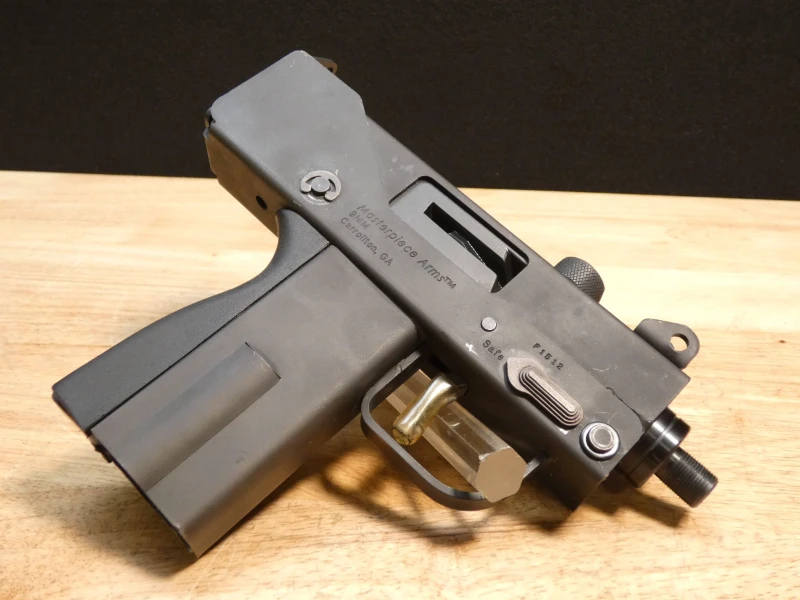
The Masterpiece Arms (MPA) Defender is a robust handgun known for its simple design and reliability. Consistently classified as a pistol in its standard configuration, its value is determined by its specific model, condition, and the accessories included. New models typically retail between $499 and $699, while the used market sees prices ranging from $350 to $650. Understanding the key factors that influence its worth is essential for any owner looking to sell or trade this firearm.
What Determines Your MPA Defender’s Worth
The value of an MPA Defender is primarily determined by its condition, specific model, and market demand. A new Defender pistol carries an MSRP ranging from approximately $499 to $699, with average market prices hovering around $512. In the used market, prices typically fall between $350 and $650. Factors such as the firearm’s caliber, barrel length, and whether it is a standard pistol or a more specialized variant also play a crucial role. Furthermore, police trade-in models are often found at the lower end of the price spectrum, offering a more budget-friendly option for buyers, which in turn influences the overall market value.
2026 Price Breakdown by Generation
Standard Pistol Models
While the MPA Defender series does not have distinct generational updates in the same way other firearms might, its value is best understood by its configuration. The most common variant is the standard pistol, typically chambered in 9mm. For a new model, buyers can expect a Manufacturer’s Suggested Retail Price between $499 and $699, with the average street price settling around $512. This price point establishes the Defender as an accessible option in the pistol-caliber firearm market, making it a popular choice for recreational shooting. Its value is anchored by this affordability and widespread availability in its most basic form.
On the used market, a standard MPA Defender pistol’s value averages around $484, though the price can fluctuate from $350 to $650 depending on its condition and included accessories. A significant portion of the lower-end market consists of police trade-in models, which are frequently listed for sale between $350 and $500. These firearms, while often showing cosmetic wear, are typically mechanically sound, representing excellent value for buyers and setting a practical price floor for used Defenders. Sellers should price their well-maintained firearms above this trade-in baseline to attract discerning private buyers.
Carbine and Special Variants
The MPA Defender line also includes carbine variants and other specialized models that command different price points than the standard pistols. These versions, which may feature longer barrels, shoulder stocks (where legally applicable as NFA items or compliant carbines), or different calibers, appeal to a separate segment of the market. While specific market data for these variants is less consolidated, their value is inherently higher than the pistol models due to the additional materials, features, and manufacturing complexity involved. Pricing for these models must be assessed by comparing them to similar offerings currently on the market, as their value is more niche.
A clear market consensus on the precise value of specific carbine models or other factory variants is not readily available, as they are produced in smaller numbers than the standard pistols. Their resale value is highly dependent on the exact configuration, included features, and regional demand. For example, a non-NFA carbine may be more valuable in states where short-barreled rifles are heavily restricted. Sellers of these less common models must conduct thorough research on comparable online listings to determine an accurate and competitive asking price, as standardized pricing data is limited.
California-Compliant Models
In California, specific models of the MPA Defender have been modified to comply with the state’s strict firearm laws, creating a unique and isolated market. Compliant Defender pistols are altered to be single-shot only, featuring a permanent muzzle brake and a non-detachable, zero-round “dummy” magazine. Similarly, compliant carbine versions are equipped with a magazine lock that requires a tool for removal. These significant modifications are necessary for legal sale within the state but fundamentally change the firearm’s operation, which directly impacts its value and target audience, limiting it almost exclusively to California residents.
The value of these California-compliant models is a double-edged sword. Within California, their legal status can sustain their value, as residents have limited options for firearms of this style. However, outside of California, these modifications are generally seen as undesirable hindrances, which can significantly decrease their resale value. A seller in a less restrictive state would likely find it difficult to sell a California-compliant model without offering a substantial discount, as potential buyers would need to factor in the cost and effort of reversing the compliance modifications, if even possible.
NFA-Regulated SBRs
In its standard pistol form, the MPA Defender is not an NFA item. However, its value proposition changes dramatically when it is legally converted into a short-barreled rifle (SBR) by adding a shoulder stock. This modification reclassifies the firearm under the National Firearms Act, requiring a federal tax stamp and registration. The process adds a layer of legal complexity and cost to the firearm, which is then reflected in its market price. The buyer pool for an SBR is much smaller, limited to individuals willing and able to navigate the NFA’s requirements.
The resale value of an MPA Defender SBR includes the worth of the base firearm plus the intangible value of the completed NFA paperwork. While the seller cannot transfer their tax stamp, selling the registered firearm on a Form 4 transfer adds time and expense to the transaction. This can make the firearm harder to sell quickly, but to the right buyer, a pre-configured SBR can be more appealing than starting the process from scratch. The final price often reflects a premium over a standard pistol but may not fully recoup the original owner’s investment in the tax stamp and stock.
How Modifications Affect Value
Interestingly, one of the most common modifications to an MPA Defender is unlikely to hurt its resale value. The original factory triggers are widely criticized within the firearms community for a significant design flaw known as “trigger slap,” which can be uncomfortable for the shooter. As a result, upgrading to a quality aftermarket trigger that eliminates this issue is generally seen as a desirable and necessary improvement. While a seller may not recoup the full cost of the new trigger, this modification addresses a known problem and would likely make the firearm more appealing and easier to sell to an informed buyer.
For most other modifications, a broad market consensus on what adds tangible monetary value to an MPA Defender is not available. While upgrades such as enhanced sights, optics, or handguards might make the firearm more functional or aesthetically pleasing to an individual owner, these personalizations do not guarantee a higher resale price. The return on investment for aftermarket parts is often minimal, as value becomes highly subjective. A potential buyer may not share the seller’s taste or be willing to pay extra for additions they did not choose themselves, making it wisest to price the firearm based on its base condition.
Regional Price Variations in 2026
The value and availability of the MPA Defender are heavily influenced by regional firearm laws, with California serving as a prime example. In states with stringent regulations, the market for firearms like the Defender is fundamentally altered. To be sold legally in California, Defender pistols must be converted to a single-shot configuration with a “dummy” magazine, while carbine versions require a magazine lock. These state-mandated modifications create a niche market where the firearm’s value is dictated less by its performance and more by its legal compliance, often isolating its marketability to residents of that specific state.
Conversely, in states with less restrictive firearm laws, the standard-configuration MPA Defender pistol is widely available. This creates a more competitive and conventional market where value is driven primarily by factors like condition, age, and included accessories, rather than legal workarounds. In these regions, the firearm’s price will more closely align with national averages for both new and used models. Sellers and buyers in these areas benefit from a larger market pool and more straightforward transactions, free from the price inflations or devaluations associated with legally mandated modifications found in states like California.
Online vs Local Sales
When conducting a private sale of an MPA Defender, creating a Bill of Sale is a highly recommended practice. Although not always legally required by federal law, this document serves as a crucial record of the ownership transfer. It should contain essential details such as the full names and contact information of both the buyer and seller, the firearm’s make, model, and serial number, the final purchase price, and the date of the transaction. Both parties should sign the document. It is imperative for sellers to also verify and comply with any additional state or local laws regarding private firearm transfers.
Selling an MPA Defender to a buyer who resides in another state involves a strict legal protocol mandated by federal law. All interstate firearm transfers must be processed through a Federal Firearms Licensee (FFL). The seller is legally obligated to ship the firearm to an FFL dealer located in the buyer’s state of residence. The buyer must then visit that dealer to complete all required paperwork, including the ATF Form 4473 and a NICS background check, before they can legally take possession of the firearm. This process ensures the transfer complies with the laws of both states.
Navigating the logistics of shipping a handgun like the MPA Defender has become more complex for private sellers. Major common carriers, including both UPS and FedEx, have implemented corporate policies that prohibit private individuals from shipping firearms. Only licensed FFL holders are permitted to use their services for this purpose. Consequently, a private seller must take the MPA Defender to a local FFL dealer. This dealer will then handle the packaging and legally compliant shipment to the buyer’s designated FFL, adding a necessary step and associated fee to the overall transaction.
The FFL Buying Advantage
When selling an MPA Defender, sellers should expect a significantly different offer depending on whether they sell privately or trade in to a Federal Firearms Licensee (FFL). Gun dealers typically offer between 50% to 65% of a firearm’s estimated used retail value to account for their overhead and profit margin. For an MPA Defender, this means a dealer trade-in offer might be around $315, whereas the same firearm could fetch approximately $484 in a private sale. This price difference is the cost of convenience and immediacy that a dealer provides.
The primary advantage of selling your firearm to an FFL is the unmatched convenience and security of the transaction. The process is immediate, with no need to find a buyer, negotiate prices, or worry about the legality of the transfer. The dealer assumes all responsibility for the paperwork and ensures the transaction is compliant with federal, state, and local laws. For many sellers, this peace of mind and the elimination of hassle are worth the trade-off of receiving a lower cash offer compared to the potential earnings from a private party sale.
What Increases Your Offer
While the market does not show a specific consensus on the value of retaining original parts for an MPA Defender, it remains a best practice for maximizing resale value. For instance, if you have upgraded the trigger to correct the common “trigger slap” issue, including the original factory trigger with the sale is a wise move. This demonstrates meticulous ownership and provides the new owner with all factory components. This level of completeness, even with inferior parts, can build buyer confidence and make your listing more attractive than one that is missing original pieces.
There is no defined financial penalty for an incomplete firearm package, but presenting an MPA Defender with its original box, owner’s manual, and any included accessories will almost always result in a better offer. A complete set suggests that the firearm has been well-cared-for and gives the buyer the full factory experience. This comprehensive presentation builds trust and can be a deciding factor for a buyer choosing between multiple listings. It can lead to a faster sale at your asking price, as it represents a more complete and appealing purchase.
High-quality photography is one of the most effective tools for increasing your offer, especially in online marketplaces. To best showcase your MPA Defender, use bright, natural, and diffused lighting to eliminate harsh shadows and glare. Place the firearm against a clean, neutral background to ensure it is the focus of the image. Before shooting, thoroughly clean the gun to remove any fingerprints or dust. Capture multiple high-resolution photos from various angles, including close-ups of markings and any imperfections, as this transparency builds trust and justifies your price.
When to Sell Your mpa defender
The firearm market often follows predictable seasonal trends, and timing your sale can impact your success. One of the most opportune times to sell is during tax season, typically from February through April. During this period, many potential buyers have more disposable income from tax refunds, leading to a general uptick in firearm sales. Listing your MPA Defender during this window of increased market activity can result in a faster sale and potentially a higher final price due to heightened demand from motivated buyers across the country.
Another peak period for firearm sales occurs in the months leading up to hunting seasons, generally from August through October. While the MPA Defender is not a typical hunting firearm, this time of year sees a surge in overall interest and traffic at gun stores and on online marketplaces. This heightened market activity creates a favorable environment for selling all types of firearms. The increased number of active buyers means your listing is likely to get more views, improving the chances of a quick and successful transaction at a fair price.
In contrast, the summer months are widely considered the slowest period for the firearm industry. With many people focused on vacations, holidays, and other outdoor activities, the demand for firearms tends to decrease. Listing your MPA Defender during this lull may lead to a longer time on the market and could attract lower offers from the fewer active buyers. If possible, avoiding a sale during the summer can be a strategic decision, allowing you to wait for the more active sales seasons to maximize your potential return.
Common Pricing Mistakes
A frequent pricing mistake is failing to honestly account for cosmetic damage. While there isn’t a standardized value penalty for wear and tear on an MPA Defender, sellers who ignore or downplay scratches, finish wear, or dings are setting themselves up for difficult negotiations. Buyers expect a used firearm to show signs of use, but transparency is key. Accurately describing and, more importantly, photographing any cosmetic flaws builds trust. Overpricing a firearm with visible wear will deter knowledgeable buyers and can ultimately kill a potential deal when the condition is revealed.
Another common error is not factoring in the impact of a high round count. Although a precise value reduction for usage is not formally established in the market, a firearm with significant mileage will not command the same price as one that is barely used. The MPA Defender is a durable firearm, but components like the barrel, bolt, and springs experience wear over time. Sellers should be realistic and price their firearm accordingly. Asking a premium price for a well-used gun will only deter experienced buyers who understand the implications of a high round count on a firearm’s longevity and performance.
For a common firearm like the MPA Defender, one of the biggest financial mistakes a seller can make is paying for a formal appraisal. With a typical used value between $350 and $650, spending $50 to $150 on an appraisal fee is not a cost-effective strategy. This service is better suited for rare, collectible, or high-value firearms where provenance and condition need expert verification. Sellers can determine a fair market price for their Defender by researching completed online sales and obtaining free verbal estimates from local dealers, thus avoiding an unnecessary expense that reduces their net profit.
Market Outlook for 2026
While a precise future price prediction is not available, the market outlook for the MPA Defender in 2026 appears stable. Its value is expected to remain anchored by its position as a durable, budget-friendly firearm. The new retail price, which consistently falls between $499 and $699, will continue to set the ceiling for the market and influence used pricing. As long as it maintains its reputation for simple reliability, the Defender will likely hold its value relative to its competitors, with the used market continuing to provide an accessible entry point for shooters on a budget.
Several external factors could influence the MPA Defender’s value moving forward. Any new federal or state legislation concerning firearms with features like threaded barrels or pistol braces could significantly impact its desirability and, consequently, its market price. Furthermore, the introduction of new, compelling firearms in the same category from competing manufacturers could exert downward pressure on used Defender prices. However, its straightforward, all-metal construction and established presence in the market should help it retain a consistent, if modest, value among enthusiasts.
Frequently Asked Questions
Does the caliber of an MPA Defender affect its resale value?
Yes, the caliber of an MPA Defender can influence its resale value. The 9mm version is the most common and popular, ensuring consistent demand and predictable pricing. Models chambered in other calibers, such as .45 ACP, may appeal to a more niche market. This can either slightly increase the value for a buyer specifically seeking that caliber or potentially make it harder to sell compared to the ubiquitous 9mm. The availability and cost of ammunition for a given caliber also play a role in how a potential buyer assesses its overall value.
Is it worth getting a professional appraisal for my MPA Defender?
For a standard MPA Defender, a professional appraisal is generally not a worthwhile expense. The firearm’s typical used value ranges from $350 to $650, while appraisal fees can cost between $50 and $150. This fee would consume a significant portion of the firearm’s value. Appraisals are best reserved for rare, antique, or high-value collectible firearms. To determine a fair price for your Defender, you can effectively use free resources like checking completed sales on online marketplaces and getting verbal quotes from local gun dealers.
Will I get more money selling privately or trading in to a dealer?
You will almost certainly receive a higher price by selling your MPA Defender in a private sale. A firearms dealer must purchase inventory at a low enough price to cover overhead and make a profit on resale, typically offering 50% to 65% of the firearm’s market value. Data suggests a dealer might offer around $315 for a Defender that could sell for approximately $484 privately. The trade-off is that selling to a dealer is immediate, convenient, and legally straightforward, while a private sale requires more time and effort.
How do California’s firearm laws impact the value of an MPA Defender?
California’s strict firearm laws create a distinct and isolated market that significantly affects the MPA Defender’s value. To be sold legally, models must be heavily modified into single-shot pistols with fixed “dummy” magazines or have magazine locks on carbine versions. Within California, these compliant models can hold their value due to limited availability of similar firearms. However, outside of California, these modifications are generally undesirable and can substantially decrease the firearm’s value, as buyers in other states would have to spend money to reverse the changes.
Does upgrading the trigger hurt the resale value?
No, upgrading the trigger on an MPA Defender is highly unlikely to hurt its resale value and may even be a positive selling point. The factory trigger is widely known for having a significant flaw called “trigger slap,” which is uncomfortable for the shooter. Installing a quality aftermarket trigger that remedies this issue is viewed by the community as a necessary and desirable improvement. While you may not recoup the full cost of the upgrade, it solves a known problem and makes the firearm more appealing to informed buyers.
Get a Cash Offer Today
Ready to sell your MPA Defender? We make the process simple and secure. Avoid the hassle of private listings, negotiations, and legal complexities. Submit your firearm’s details on our easy-to-use platform, and our team of experts will provide you with a fair, competitive cash offer based on current market data.
Our process is designed for your convenience and peace of mind. Once you accept our offer, we provide a prepaid shipping label and guide you through the simple, legally compliant shipping process from an FFL dealer. Get paid quickly without the uncertainty of a private sale. Click here to start!