
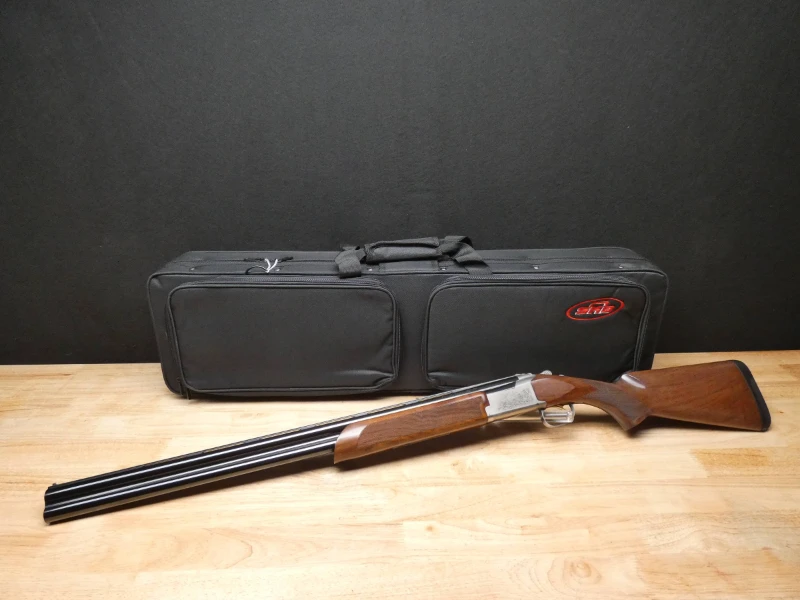
The Browning Citori stands as a legendary firearm in the world of over-under shotguns, celebrated for its impeccable balance, reliability, and classic design. As a long gun prized by both competitive shooters and hunters, its value is influenced by a unique set of factors beyond simple age or use. Understanding these key elements—from its specific grade and condition to market demand—is crucial for any owner looking to accurately assess its worth and navigate the selling process effectively.
What Determines Your Browning Citori’s Worth
The value of a Browning Citori is primarily determined by its specific model, grade, and overall condition rather than distinct manufacturing generations. Unlike many firearms, the Citori line’s worth is deeply tied to its intended purpose and aesthetic quality. For instance, a highly embellished Grade VI or VII model, with its detailed engraving and premium wood, will command a significantly higher price than a standard, utilitarian Citori Hunter Grade I, which retails for under $1,900. The average new price hovers around $2,646, while the used market sees an average of $1,605, reflecting how condition and specific configuration are the most critical factors for valuation.
2026 Price Breakdown by Generation
Entry-Level & Field Models
The most accessible tier of the Citori family includes workhorse models like the Hunter Grade I. These shotguns are valued primarily for their robust performance and reliability in the field rather than for ornate features. New models in this category, such as the Hunter, retail for under $1,900, making them a popular entry point for enthusiasts seeking the renowned Citori platform without the expense of higher-grade aesthetics. Their value is rooted in function, durability, and the trusted Browning name, appealing to a broad segment of the hunting and casual shooting market who prioritize performance over presentation.
In the used market, these field and entry-level models represent the core of available inventory, typically selling for between $800 and $2,000 depending on their condition. A well-maintained Hunter Grade I will fall comfortably within this range, making it an attractive option for buyers. While cosmetic wear from field use is common and often expected, the mechanical integrity of the action, barrels, and ejectors remains the most critical factor. These models provide a solid foundation for the Citori’s reputation and are consistently in demand due to their proven longevity and accessible price point on the secondhand market.
Sporting & Mid-Tier Models
Occupying the middle ground are the popular sporting models, such as the Citori 725 Sporting, which are purpose-built for clay target disciplines. These shotguns feature enhancements like ported barrels, adjustable combs, and specialized choke systems designed for high-volume competitive shooting. The Manufacturer’s Suggested Retail Price for a new 725 Sporting reflects these upgrades, ranging from $3,069.99 to $3,959.99. This tier appeals to serious enthusiasts who demand performance-oriented features and are willing to invest more for a specialized tool that can withstand the rigors of frequent competition while offering superior handling and balance.
The average prices for new and used Citoris—around $2,646 and $1,605, respectively—are heavily influenced by this popular mid-tier segment. The value of these models is less about ornate engraving and more about their functional condition and performance-enhancing features. Because these shotguns are known for their durability, even models with a high round count hold their value well, provided they have been properly maintained. Buyers in this segment are knowledgeable and prioritize mechanical soundness and handling characteristics over pristine cosmetic appearance, recognizing the Citori’s ability to perform for decades.
High-Grade & Collectible Models
At the upper end of the Citori spectrum are the high-grade models, such as the Grade VI and Grade VII, which are as much works of art as they are functional firearms. Their value is driven by exquisite craftsmanship, including detailed hand-engraving, gold inlays, and exhibition-grade walnut stocks. These shotguns are produced in smaller numbers and appeal to discerning collectors and enthusiasts who appreciate fine gunmaking. New prices for these premium models can easily exceed $9,000, reflecting the intensive labor and superior materials used in their creation, placing them in a distinct, high-value category.
The used market for these high-grade Citoris is more specialized, with values that remain strong and often appreciate over time. Unlike standard field models, these shotguns are often preserved in excellent condition, having been fired very little. Their resale value is heavily dependent on maintaining their original aesthetic and mechanical integrity. A high-grade Citori represents a significant investment, and its worth is sustained by its rarity, beauty, and the prestige associated with owning a top-tier example of Browning’s celebrated over-under shotgun, commanding prices well above the typical used Citori average.
Special Editions & Discontinued Models
Special edition and limited-run Citori models represent a unique segment of the market where value can be less predictable. These firearms, often released to commemorate an anniversary or event, may feature unique engraving patterns, special wood grades, or specific configurations not found on standard production guns. Their initial retail price is typically higher, and their long-term value depends heavily on the edition’s rarity, desirability among collectors, and overall condition. A sought-after special edition can appreciate significantly, making it a valuable asset for a collector who understands its specific niche in the market.
Similarly, discontinued Citori models can follow a variable value trajectory. Some may fade into obscurity and see their prices align with standard used models, while others might develop a dedicated following that drives their value up. Factors like a unique gauge, barrel length, or a particularly well-regarded design can make a discontinued model highly sought after. Assessing the worth of these shotguns requires more specific research into auction results and collector forums, as their value is determined by niche demand rather than broad market trends applicable to current production models.
How Modifications Affect Value
There is no clear market consensus regarding modifications that consistently increase the value of a Browning Citori. Unlike tactical firearms where aftermarket parts can be a significant draw, Citori owners and buyers often place a premium on the shotgun’s original factory configuration. While professional-grade additions like an adjustable comb or a high-quality recoil pad might appeal to a specific competitive shooter, these modifications rarely allow a seller to recoup their full cost. The value of such changes is highly subjective and may even deter a purist or collector who prefers the firearm in its unaltered state.
Conversely, while obvious damage will certainly harm a Citori’s value, there is no definitive list of modifications that are universally considered detrimental. However, permanent and irreversible alterations are generally viewed negatively. Cutting the stock, non-professional gunsmithing, or permanent changes to the barrels can significantly reduce the firearm’s appeal and market price. Most knowledgeable buyers seek a Citori that has been well-maintained and remains as close to its factory specifications as possible. Therefore, any deviation from this standard risks diminishing its value, as originality is a key component of its desirability.
Regional Price Variations in 2026
The Browning Citori’s value demonstrates remarkable stability across different regions, primarily because it is not subject to the legislative restrictions that impact other firearm types. As a classic over-under shotgun, it does not fall into the “assault weapon” category, making it generally legal to possess in states with strict gun laws like California and New York. In fact, the Citori is commonly sold as a “California legal” firearm without requiring any modifications. This widespread legality prevents the kind of regional price inflation or deflation that is often driven by state-level firearm regulations, ensuring a more consistent national market value.
While major state laws do not create significant price variations, local market dynamics can still play a role. In areas with a vibrant clay shooting community or strong hunting traditions, consistent local demand may keep used Citori prices firm. The primary legal variable exists at the municipal level, such as in New York City, which requires a specific permit for all firearms, including shotguns. This additional layer of regulation can temper demand and potentially soften prices within the city’s boundaries compared to the rest of New York State, where no permit is needed to purchase a shotgun.
Online vs Local Sales
When selling a Browning Citori locally through a private sale, the process can be relatively direct, but it is critical to adhere to all state and local laws, which vary significantly. While federal law does not mandate a bill of sale for a private transaction, creating one is strongly recommended as a best practice for both buyer and seller. This document should include the names and addresses of both parties, the firearm’s make, model, and serial number, and the final sale price. This creates a clear record of the legal transfer of ownership, offering protection and peace of mind.
Selling a Citori online to a buyer in another state introduces federal regulations that must be followed precisely. An interstate transfer must be facilitated by a Federal Firearms License (FFL) holder. The seller is required to take the shotgun to a local FFL, who will then legally ship it to an FFL dealer in the buyer’s state. It is important to note that corporate policies from carriers like UPS and FedEx prohibit private individuals from shipping firearms directly; only licensed dealers can do so. The buyer then completes the necessary background check at their FFL before taking possession.
Opting to sell to a local gun dealer offers the most convenient and fastest path, but it comes at a cost. Dealers typically offer between 50% and 70% of a firearm’s current used retail market value. For a desirable and fast-selling shotgun like the Browning Citori, the offer may lean toward the higher end of that spectrum, potentially in the 65% to 70% range. While this is less than what could be obtained through a private sale, it eliminates the complexities of finding a buyer, navigating legal requirements, and handling shipping logistics.
The FFL Buying Advantage
Utilizing a Federal Firearms License (FFL) holder for the transfer of a Browning Citori provides a critical layer of legal protection and certainty for both the buyer and the seller. The primary advantage is the assurance of a fully compliant transaction. The FFL is responsible for conducting a mandatory background check on the buyer through the National Instant Criminal Background Check System (NICS). This crucial step ensures the firearm is not transferred to a prohibited person, thereby protecting the seller from potential legal liability and upholding public safety regulations. This formal process creates an official record of the transfer.
For any sale that crosses state lines, using an FFL is not merely an advantage but a federal legal requirement. The process is straightforward: the seller’s FFL ships the Citori directly to the buyer’s chosen FFL, who then handles the final transfer. This system ensures that the firearm is securely and legally transported and that the final handover complies with the laws of the buyer’s state of residence. This removes any ambiguity or legal risk from the process, providing a secure and regulated framework that gives both parties confidence in the legitimacy and finality of the sale.
What Increases Your Offer
Presenting a meticulously cleaned Browning Citori is one of the most effective ways to increase its value and attract higher offers. A thorough pre-sale cleaning should go beyond a simple wipe-down. This involves field-stripping the shotgun to properly clean the bores, action, and ejectors with a quality solvent and lubricant. A common but critical mistake to avoid is neglecting the choke tube threads; they should be cleaned and lightly greased to prevent seizing. A firearm that is presented in pristine, well-maintained condition signals to a potential buyer that it has been cared for, justifying a premium price.
High-quality photography is non-negotiable for maximizing offers, especially in an online marketplace. To best represent your Citori, use ample natural light and a simple, non-distracting background that contrasts with the firearm. Take numerous clear, in-focus pictures from multiple angles, including close-ups of the receiver’s engraving, the wood grain, and any notable features or imperfections. These images should accurately depict the shotgun’s condition, building trust with potential buyers and allowing them to appreciate the quality of the firearm, which directly translates to more confident and competitive offers.
While the market does not assign a specific monetary penalty for missing items, providing a complete package with all original accessories will invariably strengthen your asking price. This includes the original manufacturer’s box, the owner’s manual, the full set of factory choke tubes, and the choke tube wrench. Presenting the Citori with all its original components makes the purchase more appealing to discerning buyers and collectors. It demonstrates a high level of care and completeness, suggesting the firearm has been well-preserved and justifying a price at the higher end of its market value.
When to Sell Your browning citori
Timing the sale of your Browning Citori can strategically align with seasonal market trends to attract a larger pool of motivated buyers. As a versatile shotgun suitable for both hunting and sport shooting, it has broad appeal year-round. However, the period from late summer through the fall often sees an uptick in demand for hunting firearms as enthusiasts prepare for upcoming seasons. Listing your Citori during this window can capture the attention of hunters looking for a reliable and high-quality over-under, potentially leading to a quicker sale at a favorable price point.
Another prime selling period, applicable to firearms in general, is during tax refund season, which typically spans from February to April. During these months, many consumers have more disposable income and are actively looking to invest in hobbies and significant purchases. This influx of cash into the market often stimulates sales across the board. By listing your Citori during this time, you tap into a market of buyers who are financially ready and eager to acquire a premium shotgun, which can increase competition and help you achieve your asking price.
Beyond market seasons, the best time to sell is simply when you are fully prepared. This means the shotgun has been thoroughly cleaned, all original accessories have been gathered, and you have taken high-quality photographs. A well-prepared listing that showcases a clean, complete, and well-documented firearm will always perform better than a rushed one. Selling from a position of readiness ensures you can present your Citori in its best light, negotiate effectively, and handle the transaction smoothly, regardless of the time of year, ultimately leading to a more successful outcome.
Common Pricing Mistakes
A frequent error made by owners of standard Citori models is paying for a professional appraisal. For most of these shotguns, which typically have a used market value between $800 and $2,000, the cost of a formal appraisal is not justified. Owners can achieve a more-than-adequate valuation by researching completed sales on online gun forums and auction websites. This data provides a realistic snapshot of what buyers are currently paying, allowing a seller to set a competitive and informed price without incurring an unnecessary expense that cuts into their final profit.
Another common mistake is to significantly devalue the shotgun based on a high round count. The Browning Citori is legendary for its durability, with many examples known to have fired over 175,000 rounds while remaining mechanically sound. Experienced buyers understand this and are far more concerned with the firearm’s overall condition and maintenance history than the number of shells it has cycled. A well-cared-for Citori remains a valuable firearm, and pricing it too low simply due to its usage history means leaving significant money on the table.
Failing to price your Citori according to its specific grade and model is a critical oversight. The Citori line is incredibly diverse, with vast price differences between a utilitarian Hunter Grade I and an ornately engraved Grade VI. Sellers who use a generic “Browning Citori” average price risk making a major error. This can lead to either undervaluing a premium model or overpricing a standard field gun, which will deter knowledgeable buyers. Accurate pricing requires identifying the exact model and grade and researching its specific market value based on condition and included accessories.
Market Outlook for 2026
While specific future price predictions are not available, the market outlook for the Browning Citori remains strong and stable. Its value is anchored by a sterling reputation for quality, durability, and classic design that transcends fleeting market trends. Unlike other firearm categories that can be volatile due to political or social pressures, the Citori’s status as a premier sporting and hunting shotgun provides a consistent demand from a dedicated base of enthusiasts. This enduring appeal suggests that it will continue to hold its value well, likely keeping pace with inflation and remaining a sound asset.
The market for the Citori is driven by its intrinsic qualities rather than speculation. Its worth is determined by tangible factors such as craftsmanship, model grade, and condition, not by fears of legislative bans. This insulates it from the sharp price swings seen in other segments of the firearms industry. For 2026 and beyond, the Citori is expected to maintain its position as a desirable, high-quality shotgun. Owners can anticipate its value to remain steady, reflecting its long-standing legacy as one of the most respected over-under shotguns ever produced by a major manufacturer.
Frequently Asked Questions
Does the grade of a Citori significantly impact its resale value?
Yes, the grade is one of the most significant factors in a Citori’s value. A standard Hunter Grade I is a functional field gun with a modest price, whereas a high-grade model like a Grade VI or VII features extensive, often hand-cut, engraving and premium walnut wood. These aesthetic and material upgrades place them in a different price echelon entirely, often commanding thousands of dollars more than their lower-grade counterparts. When selling, accurately identifying and marketing the shotgun’s grade is crucial to realizing its full potential value in the used market.
Will a high round count on my Citori lower its selling price?
Not necessarily. The Browning Citori is renowned for its exceptional durability, and knowledgeable buyers are aware that these shotguns are built to withstand very high round counts—some owners report over 175,000 rounds with only routine maintenance. Consequently, the overall condition and a consistent maintenance history are far more important to a potential buyer than the sheer number of shells fired. A well-maintained, clean Citori with a high round count will often be valued more than a neglected, low-round-count example. Do not assume usage history automatically equals lower value.
Is it worth getting a professional appraisal for my Citori before selling?
For most standard Browning Citori models, a professional appraisal is likely not worth the cost. The majority of used Citoris sell in a well-documented price range, typically between $800 and $2,000, which can be accurately estimated by researching recent sales of comparable models on online forums and auction sites. A formal appraisal is better suited for extremely rare, high-grade, or custom-engraved models where value is less certain and expert documentation can justify a premium price to a serious collector. For a common field or sporting model, your own research will suffice.
How much less will I get if I sell my Citori to a dealer instead of a private buyer?
You should expect to receive a significantly lower offer from a dealer compared to a private sale. Gun dealers typically offer between 50% and 70% of a used firearm’s current retail market value. For a popular and desirable shotgun like a Browning Citori, the offer may be in the upper end of that range, from 60% to 70%. The lower price is the trade-off for a fast, secure, and hassle-free transaction, as the dealer assumes the risk and effort of finding a buyer and handles all the legal paperwork.
Do I need the original box and paperwork to get a good price?
While not an absolute deal-breaker for a standard field model, having the original box, owner’s manual, and all factory accessories like choke tubes can certainly help you achieve your full asking price. For higher-grade or collectible Citori models, the presence of these items becomes much more important to discerning buyers. A “complete package” is always more desirable, as it suggests the firearm has been well cared for and preserved. It adds a level of completeness that can differentiate your shotgun from others on the market and justify a premium.
Get a Cash Offer Today
Ready to sell your Browning Citori? We take the guesswork out of the process. Our team provides fair, market-based offers and handles all the necessary FFL paperwork, ensuring a secure and legally compliant transaction. Get a hassle-free quote today and see what your shotgun is truly worth.
Don’t waste time with lowball offers or the complexities of private sales. We value quality firearms like the Citori and are prepared to make you a competitive cash offer. Click the button to begin the simple process and turn your used shotgun into cash quickly and safely.