
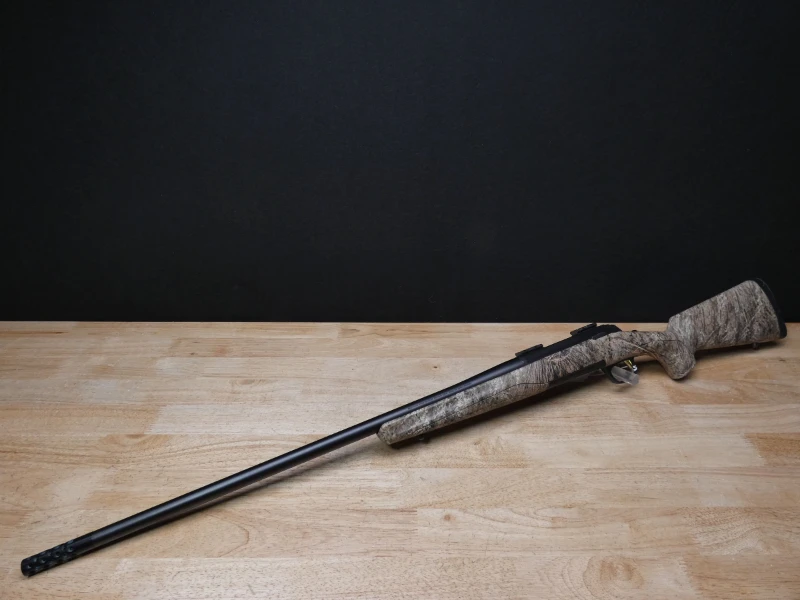
The Browning X-Bolt is a highly regarded bolt-action rifle known for its accuracy, reliability, and modern design. As a long gun, it is not classified as an NFA item, making it accessible to a wide range of hunters and sport shooters. Understanding its market value is crucial for owners looking to sell, as prices can fluctuate based on generation, condition, and specific model. This guide will provide a detailed breakdown of the factors that determine your X-Bolt’s worth in the current market.
What Determines Your Browning X-Bolt’s Worth
The value of a Browning X-Bolt is primarily determined by its generation, specific model, and overall condition. The introduction of the second-generation X-Bolt 2 in 2024 created a distinct value separation between the newer and older models. Condition is paramount; a rifle with a pristine barrel, a clean action, and an unmarred stock will always command a higher price. The specific configuration, such as a Hunter or Speed Suppressor Ready model, also plays a significant role. Based on market data, a common used Browning X-Bolt typically fetches between $750 and $900, though exceptional examples can reach up to $1,200.
2026 Price Breakdown by Generation
First Generation X-Bolt
First-generation Browning X-Bolt rifles represent the foundation of the platform’s success and remain highly sought after on the used market. These models are known for their quality and performance, establishing the X-Bolt’s reputation. Depending on the specific configuration and its condition, a used first-generation model typically retails for between $500 and $1,000. Popular variants like the Hunter or those with specialized features can command prices at the higher end of this spectrum. As the X-Bolt 2 becomes more common, these original models offer an excellent balance of performance and value for budget-conscious buyers seeking proven Browning quality.
The value of a first-generation X-Bolt is also heavily influenced by its included accessories and overall state of preservation. A rifle that comes with its original box, paperwork, and high-quality optics will be more attractive to buyers and can justify a higher asking price. Conversely, signs of heavy use, such as significant wear on the stock or bluing, will detract from its value. Sellers should accurately document the rifle’s condition and any included extras to achieve a fair market price, which generally falls in the $750 to $900 range for well-maintained, standard models in a private sale.
Second Generation X-Bolt 2
Introduced in 2024, the second-generation Browning X-Bolt 2 brought significant updates and a higher price point to the lineup. These new rifles feature redesigned stocks, improved ergonomics, and enhanced performance features that appeal to the modern shooter. The manufacturer’s suggested retail price (MSRP) for the X-Bolt 2 models ranges from approximately $1,470 to $1,950, depending on the specific configuration. For example, the entry-level X-Bolt 2 Speed model carries a suggested retail price of around $1,500, positioning it as a premium option compared to its first-generation predecessors and setting a new benchmark for the platform’s value.
As the X-Bolt 2 becomes more prevalent on the used market, its value will be determined by the same factors as the original: condition, model, and included accessories. However, given their higher initial cost and modern features, they are expected to retain a higher resale value than first-generation rifles. A lightly used X-Bolt 2 will likely command a price close to its original MSRP, especially within the first few years of its release. Owners selling these newer models should emphasize the generational improvements to justify a premium price point over the widely available and more affordable first-generation options.
[Generation 3 Label]
As of 2026, a third generation of the Browning X-Bolt has not been announced or released. The market is currently focused on the distinction between the original first-generation models and the recently introduced X-Bolt 2. Any future “Generation 3” would likely need to introduce groundbreaking features to differentiate itself from the already advanced second generation. Speculation on such features might include further integration of lightweight materials, advanced modularity allowing for easier caliber swaps or stock adjustments, or perhaps the incorporation of smart rifle technology. Such an introduction would invariably impact the value of both first and second-generation rifles.
Should a third generation emerge, it would likely push the resale value of first-generation models further down, solidifying their status as budget-friendly entry points into the Browning ecosystem. The second-generation X-Bolt 2 would then occupy the middle ground, appealing to buyers who want modern features without paying the premium for the latest release. The pricing and features of a hypothetical third generation would set a new ceiling for the platform, and its market reception would be critical in reshaping the value landscape for the entire X-Bolt line, making older models more accessible to a broader audience.
[Generation 4 Label]
Looking ahead, a potential fourth generation of the Browning X-Bolt remains purely in the realm of speculation, as the market is still adapting to the second-generation release. A future “Generation 4” would likely appear many years from now and would need to respond to shifts in firearm technology and consumer demand that are not yet fully realized. Potential innovations could involve radical changes in action design, the use of exotic materials for weight reduction and durability, or seamless integration with digital optics and ballistics calculators. Such a rifle would represent the pinnacle of bolt-action technology at the time of its release.
The eventual arrival of a fourth generation would have a cascading effect on the value of all previous X-Bolt models. By that point, the original first-generation rifles would be considered classic, valued for their historical significance and proven reliability, though their monetary value for standard models might be modest. The second and third generations would become the workhorses of the used market, offering advanced features at a significant discount compared to the new flagship. A fourth-generation release would redefine the premium tier, appealing to collectors and hunters who demand the absolute latest in performance and innovation from Browning.
How Modifications Affect Value
When considering modifications for a Browning X-Bolt, it’s important to note the platform’s limited aftermarket support compared to other rifles. Because of this, buyers generally prefer rifles that are in or can be easily returned to their original factory configuration. The consensus suggests that sellers who have modified their X-Bolt should include all original parts with the sale. These factory components are valuable because they are not easily replaced, and their inclusion allows the new owner the flexibility to revert the rifle back to its stock setup, which can be a significant selling point and help preserve the firearm’s value.
While specific data on value-adding or value-hurting modifications for the X-Bolt is not readily available, general firearm market principles apply. High-quality, professional gunsmithing for upgrades like a trigger job or a premium aftermarket barrel could potentially add value for the right buyer. However, irreversible changes or amateur modifications, such as a poorly executed paint job or permanent alterations to the stock, are almost certain to decrease the rifle’s appeal and lower its resale price. Given the lack of a clear market consensus, the safest approach for preserving value is to stick to reversible modifications and always retain the original parts.
Regional Price Variations in 2026
The value of a Browning X-Bolt can be influenced by state and local firearm laws, which affect market demand. In states with fewer restrictions on firearms, the market is often more saturated, which can lead to more competitive pricing. Conversely, in states with strict regulations, certain firearms can be harder to acquire, potentially increasing their value. The Browning X-Bolt, as a bolt-action rifle, is generally legal in most states, including those with stringent laws like California and New York. This broad legality helps stabilize its price nationwide, as it is not subject to the same regional demand spikes as heavily regulated semi-automatic rifles.
While the X-Bolt is generally legal in New York, sellers and buyers in New York City must be aware of a 5-round magazine capacity limit, which could affect the desirability of models with higher-capacity magazines. Similarly, in California, the X-Bolt’s bolt-action design means it is not typically classified as an “assault weapon,” making it a popular and legally straightforward choice for hunters and target shooters in the state. These regional legal nuances, while not drastically altering the rifle’s core value, can influence local demand and should be considered when pricing the firearm for a specific market.
Online vs Local Sales
Selling a Browning X-Bolt through a private sale can often yield a higher price for the seller compared to trading it in at a dealership. Gun dealers typically offer between 50% and 70% of a used firearm’s retail value, with the exact amount depending on the rifle’s condition and how quickly the dealer expects to resell it. For a trade-in, the offer is generally around 60% of its resale value. A private sale allows the owner to set a price closer to the firearm’s true market worth, which for a used X-Bolt is often between $750 and $900.
However, private sales, especially across state lines, come with strict legal requirements. To legally sell an X-Bolt to a resident of another state, the transaction must be processed through a Federal Firearms Licensee (FFL). The seller is required to ship the rifle to an FFL dealer in the buyer’s state, where the buyer will complete all necessary paperwork, including a background check. While federal law permits the sale of long guns to out-of-state residents over-the-counter at an FFL, the transaction must comply with the laws of both the buyer’s and seller’s states, adding a layer of complexity.
When conducting a private sale, proper documentation is essential. The primary document is a bill of sale, which creates a legal record of the transfer. This document should include the names and contact information of both the buyer and seller, the firearm’s make, model, and serial number, and the date of the sale. While federal law doesn’t mandate a bill of sale for private transactions, it is highly recommended for liability protection. Furthermore, sellers must be aware that some states have universal background check laws that require even private, in-state sales to be processed through an FFL.
The FFL Buying Advantage
Utilizing a Federal Firearms Licensee (FFL) for the sale of a Browning X-Bolt offers significant advantages in terms of legal compliance and security. When an FFL facilitates a transfer, they are responsible for ensuring all legal protocols are followed, including conducting a mandatory background check on the buyer. This process protects the seller from inadvertently transferring a firearm to a prohibited individual, mitigating potential legal liability down the line. For interstate sales, using an FFL is not just an advantage but a federal requirement, ensuring the transaction adheres to the laws of both states involved in the transfer.
Shipping a firearm like the X-Bolt also becomes simpler and more secure when handled by an FFL. Private sellers are generally prohibited from shipping firearms through common carriers like UPS and FedEx, as these services are typically restricted to licensed dealers. While a private individual can legally ship a long gun through the United States Postal Service (USPS), it must be sent to an FFL holder. By having a local FFL handle the entire shipping process, the seller ensures the rifle is packaged and transported in full compliance with carrier policies and federal regulations, providing peace of mind for both parties.
What Increases Your Offer
To maximize the offer for your Browning X-Bolt, meticulous preparation and presentation are key. Before listing the rifle for sale, perform a thorough pre-sale cleaning. Start by ensuring the weapon is completely unloaded and remove the bolt. Carefully clean the bore and chamber to remove any fouling or residue, wipe down the bolt and action, and apply a light coat of protective oil to all metal surfaces. A common mistake to avoid is pushing debris from the barrel back into the action; always clean from the breech to the muzzle whenever possible to protect the rifle’s critical components and showcase its pristine condition.
High-quality photography is crucial for attracting serious buyers and justifying your asking price. Use bright, natural, and diffused light to eliminate harsh shadows and accurately represent the firearm’s finish. Place the rifle against a simple, uncluttered background to keep the focus on the product. Using a tripod will ensure your images are sharp and in focus. Capture multiple photos of the entire rifle from various angles, along with detailed close-ups of the action, muzzle, any engravings, and importantly, any visible wear or blemishes. This transparency builds buyer confidence and can lead to a quicker sale at a better price.
Finally, including the original box, owner’s manual, and any accessories that came with the rifle can significantly increase its value. Buyers appreciate a complete package, as it suggests the firearm was well-cared for. If you have made any modifications, be sure to include all the original factory parts. Given the limited aftermarket for the X-Bolt, these original components are highly valued by potential buyers who may wish to restore the rifle to its stock configuration. A complete, well-maintained, and well-documented package will always command a premium over a bare rifle with an unknown history.
When to Sell Your browning x bolt
Timing the sale of your Browning X-Bolt can have a noticeable impact on the final price you receive. According to general market consensus, the period from February to April, often referred to as tax refund season, is typically the strongest time to sell firearms. During these months, many potential buyers have more disposable income, leading to increased demand and potentially higher sale prices. Conversely, the summer months are generally considered the slowest period for firearm sales, so listing your rifle during this time may result in a longer wait for a buyer or the need to accept a lower offer.
While seasonal trends provide a useful baseline, political events often have a much more significant and immediate impact on firearm demand and pricing. Presidential elections, discussions of new firearm legislation, or other major political shifts can create surges in demand as consumers look to purchase firearms before potential new restrictions are enacted. For a popular hunting rifle like the X-Bolt, demand can also see a slight increase in the months leading up to major hunting seasons in the fall. Sellers should monitor both seasonal and political climates to choose the most opportune moment to list their firearm.
Ultimately, the best time to sell is when you are fully prepared. This means having the rifle thoroughly cleaned, taking high-quality photographs from all necessary angles, and gathering all original accessories and paperwork. A well-presented firearm listed during a period of high demand, such as tax season or a politically active time, is positioned to sell quickly and for the best possible price. Rushing to sell during a slow season with poor presentation is likely to result in a lower offer, regardless of the rifle’s intrinsic value or excellent condition. Patience and preparation are key to maximizing your return.
Common Pricing Mistakes
One of the most common mistakes when pricing a Browning X-Bolt is overvaluing the firearm based on sentimental attachment or the initial purchase price. The used gun market is driven by current demand, condition, and comparable sales, not what you paid for it years ago. It is crucial to research recent sales of similar X-Bolt models to establish a realistic baseline. Ignoring the rifle’s actual condition is another pitfall; small scratches, dings in the stock, or a high round count will lower the value, and failing to account for this wear will deter knowledgeable buyers looking for a fair deal.
Another frequent error is failing to consider the total cost to the buyer, especially in online sales. Your asking price is only part of the equation; the buyer will also have to pay for shipping and FFL transfer fees, which can add a significant amount to their final cost. If your price is too close to what they could pay for a similar rifle locally, they will likely choose the more convenient option. You should factor in these additional costs and price your X-Bolt competitively to make it an attractive option for a remote buyer who has to navigate these extra steps and expenses.
Finally, many sellers mistakenly believe that a professional appraisal is necessary for a standard rifle like the X-Bolt. In reality, a formal appraisal is often not worth the cost for a firearm whose value typically falls between $500 and $1,000. This expense is better reserved for rare or highly collectible firearms. Free online valuations, combined with a realistic assessment of the rifle’s condition, configuration, and any included accessories, are usually sufficient to determine an accurate and fair market price. Spending money on an appraisal for a standard production rifle is an unnecessary cost that cuts into your final profit.
Market Outlook for 2026
The market outlook for the Browning X-Bolt in 2026 appears stable, with its value heavily influenced by the continued rollout and adoption of the second-generation models. As the X-Bolt 2 becomes more common on both new and used markets, it will likely exert downward pressure on the prices of first-generation rifles. This will solidify the original X-Bolt’s position as an excellent value proposition for buyers seeking Browning’s renowned quality and accuracy at a more accessible price point. The newer X-Bolt 2 models are expected to hold their value well, commanding a premium due to their updated features and recent introduction.
While there is no definitive market consensus on future price predictions, the X-Bolt’s strong reputation as a reliable and accurate hunting rifle should ensure consistent demand. Its status as a non-NFA, bolt-action long gun makes it resilient to many of the regulatory pressures that can cause volatility in the market for other types of firearms. Barring any unforeseen economic shifts or major changes in hunting regulations, the X-Bolt line is poised to remain a desirable and respected platform, with values for used models following a predictable depreciation curve based on age, generation, and overall condition.
Frequently Asked Questions
Is it worth getting a professional appraisal for my X-Bolt?
For a standard used Browning X-Bolt, a professional appraisal is generally not worth the cost. The rifle’s value, which typically ranges from $500 to $1,000, can usually be accurately determined through free online valuations and by comparing it to recent sales of similar models. A thorough assessment of its condition, specific configuration, and any included accessories will provide a reliable price point. Professional appraisals are more appropriate for insurance purposes or for genuinely rare and collectible firearms, a category that a standard production X-Bolt does not fall into. Saving the appraisal fee will maximize your net profit from the sale.
How much less will a dealer offer me compared to a private sale?
When selling to a gun dealer, you can expect to be offered between 50% and 70% of the firearm’s actual retail value. The specific percentage will depend on factors like the X-Bolt’s condition, its popularity, and how quickly the dealer believes they can resell it. If you are trading it in for another firearm, the offer is typically around 60% of its resale value. While this is significantly less than you could get in a private sale, it offers the benefit of an immediate, hassle-free transaction without the need to find a buyer or handle shipping and legal paperwork.
Does the specific model of X-Bolt significantly change its value?
Yes, the specific model and configuration of a Browning X-Bolt have a significant impact on its value. For example, specialized models like the Speed Suppressor Ready or premium versions like the Hunter will often command different prices on the used market based on their features and original MSRP. Furthermore, the rifle’s generation plays a crucial role; the newer second-generation X-Bolt 2 models, with a retail price around $1,500, are valued much higher than the first-generation rifles, which typically sell for between $500 and $1,000. Condition remains a key factor across all models.
Will I lose money if I don’t have the original parts after modifying my rifle?
Yes, you will likely see a decrease in your Browning X-Bolt’s value if you cannot provide the original factory parts with the sale. The general market consensus is that buyers prefer to have these components, especially because the aftermarket support for the X-Bolt platform is very limited. The original parts allow the new owner to return the rifle to its stock configuration if they choose. Including these parts can be a key selling point, and their absence may deter potential buyers or lead them to negotiate for a lower price to compensate for the missing components.
How much does cosmetic condition matter for an X-Bolt’s price?
Cosmetic condition is a critical factor in determining an X-Bolt’s resale value. A rifle with a clean stock, free of major dings and scratches, and metalwork with intact bluing will always command a higher price. While a certain amount of wear is expected on a used hunting rifle, excessive cosmetic damage suggests hard use and potential neglect, which will significantly lower its appeal and value. Buyers are willing to pay a premium for a well-maintained firearm, so preserving the cosmetic condition is essential for maximizing your return when you decide to sell.
Get a Cash Offer Today
Ready to sell your Browning X-Bolt? We make the process simple and secure. Submit your firearm’s details on our website, and our experts will provide a fair, market-based cash offer. We handle all the paperwork and provide a prepaid shipping label, ensuring a hassle-free and legally compliant transaction from start to finish.
Don’t wait for a private buyer or settle for a low trade-in value. With our streamlined process, you can get a competitive offer for your rifle quickly and confidently. Click here to begin and see what your Browning X-Bolt is worth today. Turn your used firearm into cash with a trusted and professional service.