
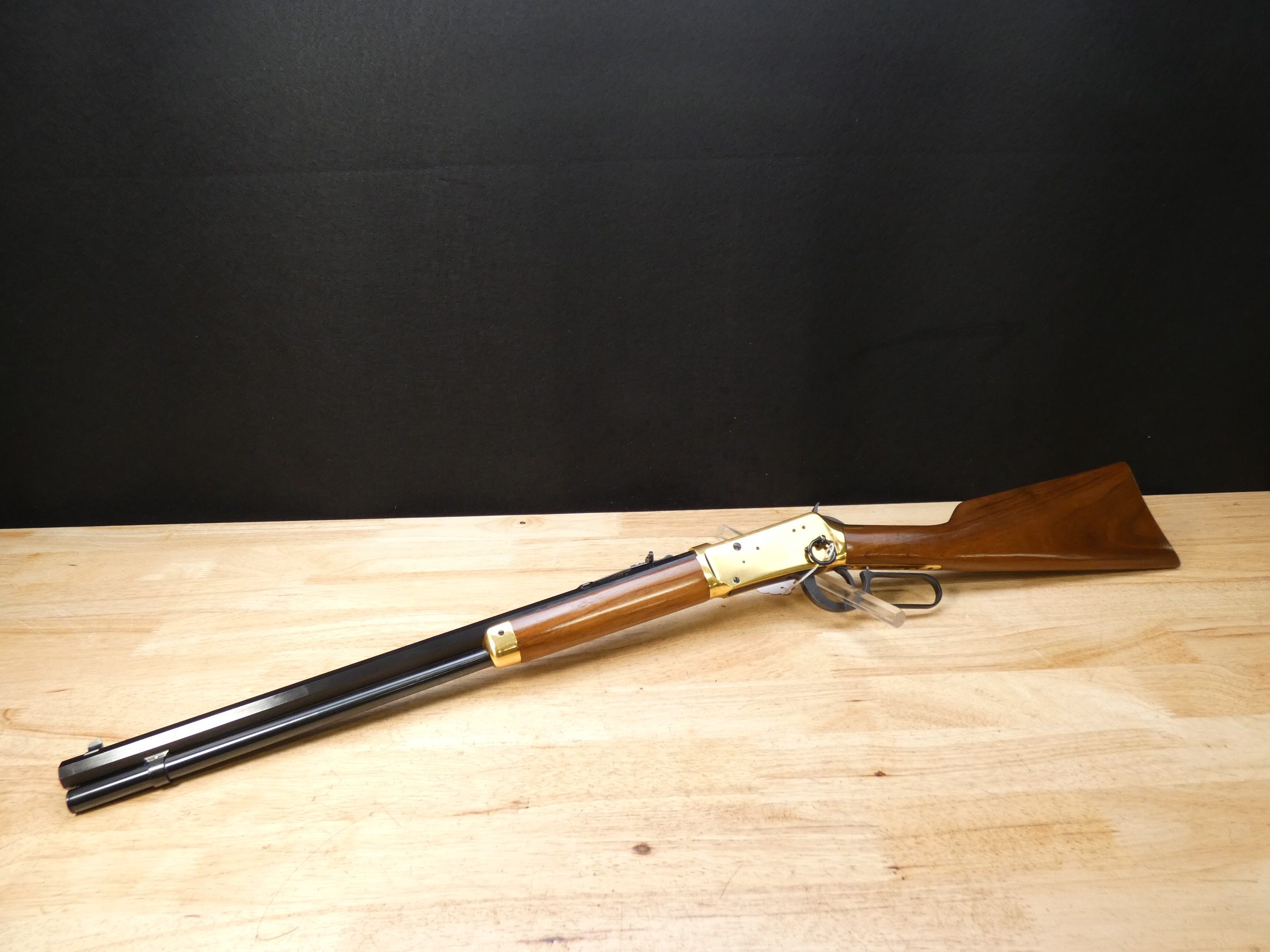
The Winchester 94 stands as one of the most famous and popular hunting rifles ever produced. Classified as a long gun, this lever-action repeating rifle has earned an iconic status in the hands of hunters and sportsmen for over a century. Its classic design, reliability, and association with the American West have cemented its place in firearms history. Understanding the key factors that determine its value is essential for any owner looking to sell this legendary firearm.
What Determines Your Winchester 94’s Worth
The primary driver of a Winchester 94’s value is its date of manufacture, creating a distinct split between pre-1964 and post-1964 models. Rifles produced before the mid-1964 manufacturing changes are highly sought after by collectors and command a significant price premium due to their perceived higher quality and craftsmanship. Beyond this crucial date, the rifle’s overall condition—including the state of the bore, the wood furniture, and the metal finish—is paramount. A high round count is not inherently negative; a well-maintained rifle that has been fired often will hold its value far better than a neglected firearm with fewer rounds through it.
2026 Price Breakdown by Generation
Pre-1964 Models
Often considered the gold standard by collectors, Winchester 94 rifles manufactured before mid-1964 command a significant premium in the used market. These models are revered for their milled steel components and hand-fitted craftsmanship, which enthusiasts believe were compromised in later production years. Depending on the specific configuration and, most importantly, its condition, the value for a pre-1964 model can range widely, typically falling between $700 and $2,000. Rifles in exceptional, all-original condition with unique features or chamberings can easily exceed this range, making them a prime investment for serious collectors.
For this generation, originality is paramount. Collectors strongly prefer firearms with all their original factory parts, and any modifications or replacement components can negatively impact the value. While a shooter might not mind a functional upgrade, a collector paying a premium price will scrutinize every detail. The presence of the original finish, unaltered sights, and correct factory markings are critical. Therefore, sellers of pre-1964 models should document the rifle’s originality and condition with meticulous care to achieve its maximum potential market value, as this is what discerning buyers are willing to pay for.
Post-1964 to Pre-AE Models
The period immediately following the mid-1964 production changes marks a distinct shift in the Winchester 94’s valuation. To reduce costs, the company began using stamped metal parts and different finishing techniques, which are generally considered less desirable by collectors compared to the earlier milled-component rifles. While these firearms are functionally reliable and excellent for hunting and shooting, they do not typically carry the same collector premium as their predecessors. Their value is based more on utility and condition rather than historical or collectible significance, making them an affordable entry point for many enthusiasts.
For a common model from this era, the average used price hovers around $750. The final sale price is heavily influenced by the rifle’s cosmetic and mechanical condition. A well-cared-for example with minimal wear will fetch a higher price, while a rifle showing significant use or poor maintenance will be valued lower. These post-64 models represent the quintessential “working” Winchester 94, appealing to hunters and recreational shooters who want the classic lever-action experience without the high cost associated with the more collectible pre-1964 versions.
Angle-Eject (AE) Models
A significant evolution in the Winchester 94’s design came with the introduction of the Angle-Eject (AE) feature. This modification changed the ejection pattern from top-eject to side-eject, a critical innovation that allowed for the conventional mounting of a scope directly over the receiver. This made the rifle far more practical for modern hunters who prefer using optics for improved accuracy at longer ranges. The 94AE models created a new market segment, appealing directly to sportsmen who valued the rifle’s classic handling but desired modern sighting capabilities, bridging the gap between tradition and practicality.
The market has recognized the enhanced utility of these models, and their value reflects this demand. The average used price for a Winchester 94AE is approximately $902, slightly higher than the general average for other common post-1964 variants. This premium is a direct result of their scope-mounting capability, which makes them a more versatile hunting tool. For buyers who intend to use the rifle in the field with modern optics, the 94AE is often the most sought-after post-1964 configuration, ensuring it maintains a strong and stable value in the used firearm marketplace.
Modern Production Models
Current production Winchester 94 rifles continue the legacy of this historic design, blending classic aesthetics with modern manufacturing precision. These new models are available in various configurations, and their Manufacturer’s Suggested Retail Price (MSRP) reflects this diversity, ranging from approximately $1,199.99 to $2,429.99. The price variation depends heavily on the specific grade and features of the model. For instance, standard Carbine and Sporter versions are positioned at the lower end of this price spectrum, offering the classic 94 experience in a more accessible package for today’s shooter and hunter.
At the higher end of the modern price range are the more specialized and embellished versions. Deluxe or Takedown models, which offer enhanced features like premium wood, intricate checkering, or the ability to be easily broken down for transport, command a much higher price. These contemporary rifles appeal to buyers seeking a brand-new firearm with a factory warranty, combining the nostalgic appeal of the Winchester 94 design with the quality control and material standards of today’s manufacturing processes. Their value is set by the factory, providing a clear benchmark for the top end of the market.
How Modifications Affect Value
When considering modifications for a Winchester 94, enhancements that improve usability without compromising the rifle’s classic character are generally well-received. A popular and highly recommended upgrade is the installation of quality aperture sights from reputable brands like Williams or Skinner. These sights provide a more precise sight picture than factory irons, enhancing the shooting experience. However, while owners praise this modification for its functional benefits, there is no clear market consensus that it definitively increases the monetary resale value. It is best viewed as an improvement for the owner’s benefit rather than a value-adding investment for resale.
Conversely, some modifications can have a neutral or even detrimental impact on value. An aftermarket trigger, for example, is generally seen as an impractical addition that does little to increase the rifle’s resale price and may deter purists. In stark contrast, a factory-installed set trigger is a highly desirable feature for collectors and can add a significant premium, estimated to be between $500 and $750. This highlights a key principle: original, factory-offered configurations are almost always valued more highly by the market than aftermarket changes, especially when dealing with a firearm as iconic as the Winchester 94.
Regional Price Variations in 2026
The value and marketability of a Winchester 94 can be influenced by state and local firearm regulations. In California, for instance, the rifle remains legal to own and sell. This is because lever-action rifles equipped with tubular magazines are specifically exempt from the state’s 10-round capacity limit that affects many other types of rifles. This legal clarity ensures a stable market for the Winchester 94 within the state, as it remains a viable and attractive option for hunters and collectors who might otherwise face significant restrictions on other long guns, thereby supporting consistent regional demand and pricing.
It is crucial for sellers to recognize that firearm laws vary dramatically from one state to another. While information regarding the Winchester 94’s legality in California is clear, its status in other highly regulated states like New York was not readily available in market research. This absence of information underscores the importance of verifying all state and local laws before attempting to sell a firearm. These regulations can directly impact the potential buyer pool and, consequently, the rifle’s market value in a specific geographic area, making local legal compliance a critical first step in the sales process.
Online vs Local Sales
When conducting a private, local sale of a Winchester 94, creating a bill of sale is a highly recommended practice to formally document the transfer of ownership. This document should contain essential information, including the full names and contact details of both the buyer and seller, the sale date and price, and the firearm’s specific details like make, model, and serial number. While federal law does not mandate this for private transactions, it serves as a crucial legal record. Furthermore, sellers must be aware of their specific state and local laws, which may impose additional requirements such as mandatory background checks through an FFL.
Selling a Winchester 94 online to a buyer in another state involves strict legal protocols. Federal law requires that the transaction must be processed through a Federal Firearms License (FFL) holder. The seller is legally obligated to ship the rifle to an FFL dealer located in the buyer’s state of residence. The buyer must then visit that dealer to complete all necessary paperwork, including the ATF Form 4473 and a NICS background check, before they can legally take possession of the firearm. This ensures the transfer complies with all federal regulations governing interstate firearm sales.
Shipping the rifle itself presents another layer of regulation. While federal law only requires the shipper to provide written notification to the carrier that the package contains a firearm, major carriers like UPS and FedEx have implemented more restrictive company policies. These policies now prohibit non-licensed individuals from shipping firearms altogether. To ship a Winchester 94 via these carriers, the shipper must hold a Federal Firearms License and have a specific, pre-approved shipping agreement with them. This effectively requires private sellers to use their local FFL dealer to handle the packaging and shipping for an online sale.
The FFL Buying Advantage
Selling your Winchester 94 to a Federal Firearms License (FFL) holder, such as a local gun shop, offers a fast and convenient transaction but comes at a cost. Dealers typically offer between 50% and 65% of the firearm’s current market value. This price reflects the dealer’s need to cover overhead costs, including rent, staffing, and administrative expenses, while still leaving room for a profit margin when they eventually resell the rifle. This option is best suited for sellers who prioritize speed and simplicity over achieving the highest possible sale price for their firearm.
The specific offer from a dealer can fluctuate based on the desirability of your Winchester 94. For a particularly sought-after model, such as a pristine pre-1964 rifle that the dealer knows will sell quickly, the offer might increase to as high as 70% of its private party value. One market analysis confirms this trend, suggesting a typical trade-in value is around 65% of what a seller could get in a private sale. Ultimately, selling to a dealer is a trade-off: you receive immediate cash and avoid the complexities of a private sale in exchange for a lower price.
What Increases Your Offer
To maximize offers when selling your Winchester 94 online, high-quality photography is non-negotiable. Present the rifle against a simple, uncluttered background that doesn’t distract the viewer. Use ample natural, diffused light to avoid harsh shadows and accurately represent the rifle’s condition. To ensure your images are sharp and clear, stabilize your camera or smartphone with a tripod. Be sure to capture multiple close-up shots of key details, including all markings, the receiver, and any cosmetic imperfections. This transparency builds trust with potential buyers and allows them to bid with confidence, often leading to higher offers.
A thorough pre-sale cleaning demonstrates pride of ownership and presents the rifle in its best possible light. When cleaning the bore, always work from the muzzle towards the action and use a muzzle protector to avoid damaging the crown, as any damage can negatively affect accuracy and value. Unless you are highly experienced, avoid a full disassembly of the action to prevent losing small, original screws, which can detract from the rifle’s value. If a deep clean is needed, consider using a professional gunsmith. Finish by wiping all metal surfaces with a lightly oiled cloth to remove fingerprints and provide a protective sheen.
Retaining all original parts is one of the most critical steps to preserving and increasing your Winchester 94’s value, especially for pre-1964 models. Collectors, who are often willing to pay a premium, place immense importance on originality. Any deviation from the factory configuration can significantly reduce the rifle’s appeal to this key market segment. Even if you install an aftermarket part for functional reasons, always keep the original component. Being able to provide the firearm in its complete, factory-correct state is essential for commanding the highest possible price from discerning buyers and collectors.
When to Sell Your Winchester 94
Timing the sale of your Winchester 94 can significantly impact the level of interest and the final price you receive. As one of the most iconic hunting rifles in American history, its demand often follows a predictable seasonal pattern. The consensus among firearm sellers indicates that the optimal time to list a hunting rifle is just before or at the very beginning of the primary hunting seasons. This period, generally in the late summer and early fall, is when prospective buyers are actively looking to purchase or upgrade their equipment in preparation for upcoming hunts, creating a seller’s market.
While the pre-hunting season is ideal, another favorable window for selling firearms is during tax return season, which typically runs from February through April. During this time, many potential buyers have more disposable income and are looking to make larger purchases they may have put off. Although this period is often associated with sales of handguns and general-purpose rifles, a classic firearm like the Winchester 94 can still attract significant attention. Buyers with fresh tax refunds may be more inclined to purchase a piece of Americana they have always wanted.
For a seller of a Winchester 94, the most effective strategy is to target the late summer and early fall market to connect with the most motivated hunting-focused buyers. This is when your rifle’s primary purpose is top-of-mind for a large segment of the firearm community. However, if you miss this window, the spring tax season provides a strong secondary opportunity. By understanding these market trends, you can list your rifle when buyer interest and purchasing power are at their peak, increasing your chances of a timely and profitable sale.
Common Pricing Mistakes
A frequent error sellers make is misjudging the need for a professional appraisal. For a standard, post-1964 used Winchester 94 in average condition, the cost of a formal appraisal is likely not worth it, as the rifle’s value may only be a few hundred dollars. Conversely, failing to get an appraisal for a pre-1964 model, a rare configuration, or a rifle in mint condition is a major mistake that could leave thousands of dollars on the table. For these high-potential firearms, a professional evaluation is essential to accurately determine their higher value and avoid significant underpricing.
Another common misconception is that a high round count automatically equates to a lower value. The market for Winchester 94s does not support this assumption. The primary factor determining price is the rifle’s overall condition, including the state of the bore, the wood finish, and the metalwork. A properly maintained and cared-for rifle, regardless of how many rounds it has fired, will consistently hold its value better than a less-used but poorly maintained firearm. Sellers should focus on highlighting the rifle’s excellent condition and maintenance history rather than worrying about its round count.
Perhaps the most significant pricing mistake is failing to understand the vast value gap between pre-1964 and post-1964 models. Listing a highly collectible pre-1964 rifle at a price typical for a post-1964 “shooter” grade gun is a catastrophic error that can cost a seller hundreds, if not thousands, of dollars. On the other hand, overpricing a common post-1964 model by applying pre-1964 valuation standards will ensure the rifle never sells. Researching the serial number to confirm the date of manufacture is the single most important step in accurately pricing a Winchester 94.
Market Outlook for 2026
While a definitive, data-driven future price prediction for the Winchester 94 is not available, the market outlook remains positive due to the rifle’s enduring legacy and iconic status. As a quintessential American firearm, it benefits from consistent demand from multiple buyer segments, including hunters, recreational shooters, and collectors. This broad appeal helps insulate it from the volatile trends that can affect more modern firearms. The Winchester 94 is not just a tool but a piece of history, a factor that should continue to support a stable and gradually appreciating value over time.
Several factors suggest the Winchester 94 will continue to be a strong performer in the used market. Its legal status in states with strict firearm laws, such as California’s exemption for lever-actions with tubular magazines, ensures a persistent regional demand. Furthermore, the clear distinction between collectible pre-1964 models and utilitarian post-1964 versions creates two separate but healthy markets. As older generations of shooters and collectors seek out the firearms of their youth, the nostalgia and historical significance of the Model 94 will likely continue to fuel its desirability and value retention.
Frequently Asked Questions
Is a pre-1964 Winchester 94 always more valuable?
While pre-1964 models generally command a higher price due to their manufacturing quality, it is not an absolute rule. Condition is the ultimate arbiter of value. A pre-1964 rifle that is in poor condition—with significant rust, a damaged stock, or a worn-out bore—could easily be worth less than a pristine, like-new post-1964 model. The “pre-64” designation creates a higher potential value, but the firearm must have the excellent condition to realize that potential. Always evaluate the individual rifle’s state before assuming a higher price based on date alone.
Does having the original box and papers increase the value?
Yes, absolutely. For any collectible firearm, the presence of the original box, owner’s manual, and any accompanying paperwork can significantly increase its value. This is especially true for vintage Winchester 94s. These items, often referred to as a “complete package,” help establish the firearm’s provenance and prove its originality to discerning collectors. A rifle with its original box is much rarer than the rifle itself, and buyers are often willing to pay a substantial premium for that level of completeness and historical preservation.
Will refinishing the stock or re-bluing the metal hurt my rifle’s value?
For a collectible firearm like a pre-1964 Winchester 94, any non-factory alteration to the finish will drastically reduce its value. Collectors prize originality above all else, and that includes the factory-applied finish, even if it shows honest wear from age and use. A re-blued receiver or a sanded and refinished stock, no matter how professionally done, erases that originality and can cut the rifle’s collector value by 50% or more. It is almost always better to leave the original, worn finish intact than to attempt a restoration.
Is my ‘Trapper’ model with a short barrel an NFA item?
This is a critical question of legality and value. Generally, a Winchester 94 with a barrel shorter than 16 inches is classified as a Short-Barreled Rifle (SBR) and is subject to the strict regulations of the National Firearms Act (NFA). However, the ATF has granted specific exemptions for certain vintage models, classifying them as Curio & Relic (C&R) firearms not subject to NFA rules. It is absolutely essential to verify the specific status of your Trapper model. An NFA classification drastically impacts its transfer process and value, making proper identification crucial.
How much does the caliber affect the price?
The caliber, or chambering, can have a major impact on a Winchester 94’s value. The most common caliber is .30-30 Winchester (.30 WCF), which establishes the baseline value. However, the Model 94 was produced in numerous other calibers over its long history. Rarer or more desirable chamberings, such as .25-35 WCF, .32-40 Winchester, or .38-55 Winchester, can command a significant premium over a standard .30-30, especially in pre-1964 rifles. Researching the production numbers and market demand for your rifle’s specific caliber is a key step in determining its true worth.
Get a Cash Offer Today
Ready to sell your Winchester 94? We make the process safe, simple, and hassle-free. Submit your firearm’s details on our secure site, and our team of experts will provide you with a fair, competitive cash offer. Skip the uncertainty of private sales and dealer negotiations.
Our streamlined process is fully compliant with all federal and state laws, ensuring a legal and secure transaction from start to finish. From appraisal to payment and shipping, we handle everything. Click here to get your no-obligation offer and see what your Winchester 94 is worth today.