
Understanding the value of your Browning BAR is key to a successful sale. This iconic, gas-operated semi-automatic rifle has a rich history, and its worth is influenced by model, condition, caliber, and market demand. Whether you own a classic Safari model or a modern MK 3, several factors contribute to its final price. This guide will break down those variables, from the impact of maintenance to the nuances of selling online versus locally, ensuring you are well-informed.
What Determines Your Browning Bar’s Worth
The value of a Browning BAR is primarily determined by its specific model, overall condition, and caliber, rather than a strict generational hierarchy. For instance, traditional models like the Safari, often featuring engraved receivers and high-quality wood stocks, can hold different market appeal compared to modern tactical versions like the MK3 with a detachable box magazine. Caliber also plays a significant role; a BAR chambered in .308 has an average used price of around $1,233, which is notably higher than the overall average for all BARs, currently sitting near $1,060. Ultimately, a well-preserved, desirable model in a popular caliber will command the highest price.
2026 Price Breakdown by Generation
Classic & Safari Models
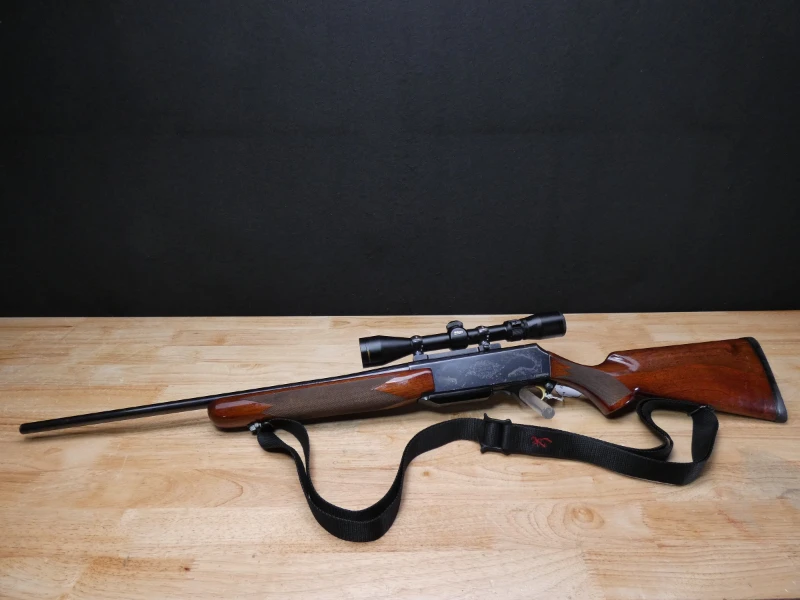
The classic Browning BAR models, including the highly regarded Safari, establish their value through craftsmanship, condition, and specific features. Used prices for these rifles generally fall within a broad range of $600 to over $1,200, heavily dependent on the level of preservation and any unique characteristics like intricate receiver engravings. These earlier models are appreciated for their traditional aesthetic and build quality. A well-maintained rifle with minimal wear on its wood stock and bluing will consistently appraise at the higher end of the spectrum, appealing to both hunters and collectors who value its timeless design and reliable performance.
Unlike modern variants, the value of a classic BAR is less about modularity and more about its original state and inherent quality. The overall condition and maintenance history are paramount. A rifle that has been meticulously cared for, showing little evidence of a high round count through its bore and action condition, will be valued more than a neglected firearm. The market for these models is driven by buyers seeking the specific look and feel of a traditional sporting rifle, making presentation and mechanical soundness the key drivers of its final selling price.
Mark III (MK 3)
The Browning BAR MK 3 represents a significant modernization of the platform, and its value reflects these contemporary features. With a Manufacturer’s Suggested Retail Price (MSRP) ranging from $1,439.99 to $1,699.99 for new models, the used market value is influenced by this higher initial cost. The 12-month average used price for BARs in general is $1,090.31, and a well-kept MK 3 will typically trade near or above this average. The MK 3 introduced updated ergonomics, a more contemporary stock design, and an enhanced trigger system, which are all points of value for buyers seeking a modern semi-automatic hunting rifle.
Condition remains a critical factor in determining the resale price of a BAR MK 3. While these rifles are built to be durable, any significant cosmetic damage or signs of poor maintenance will detract from the value. Sellers who can demonstrate a history of proper care, particularly of the gas system and barrel, will be in a better position to ask for a price closer to the top end of the used market range. The rifle’s reputation for accuracy and reliability helps it retain value well compared to many other semi-automatic hunting rifles on the market.
Mark III DBM (Detachable Box Magazine)
The BAR MK 3 DBM variant stands out due to its detachable box magazine, a feature that significantly enhances its appeal for certain applications and boosts its market value. This model carries a higher Manufacturer’s Suggested Retail Price (MSRP) of $1,859.99, positioning it at the premium end of the BAR lineup. Consequently, its used value is also elevated compared to standard hinged floorplate models. Buyers are often willing to pay more for the convenience and faster reloading capability that the DBM system offers, making it a desirable option for both hunting and sport shooting scenarios where quick follow-up shots are advantageous.
When selling a BAR MK 3 DBM, its completeness and condition are paramount. The inclusion of the original magazine(s) in good working order is essential for achieving the best price. Because this is a more specialized and expensive model, potential buyers will be particularly discerning about its maintenance history and overall wear. A clean, well-maintained rifle that functions flawlessly will command a price that reflects its premium MSRP, while any issues with the magazine feeding system or excessive wear will result in a more significant price reduction compared to standard models.
Mark IV (MK 4)
As the latest evolution in the BAR series, the Mark IV (MK 4) commands the highest prices, with a new MSRP generally falling between $1,439 and $1,860. This model builds upon the successes of its predecessors with further refinements to ergonomics, accuracy, and overall performance. In the used market, a like-new or lightly used MK 4 will retain a significant portion of its original value, appealing to buyers who want the most advanced features available in the BAR platform without paying the full retail price. Its value is buoyed by its status as the current-production flagship model from Browning.
The resale value of a BAR MK 4 is closely tied to its condition, as buyers in this price range expect a firearm that is nearly indistinguishable from new. Any scratches, dings, or signs of heavy use will have a more pronounced negative impact on its price compared to older, more common models. To maximize its worth, a seller should present the rifle with all its original accessories, manuals, and packaging if available. Its modern features and recent manufacture date mean that its used price is less speculative and more directly correlated with its initial retail cost and cosmetic appearance.
How Modifications Affect Value
The market for the Browning BAR does not have a clear consensus on which modifications consistently add value. Unlike platforms with extensive aftermarket support, the BAR is often appreciated for its factory configuration as a high-quality sporting rifle. Modifications such as custom stocks, triggers, or optic mounting systems can be highly subjective. A potential buyer may not share the seller’s taste or find the modification suitable for their intended use, which could make the rifle harder to sell. Therefore, any changes made are more likely to be for personal preference rather than a reliable method of increasing its resale price.
Similarly, there is no definitive list of modifications that are guaranteed to hurt the Browning BAR’s value, though permanent alterations are generally riskier. Any change that involves drilling, cutting, or permanently altering the original receiver or barrel should be approached with caution. Poorly executed gunsmithing or the addition of low-quality accessories can certainly detract from the rifle’s appeal and lower its worth. To preserve maximum value, it is often best to keep the rifle in its original factory state or ensure that any modifications made are completely reversible without leaving any trace on the firearm.
Regional Price Variations in 2026
The value and saleability of a Browning BAR can be significantly influenced by state and local firearm laws, creating regional price variations. In states with fewer restrictions on semi-automatic rifles, like California, the BAR is generally legal in its standard sporting configuration because it lacks features like a pistol grip or flash suppressor that would classify it as a prohibited “assault weapon.” In these markets, the BAR competes on its merits as a hunting rifle, and its price is dictated by normal supply and demand. The rifle’s classic design helps it navigate the complex legal landscape in some restrictive states more easily than more tactical-style firearms.
Conversely, in states with stricter regulations, such as New York, the legality of certain BAR models can be questionable. Under the SAFE Act, a semi-automatic rifle with a detachable magazine becomes illegal if it has just one additional prohibited feature, such as a muzzle brake. This could affect the legality and therefore the value of specific BAR models, like those equipped with Browning’s BOSS system. Such restrictions can shrink the potential buyer pool in these states, potentially lowering the rifle’s local market value or forcing sellers to seek buyers in other states through a licensed dealer, adding complexity and cost to the transaction.
Online vs Local Sales
Selling a Browning BAR online opens up a nationwide market but requires strict adherence to federal law. For any interstate sale between private citizens, the firearm must be shipped from the seller to a Federal Firearms Licensee (FFL) in the buyer’s state of residence. The buyer must then go to that FFL, complete a Form 4473, and pass a background check before taking possession. This process is non-negotiable and ensures the transfer is legally compliant. While this adds steps and potential costs for shipping and FFL transfer fees, it provides access to a much larger pool of potential buyers.
Shipping a long gun like the BAR also has specific rules. Private individuals are prohibited from using carriers like UPS or FedEx to ship firearms directly; they must have an FFL ship on their behalf. However, a private seller can legally ship a rifle via the United States Postal Service (USPS) to an FFL in another state. Federal law mandates that the carrier must be notified that the package contains a firearm, but the exterior of the box should not have any markings indicating its contents. This ensures both legal compliance and security during transit, which are crucial for a smooth online transaction.
A local, in-state private sale can be simpler, but requirements vary dramatically by location. While federal law does not mandate a bill of sale for a private transaction, it is highly recommended for the protection of both parties. The primary paperwork obligations are dictated by state and local laws. Some states have no specific requirements for private long gun sales, while others may mandate that the transfer must be conducted through an FFL, complete with a background check. Sellers must be diligent in understanding and following the laws of their specific jurisdiction to ensure a legal and responsible sale.
The FFL Buying Advantage
Selling your Browning BAR to a gun dealer or Federal Firearms Licensee (FFL) offers a distinct advantage in speed and convenience. The process is straightforward: you bring the firearm to the dealer, they assess its value, and you can walk out with cash or a trade-in credit the same day. This eliminates the complexities of finding a private buyer, verifying their eligibility, and navigating the legal requirements of a private transfer. For sellers who prioritize a quick and hassle-free transaction, the FFL route is often the most appealing option, providing immediate payment and peace of mind.
However, this convenience comes at a financial cost. A gun dealer will typically offer between 50% and 70% of a used firearm’s private market value to account for their overhead and profit margin. For a Browning BAR, the trade-in value is estimated to be around 65% of its private party value. For example, a BAR that might sell for approximately $1,060 in a private sale could fetch a trade-in offer of around $689. This trade-off between a lower price and a secure, immediate sale is the central consideration when deciding whether to sell to a dealer or privately.
What Increases Your Offer
A thorough pre-sale cleaning is one of the most effective ways to increase the value of your Browning BAR. A clean rifle not only looks better but also signals to a potential buyer that it has been well-maintained. Special attention should be paid to the gas system, including the gas block and piston; these components must be cleaned and left dry upon reassembly to ensure proper function. A common mistake to avoid is over-lubrication. A single drop of quality oil on the action rails where the bolt rides is sufficient. Avoid spraying aerosols into the trigger group, as this can attract debris.
High-quality photography is crucial for attracting the best offers, especially in an online sale. To properly showcase your Browning BAR, use ample natural light against a simple, uncluttered background that provides good contrast. Capture the entire rifle from multiple angles to give a complete overview. More importantly, include detailed close-up shots of key areas: any markings or engravings, the condition of the bore, the action, and any visible wear or imperfections. Clear, high-resolution images build buyer confidence and justify a higher asking price by leaving no questions about the firearm’s condition unanswered.
While a high round count can be a concern, its impact on value is often secondary to the rifle’s overall condition and maintenance history. A well-cared-for BAR with many rounds fired may be valued more highly than a neglected, low-round-count rifle. Demonstrating a consistent history of proper cleaning and care can significantly mitigate buyer concerns about wear. The visible condition of key components like the barrel crown, the chamber, and the action serves as a more reliable indicator of the rifle’s health than a simple round count estimate, directly influencing the offers you receive.
When to Sell Your browning bar
Timing your sale can significantly impact the final price you receive for your Browning BAR. For hunting rifles, the market typically heats up in the months leading up to and during major hunting seasons. This period, generally spanning from late summer through the fall, is when demand is at its peak as hunters prepare for the upcoming season or seek to upgrade their equipment. Listing your rifle during this window increases the likelihood of a faster sale and a higher selling price due to the larger pool of motivated buyers actively searching for a firearm like the BAR.
Another strategic time to sell is during tax refund season, which generally runs from February through April. During this period, many consumers have more disposable income and are looking to make larger purchases they may have put off. This surge in consumer spending power can create a seller’s market across various goods, including firearms. Capitalizing on this trend by listing your BAR during these months can attract buyers who are ready to spend, potentially leading to a more favorable outcome than selling during slower periods of the year.
Conversely, some periods are generally considered slower for firearm sales. The summer months can see a dip in activity as potential buyers are often focused on vacations and other outdoor activities not related to hunting. Similarly, the time immediately surrounding the major winter holidays can be challenging, as consumer spending is heavily directed toward gifts and travel. Avoiding these lulls and timing your listing to coincide with peak demand seasons is a key strategy for maximizing the return on your Browning BAR.
Common Pricing Mistakes
One of the most common mistakes sellers make is overestimating the value of a standard, used Browning BAR and paying for a professional appraisal. For most common models, a formal appraisal is not worth the cost, as their market value typically falls within a predictable range of $600 to $1,200. Abundant online resources, completed auctions, and gun forums can provide a realistic market value for free. An appraisal is only recommended for insurance purposes or if the rifle is a rare, limited-edition, or antique model that could have a significantly higher and less obvious value that requires expert verification.
Another frequent error is pricing a used rifle too closely to its new counterpart. The Manufacturer’s Suggested Retail Price (MSRP) for a new BAR MK 3 or MK 4 can range from approximately $1,439 to over $1,860. A used rifle, no matter how well-maintained, will not fetch this price. The average used price is currently $1,059.93. Sellers who fail to account for this depreciation will deter savvy buyers who know they can purchase a brand-new rifle with a full warranty for just a little more. Researching the current *used* market rate is essential for setting a competitive and realistic price.
Sellers often have unrealistic expectations when dealing with licensed dealers. It’s a mistake to walk into a gun store expecting to receive the full private party value for your BAR. Dealers must account for business overhead, profit margins, and the time the firearm may sit in their inventory. They will typically offer between 50% and 70% of the private sale value. Understanding this business reality—for instance, expecting an offer around $689 for a rifle worth $1,060 privately—prevents disappointment and allows for a more pragmatic negotiation when considering a trade-in or direct sale to an FFL.
Market Outlook for 2026
Predicting the future price of any firearm, including the Browning BAR, is inherently speculative as the market is subject to a wide range of influences. A consensus on future price predictions is not available. However, established firearms from reputable manufacturers like Browning tend to hold their value well over time. The BAR’s long-standing reputation as a reliable and accurate semi-automatic hunting rifle provides a stable foundation for its value. Barring any major market shifts, it is reasonable to expect its price to follow general economic trends, such as inflation, without dramatic, unforeseen fluctuations in demand.
Several external factors could influence the BAR’s value moving into 2026. Potential legislative changes at the federal or state level regarding semi-automatic rifles could impact demand, either positively or negatively depending on the nature of the regulations. Furthermore, the introduction of new competing models from other manufacturers or even a next-generation BAR from Browning could affect the desirability and price of current models like the MK 3 and MK 4. Monitoring these broader industry and political trends will be key to understanding the BAR’s market position in the coming years.
Frequently Asked Questions
Does a high round count significantly lower my BAR’s value?
While a very high round count can be a factor, its impact on a Browning BAR’s value is often less significant than the rifle’s overall condition and maintenance history. Many firearm owners prioritize evidence of meticulous care over a simple number. A well-maintained rifle with a clean bore, smooth action, and minimal external wear may be valued more than a poorly kept firearm with a lower round count. The key is to demonstrate that the rifle has been properly serviced, as this reassures a buyer of its continued reliability and accuracy, mitigating concerns about its usage history.
How much less will a dealer offer compared to a private sale?
When selling to a gun dealer, you should expect to receive a significantly lower offer than you would in a private sale. Dealers typically offer between 50% and 70% of the firearm’s current private market value. For a Browning BAR specifically, the estimated trade-in value is around 65% of its private party price. For example, a BAR valued at approximately $1,060 in a private transaction might receive a trade-in offer of about $689 from a dealer. This price difference is the cost of the convenience, speed, and legal security that selling to an FFL provides.
Is it worth getting a professional appraisal for my Browning BAR?
For a standard, common model of the Browning BAR, a professional appraisal is generally not worth the cost. The market value for these rifles typically falls within a well-documented range of $600 to $1,200, which can be accurately determined using online auction sites and forums. However, an appraisal is highly recommended if the rifle is a rare, antique, or limited-edition model that may have a significantly higher value not obvious to the average seller. It is also a wise investment for insurance purposes to ensure the firearm is properly valued on your policy.
Does the caliber of my BAR affect its resale price?
Yes, the caliber of your Browning BAR can definitely affect its resale price and desirability. More common and popular hunting calibers tend to command higher prices due to greater demand for both the rifle and its ammunition. For example, data shows that a used BAR chambered in .308 Winchester has an average price of around $1,233, which is noticeably higher than the overall average of approximately $1,060 for all BAR models combined. Rifles in less common or niche calibers might take longer to sell and may appeal to a smaller segment of the market, potentially lowering their value.
Are older, Belgian-made BARs always more valuable than new models?
Not necessarily. While early, Belgian-made Browning BARs are highly respected for their craftsmanship and can be very valuable, their worth is heavily dependent on condition. A pristine, early-model Safari may be worth more to a collector than a standard new model. However, a new BAR MK 3 or MK 4, with an MSRP between $1,439 and $1,860, will almost certainly be worth more than a Belgian-made BAR that shows significant field use and wear. Value is a complex equation of model, rarity, condition, and desirability, not just its age or country of origin.
Get a Cash Offer Today
Ready to sell your Browning BAR? We make the process simple, safe, and transparent. Avoid the hassle of private listings and legal complexities by getting a fair, no-obligation cash offer from us today. We are licensed professionals who appreciate the quality of Browning firearms and are prepared to give you a competitive price.
Click the button below to submit your firearm’s information. Our team of experts will review the details and get back to you quickly with an offer. Turn your used rifle into cash with a trusted partner and experience the easiest way to sell your firearm online. Get started now and see what your BAR is worth.