
The Hi-Point Model 995 is a well-known pistol-caliber carbine, recognized for its affordability and simple, rugged design. While not a high-value collector’s item, its worth is determined by its functional condition, specific model, and the accessories included. Understanding these factors is key to accurately assessing its price for a private sale or trade-in. A new 995 carbine typically has an MSRP between $364 and $412, while the used market sees them valued around $158.
What Determines Your Hi-Point Model 995’s Worth
Several key factors determine the value of a Hi-Point Model 995. The most significant is its overall condition; a firearm with heavy cosmetic damage can see its price reduced by 30% to 50%. While a high round count does contribute to wear, its impact on value is less pronounced in absolute dollar terms due to the firearm’s low initial cost, with used models averaging around $158. Buyers in this market segment are often more concerned with basic functionality than a pristine appearance or low mileage. The specific model, such as the original 995 versus the newer 995TS, also plays a role in its final price.
2026 Price Breakdown by Generation
Hi-Point 995 (Original)
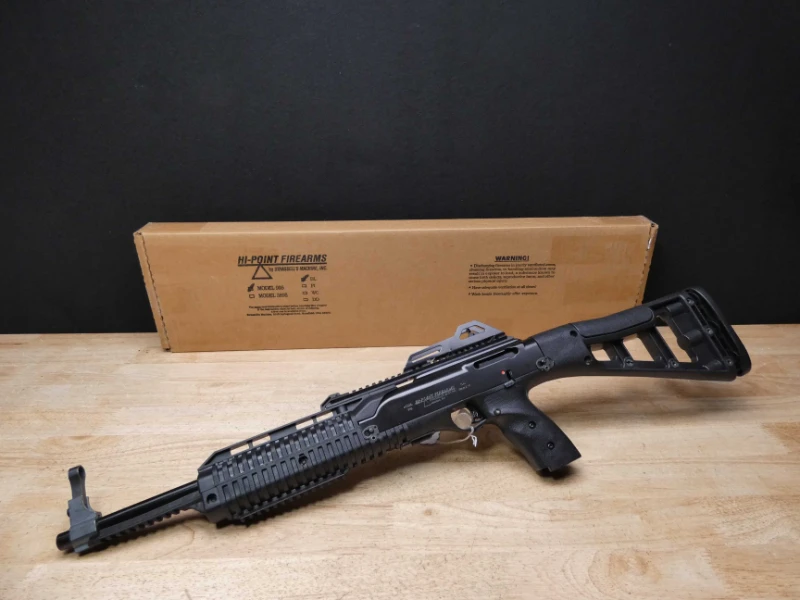
The original first-generation Hi-Point 995, often referred to as the “Planet of the Apes” model due to its distinctive stock design, established the brand’s reputation for producing affordable pistol-caliber carbines. As the predecessor to the more modern 995TS, its value is primarily based on its utility as a functional, low-cost firearm rather than any collectible status. These earlier models are the most inexpensive on the secondary market, appealing to buyers seeking a basic and reliable carbine for recreational shooting or home defense without a significant financial investment, making condition the primary driver of its modest price.
On the used market, a standard first-generation Hi-Point 995 is valued at approximately $158, making it one of the most accessible carbines available. While new production has ceased in favor of the TS model, these originals are common in private sales and at pawn shops. Online auctions reflect this pricing, with bids sometimes starting as low as $124.99. Its value is firmly rooted in its function-over-form appeal, and sellers should expect offers to align closely with this established market average, with slight variations based on cosmetic condition and local demand.
Hi-Point 995TS
The Hi-Point 995TS (Target Stock) is the modernized successor to the original 995, featuring a more ergonomic and practical design. This updated model includes a tactical stock with an adjustable cheek rest, a Picatinny rail system for mounting optics and accessories, and a more conventional aesthetic. These improvements make the 995TS more desirable to a broader range of shooters, and its value reflects this enhanced utility and modern design. It remains a budget-friendly option but commands a slightly higher price than its predecessor on both the new and used markets due to these significant upgrades.
The market value for a new 995TS typically falls in the $260 to $300 retail range, though the official MSRP can be as high as $412 depending on the specific package. On the used market, its value holds up slightly better than the original model, though it still represents a significant depreciation from its new price. A used 995TS in good condition will generally sell for more than the $158 average of the original model, reflecting the demand for its improved features and more versatile, tactical platform that appeals to modern firearm consumers.
Hi-Point 995P (Pistol Variant)
Beyond its carbine classification, Hi-Point also manufactures a pistol variant, the 995P, which is legally classified as a handgun due to its shorter barrel and lack of a shoulder stock. This model appeals to a different segment of the market, offering the same 9mm chambering and blowback action in a more compact package. Its value is assessed separately from the rifle versions, as it competes in the large-format pistol category. The 995P serves as a highly affordable alternative to other pistol-caliber firearms of similar size, maintaining the brand’s core principle of budget-friendly accessibility for different legal classifications.
The value of the 995P is heavily influenced by its configuration and included accessories. The Manufacturer’s Suggested Retail Price for a new 995P ranges from $379 for a basic model to $525 for versions that come equipped with a pistol brace or a red dot sight from the factory. This price variation highlights the importance of accessories in determining its market worth. On the used market, the presence of these additions, particularly a functional pistol brace, can significantly impact its resale value compared to a bare-bones pistol version, making it a distinct entity from the 995 carbine.
State-Compliant Models
The value of a Hi-Point 995 can be significantly influenced by state-specific firearm regulations, leading to the creation of state-compliant models. In states with strict “assault weapon” laws, such as California and New York, the standard 995TS with its pistol grip is generally not legal for sale. To address this, manufacturers produce modified versions. For California, this may include a model with a prominent paddle grip (often called a “fin grip”) or a fixed magazine that requires disassembling the action to remove. These modifications make the firearm legal to own within that state’s restrictive legal framework.
These compliant models exist in a niche market where their value is dictated by local laws. In New York, a featureless version with a fin grip or a stock without a pistol grip is permissible. While these modifications might seem undesirable in less restrictive states, they are essential for legal ownership in others. Consequently, a state-compliant Hi-Point 995 may hold its value better or even command a slight premium within that specific state due to limited availability, while it may be less desirable and thus valued lower in a free state where standard models are readily available.
How Modifications Affect Value
When assessing the value of a Hi-Point 995, the impact of modifications is not as clearly defined as it is for more expensive firearms. The market consensus on which specific aftermarket parts consistently add value is difficult to establish. Because the 995 is an entry-level carbine, most owners who modify it do so for personal preference and improved ergonomics rather than as an investment. As a result, additions like aftermarket stocks, optics, or muzzle devices may not yield a significant return upon resale, as potential buyers in this price bracket are primarily focused on the base firearm’s functionality.
Similarly, there is no clear market agreement on modifications that definitively hurt the 995’s value, aside from changes that compromise its safety or reliability. Permanent alterations, such as amateur gunsmithing or crude cosmetic changes, will almost certainly decrease its worth. However, most common bolt-on accessories are reversible. A seller is unlikely to recoup the full cost of these parts, and in some cases, a heavily modified 995 may be less appealing to a purist or first-time buyer, but a significant financial penalty is not a guaranteed outcome for typical, reversible modifications.
Regional Price Variations in 2026
The value of a Hi-Point Model 995 can exhibit notable regional variations, largely driven by state and local firearm regulations. In states with stringent laws like California and New York, the standard model is often prohibited, creating a specific market for compliant versions. These models, equipped with features like fin grips or fixed magazines, are necessary for legal ownership and can therefore command prices close to their MSRP within those states due to limited options. Conversely, these same compliant features would likely reduce the firearm’s appeal and value in states with less restrictive laws, where standard configurations are preferred and widely available.
Beyond legal restrictions, local market demand also plays a role. In areas where pistol-caliber carbines are popular for recreational shooting or as affordable ranch rifles, the demand for a used Hi-Point 995 might be stronger, supporting a slightly higher resale value. In contrast, in regions dominated by traditional hunting rifles or high-end tactical firearms, the 995 may be viewed as a less desirable, niche item, potentially leading to lower private sale prices. These regional dynamics mean a seller’s location can directly influence the final offer they are likely to receive for their carbine.
Online vs Local Sales
Selling a Hi-Point Model 995 locally through a private transaction offers a direct path to a sale, but the process is governed by state and local laws. While federal law does not mandate specific paperwork like a bill of sale for private sales, creating one is highly recommended to document the transfer of ownership. Some states have no additional requirements, allowing for a simple exchange between eligible residents. However, other states, such as California and Illinois, mandate that all private firearm transactions must be conducted through a licensed firearms dealer, which includes a formal background check on the buyer.
Selling online broadens the potential customer base but introduces federal regulations for interstate transfers. To legally sell a Hi-Point 995 to a resident of another state, the transaction must be processed through a Federal Firearms Licensee (FFL). The seller is required to ship the firearm to an FFL in the buyer’s home state. The buyer then completes the required federal and state paperwork and a background check at their local FFL before taking possession. This non-negotiable process ensures the transfer complies with the laws of both the seller’s and the buyer’s states, adding a layer of security and legality.
The logistics of shipping a firearm add another consideration for online sales. Private sellers are generally prohibited from shipping firearms directly via common carriers like UPS and FedEx, as their corporate policies require the shipper to hold an FFL and have a specific shipping agreement. Therefore, a private individual must typically take the Hi-Point 995 to a local FFL, who will then handle the packaging and shipment to the buyer’s designated FFL. While federal law allows a non-licensee to ship a firearm to an FFL, the carrier must be notified, and the package cannot have any markings indicating its contents.
The FFL Buying Advantage
Selling your Hi-Point Model 995 to a Federal Firearms Licensee (FFL), such as a local gun store or pawn shop, offers significant advantages in convenience and speed. The process is straightforward: you present the firearm, the dealer assesses its condition and makes a cash offer, and upon acceptance, the transaction is complete. This eliminates the complexities of finding a private buyer, verifying their eligibility, and navigating transfer laws. However, this convenience comes at a cost. Dealers typically offer approximately 65% of the private party value; for a 995 valued at $158.19, a trade-in offer might be around $102.82.
The lower offer from a dealer reflects their business model, which includes overhead costs and the need to make a profit upon resale. For the seller, this trade-off provides immediate payment and, crucially, a clean legal break from the firearm. Once sold to an FFL, the seller is no longer the owner of record and bears no further responsibility for the firearm’s future use. This immediate transfer of liability, combined with the assurance of a legally compliant transaction, is a primary reason many owners choose the FFL route despite the lower financial return compared to a private sale.
What Increases Your Offer
To maximize the value of your Hi-Point 995, a thorough pre-sale cleaning is essential. Due to its direct blowback action, the 995 is prone to significant carbon fouling, especially around the bolt, firing pin assembly, and receiver rails. A full disassembly and detailed cleaning demonstrate that the firearm has been well-maintained. Use cleaning solvents carefully, as harsh chemicals can damage the painted finish. Ensure the firing pin channel remains dry while applying a light coat of oil to other moving parts. Additionally, wiping down the magazines to remove any carbon buildup contributes to a better overall presentation.
High-quality photographs are crucial for attracting buyers and securing a higher offer, especially in online listings. Use a clean, plain background with smooth, even lighting to ensure all details are clearly visible. A modern smartphone camera is sufficient for this task. Capture photos from multiple angles, including the top, bottom, and both sides of the carbine. It is also important to take close-up shots of any manufacturer markings, the serial number, and any notable signs of wear. Clear, comprehensive images build buyer confidence and can differentiate your listing from others, leading to faster sales and better prices.
Presenting the firearm in excellent cosmetic condition is one of the most direct ways to increase its value. A used Hi-Point 995 with heavy cosmetic damage can suffer a price reduction of 30% to 50% compared to one in good condition. By ensuring the firearm is free of excessive scratches, dings, or rust, you position it at the higher end of the used market value, which averages around $158. A clean, well-cared-for appearance signals to potential buyers that the firearm has been properly maintained, making them more willing to pay a premium price for it.
When to Sell Your hi point model 995
Timing the sale of your Hi-Point 995 can impact the final price you receive, as the firearm market often follows seasonal trends. For rifles and carbines, the market generally heats up in the months leading into hunting season. The period from late summer through early fall, roughly August through October, typically sees increased demand as hunters and recreational shooters prepare for the season. Listing your 995 during this peak window can increase visibility and potentially lead to a quicker sale at a more favorable price, as more buyers are actively looking for firearms.
While the 995 is a carbine, its pistol-caliber nature means it may also benefit from sales trends typically associated with handguns. The handgun market often sees strong sales periods from mid-November through mid-January, driven by holiday shopping, and again in the spring when many people receive tax refunds. Because the Hi-Point 995 serves primarily as a recreational “plinker” or home defense tool rather than a dedicated hunting rifle, its appeal can span both the pre-hunting season rush and these other peak buying times, giving you multiple windows to target for an optimal sale.
Conversely, summer is consistently reported as the slowest period for firearm sales across most categories. With potential buyers focused on vacations and other outdoor activities, the demand for firearms typically wanes during the warmer months. Listing your Hi-Point 995 between May and July may result in fewer interested buyers and potentially lower offers. To maximize your return, it is generally advisable to avoid this sales slump and wait for the market to pick up again in the late summer or fall.
Common Pricing Mistakes
One of the most frequent errors sellers make is overvaluing their Hi-Point 995 based on its original purchase price. The MSRP for a new carbine ranges from $364 to $412, but the secondary market value is significantly lower, with the average used price hovering around $158. This firearm is a utility tool, not a collector’s item, and it depreciates accordingly. Setting an asking price that is too close to the new retail price will deter knowledgeable buyers who understand the established market value and can easily find comparable or better deals elsewhere.
Another common mistake is failing to accurately account for the firearm’s cosmetic condition. Sellers may overlook scratches, dings in the stock, or wear on the finish, but potential buyers will not. A used Hi-Point 995 with heavy cosmetic damage can expect a price reduction of 30% to 50% compared to a model in good condition. Ignoring these flaws and pricing the carbine as if it were in excellent shape leads to unrealistic expectations and can prevent a sale, as buyers will factor the cost and effort of restoration or simply move on to a better-maintained option.
Misunderstanding the difference between private party value and dealer trade-in value is another pitfall. A seller might receive a trade-in offer of around $102 from a dealer for a firearm worth $158 in a private sale and feel the offer is unfairly low. However, dealers must account for overhead and profit, typically offering between 50% and 70% of the used retail value. Expecting a dealer to pay the full private party price is a fundamental misunderstanding of the market that can lead to frustration and a failed transaction for an otherwise fair offer.
Market Outlook for 2026
Predicting the future price of the Hi-Point Model 995 is challenging, as there is no strong market consensus on its long-term value trajectory. As a budget-tier firearm, its price is not driven by collectibility or historical significance but by its accessibility and utility. Its value will likely remain stable and closely tied to the manufacturer’s pricing for new models. As long as Hi-Point continues to produce these carbines as one of the most affordable options on the market, the used value is expected to remain consistently low, serving as a baseline entry point for new shooters.
External factors could influence its value in the coming years. Increased economic pressure could push more consumers toward budget-friendly firearms, potentially strengthening demand for used 995s and stabilizing their price. Conversely, any new federal or state legislation targeting firearms with features like pistol grips or detachable magazines could impact its legality and desirability in certain regions. However, absent major market shifts, the Hi-Point 995’s value proposition is expected to remain unchanged: a functional, reliable carbine at a rock-bottom price point, with its resale value reflecting that status.
Frequently Asked Questions
Is it worth getting a professional appraisal for my Hi-Point 995?
No, a professional appraisal is not a cost-effective choice for a standard used Hi-Point Model 995. The average used value of this firearm is approximately $158. The fee for a formal appraisal from a qualified expert would likely consume a significant portion, if not all, of the firearm’s total worth. An appraisal is better suited for rare, antique, or high-value firearms where a small percentage change in value represents a substantial amount of money. For the 995, market research on online forums and auction sites will provide a sufficiently accurate valuation.
How much does a high round count affect the 995’s resale value?
A high round count will likely decrease the value of a Hi-Point Model 995, but not significantly in absolute dollar terms. Given that the firearm’s used value averages around $158, the potential for a substantial loss is minimal. Buyers in the budget carbine market are typically more concerned with current functionality than the firearm’s history. As long as the carbine is in safe, working order, the impact of wear from a high round count is a minor consideration compared to its already low price point.
Will I get more money if I sell to a dealer or a private individual?
You will almost always get more money by selling your Hi-Point 995 to a private individual. Gun dealers typically offer around 65% of the private party value to account for their overhead and profit margin. For example, a 995 valued at $158 in a private sale might only fetch a trade-in offer of about $103 from a dealer. While selling to a dealer is faster and legally simpler, a private sale will yield a higher financial return, assuming you are willing to navigate the process of finding a buyer and ensuring a legal transfer.
Does the Hi-Point 995’s NFA status affect its value?
The Hi-Point Model 995’s non-NFA status is a key factor in maintaining its accessibility and stable, albeit low, value. Because its standard 16.5-inch barrel exceeds the 16-inch minimum for a rifle, it is not classified as a short-barreled rifle under the National Firearms Act. This means it can be bought and sold like any other standard long gun, without the expensive tax stamps, extensive paperwork, and long wait times associated with NFA items. This lack of regulation keeps the 995 available to the widest possible market of buyers, supporting its value.
How much does heavy cosmetic damage reduce the price of a 995?
Heavy cosmetic damage can significantly reduce the price of a used Hi-Point Model 995. A carbine with substantial scratches, rust, or damage to the stock can expect a price reduction in the range of 30% to 50% compared to the average value of a used model in good condition. Given that the baseline used value is already low at around $158, this penalty means a cosmetically poor example may only be worth $80 to $110, depending on the extent of the damage and its functional condition.
Get a Cash Offer Today
Ready to sell your Hi-Point Model 995? We make the process simple, safe, and hassle-free. Avoid the uncertainty of private sales and the low offers from pawn shops. Click here to submit your firearm’s information and our team of experts will provide you with a fair, competitive cash offer.
Our streamlined process ensures you get paid quickly while we handle all the necessary FFL paperwork for a fully legal and compliant transfer. There’s no obligation, so find out what your Hi-Point 995 is worth today and turn your used firearm into cash with confidence and ease.