
The Winchester Model 70, often hailed as “The Rifleman’s Rifle,” is a legendary bolt-action sporting firearm with a rich history. Its value is heavily influenced by its production era, condition, and specific configuration. A used Model 70’s price can range from approximately $943 for common variants to over $3,000 for collectible pre-1964 models. Understanding the key factors that determine its worth is essential for any owner looking to accurately assess their firearm’s place in the market.
What Determines Your Winchester Model 70’s Worth
The single most significant factor determining a Winchester Model 70’s value is its date of manufacture, specifically whether it is a “Pre-64” or “Post-64” model. Rifles with serial numbers below 700,000 are designated as Pre-64 and are highly sought after by collectors for their controlled-round feed actions and superior craftsmanship. Beyond this crucial distinction, value is driven by overall condition, originality of parts, and the specific variant. Models like the “Super Grade” or “Featherweight,” especially in less common or larger calibers, consistently fetch premium prices on the used market, often commanding thousands of dollars.
2026 Price Breakdown by Generation
Pre-1964 Models (Serial #
The Pre-1964 era represents the pinnacle of Winchester Model 70 collecting, with these rifles commanding the highest values. Renowned for their high-quality machining, smooth Mauser-style controlled-round feed action, and hand-cut checkering, they are prized for both their functionality and historical significance. Because of this reputation, Pre-64 models consistently occupy the upper end of the value spectrum. Depending on condition and originality, prices can range from a modest starting point to well over $3,000, making them a significant investment for serious collectors and discerning sportsmen alike, a trend expected to continue into 2026.
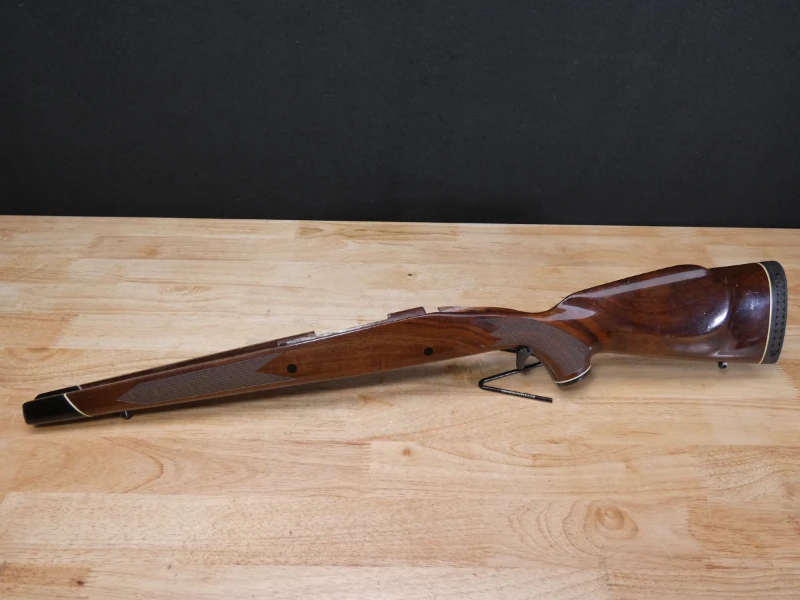
Within the Pre-64 generation, specific variants can dramatically increase worth. “Super Grade” models, with their enhanced wood grain and finishing touches, and lightweight “Featherweight” configurations are particularly desirable. Furthermore, rifles chambered in rarer or larger calibers can fetch substantial premiums over standard offerings like the .30-06 Springfield. For these models, originality is paramount; any non-factory modifications, such as drilling for new scope mounts, can severely diminish collector appeal and cut the potential value by as much as 50%, making authenticity a key driver of their market price.
Post-1964 Models (1964-1992)
In 1964, Winchester implemented significant design and manufacturing changes to the Model 70 to reduce production costs, resulting in rifles that are generally less valuable to collectors. The most notable change was the switch from the coveted controlled-round feed action to a simpler push-feed bolt design. While these Post-64 rifles are still highly regarded as durable and accurate hunting tools, they lack the fine craftsmanship and collector prestige of their predecessors. Consequently, they represent a more affordable entry point into Model 70 ownership, with values primarily based on their utility and physical condition rather than historical appeal.
The market value for standard Post-1964 Winchester Model 70s typically falls within the more accessible range of the used rifle market. These firearms are often valued between $500 and $950, depending heavily on their cosmetic condition, bore quality, and caliber. While they do not attract the same high-dollar offers as the Pre-64 models, their reputation as reliable workhorse rifles ensures they remain popular among hunters and shooters. Their value is less about collectibility and more about providing a robust and proven platform for field use, a role they continue to fill effectively decades after their production.
“Classic” Models (Post-1992)
Beginning in the early 1990s, Winchester responded to consumer demand by reintroducing many of the features that made the original Pre-64 rifles so famous. This “Classic” line of Model 70s brought back the controlled-round feed action, once again appealing to shooters who valued its reliability and smooth cycling. These rifles effectively bridge the gap between the less-desirable Post-64 push-feed models and the highly collectible originals. Their value is bolstered by this return to form, making them a popular choice for those seeking classic design elements combined with more modern manufacturing consistency and materials.
In the used market, the “Classic” series holds a distinct position. They are generally valued more highly than the 1964-1992 push-feed rifles but do not typically reach the premium prices commanded by pristine, original Pre-64 examples. Their worth is largely determined by their excellent condition, specific configuration, and caliber. For many buyers, these rifles offer the ideal balance of performance, tradition, and price, providing the functional benefits of the controlled-round feed system without the significant financial investment required for a true collector-grade Pre-64 firearm, a trend that will hold steady through 2026.
Modern Production Models
Current-production Winchester Model 70s, manufactured in South Carolina and assembled in Portugal, benefit from contemporary CNC machining and quality control standards. These modern rifles maintain the legacy of the Model 70 design while incorporating updated materials and finishes, such as Cerakote coatings and advanced synthetic stocks. As they are readily available new, their used value is not driven by rarity or collector status but almost entirely by their physical condition, caliber, and specific features. They are judged as functional sporting instruments, and their price reflects their utility and remaining service life rather than any historical significance.
The price for a used modern-production Winchester Model 70 averages around $943 but can fluctuate based on its specific features and condition. A standard model might sell for under $1,000, while more specialized configurations, such as those chambered in .300 WSM or featuring premium stocks and finishes, can approach or exceed $1,200. These rifles appeal to practical buyers who want the proven Model 70 action in a contemporary package. Their value is a direct reflection of the current new market, with used prices offering a modest discount compared to the Manufacturer’s Suggested Retail Price.
How Modifications Affect Value
Modifications can have a polarizing effect on the value of a Winchester Model 70, particularly for collectible Pre-64 models. Any alteration that is not period-correct or easily reversible is likely to decrease its worth significantly. For example, installing an aftermarket trigger or drilling and tapping the receiver for non-factory scope mounts can diminish collector appeal, as purists prize originality above all else. Such irreversible changes can potentially cut the value of a collectible rifle by as much as 50%. It is highly advisable to retain all original parts, as including them with the sale can help mitigate some of the value loss.
Conversely, some modifications can add utility without harming, and in some cases, even enhancing value if done correctly. For modern, shooter-grade Model 70s, adding a quality scope from a reputable brand like Nightforce primarily adds its own secondhand worth to the overall package. For Pre-64 rifles, adding period-correct sights, such as those made by Lyman, may be acceptable to collectors, provided no permanent alterations like drilling are made to the firearm. The golden rule remains: reversible enhancements are generally safe, while permanent changes almost always hurt the investment potential of a classic firearm.
Regional Price Variations in 2026
The Winchester Model 70’s value is less susceptible to dramatic regional price variations compared to other firearms, primarily due to its legal status. As a manually operated bolt-action rifle, it does not fall under the “assault weapon” definitions that heavily restrict firearms in states like California and New York. This broad legality ensures a consistent national market, where demand is driven more by hunting seasons and collector interest than by localized legislative landscapes. As a result, the base value of a Model 70 remains relatively stable across state lines, with condition and model year being the primary determinants of price.
While the rifle itself is widely legal, state-specific transaction laws can indirectly influence local market dynamics. In states with strict private sale regulations, such as California, all transfers must be processed through a licensed firearms dealer (FFL). This requirement adds transaction costs, paperwork, and waiting periods, which can make local private sales less appealing or slightly more expensive to compensate for the hassle. In contrast, states with fewer restrictions on private sales may see a more fluid and competitive local market, though the core value of the rifle itself remains largely consistent with national trends.
Online vs Local Sales
When selling a Winchester Model 70, owners must weigh the trade-offs between online and local sales channels. Selling to a local gun dealer offers speed and convenience, but typically at a lower price. Dealers will generally offer between 50% and 70% of the rifle’s true market value, factoring in their overhead and the time it will take to resell the firearm. A private local sale can yield a higher return, but it requires the seller to find a buyer, navigate state laws, and potentially create a bill of sale for their records.
Selling online opens up a national market of potential buyers, which can lead to a faster sale at a higher price, but it comes with strict legal requirements. Under federal law, any firearm sold to a resident of another state must be shipped to a Federal Firearms Licensee (FFL) in the buyer’s state. The buyer then completes the necessary background check and paperwork at their local FFL to legally take possession of the rifle. Direct transfers between unlicensed individuals across state lines are strictly prohibited, making the FFL network essential for legal interstate commerce.
The logistics of shipping a firearm also add complexity to online sales. A private seller must declare to the carrier, such as UPS or FedEx, that the package contains a firearm. However, these carriers have highly restrictive corporate policies that often require the shipper to be a licensed dealer with a specific shipping agreement. The rifle must be unloaded and packaged discreetly with no external markings indicating its contents. An adult signature is required upon delivery to the receiving FFL, ensuring the firearm is transferred securely and in compliance with regulations.
The FFL Buying Advantage
From a seller’s perspective, utilizing a Federal Firearms Licensee (FFL) for transactions offers a significant advantage in legal protection and peace of mind. When you sell your Winchester Model 70 through an FFL, whether on consignment or as part of an online sale transfer, the dealer assumes the responsibility of verifying the buyer’s eligibility. The FFL will conduct the mandatory background check and ensure all state and federal paperwork is completed correctly. This professional handling of the transfer creates a clear, legal record of the sale and shields you from potential liability down the line.
For any sale that crosses state lines, using an FFL is not just an advantage—it is a federal legal requirement. This rule ensures that every firearm transferred interstate is processed according to the laws of the buyer’s home state. By shipping the rifle to the buyer’s chosen FFL, you guarantee a compliant transaction that protects both you and the purchaser. This system, while adding a step to the process, is the cornerstone of responsible and legal firearm sales, providing a secure framework that prevents firearms from being transferred to prohibited individuals and documents the change of possession.
What Increases Your Offer
A thorough and proper pre-sale cleaning can significantly enhance the presentation of your Winchester Model 70 and lead to better offers. Before starting, always confirm the rifle is completely unloaded by visually and physically inspecting the chamber and magazine. Clean the bore from the breech end towards the muzzle using a quality bore cleaner and patches until they emerge clean. Afterward, wipe down all exterior metal surfaces with a lightly oiled cloth to protect the finish and give it a well-maintained appearance. Be careful to avoid getting solvents on the wood stock, which should be wiped down separately.
High-quality photography is arguably the most critical element for attracting strong offers in an online sale. Use diffused natural light, such as on an overcast day or near dawn or dusk, to prevent harsh glare and shadows. Place the rifle against a simple, uncluttered background to ensure it is the sole focus. Using a tripod is essential for achieving sharp, clear images. Capture multiple photos from various angles, including close-ups of the action, manufacturer markings, serial number, and any notable wear or imperfections to represent the rifle’s condition honestly and comprehensively.
Beyond presentation, completeness and documentation can boost your rifle’s value. If any modifications have been made, including the original parts with the sale is crucial, especially for collectible models, as it allows the new owner to restore it to its factory configuration. While a high round count is not a major concern for most buyers of a durable rifle like the Model 70, providing a documented history of regular maintenance can reassure potential buyers of its condition. The primary focus remains on its physical state and originality, which are far more critical to preserving its worth.
When to Sell Your Winchester model 70
Understanding market seasonality can help you maximize the return on your Winchester Model 70. General trends in the firearm market suggest that one of the most opportune times to sell is during tax refund season, which typically runs from February through April. During this period, many potential buyers have more disposable income, leading to increased demand and a greater willingness to purchase. Listing your rifle during this window can result in a quicker sale and potentially a higher final price as more buyers are actively looking to make purchases.
Conversely, certain times of the year are often slower for the used firearm market. The summer months can see a dip in sales as people’s attention and budgets shift towards vacations and outdoor activities other than hunting or shooting. Similarly, the period around Black Friday and immediately after the major holidays can be challenging for private sellers, as buyers are often focused on retail sales or recovering from holiday spending. Avoiding these slower periods can prevent your listing from stagnating and reduce the temptation to lower your price due to a lack of interest.
While bolt-action rifles like the Model 70 are less susceptible to the politically driven panic-buying that affects semi-automatic firearms, the broader market climate still plays a role. Periods of heightened discussion around firearm legislation can spur overall interest in gun ownership, creating windows of increased market activity. A savvy seller should pay attention to both seasonal consumer spending habits and the general market sentiment to strategically time their sale for the best possible outcome, ensuring their rifle is listed when buyer engagement is at its peak.
Common Pricing Mistakes
One of the most frequent pricing errors is failing to correctly identify the rifle’s specific generation and variant. Many owners are unaware of the significant value gap between a standard Post-64 model and a collectible Pre-1964 “Super Grade.” Without proper research or an appraisal for potentially rare models, a seller might drastically undervalue a family heirloom worth thousands, or conversely, ask an unrealistic price for a common shooter-grade rifle. For any Model 70 that could be a Pre-64 or other rare variant, seeking a professional appraisal is a worthwhile investment.
Another common mistake is overestimating the value of personal modifications. While an upgraded trigger or a custom stock may have improved the rifle’s performance for the owner, these changes often decrease its resale value, particularly to collectors who prioritize factory originality. Sellers should not expect to recoup the full cost of aftermarket parts. To maximize the rifle’s appeal and value, it is always best to retain the original components and, if possible, reinstall them before listing the firearm for sale, offering the aftermarket parts separately.
Misrepresenting or poorly assessing the rifle’s physical condition is another pitfall. Since the market lacks a standardized formula for deducting value for cosmetic damage, sellers must be objective and transparent. Overlooking significant dings in the stock or wear on the bluing can lead to disputes with buyers, while being overly critical of minor handling marks on a field rifle might cause you to price it too low. Providing clear, high-resolution photos of any imperfections allows potential buyers to make their own informed assessment and builds trust in the seller.
Market Outlook for 2026
Looking ahead to 2026, the market for new Winchester Model 70 rifles is expected to remain strong, which will provide a stable foundation for used values. Projections indicate that a new base model featuring a classic walnut stock will likely have a starting price of approximately $1,100. This price point for new rifles serves as a crucial benchmark for the pre-owned market, ensuring that well-maintained used models retain a healthy percentage of their original value, especially those that offer the same timeless appeal and functionality at a more accessible price.
For more specialized configurations, prices are anticipated to climb higher. New models equipped with modern features like synthetic stocks and durable Cerakote finishes, particularly those chambered in popular magnum calibers, are predicted to fall within the $1,450 to $1,600 range. Furthermore, long-range precision variants are expected to approach or exceed $1,800. This pricing structure for new rifles suggests that the used market for modern, feature-rich Model 70s will also remain robust, as buyers seek value in lightly used examples that offer these desirable upgrades without the full retail price tag.
Frequently Asked Questions
Does a high round count hurt my Model 70’s value?
For a standard production Winchester Model 70, a high round count does not significantly lower its value. Unlike some firearms where round count is a primary concern, the Model 70’s valuation is based more on its overall physical condition, proper maintenance, and whether it is a rare or collectible edition. Once a rifle is no longer new-in-box, it is considered “used,” and most buyers are more concerned with the state of the bore, the action’s smoothness, and the external finish than a specific number of rounds fired. Proper care is far more critical to preserving its worth.
Should I get my Winchester Model 70 professionally appraised?
A professional appraisal is highly recommended if you suspect your firearm is a pre-1964 model, a rare variant like a “Super Grade,” or is in exceptional original condition. These factors can elevate its value to $3,000 or more, justifying the cost of an expert assessment. However, for a typical, standard used Model 70, an appraisal may not be worth the expense, as the value of such rifles generally falls within a more predictable range of $500 to $950. Free online resources can help you first identify features that might warrant a formal appraisal.
Will removing the original stock for an aftermarket one lower the price?
Yes, replacing the original stock on a Winchester Model 70, especially a collectible pre-1964 model, will almost certainly decrease its value to collectors and purists. Originality is a key component of a classic firearm’s worth, and non-factory parts are heavily penalized. While a modern synthetic stock may improve ergonomics for a field rifle, it detracts from its investment value. To preserve the maximum potential resale price, it is crucial to keep the original stock and include it with the sale, allowing the next owner to restore the rifle to its factory configuration.
Is a “Pre-64” Model 70 really worth that much more?
Absolutely. The primary value distinction for the Winchester Model 70 lies in its production era, and “Pre-64” models command the highest values for several reasons. They are renowned for their superior build quality, featuring the iconic controlled-round feed action that is prized for its reliability. This reputation, combined with their historical significance and strong collector demand, consistently places them at the higher end of the value spectrum. It is not uncommon for these rifles to be worth two, three, or even more times the value of a comparable post-1964 model.
How much less will a gun dealer offer me compared to a private sale?
When selling to a gun dealer, you should expect to be offered between 50% and 70% of the Winchester Model 70’s current market value. This lower offer accounts for the dealer’s business costs, including overhead, inventory risk, and the need to make a profit upon resale. The final percentage depends on the specific dealer, the rifle’s condition, its desirability, and how quickly they believe they can sell it. While you sacrifice some potential profit, you gain the significant advantages of an immediate, guaranteed cash sale and freedom from the complexities of a private transaction.
Get a Cash Offer Today
Ready to sell your Winchester Model 70? We make the process simple and secure. Submit details about your firearm, and our experts will provide a fair, competitive cash offer based on its specific model, condition, and the current market. Skip the hassle of private listings and get paid quickly.
Our streamlined process is fully compliant with all federal and state regulations, ensuring a safe and legal transfer. Let us handle the complexities so you can have a straightforward and satisfying selling experience. Click here to begin and discover what your rifle is truly worth today.