
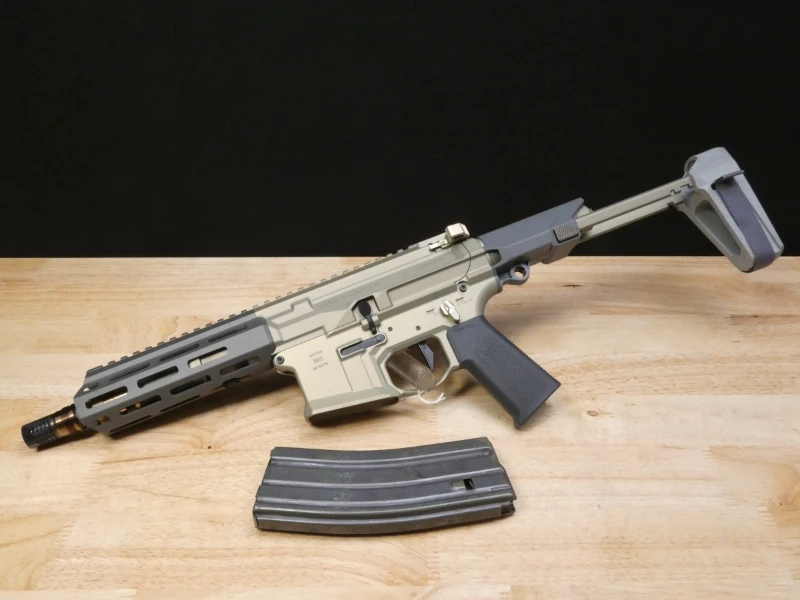
The AR-15 stands as one of America’s most popular rifles, known for its modularity and versatility. Its value is determined by a combination of factors including manufacturer, condition, component quality, and prevailing market demand. Understanding these elements is crucial for any owner looking to sell. This guide provides a detailed analysis of the AR-15’s resale value, covering everything from modifications and legal requirements to market trends, ensuring you can accurately price your firearm for a successful sale.
What Determines Your AR-15’s Worth
The value of an AR-15 is primarily influenced by its manufacturer, overall condition, and the quality of its components. A high round count can lower the price, but this factor is often less significant than the brand and condition, as key wearable parts like the barrel and bolt can be replaced. The rifle’s legal classification also plays a role; a standard semi-automatic rifle with a 16-inch barrel is common, whereas NFA-regulated configurations like short-barreled rifles (SBRs) or those with suppressors occupy a different, more complex market. For most common models, a professional appraisal is not cost-effective, as their value is well-established within a range of approximately $350 to $750.
2026 Price Breakdown by Generation
Entry-Level Models
While the AR-15 platform doesn’t follow traditional generational updates, its value is best understood through pricing tiers based on component quality and brand reputation. The entry-level tier includes basic, functional rifles ideal for new owners. New, these models can be found for as low as $400, though a more typical range is $400 to $800. In the used market, these firearms often represent the most accessible options, with an average price of around $429. Sellers should expect these rifles to appeal to budget-conscious buyers who prioritize function over premium features or brand recognition, making them a high-volume segment of the market.
When selling an entry-level AR-15, condition and functionality are paramount. A well-maintained, clean rifle will always fetch a better price, even in this lower-cost tier. While some heavily used examples can be found for as low as $300, a firearm in good working order can reasonably command a price between $400 and $800 on the private market. It’s important to set realistic expectations, as this category is saturated with new, competitively priced alternatives. Highlighting reliability and any included basic accessories can help your firearm stand out from other listings in this popular and accessible price range.
Mid-Tier Workhorses
The mid-tier category represents the sweet spot for many enthusiasts, offering a significant step up in quality, reliability, and features without reaching the premium price point. These rifles, typically costing between $800 and $1,500 new, are built by reputable manufacturers using higher-grade materials and components. A prime example is the Springfield Armory SAINT, with an MSRP around $1,023, which offers a quality build that many users seek. These models are often seen as dependable “workhorse” rifles suitable for a wide range of applications, from home defense to recreational shooting, and they tend to hold their value reasonably well in the used market.
When selling a mid-tier AR-15, you are appealing to a more discerning buyer who understands the difference between basic and quality components. The used price for these rifles will depend heavily on the brand, condition, and any desirable factory features. While a dealer might offer 50-65% of its market value, a private sale can yield a higher return, especially if the rifle is a popular model known for its durability. Emphasizing the upgraded components, brand reputation, and meticulous maintenance records will be key to securing a price that reflects the firearm’s superior quality compared to entry-level options.
High-End & Boutique Builds
High-end AR-15s, which can range from $1,500 to over $3,000 when new, are defined by their premium components, precision manufacturing, and top-tier brand names. These rifles are built for exceptional performance, often featuring match-grade barrels, advanced trigger systems, and superior materials throughout. In the used market, these firearms appeal to serious enthusiasts, competitors, and collectors who are willing to pay a premium for proven quality and performance. While they command a higher price, their value is closely tied to the brand’s reputation and the specific configuration, as custom builds can have a more niche appeal than factory-stock premium models.
Selling a high-end AR-15 requires a different approach than with lower-tier models. The potential buyer is knowledgeable and will scrutinize every detail. Factory-stock rifles from renowned manufacturers often retain their value better than heavily customized ones, as buyers trust the original engineering. Documenting the rifle’s specifications, round count, and any professional gunsmithing work is crucial. For certain rare or pre-ban models, such as a Colt made before 1994, a professional appraisal could be beneficial, as these specific firearms can appreciate in value over time and attract dedicated collectors willing to pay a significant premium for their unique status and history.
Custom & Competition Rifles
Custom and competition-built AR-15s occupy a specialized segment of the market where value is highly subjective. These firearms are often assembled with a specific purpose in mind, using a mix of parts from various manufacturers to achieve peak performance in disciplines like 3-Gun or precision shooting. While the initial investment in these rifles can be substantial, often exceeding $2,500, their resale value does not always reflect the total cost of the components. The market for such highly personalized firearms is smaller, and a buyer must share the seller’s vision for the build to be willing to pay a premium price for it.
To maximize the return on a custom-built AR-15, it is often recommended to sell aftermarket components separately. Reinstalling the original factory parts before listing the rifle can broaden its appeal to a larger audience. When selling the complete custom package, it is essential to provide a detailed list of every component, from the trigger and barrel to the optic and stock. High-quality photographs and a transparent history of the rifle’s use and performance can help justify the asking price to a niche audience of experienced shooters who can appreciate the specific combination of high-performance parts and expert assembly.
How Modifications Affect Value
Modifications can have a significant, and often unpredictable, impact on an AR-15’s resale value. The most consistent value-adding upgrades are high-quality optics from reputable brands. Sights from manufacturers like Trijicon, Aimpoint, and EOTech are highly sought after and can substantially increase the rifle’s asking price. Mid-tier options from brands such as Vortex, Sig Sauer, or Holosun also add value by providing a significant improvement over standard iron sights, making the firearm a more attractive package for prospective buyers. These well-regarded optics are recognized for their quality and durability, making them a safe investment that can be recouped during a sale.
Conversely, many other aftermarket parts, such as triggers, grips, or custom furniture, generally do not increase resale value and can sometimes lower it. Buyers often have their own preferences and may not value the specific upgrades you have chosen. Because of this, it is a widely accepted practice to remove aftermarket components and reinstall the original factory parts before selling the rifle. The upgraded parts can then be sold separately, which typically allows the seller to recover a much larger portion of their initial investment than if they were included with the firearm, where their value is often discounted or overlooked entirely.
Regional Price Variations in 2026
The value and legality of an AR-15 can vary dramatically depending on state laws, creating distinct regional markets. In states with heavy restrictions like California and New York, AR-15 style rifles are classified as “assault weapons” and are subject to stringent regulations. To be legally compliant, these rifles must be configured in a “featureless” format, which removes features like a pistol grip, or have a “fixed magazine” that cannot be easily detached. These modifications, while necessary for legal ownership in those states, can make the rifles less desirable and potentially lower their value in less restrictive markets across the country.
These state-specific laws create a bifurcated market. A “featureless” or “fixed magazine” AR-15 may be valuable to a buyer in California or New York, but a buyer in a state with no such restrictions would likely pay less for a rifle with these compliance features. California law also specifically bans certain AR-15 models by name, further complicating their value and transferability. Consequently, sellers in restrictive states must target a local audience or be prepared to modify the rifle back to a standard configuration to appeal to a national market, which may involve additional costs and legal considerations for shipping and transfer.
Online vs Local Sales
Selling an AR-15 online opens up a nationwide market of potential buyers but comes with strict legal requirements. To legally sell any firearm across state lines, the seller must ship the weapon to a Federal Firearms Licensee (FFL) located in the buyer’s state of residence. This applies to both private transactions and commercial sales. The buyer must then visit the FFL, complete all required federal and state paperwork, and pass a background check before they can legally take possession of the rifle. This process ensures the transfer is compliant with all applicable laws but adds logistical steps and potential transfer fees for the buyer.
Private sellers face additional hurdles when it comes to shipping. Major carriers like UPS and FedEx generally prohibit private individuals from directly shipping firearms; they require the shipper to hold an FFL and have a specific shipping agreement. To comply, a private seller must typically use their local FFL to handle the shipment on their behalf. According to federal law, the carrier must be notified that the package contains a firearm, but the exterior of the box should have no indicative markings. This contrasts with local, in-state sales, which may have simpler requirements depending on state law, though many states now mandate private sales go through an FFL.
While federal law does not require a bill of sale for private firearm transactions between residents of the same state, creating one is a highly recommended practice. A comprehensive bill of sale serves as a crucial record of the transaction for both parties. It should include the full names and contact information of the buyer and seller, detailed information about the firearm—including its make, model, and serial number—and the date and terms of the sale. This document can provide legal protection and proof of ownership transfer, which is valuable in any future inquiries about the firearm’s history or legal status.
The FFL Buying Advantage
Selling your AR-15 to a Federal Firearms Licensee, such as a local gun store, offers a fast, secure, and legally straightforward transaction. The primary advantage is convenience; the dealer handles all the necessary paperwork, eliminating any concerns about the legality of the sale or the buyer’s eligibility. This process provides the seller with immediate payment and peace of mind, knowing the firearm has been properly transferred out of their name. However, this convenience comes at a cost, as dealers must account for their own overhead and profit margins when purchasing used firearms for their inventory.
Typically, a gun dealer will offer between 50% and 65% of the current market value for a used AR-15. This offer can fluctuate based on several factors. If the rifle is a high-demand model or in pristine condition, a dealer might offer up to 70%. Conversely, if the dealer already has a large inventory of similar new or used rifles, the offer could be as low as 50%. While this is less than what might be achieved through a private sale, it represents a guaranteed, hassle-free price without the risks and complexities of finding a private buyer and navigating transfer laws.
What Increases Your Offer
To maximize the offer you receive for your AR-15, presentation and completeness are essential. A thorough pre-sale cleaning is the first step. Detailing the entire firearm, with a specific focus on the bolt carrier group (BCG), chamber, gas tube, and barrel, demonstrates that the rifle has been well-maintained. Use AR-15 specific solvents and proper tools to avoid damaging the finish or components. Over-lubricating is a common mistake that can attract dirt and should be avoided. A clean, properly maintained firearm is always more appealing to a potential buyer and signals a higher level of care and value.
Effective photography is crucial for attracting interest, especially in online listings. Use bright, diffused natural light and a simple, uncluttered background to make the firearm the sole focus. Capture high-resolution images from multiple angles, including close-ups of any markings, modifications, or signs of wear. Ensure the action is closed and any safety devices are removed for the photos. Presenting the rifle in this professional manner not only showcases its condition but also builds trust with potential buyers, leading to better offers. A well-photographed rifle will always stand out from poorly lit, low-resolution images in a competitive marketplace.
While there is no industry-standard financial penalty for missing parts, presenting the AR-15 with all its original components and accessories significantly increases its appeal. This includes the original box, manual, magazines, and any factory-installed parts that were replaced by aftermarket upgrades. A complete package suggests a well-cared-for firearm and simplifies the purchasing decision for the buyer. While the market consensus on the exact value of original parts is not defined, their inclusion is universally seen as a positive attribute that can help you negotiate a higher final price and facilitate a quicker, more successful sale.
When to Sell Your ar 15
Timing the sale of your AR-15 can influence both the speed of the sale and the final price you receive. The firearms market experiences distinct seasonal trends. Generally, sales for rifles like the AR-15 and various handguns tend to be strong during the early spring. This period often coincides with consumers receiving tax refunds, which can increase their disposable income for discretionary purchases. This seasonal demand can lead to a more competitive market for sellers, potentially resulting in quicker sales and more favorable offers from a larger pool of interested and financially prepared buyers.
Another peak selling season occurs from mid-November through mid-January. During this time, buyers may be using holiday money or year-end bonuses to make purchases. This end-of-year demand can create another excellent opportunity to list your firearm. Conversely, the summer months and the period immediately preceding the Christmas holidays are often considered slower times for firearm sales. Listing your AR-15 during these slower periods may result in it sitting on the market for longer or requiring a more competitive price point to attract the attention of the fewer active buyers in the market.
While these general trends apply to many firearms, it’s worth noting that different types of firearms have their own peak seasons. For instance, hunting rifles see the highest demand in the months leading up to and during the fall hunting season. Although the AR-15 is a versatile, general-purpose rifle, its sales patterns align more closely with those of other modern sporting rifles and handguns rather than seasonal hunting firearms. By understanding these market dynamics, you can strategically time your sale to align with periods of peak consumer interest and purchasing power, thereby maximizing your potential return.
Common Pricing Mistakes
One of the most frequent mistakes sellers make is overvaluing a common, factory-stock AR-15. The market is saturated with these models, and their values are well-established and relatively low, typically ranging from $350 to $750 in the used market. Unless the rifle is a rare or pre-ban model, it is unlikely to have appreciated in value. Sellers should research current market prices for their specific make and model on various online platforms and local listings to set a realistic and competitive asking price, rather than basing it on the original purchase price or sentimental attachment.
Another common error is expecting to recoup the full cost of aftermarket modifications. While a high-end optic can add value, most other upgrades, like custom triggers or furniture, are highly subjective and often do not increase the rifle’s resale price. In fact, some modifications can deter buyers who prefer a factory configuration or have different preferences. To maximize your return, it is almost always better to reinstall the original parts and sell the aftermarket components separately. This strategy appeals to a broader range of buyers for the rifle and allows you to target specific buyers for the upgraded parts.
Misjudging the impact of cosmetic damage is also a frequent pricing pitfall. While there is no standardized financial penalty for cosmetic wear, sellers should be realistic about how scratches, dings, or finish wear affect a buyer’s perception of value. It is essential to be transparent about any cosmetic imperfections and to document them clearly in photographs. Attempting to hide blemishes or pricing the rifle as if it were in pristine condition will only deter knowledgeable buyers. A fair price reflects the rifle’s true condition, and honesty in the listing will build trust and lead to a smoother transaction.
Market Outlook for 2026
Looking ahead to 2026, the AR-15 market is projected to remain highly competitive and segmented by distinct pricing tiers. Entry-level rifles are expected to be priced in the $499 to $699 range, continuing their role as the accessible entry point for new owners. These models will likely see continued innovation focused on cost-effective manufacturing without sacrificing core reliability. This segment’s stability is crucial for the overall health of the market, as it provides a constant influx of new enthusiasts to the platform, ensuring its continued popularity and relevance in the firearms community for years to come.
Mid-tier models are forecasted to occupy the $800 to $1,200 price bracket, serving the large base of consumers seeking a balance of quality, features, and value. Top-tier AR-15s are estimated to command prices between $1,500 and $2,500 or more, catering to discerning buyers who demand premium performance and craftsmanship. The overall market for AR-15 series rifles is projected to expand significantly, with a forecasted compound annual growth rate of 8.7% between 2024 and 2032. This indicates robust and sustained demand, suggesting a healthy and dynamic resale market for sellers in the coming years across all tiers.
Frequently Asked Questions
Is a professional appraisal worth the cost for my AR-15?
For a standard, common brand of used AR-15, a professional appraisal is likely not worth the cost. The market for these rifles is saturated, and their values are relatively well-documented, typically falling within the $350 to $750 range depending on brand and condition. However, an appraisal could be highly beneficial for rare or pre-ban models, such as those manufactured by Colt before 1994. These specific firearms can appreciate in value and attract collectors, making an expert valuation a useful tool to ensure you are asking for and receiving a fair, market-correct price for a more unique and valuable asset.
How much does a high round count really affect the price?
A high round count generally lowers the value of an AR-15, but its impact is often less significant than other factors like the manufacturer’s reputation, overall physical condition, and current market demand. While an exceptionally high round count can be a deterrent, the AR-15’s modular design means that wearable components like the barrel and bolt can be easily replaced. Therefore, the specific condition of these critical parts is often more important to a knowledgeable buyer than the total number of rounds fired through the receiver itself, making it a secondary consideration in the overall valuation.
Will I get more money selling to a dealer or through a private sale?
You will almost always get more money for your AR-15 through a private sale. Gun dealers typically offer between 50% and 65% of the firearm’s market value, as they need to cover overhead and make a profit on the resale. While a private sale can yield a higher price, it also requires more effort and responsibility from the seller, including navigating legal transfer requirements, finding a trustworthy buyer, and arranging the transaction. Selling to a dealer offers convenience and a guaranteed, immediate sale, but at the cost of a lower financial return compared to the private market.
Does adding a high-end optic increase my rifle’s value?
Yes, adding a high-quality optic from a reputable brand is one of the few modifications that consistently adds tangible resale value to an AR-15. Optics from respected manufacturers such as Aimpoint, EOTech, and Trijicon are highly sought after and can significantly increase the appeal and asking price of your rifle package. Even popular mid-tier options from brands like Vortex or Sig Sauer can boost value, as they represent a substantial upgrade over basic iron sights. Buyers recognize the quality and cost of these components, making them more willing to pay a premium for a rifle that comes already equipped.
Does having a ‘pre-ban’ model make my AR-15 more valuable?
Yes, owning a “pre-ban” AR-15, particularly one manufactured before the 1994 Federal Assault Weapons Ban, can significantly increase its value, especially in states with ongoing restrictions. These rifles, often made by manufacturers like Colt, are desirable to collectors and residents of certain states where they may be legal to own while post-ban models are not. Their scarcity and historical significance create a niche market where they can command a premium price. For these specific models, seeking a professional appraisal is often a wise decision to accurately determine their heightened market value before listing them for sale.
Get a Cash Offer Today
Ready to sell your AR-15? We make the process simple, safe, and fair. Avoid the hassle of private listings and legal complexities. Click here to submit your firearm’s information and our team of experts will provide you with a competitive, no-obligation cash offer based on its true market value.
Our streamlined system ensures you get paid quickly and that the transfer is handled professionally and in full compliance with all federal and state laws. Turn your used firearm into cash today with a partner you can trust. Get started now and see what your AR-15 is worth.