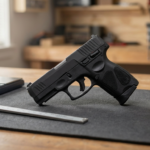

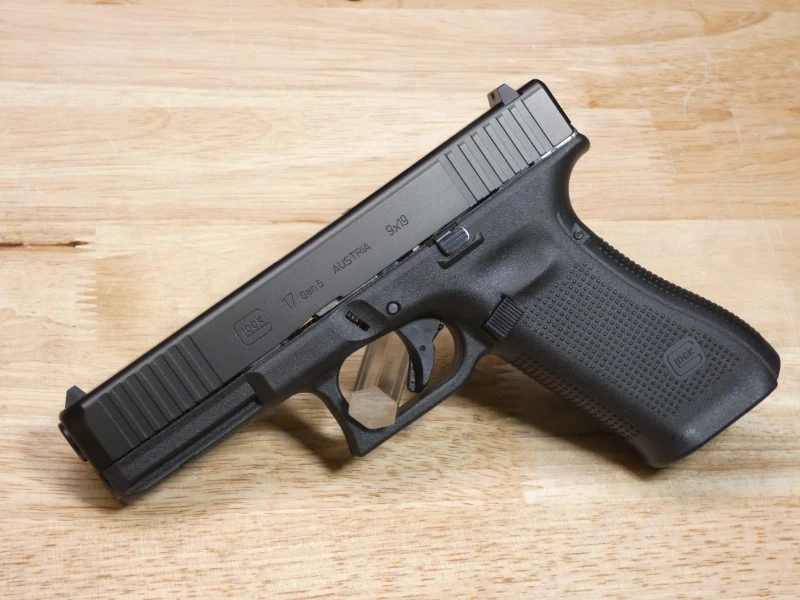
The Glock 17 stands as a benchmark in the world of firearms, a full-size service pistol renowned for its unwavering reliability and simplicity. Classified as a semi-automatic handgun, it was originally designed for military and law enforcement professionals but has since become a favorite among civilian shooters for sport and self-defense. Understanding the key factors that determine its resale value is crucial for any owner looking to sell, ensuring a fair and efficient transaction in a competitive market.
What Determines Your Glock 17’s Worth
Several key factors determine the market value of a used Glock 17, with the firearm’s generation being one of the most significant. Newer generations, like the Gen 5, typically command higher prices than older ones, such as the Gen 3 or Gen 4. Condition is paramount; a pistol with minimal wear will always be worth more than one showing signs of heavy use. Furthermore, completeness plays a vital role. A Glock 17 sold with its original case, manuals, and multiple magazines can see its value increase by $30 to $50, as buyers prioritize a full set that speaks to the firearm’s history and care.
2026 Price Breakdown by Generation
Generation 1
The first-generation Glock 17 has transitioned from a simple service weapon into a legitimate collector’s item. Unlike its successors, its value is driven less by utility and more by rarity and historical significance. A pristine “Tupperware” box Gen 1 with all matching serial numbers and original accessories can command a high premium, often exceeding the price of a brand-new Gen 5. For collectors, originality is everything; any modifications or excessive wear can significantly diminish its value, making well-preserved examples the most sought-after models on the market. In 2026, these will continue to appreciate for discerning collectors.
When assessing a Gen 1 Glock 17, potential buyers will scrutinize its condition, the pebble-grain texture of the frame, and the originality of its parts. The market for these early models is niche, and its value is highly dependent on finding the right buyer who appreciates its place in firearms history. While a standard used Glock’s value is easy to determine, a Gen 1 requires more careful evaluation, often benefiting from a detailed history and documentation to achieve its maximum potential price among enthusiasts who value its unique provenance over modern features.
Generation 2
The Glock 17 Gen 2 introduced subtle but important changes, such as integrated checkering on the front and backstraps, which improved grip and handling. While not as rare as the Gen 1, the Gen 2 holds a unique place for enthusiasts as it represents the first evolution of the iconic design. Its value in 2026 will position it as a functional piece of Glock history, appealing to those who appreciate the classic design but want slightly more modern ergonomics. It typically fetches a price slightly above a standard Gen 3 but remains more accessible than a collector-grade Gen 1.
For the modern shooter, the Gen 2 lacks features like an accessory rail, which limits its utility compared to later generations. This often places it in a category for purists or budget-conscious buyers who prioritize Glock’s core reliability over modern modularity. Its value is therefore stable but unlikely to see the sharp appreciation of the Gen 1. A clean, well-maintained Gen 2 will always find a buyer, but its price point will reflect its status as a capable but technologically dated service pistol in the ever-evolving handgun market.
Generation 3
The Glock 17 Gen 3 remains one of the most popular and widely available models, largely due to its long production run and its inclusion on state-approved handgun rosters, such as in California. This sustained demand keeps its value remarkably stable, with used examples typically selling in the $330 to $450 range depending on condition. For 2026, the Gen 3 is projected to remain a top choice for budget-conscious buyers and those in restrictive states, with prices for older models hovering around the $350 mark, solidifying its reputation as a reliable and accessible workhorse.
The introduction of the “universal Glock rail” and finger grooves on the Gen 3 frame made it a significant upgrade over its predecessors, offering enhanced ergonomics and the ability to mount accessories. This combination of features, reliability, and widespread availability ensures its continued relevance. While it may not have the latest technology of a Gen 5, its proven track record and vast aftermarket support mean it will hold its value well, representing a safe and dependable asset for any owner looking to sell in the coming years.
Generation 4
The Glock 17 Gen 4 introduced significant upgrades, including the modular backstrap system and a dual recoil spring assembly, which reduced felt recoil. These enhancements make it a popular choice on the used market, often positioned between the Gen 3 and Gen 5 in terms of price. A used Gen 4 can typically be found for between $335 and $500, sometimes slightly cheaper than a comparable Gen 5. By 2026, the Gen 4 will represent a fantastic value proposition, offering modern features at a price point that is highly attractive to a wide range of buyers.
As a balanced option, the Gen 4 appeals to shooters who want modern features without paying the premium for the newest model. Its value is well-established, and its performance is on par with more recent iterations for the vast majority of users. While the release of a new generation could slightly depress its value, the Gen 4’s solid feature set and reputation for reliability will ensure it remains a desirable and liquid asset, holding its value steadily in the competitive second-hand pistol market for the foreseeable future.
How Modifications Affect Value
When it comes to increasing the resale value of a Glock 17, functional upgrades are king. The most widely recognized value-adding modification is the installation of high-quality night sights from reputable brands. Sights from Trijicon, TruGlo, or AmeriGlo are consistently favored by buyers and can make a firearm more appealing than one with standard factory sights. Models like the Trijicon HD XR or TruGlo TFX Pro are seen as practical, desirable enhancements that can directly translate to a higher selling price, as they improve the pistol’s performance in low-light conditions.
Conversely, subjective cosmetic modifications often fail to increase, and can even hurt, a Glock 17’s resale value. While there is no definitive market consensus on specific value-hurting mods, custom cerakote finishes or aggressive frame stippling are highly personal and may not appeal to a broad audience. A potential buyer might see these as fixes they need to undo. For this reason, it is highly recommended to include all original factory parts with a modified firearm. This provides the next owner with the option to revert the pistol to its stock configuration, adding value and peace of mind.
Regional Price Variations in 2026
State-level firearm regulations create significant regional price variations for the Glock 17, a trend expected to continue into 2026. In California, for example, the Glock 17 Gen 3 is the only version on the state’s Roster of Certified Handguns, making it the sole model legal for dealer sale. This restricted supply inflates demand, often causing used Gen 3s to sell for prices comparable to or even higher than newer generations in less-regulated states. Furthermore, all sales in California must adhere to a 10-round magazine capacity limit, which also influences the value of included accessories.
Similarly, New York imposes strict regulations, requiring a license to purchase and possess a handgun and mandating that the firearm be registered on that license. Like California, New York restricts magazine capacity to 10 rounds. These legal hurdles can impact local market prices, as the pool of eligible buyers is smaller and the process is more complex. In contrast, states with fewer restrictions will likely see prices align more closely with national averages, where the value is driven primarily by generation and condition rather than regulatory scarcity, creating a more competitive and fluid market.
Online vs Local Sales
Selling a Glock 17 locally through a private sale is governed by state law, as federal law does not mandate specific paperwork for transactions between residents of the same state. However, some states require that all private firearm sales be processed through a licensed dealer, which involves a background check. Even where not required, using a bill of sale is highly recommended to create a record of the transfer. This document should include the full details of the buyer and seller, the firearm’s information including its serial number, and the date of the transaction for legal protection.
Selling a Glock 17 online to a buyer in another state introduces federal regulations that must be strictly followed. It is illegal for a non-licensed individual to ship a handgun directly to another non-licensed individual across state lines. The firearm must be sent from a Federal Firearms License (FFL) holder in your state to an FFL holder in the buyer’s state. The buyer is then responsible for completing a federal background check and any state-specific paperwork at their designated FFL before they can legally take possession of the pistol.
The logistics of shipping a handgun have also become more complex. Recent policy changes by major carriers like UPS and FedEx prevent private, non-licensed individuals from directly shipping handguns. Therefore, you must use an FFL to handle the shipment. The dealer will ensure the Glock 17 is unloaded, packaged without any external markings indicating its contents, and shipped via an expedited service such as UPS Next Day Air or FedEx Priority Overnight. This process ensures compliance with both federal law and carrier policies, protecting both the seller and the buyer during the transaction.
The FFL Buying Advantage
When you sell a used Glock 17 to a gun dealer or FFL holder, you should anticipate an offer that is significantly lower than the private party market value. Dealers typically offer between 60% and 70% of what the pistol is worth in a private sale. For instance, a Glock 17 with an average private sale value of $434 might receive a trade-in or cash offer of around $282. Some dealers may offer as low as 50%, especially for common models, as they must account for their overhead, profit margin, and the time the gun might sit in their inventory.
Despite the lower cash offer, selling to an FFL provides distinct advantages in convenience and security. The transaction is immediate, eliminating the time and effort required to find a private buyer, negotiate a price, and arrange a meeting. Furthermore, selling to a dealer removes all legal liability from your shoulders. The FFL handles all the necessary paperwork and assumes ownership of the firearm legally and professionally. For many sellers, this peace of mind and the hassle-free nature of the sale are well worth the difference in price compared to a private transaction.
What Increases Your Offer
To maximize the offer for your Glock 17, presenting it as a complete and well-cared-for package is essential. Including the original factory case, manuals, and any included accessories can increase its value by approximately $30 to $50. While the original packaging is a significant plus for authenticity, many buyers place an even higher value on having multiple magazines. Presenting the firearm with all its original components demonstrates meticulous ownership and makes the pistol a more attractive, turn-key purchase for the next owner, which often translates directly into a higher price.
A thorough pre-sale cleaning is one of the most effective ways to increase your firearm’s value. Field strip the Glock 17 and meticulously clean the barrel, slide, and frame with a quality gun cleaner. Pay special attention to the slide rails, breech face, and bore, ensuring patches come out clean. A common error is over-lubrication; Glock recommends only a few small drops of oil on key points. Wiping away any excess presents a clean, professionally maintained firearm, signaling to potential buyers that the pistol has been well cared for and is in excellent working order.
High-quality photographs are non-negotiable for securing a top-dollar offer, especially in online sales. Use bright, indirect natural light against a simple, contrasting background to make the firearm the clear focus. After a thorough cleaning, take numerous sharp, focused pictures from multiple angles. Include close-ups of the serial number, any markings, and areas of wear to represent its condition honestly. Avoid using a harsh camera flash or distracting background effects. Clear, comprehensive photos build buyer confidence and can significantly impact the final sale price by accurately showcasing the pistol’s true condition.
When to Sell Your Glock 17
Timing the sale of your Glock 17 can have a noticeable impact on the final price and how quickly it sells. For handguns, the market often sees a surge in activity from January through May. This period aligns with tax refund season, when many consumers have more disposable income and are looking to make purchases. Listing your firearm during this window can increase its visibility to a larger pool of motivated buyers, potentially leading to a faster sale at a more favorable price point compared to other times of the year.
This seasonal trend for handguns differs from that of other firearm types. For example, the optimal time to sell a rifle is typically in the months leading up to hunting seasons, from late summer into early fall, when demand for long guns is at its peak. Understanding these distinct market cycles allows a seller to strategically list their Glock 17 when buyer interest is highest, rather than competing for attention during a season dominated by a different class of firearms. This targeted approach maximizes your chances of a successful and profitable sale.
Beyond predictable seasonal trends, it is crucial to be aware of non-seasonal market drivers. Political events, discussions of new legislation, or civil unrest can create sudden and significant spikes in demand for firearms like the Glock 17. While these events are unpredictable, they can create a seller’s market where prices rise and inventory moves quickly. An astute owner who monitors current events may be able to capitalize on these periods of heightened demand, though it requires a reactive and flexible selling strategy to take full advantage of the opportunity.
Common Pricing Mistakes
One of the most common pricing mistakes is misjudging the impact of a high round count. Glocks are legendary for their durability, and a well-maintained Glock 17 with 10,000 rounds through it may only lose $25 to $50 in value. Sellers often undervalue their pistol assuming the round count is a major deterrent, when in fact, the maintenance history is far more important to knowledgeable buyers. However, if that high round count is accompanied by obvious neglect, internal damage, or significant external wear, the value can plummet by 20-30% or more.
Another frequent error is attempting to recoup the full cost of personal modifications. While you may have spent hundreds on a custom trigger or a unique cerakote finish, these upgrades are subjective and rarely add dollar-for-dollar value to the resale price. Buyers often prefer a stock firearm they can customize themselves. Pricing your modified Glock 17 as if it were a stock model plus the full retail cost of its upgrades will likely result in it sitting on the market for an extended period without attracting serious offers.
Finally, paying for a professional appraisal on a standard-production Glock 17 is typically an unnecessary expense. An appraisal, which can cost between $25 and $75, is unlikely to increase the sale price for a common Gen 3, 4, or 5 model, as their market values are well-established and easily researched online. This money is better saved or put toward presenting the gun properly. An appraisal only becomes a worthwhile investment for genuinely rare or collectible firearms, such as a very early production Gen 1 with historical significance or unique provenance.
Market Outlook for 2026
The market for the Glock 17 is expected to remain exceptionally stable heading into 2026, a testament to its enduring popularity and reputation as a benchmark for reliability. Used models are projected to be readily available, with prices ranging from approximately $350 for older, well-used generations to over $550 for newer, well-maintained Gen 5 variants. This stability makes the Glock 17 a relatively safe asset in the firearms world, with depreciation that is much slower and more predictable than many of its competitors, ensuring owners can sell with confidence in a consistent market.
Speculation about future product releases could influence the market. Should Glock introduce a new generation, it would likely carry an MSRP of around $649, with initial street prices settling between $599 and $625. The release of a “Gen 6” would create a new top tier in the market, likely causing a slight downward price adjustment for used Gen 5 and Gen 4 models as some owners sell their current pistols to upgrade. However, the fundamental demand for all Glock generations is expected to remain strong, mitigating any drastic price drops.
Frequently Asked Questions
How much does a high round count really affect my Glock 17’s value?
For a well-maintained Glock 17, a high round count has a surprisingly small impact on its value. Thanks to their legendary durability, a pistol with 10,000 rounds might only see a value reduction of $25 to $50 compared to a low-round-count example. The key factor is the quality of maintenance. If the high round count is paired with obvious external wear, damage to internal parts, or signs of neglect, the value can decrease much more significantly, potentially by 20-30%. A clean, well-cared-for pistol will always hold its value better, regardless of round count.
Will I get more money if I sell my Glock 17 with its original box?
Yes, selling your Glock 17 with its original case and all factory-included accessories typically increases its value by approximately $30 to $50. Buyers view a complete package as a sign of a well-maintained firearm and appreciate the authenticity it provides. While the box is important for completeness, many experienced buyers consider the inclusion of multiple magazines to be even more valuable. For the best possible price, presenting the firearm with both its original case and several magazines is the ideal strategy, as it satisfies both collectors and practical shooters.
Are aftermarket night sights a worthwhile investment for resale?
Absolutely. Upgrading to high-quality night sights from reputable brands like Trijicon, TruGlo, or AmeriGlo is one of the few modifications that consistently adds value to a Glock 17. Unlike subjective cosmetic changes, enhanced sights are a functional upgrade that appeals to a wide range of buyers for defensive and practical shooting purposes. This modification can make your pistol more desirable than a stock model and will likely increase its resale value, often allowing you to recoup a significant portion of the sights’ cost.
Do I need a professional appraisal before selling my standard Glock 17?
For a standard production Glock 17 Gen 3, 4, or 5, a professional appraisal is generally not worth the cost, which typically ranges from $25 to $75. The market values for these common models are well-established and can be easily researched online through various forums and sales platforms. An appraisal is unlikely to increase the sale price and is better reserved for truly rare or collectible firearms, such as a first-generation model with unique historical provenance, where its specific value is not widely known and requires expert validation.
How much less should I expect a dealer to offer compared to a private sale?
When selling to a gun dealer or FFL, you should expect to be offered between 60% and 70% of the Glock 17’s current private party market value. For example, if your pistol is valued at around $434 in a private sale, a typical dealer offer would be in the range of $282. This lower price accounts for the dealer’s business overhead, the need to make a profit, and the time the firearm may sit in their inventory. The trade-off for the lower price is a fast, convenient, and legally secure transaction.
Get a Cash Offer Today
Ready to sell your Glock 17? We make the process safe, simple, and transparent. Click here to submit your firearm’s information and our team of experts will provide you with a fair, competitive cash offer based on the latest market data. There’s no obligation, just a straightforward valuation.
Forget the hassle and uncertainty of private sales. We are a fully licensed FFL dealer, ensuring every transaction is 100% legal and secure. Let us handle the complexities so you can get paid quickly and confidently. Start now and see what your Glock 17 is truly worth today.