
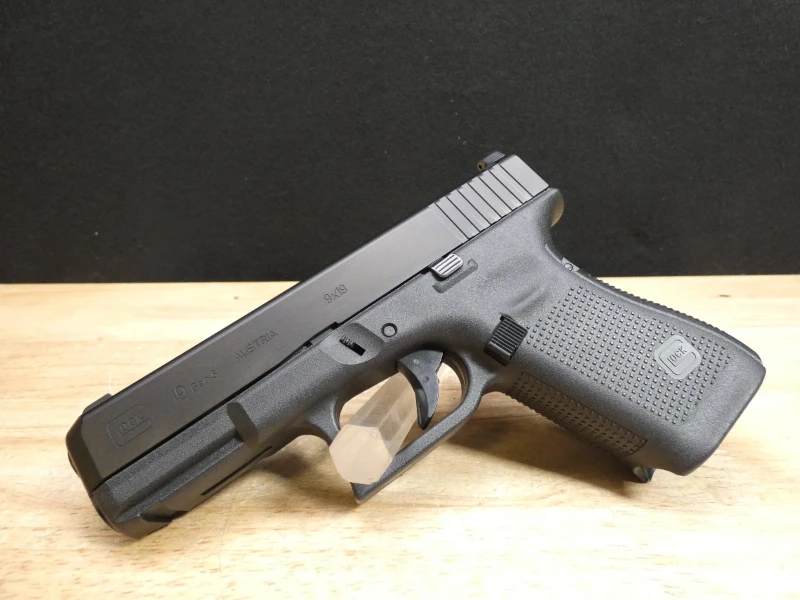
The Glock 19 stands as one of the most popular semi-automatic pistols in the world, valued for its reliability, versatility, and widespread availability. Understanding its market value is key for any owner looking to sell. A new Glock 19 Gen5 typically has an MSRP of around $647, with retail prices falling between $520 and $650. In the used market, a standard model averages about $450, though prices can range from under $300 to over $500 depending on its generation and condition.
What Determines Your Glock 19’s Worth
Several key factors determine the resale value of a Glock 19, beginning with its specific generation, overall condition, and completeness. The generation dictates the feature set and potential collectibility, with older or newer versions fetching different prices. Condition is paramount; a firearm with minimal wear will always command a higher price than one showing significant use. Furthermore, the inclusion of the original factory case, manuals, and all original magazines is crucial. Lacking these items can result in a value reduction of roughly $65 to $75, as the new owner would need to source these parts themselves to restore the complete factory package.
2026 Price Breakdown by Generation
The Collector’s Piece: Generation 1
The Generation 1 Glock 19 is a rare and highly sought-after firearm, making it the most valuable of all the generations for collectors. Produced for a very limited time, these early models are distinguished by their unique “pebble-grain” grip texture and lack of an accessory rail or finger grooves. Finding an original Gen 1 in excellent condition with its correct “tupperware” style box is exceedingly difficult. Because of this scarcity, its value is not dictated by the typical used gun market but rather by collector demand, often commanding a significant premium over any subsequent generation. Its price is highly variable and depends heavily on provenance and condition.
For sellers in 2026, a Generation 1 Glock 19 represents a unique opportunity. Its value is less about utility and more about historical significance within the Glock lineage. A proper appraisal might be warranted in this case, unlike with more common models. The target market consists of serious collectors who understand its rarity and are willing to pay a premium. Documenting its originality and preserving its condition are the most critical steps to realizing its full market potential, which will far exceed that of a standard shooter-grade pistol and will continue to appreciate over time due to its limited production numbers.
The Classic: Generation 2
The Generation 2 Glock 19 introduced key upgrades that solidified its place in the market, including more aggressive checkering on the grip’s front and backstraps. While still lacking the finger grooves and accessory rail of later models, the Gen 2 is revered by many for its simple, comfortable ergonomics. These models are less common than the Gen 3 but are not as rare as the Gen 1, placing them in a unique market position. With an average value of around $600, they are prized by enthusiasts who appreciate the classic Glock design and robust performance, making them a valuable and desirable piece for both shooters and collectors.
In the 2026 market, a well-maintained Generation 2 Glock 19 will continue to hold its value well, appealing to buyers who may not prefer the finger grooves of the Gen 3 and Gen 4 models. Its value is supported by its reputation for durability and its status as a “classic” Glock. Sellers should emphasize the firearm’s condition and any original accessories, as these factors significantly influence its standing above more common, modern generations. It occupies a sweet spot, offering a higher return than later generations without the extreme rarity and high cost of a pristine Gen 1.
The Workhorse: Generation 3
The Generation 3 Glock 19 is arguably one of the most prolific and recognizable handguns ever made. It introduced the now-familiar finger grooves, a thumb rest, and an accessory rail, which opened the door for mounting lights and lasers. With a typical market value of around $500, its enduring popularity is bolstered by its long production history and a massive aftermarket for parts and accessories. This generation’s value is also uniquely supported by state-specific legislation; for instance, it is the only Glock 19 model on California’s roster of approved handguns for sale, creating a constant and isolated demand that helps maintain its price point.
Looking ahead to 2026, the Generation 3 will remain a highly relevant and valuable model, particularly in restrictive states. The looming ban in California set for July 1, 2026, could cause a surge in demand and prices for existing Gen 3s within the state as the deadline approaches. For sellers in other states, the Gen 3 remains a benchmark for reliability and customization, appealing to a broad audience of first-time buyers and seasoned gun owners alike. Its proven design and parts availability ensure it will continue to be a desirable and easily sellable firearm with a stable and predictable resale value.
The Transition: Generation 4
The Generation 4 Glock 19 introduced significant ergonomic and mechanical updates, including the modular backstrap system that allowed shooters to customize the grip size. It also featured a more aggressive grip texture and a dual recoil spring assembly designed to reduce felt recoil and increase the pistol’s service life. Despite these advancements, its market value sits at approximately $475, often slightly less than both the Gen 3 and Gen 5. This is likely because it occupies a middle ground, not having the legislative-driven demand of the Gen 3 in some states or the latest features of the Gen 5, making it a transitional model for many.
For sellers in 2026, the Generation 4 represents an excellent value proposition for buyers seeking modern features without the price tag of a new Gen 5. Its key selling points are the customizable grip and reduced recoil, which appeal to a wide range of shooters. To maximize its value, sellers should highlight these features and ensure all original backstraps are included with the sale. While it may not be the most valuable generation, its blend of modern ergonomics and proven Glock reliability makes it a consistently popular choice on the used market, offering a quick and straightforward sale when priced competitively.
How Modifications Affect Value
Modifications can have a significant impact on the resale value of a Glock 19, and high-quality upgrades often yield a positive return. Specifically, upgrading the factory sights to premium options from reputable brands like Trijicon, TruGlo, or Ameriglo can enhance the firearm’s appeal and increase its market value. Furthermore, the addition of a proven, battle-tested optic, such as a Trijicon RMR, is a highly desirable feature that retains its value well. These types of functional, performance-enhancing modifications are recognized by savvy buyers as genuine improvements, making the pistol more attractive and allowing sellers to ask for a higher price than a standard factory model.
Conversely, certain modifications can fail to add value or may even detract from it. While the market offers endless cosmetic and personalized upgrades, there is no clear consensus that these increase resale value. Custom slide cuts, elaborate stippling jobs, or non-standard color finishes can be highly subjective and may narrow the pool of potential buyers. Many purchasers on the used market prefer a firearm that is as close to its original factory configuration as possible. Therefore, sellers should be aware that while they may have invested heavily in personalization, these changes do not always translate into a higher cash offer and can sometimes make the pistol harder to sell.
Regional Price Variations in 2026
State and local firearm laws create significant regional price variations, and nowhere is this more evident than in California. Due to the state’s handgun roster, the Glock 19 Gen 3 is the only version approved for sale to the general public. This restricted supply inflates demand, often keeping Gen 3 prices higher than in other states. Furthermore, all sales are subject to a 10-round magazine capacity limit. The situation is set to become even more restrictive, as a new law is scheduled to ban the sale of all Glock handguns in California starting July 1, 2026, unless the design is altered, which will likely cause prices for existing models to climb.
Similarly, other states with strict firearm regulations, such as New York, experience their own market variations. While specific laws can differ, these states typically impose a 10-round magazine capacity limit, which affects the configuration of firearms sold within their borders. A Glock 19 sold in a restrictive state will come with 10-round magazines, whereas the same model in a less restrictive state will include standard 15-round magazines. This difference in factory-included hardware can influence pricing and desirability, creating distinct market conditions based on the buyer’s location and the legal compliance of the firearm’s configuration, which will persist into 2026 and beyond.
Online vs Local Sales
When selling a Glock 19 privately, the paperwork requirements are dictated by state law, as federal law does not mandate a bill of sale for transactions between residents of the same state. However, creating a bill of sale is a highly recommended practice to document the transfer of ownership and protect the seller from future liability. Many states have gone beyond federal guidelines and now require that all private firearm sales be conducted through a Federal Firearms Licensee (FFL). This process involves the buyer completing an ATF Form 4473 and passing a mandatory background check, adding a layer of security and legal compliance to the transaction.
Selling a handgun across state lines introduces mandatory federal regulations. A private citizen cannot legally ship a Glock 19 directly to a buyer in another state. The transaction must be facilitated by two licensed dealers in a process known as an FFL transfer. The seller takes the handgun to a local FFL, who then ships it to an FFL in the buyer’s home state. The buyer must then visit their designated FFL to complete the necessary paperwork and background check before they can legally take possession of the firearm. This ensures that all interstate handgun sales comply with federal law and the regulations of the buyer’s state.
The logistics of shipping a Glock 19 are also strictly regulated. Private sellers are prohibited from shipping handguns directly through carriers like UPS and FedEx; this must be handled by an FFL. The firearm must be unloaded and packaged discreetly, with no exterior markings indicating its contents. Federal law requires that the carrier be notified that the package contains a firearm, and it must be sent via an expedited service, such as UPS Next Day Air or FedEx Priority Overnight. These rules ensure the secure and legal transportation of the firearm from the seller’s FFL to the buyer’s FFL, forming a critical part of the interstate sales process.
The FFL Buying Advantage
Selling your Glock 19 directly to a gun dealer or Federal Firearms Licensee (FFL) offers a fast, secure, and hassle-free transaction, but it comes at a different price point than a private sale. Dealers typically offer between 50% and 65% of the firearm’s estimated used retail value. In cases where a specific model is in high demand and likely to sell quickly, some stores may offer up to 70%. This price difference accounts for the dealer’s need to cover overhead, sit on inventory, and ultimately turn a profit. The final offer will always depend on the gun’s condition, included accessories, and the dealer’s current stock levels and pricing policies.
The primary advantage of selling to an FFL is the immediate and clean transfer of legal ownership. Once the sale is complete, the seller is absolved of any future liability associated with the firearm. This process eliminates the complexities of navigating private sale laws, which can vary significantly by state, and removes the need to vet potential buyers. For interstate sales, using an FFL is not just an advantage but a legal requirement. Selling to a dealer bypasses the entire complicated process of finding two FFLs to facilitate the transfer and managing regulated shipping, making it the most straightforward and legally sound method for selling a handgun.
What Increases Your Offer
Presentation is a critical component of maximizing the value you receive for your Glock 19, especially in an online marketplace. To attract the best offers, it is essential to take high-quality photographs. Use a simple, non-distracting background and ensure the firearm is illuminated with diffused, natural light or multiple daylight-colored light sources to eliminate harsh shadows. Capture clear, sharp images from a variety of angles, including close-ups of any markings, sights, or areas of wear. Using a tripod will help ensure your photos are crisp, providing potential buyers with a comprehensive and honest view of the pistol’s condition, which builds trust and encourages higher offers.
Before photographing or presenting your Glock 19 for sale, a thorough cleaning is essential. A well-maintained firearm signals to a potential buyer that it has been cared for properly. You should field strip the pistol and clean all major components, including the barrel, slide, and frame, to remove any carbon buildup, dirt, or residue. A common mistake to avoid is over-lubrication; after cleaning, apply only a light coat of oil to the specific lubrication points recommended by the manufacturer. A clean, properly lubricated pistol not only looks better but also ensures it is in excellent operational condition, justifying a higher asking price.
Completeness is another key factor that can significantly increase your offer. A firearm sold with its original factory case, owner’s manual, lock, and all original magazines is considered a complete package and is more desirable to buyers. The absence of these items can detract from the value, as one source suggests the box and magazines alone have a combined replacement value of approximately $65 to $75. By providing all the original accessories, you are presenting a firearm in its most complete and valuable state, which streamlines the purchasing decision for the buyer and allows you to command a premium price for your Glock 19.
When to Sell Your Glock 19
Timing the sale of your Glock 19 can have a noticeable impact on the final price and the speed of the transaction. According to market consensus, the best time to sell handguns is during the early spring and tax refund season, which typically spans from February through April. During this period, many potential buyers have more disposable income and are looking to purchase firearms for the upcoming summer shooting season. This heightened demand can lead to quicker sales and potentially higher offers as more buyers are actively competing in the market for popular models like the Glock 19.
Conversely, certain times of the year are more challenging for sellers. The period around the Christmas holidays is often considered the most difficult time to sell, as consumers’ budgets are typically allocated to holiday-related expenses rather than firearms. The late fall can also be a slower period for handgun sales, as the market focus tends to shift toward hunting rifles and shotguns in preparation for various hunting seasons. Selling during these lulls in demand may require more patience and potentially a lower asking price to attract the limited number of buyers in the market at that time.
Beyond predictable seasonal trends, sellers should also be aware of broader market dynamics that can influence handgun prices. Political events, discussions of new firearm legislation, or the announcement of new and competing models can all create sudden shifts in supply and demand. A surge in demand often leads to higher prices and faster sales, while a market flooded with similar firearms can have the opposite effect. Staying informed about the current climate of the firearms industry can help you strategically time your sale to take advantage of favorable conditions, maximizing your potential return regardless of the season.
Common Pricing Mistakes
One of the most frequent pricing mistakes sellers make is incorrectly assessing the impact of a high round count. Many owners believe that a Glock 19 with thousands of rounds fired is worth significantly less, but this is often not the case. Glocks are renowned for their durability and are engineered to function reliably well past 10,000 rounds with routine maintenance. For a common, non-collectible firearm like the Glock 19, buyers are more concerned with its current mechanical and cosmetic condition than the specific number on its round log. Overpricing a pristine gun or heavily discounting a worn one based solely on round count is a misstep.
Another common error is having unrealistic price expectations when selling to a licensed dealer. A private seller can typically get a higher price, but this comes with the responsibility of finding a buyer and navigating the legal transfer process. In contrast, a gun dealer provides a quick, convenient, and legally secure transaction. To do so, they must purchase inventory at a price that allows for profit, typically offering between 50% and 65% of the used retail value. Expecting to receive the full private-party market value from a dealer is a fundamental misunderstanding of how the retail firearms business operates.
Finally, a costly and unnecessary mistake for a standard Glock 19 is paying for a professional appraisal. While appraisals are beneficial for rare, antique, or limited-edition firearms, the market value of a common model like the Glock 19 is already well-established and easily researched on online gun marketplaces and forums. The cost of a formal appraisal would likely outweigh any marginal benefit, eating directly into the seller’s profit. For a typical used Glock 19 with a private sale value between $350 and $400, relying on current market data is a far more practical and cost-effective approach to accurate pricing.
Market Outlook for 2026
As we look toward 2026, the market for the Glock 19 is expected to remain strong and stable, reflecting its status as a benchmark for semi-automatic pistols. Projections indicate that the price for a new, standard Glock 19 will likely fall between approximately $599 and $649. However, the broader retail range for new models can vary more widely, generally landing between $500 and $750. This variation will be influenced by factors such as the specific generation being sold, dealer inventory levels, regional demand, and any ongoing manufacturer promotions. This price stability underscores the Glock 19’s consistent and unwavering position in the firearms market.
The pricing in 2026 will also be tiered based on the specific configuration of the Glock 19. Models that come equipped with upgraded factory features, such as the MOS (Modular Optic System) version designed for easy mounting of red dot sights, will command a premium. These specialized models, along with those featuring enhanced factory sights or other desirable additions, are expected to be priced closer to the $699 mark. When factoring in additional costs like dealer transfer fees, it is plausible for these higher-end variants to reach a final price point of up to $750, catering to buyers seeking advanced features straight from the box.
Frequently Asked Questions
How much does the generation of a Glock 19 affect its price?
The generation significantly affects a Glock 19’s price, creating a clear value hierarchy. The rare Generation 1 is the most valuable, prized by collectors. Following that, a Gen 2 is valued as a classic at around $600. The modern Gen 5 holds a strong used value of about $560 due to its updated features. The ubiquitous Gen 3 is valued around $500, often supported by demand in restrictive states like California. Finally, the Gen 4, a transitional model, typically has the lowest value of the modern generations at approximately $475. Each generation’s unique features and market position dictate its worth.
Will adding aftermarket sights increase my Glock 19’s value?
Yes, upgrading to high-quality aftermarket sights from well-respected brands can increase the resale value of your Glock 19. Sights from manufacturers such as Trijicon, TruGlo, or Ameriglo are seen as a significant functional improvement over the standard factory sights and are desirable to many buyers. Similarly, adding a premium, duty-proven optic like the Trijicon RMR can also enhance resale value. These are not just cosmetic changes but performance upgrades that savvy buyers are often willing to pay more for, making your firearm more appealing and valuable than a stock model.
My Glock 19 has thousands of rounds through it. Is the value significantly lower?
No, a high round count does not significantly lower the value of a Glock 19. These pistols are renowned for their durability and are not typically sought for collectibility, but rather for their reliable performance. They are known to function well past 10,000 rounds with proper maintenance. Consequently, buyers are much more focused on the firearm’s current cosmetic and mechanical condition—such as barrel wear, slide-to-frame fit, and external finish—than the specific number of rounds fired. As long as the pistol has been well-maintained, its value will be determined by its physical condition, not its usage history.
I lost the original case and a magazine. How much does that hurt the value?
Losing the original case and magazines will reduce the value of your Glock 19, as buyers prefer a complete package. While there isn’t a fixed penalty amount, the value reduction is typically based on the replacement cost of the missing items. For example, a used factory box might sell for around $10, while factory magazines could cost a buyer approximately $57 to replace. Therefore, you can expect a value deduction of roughly $65 to $75 for their absence. Presenting the firearm with all its original accessories is the best way to command the highest possible price.
Should I get a professional appraisal before selling my Glock 19?
For a standard used Glock 19, a professional appraisal is generally not worth the cost. The market value for common models is well-established and can be easily determined by researching online gun marketplaces, forums, and recent sales data. Appraisals are more beneficial for truly rare, antique, or limited-edition firearms where the value is not widely known. With a Glock 19, the cost of the appraisal service would likely cancel out or even exceed any small benefit gained, making it an unnecessary expense. The typical private sale value of $350 to $400 is straightforward to confirm without professional help.
Get a Cash Offer Today
Ready to sell your Glock 19? We make the process simple, safe, and transparent. Avoid the hassle of private listings and legal complexities. Click here to submit your firearm’s information and our team of experts will provide you with a fair, no-obligation cash offer based on today’s market values.
Our streamlined process ensures you get paid quickly. We are a fully licensed FFL dealer, guaranteeing a secure and legally compliant transaction from start to finish. Turn your used firearm into cash today and experience the easiest way to sell your gun online. Get your free quote now!