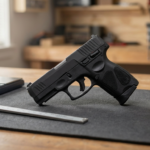

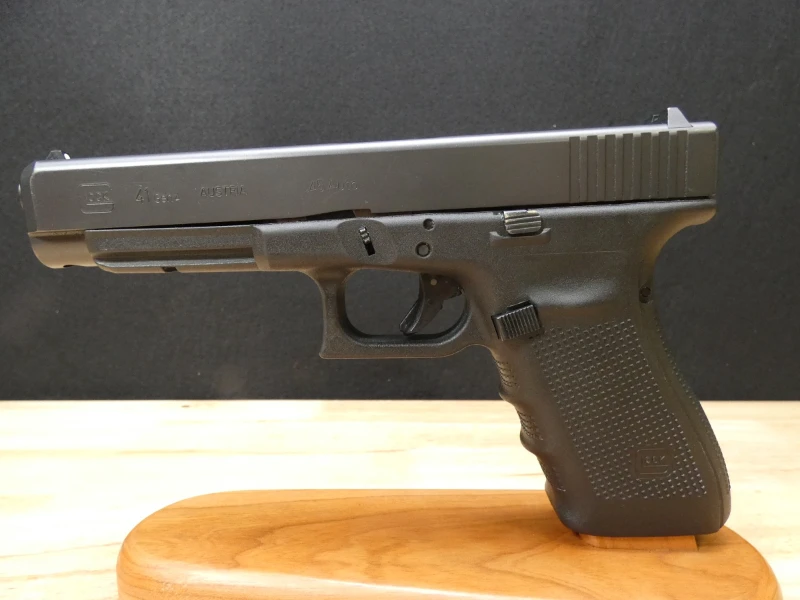
The Glock 25, a compact semi-automatic handgun chambered in .380 ACP, holds a unique position in the U.S. firearms market. Its value is heavily influenced by its rarity, as federal import restrictions under the Gun Control Act of 1968 prevent its commercial sale to the general public. While legal to own, this limited availability makes its pricing distinct from more common Glock models. Understanding these market dynamics is crucial for any owner looking to accurately assess its worth.
What Determines Your Glock 25’s Worth
Several key factors determine the final value of a Glock 25. The firearm’s physical condition is paramount, with cosmetics, bore condition, and mechanical function being closely scrutinized by potential buyers. Because this model is uncommon in the United States, its generation—primarily Gen 3—and overall completeness significantly influence its price. Including the original case, manuals, magazines, and any documentation can substantially boost its appeal. The average used price hovers around $258.18, though the 12-month average is closer to $300.99, reflecting fluctuations in demand and availability within the niche market of legally owned examples in the U.S.
2026 Price Breakdown by Generation
Generation 1
The Glock 25 was not manufactured during the first generation of Glock pistols, which began in the early 1980s. The initial models, such as the Glock 17, established the brand’s reputation, but the G25 was developed later. Consequently, there are no Generation 1 Glock 25s in existence, and therefore, no market value or pricing data is available for this combination. Any search for a “Gen 1 Glock 25” would be fruitless, as the model’s history begins with later production cycles. Collectors and firearm enthusiasts should be aware that this model is not part of Glock’s foundational lineup.
Because a Generation 1 Glock 25 was never produced, it holds no collector value and does not appear in sales listings or auction results. The pistol’s design and chambering were introduced in a later phase of the company’s product development, long after the first generation’s distinctive single-pin frame and pebble-grip texture had been superseded. Buyers and sellers should focus their research and valuation efforts on the generations that were actually manufactured, primarily the third generation, to understand the firearm’s true market position and avoid confusion with non-existent historical models.
Generation 2
Similar to the first generation, the Glock 25 was not part of the Generation 2 lineup. The second generation, introduced in the late 1980s, brought updates like checkering on the front and backstraps and a new integrated recoil spring assembly. However, the Glock 25 model was not developed during this period. As a result, no authentic Generation 2 Glock 25 pistols exist on the primary or secondary markets. Any valuation inquiries for a Gen 2 model are based on a misconception, as its production history starts with a later generation, making it impossible to assign a price.
The absence of a Generation 2 Glock 25 means that it has no historical or monetary value for collectors or sellers. The market for this particular model is confined to the generations in which it was actually produced. When appraising or researching a Glock 25, it is essential to disregard any references to a Gen 2 version and concentrate on the available Gen 3 models, which represent the vast majority of what is found in the United States. This focus ensures an accurate understanding of its features, availability, and expected price range in the current market.
Generation 3
The Generation 3 is the most common variant of the Glock 25 found in the United States. This model introduced key upgrades such as an accessory rail, finger grooves on the grip, and a loaded chamber indicator. For a new Gen 3, the Manufacturer’s Suggested Retail Price (MSRP) typically falls between $498 and $599. Due to its limited availability stemming from import restrictions, the Gen 3 holds its value well on the used market. Examples in very good to excellent condition are valued between $300 and $500, making them a sought-after item for collectors and enthusiasts familiar with their unique legal status.
The market for a used Gen 3 Glock 25 is robust, with its value being heavily dependent on its condition and the inclusion of original accessories. As a compact pistol in .380 ACP with dimensions similar to the Glock 19, it appeals to those seeking a mild-recoiling option for concealed carry, even though it cannot be commercially imported for that purpose. Its scarcity ensures that prices remain stable, and owners can expect a strong return when selling, provided the firearm has been well-maintained. The Gen 3 represents the definitive and most accessible version of this pistol in the U.S.
Generation 4
While a Generation 4 version of the Glock 25 was produced, it is exceedingly rare in the United States market, even more so than the Gen 3. The Gen 4 updates included a modular backstrap system, a reversible magazine catch, and a dual recoil spring assembly designed to reduce felt recoil and increase the pistol’s service life. However, due to the same import restrictions that limit the Gen 3, very few Gen 4 models have made their way into civilian hands in the U.S. This extreme scarcity makes establishing a consistent market value difficult, as they seldom appear for sale.
Because reliable sales data for the Generation 4 Glock 25 is not readily available, a precise valuation is challenging to determine. Its price would be highly speculative and dependent on the specific circumstances of a sale, such as a private transaction between collectors. While the technical improvements of the Gen 4 are well-known, the lack of market presence means there is no established price range. Owners of a Gen 4 Glock 25 possess a truly uncommon firearm, and its value would likely be significantly higher than a Gen 3, dictated by niche collector demand rather than standard market trends.
How Modifications Affect Value
Upgrades can have a mixed impact on the resale value of a Glock 25. The most likely modification to add value is the installation of high-quality night sights from reputable brands like Trijicon, TruGlo, or Ameriglo. These are widely seen as a significant improvement over the standard factory sights and are a desirable feature for many potential buyers. While the exact dollar amount added is not fixed, these upgrades make the firearm more appealing and can justify a higher asking price. Other cosmetic changes, like custom slide finishes or stippling, are highly subjective and may not yield a positive return on investment.
Conversely, some modifications can potentially hurt the firearm’s value. Altering the trigger, for instance, is a common point of contention. While an aftermarket trigger might enhance performance for a competitive shooter, many buyers, especially those interested in the Glock 25 for self-defense or collecting, prefer the proven reliability and safety of the original factory parts. A modified trigger could deter these buyers, thereby narrowing the potential market. To mitigate this, it is highly recommended to retain all original parts, particularly the trigger, to include them with the sale, allowing the new owner to revert the pistol to its stock configuration.
Regional Price Variations in 2026
The value of a Glock 25 is significantly impacted by federal laws and state-level restrictions. Due to the Gun Control Act of 1968, the Glock 25 is not available for commercial importation and sale to the general public in the United States because it fails to meet the ATF’s “points system” criteria. This federal restriction creates a baseline of scarcity nationwide. Consequently, the firearm is not a standard dealer item anywhere in the country, and its availability is limited to the secondary market, often through private sales of pre-existing, legally owned examples. This inherent rarity is the primary driver of its unique market position.
On top of federal import rules, specific state laws create further price variations. In states like California, the Glock 25 is not on the roster of approved handguns for sale, making civilian ownership nearly impossible for anyone other than law enforcement or those exempt from the roster. Similarly, restrictive laws in states like New York further limit the pool of legal buyers. In states with fewer restrictions on private firearm sales, a Glock 25 might be easier to transact, but its value remains high due to the national scarcity. The highest prices are often found where the pistol is legal to own but extremely difficult to acquire.
Online vs Local Sales
When selling a Glock 25, the choice between a local sale and an online marketplace presents a trade-off between convenience, profit, and complexity. Selling privately to a local buyer will almost always result in a higher sale price for the owner. This route avoids dealer consignment fees and overhead costs. However, the seller is responsible for navigating state and local laws regarding private firearm transactions. While some states have no paperwork requirements for private sales, others mandate that the transfer occur through a Federal Firearms Licensee (FFL) or that the buyer possess a specific permit, adding a layer of logistical planning.
Selling to a local gun dealer offers a faster and simpler process, but at a financial cost. Dealers typically offer between 50% and 65% of the firearm’s used retail value. This lower offer reflects their need to cover business expenses and turn a profit upon resale. While some may offer up to 70% for a high-demand item, large retailers might offer as little as 30%. This option is best for sellers who prioritize speed and convenience over maximizing their financial return, as the transaction is immediate and the dealer handles all required legal paperwork.
Online sales expand the potential market to a national audience but come with strict legal requirements. A private individual cannot legally ship a handgun directly to another private individual across state lines. The firearm must be sent to an FFL in the buyer’s state of residence. Shipping carriers also have their own rules; for example, UPS requires non-FFL holders to ship handguns via Next Day Air from a main Customer Center and declare the unloaded firearm. FedEx prohibits non-licensees from shipping firearms altogether. These logistical hurdles and costs must be factored into the final sale price.
The FFL Buying Advantage
Utilizing a Federal Firearms Licensee (FFL) is not just an advantage but a legal necessity for most firearm transactions, especially those conducted across state lines. When selling a handgun like the Glock 25 to a buyer in another state, the law mandates that the firearm be shipped to an FFL in the buyer’s state. The FFL then acts as a neutral, legally compliant intermediary. They are responsible for receiving the firearm, verifying the buyer’s identity, and conducting the mandatory background check before transferring possession. This process ensures the sale adheres to all federal regulations, protecting both the seller and buyer from legal jeopardy.
Engaging an FFL provides a layer of security and legitimacy to the transaction. The seller can be confident that the firearm is being transferred to a legally eligible individual, and the buyer is assured they are acquiring the firearm through proper channels. Before shipping, it is crucial for the seller to contact the buyer’s chosen FFL to understand their specific policies for accepting transfers, including any associated fees and required documentation from the sender. This communication prevents delays and ensures a smooth, professional, and lawful exchange, which is paramount when dealing with the complexities of interstate firearm sales.
What Increases Your Offer
A thorough pre-sale cleaning is one of the most effective ways to increase offers for your Glock 25. Before listing it for sale, ensure the weapon is unloaded and then field strip it into its primary components: the slide, barrel, recoil spring, and frame. Use a quality gun solvent and appropriate brushes to scrub the barrel and remove all carbon residue and fouling. Clean the slide and frame, paying attention to rails and hard-to-reach areas. A critical step is to avoid over-lubrication; apply only a small drop of oil to the specific points recommended by Glock, as excessive oil attracts dirt and can detract from its appearance and function.
While the market consensus on a specific monetary penalty for incompleteness is not defined, presenting the Glock 25 with its original factory case, owner’s manual, lock, and all included magazines will invariably lead to better offers. These items demonstrate that the firearm has been well-cared-for and provide a sense of authenticity and completeness that collectors and discerning buyers value highly. If you have the original sales receipt or any maintenance records, including them can further bolster buyer confidence and help you achieve a premium price. A complete package is always more desirable than the firearm alone.
High-quality photography is non-negotiable for maximizing your firearm’s value in an online listing. Use ample, diffused light, such as natural light from a window, to eliminate harsh shadows and accurately represent the gun’s condition. Place the Glock 25 on a simple, neutral-colored background that provides contrast without being distracting. Capture multiple in-focus images from every angle, including close-ups of the serial number, manufacturer markings, sights, and any wear or imperfections. This transparency builds trust with potential buyers, reduces unnecessary questions, and encourages higher, more confident offers.
When to Sell Your Glock 25
Understanding seasonal market trends can help you maximize the sale price of your Glock 25. Generally, one of the strongest selling seasons for firearms occurs between February and April. During this period, many potential buyers have more disposable income due to receiving tax returns, leading to increased demand across the market. Listing your handgun during this window can attract a larger pool of serious buyers who are actively looking to make a purchase, potentially resulting in a quicker sale at a more favorable price. This trend applies broadly to many types of firearms, including handguns popular for personal protection.
Another favorable period for selling is the holiday season, stretching from November through January. This time of year often sees a spike in consumer spending, and firearms can be popular purchases for gifts or personal use. While this season is strong, it can also be competitive, so ensuring your Glock 25 is well-presented and competitively priced is key to standing out. The unique status of the G25 can make it an especially appealing item for collectors and enthusiasts during these peak buying times, as they may be more inclined to invest in a less common firearm.
While less directly applicable to a compact handgun like the Glock 25, it’s worth noting the market trends associated with hunting seasons. The demand for firearms, particularly rifles and shotguns, surges in the late summer and early fall as hunters prepare for upcoming seasons. This creates a general increase in traffic to gun stores and online marketplaces. While not the primary driver for a .380 ACP pistol, this heightened market activity can create a spillover effect, bringing more eyes to all firearm listings and potentially benefiting sellers of all types of guns.
Common Pricing Mistakes
One of the most frequent errors sellers make is overvaluing their personal modifications. While you may have spent hundreds of dollars on an aftermarket trigger, a custom slide finish, or a specialized grip, these changes do not guarantee a higher resale price. Firearm modifications are highly subjective; a feature that one shooter loves, another may dislike. Many buyers, particularly collectors, prefer a firearm in its original factory configuration. It’s best to price the Glock 25 based on its stock condition and consider any modifications a potential bonus rather than adding their full cost to your asking price.
Another significant mistake is failing to conduct proper market research. Sellers often price their Glock 25 based on its original purchase price or sentimental value, neither of which reflects its current market worth. The value of modern, common firearms can be accurately determined by researching recent sales of comparable models on online forums and auction sites. For a Glock 25, the average used price is approximately $258.18, with a 12-month average near $300.99. Using this data as a baseline, adjusted for your firearm’s specific condition and included accessories, will lead to a much more realistic and effective pricing strategy.
Neglecting presentation is a mistake that can significantly reduce offers. A dirty firearm covered in residue or a listing with dark, blurry photos will immediately deter potential buyers and attract lowball offers. Before listing, perform a thorough cleaning as detailed by the manufacturer. Then, take high-quality photographs in good lighting against a clean background. Clearly documenting the pistol’s condition, including any minor wear, builds trust and signals to buyers that you are a responsible owner. A well-presented firearm will always command a higher price than one that appears neglected, regardless of its actual mechanical condition.
Market Outlook for 2026
Predicting the future price of any firearm with certainty is impossible, as the market is subject to a wide range of political and economic influences. For the Glock 25, a professional consensus on its future price trajectory is not readily available. Its value is uniquely tied to its legal status in the United States. As it cannot be commercially imported for civilian sale, the existing supply is finite and limited to pre-existing, legally owned examples. This inherent scarcity provides a strong foundation for its value, insulating it somewhat from the market fluctuations that affect more common, readily available firearms.
Looking toward 2026, the Glock 25’s value will likely remain stable or appreciate modestly, assuming no major changes in federal firearms legislation. The demand for Glock pistols remains consistently high, and the G25’s unique position as a “forbidden fruit” makes it a point of interest for collectors. As long as it remains difficult to acquire, its value on the secondary market should hold firm. However, any potential legislative changes that might alter its import status could dramatically impact its price, either by increasing supply and lowering value or by further restricting transfers and driving the price higher.
Frequently Asked Questions
Does a high round count hurt my Glock 25’s value?
A high round count does not significantly lower the value of a Glock 25. Glocks are renowned for their exceptional durability and are engineered to function reliably well past 100,000 rounds with proper care. For most prospective buyers, the firearm’s physical condition, signs of abuse or neglect, and maintenance history are far more critical factors than the number of rounds fired. Since consumable parts like springs are inexpensive and easy to replace, a well-maintained G25 with many rounds through it is often seen as more desirable than a pristine model that has sat untested.
Is it worth getting a professional appraisal for my Glock 25?
For a standard used Glock 25, a professional appraisal is likely not worth the associated cost. The value of modern, mass-produced firearms can typically be determined with a reasonable degree of accuracy through online research of auction sites and forums. Appraisals are more beneficial for antique, rare, or limited-edition firearms where value is less certain and requires expert authentication. The most significant factors for your G25’s value will be its cosmetic and mechanical condition, along with the inclusion of its original box and paperwork, which you can assess yourself.
How much less will a dealer offer me compared to a private sale?
When selling to a gun dealer, you can typically expect to be offered between 50% and 65% of the firearm’s current used retail value. This lower price allows the dealer to cover their overhead costs and make a profit upon resale. Some dealers may offer up to 70% if the Glock 25 is in high demand and in excellent condition, but this is less common. Conversely, large retail chains might offer as low as 30%. While you sacrifice potential profit, selling to a dealer is a much faster and more convenient process. A private sale will almost always yield a higher price.
Will installing night sights increase the resale price?
Yes, upgrading the standard sights to high-quality night sights is one of the few modifications that is very likely to add resale value to your Glock 25. Sights from reputable brands such as Trijicon, TruGlo, or Ameriglo are widely recognized as a significant functional improvement over the factory polymer sights. While you may not recoup the full cost of the sights and installation, this upgrade makes the pistol more attractive to a broader range of buyers, especially those considering it for defensive purposes, and can justify a higher asking price than a stock model.
Does the lack of availability in the US make my Glock 25 more valuable?
Yes, the restricted availability of the Glock 25 in the United States is a primary driver of its value. Because it does not meet the criteria of the ATF’s “points system” under the Gun Control Act of 1968, it cannot be commercially imported for sale to the general public. This creates a fixed and limited supply of legally owned G25s within the country. This scarcity, combined with the high demand for the Glock brand, elevates its status and price on the secondary market compared to what it would be if it were readily available in every gun store.
Get a Cash Offer Today
Ready to sell your Glock 25? We make the process simple, safe, and legal. Skip the hassle of private listings and get a fair cash offer from a trusted buyer. Our streamlined process ensures you get paid quickly while we handle all the necessary FFL transfer paperwork for you.
Click below to begin and see what your firearm is worth. Provide a few details about your Glock 25, and our experts will get back to you with a competitive, no-obligation offer. Turn your uncommon Glock into cash today with a partner you can trust to do it right.