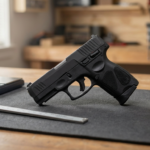

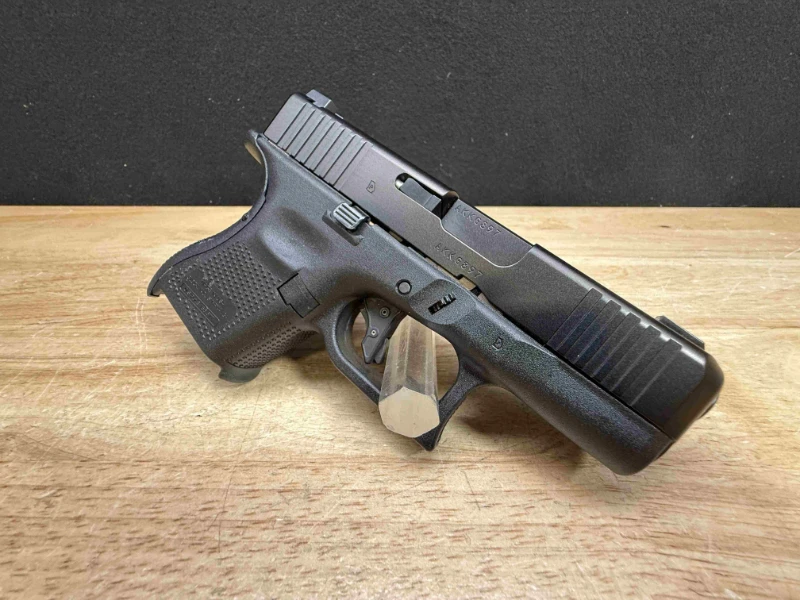
The Glock 26, a semi-automatic handgun often called the “Baby Glock,” is a top-tier subcompact pistol renowned for its reliability and suitability for concealed carry. Understanding its market value is key for any owner looking to sell. A new Gen5 model typically has an MSRP between $520 and $600, while the average used price hovers around $388.51. Several factors, from its generation and condition to market demand and modifications, will ultimately determine its final worth.
What Determines Your Glock 26’s Worth
The value of a Glock 26 is determined by a combination of its generation, physical condition, and any modifications. Newer generations, like the Gen5, are considered more advanced and generally command higher prices than older Gen3 or Gen4 models. However, cosmetic condition is a significant factor; visible holster wear can impact value more than a high round count, as the firearm is known for its extreme durability. Furthermore, tasteful upgrades, such as premium aftermarket sights from reputable brands, can add value, whereas highly personalized or permanent alterations may not. The inclusion of original parts and accessories also plays a crucial role in maximizing its resale price.
2026 Price Breakdown by Generation
Generation 1 & 2
When evaluating the Glock 26, it is important for sellers to recognize that this model was never produced in a Generation 1 or Generation 2 configuration. The Glock 26 was first introduced in 1995, and its initial production models are what collectors and enthusiasts often refer to as “Gen 2.5,” though they are more commonly grouped with the Generation 3 series. This distinction is critical because it means there is no established market or value for a Gen 1 or Gen 2 Glock 26, as they do not exist. Any search for these models will be fruitless.
Consequently, owners should focus their research on the market values for Generation 3, 4, and 5 models. Attempting to price a Glock 26 based on non-existent earlier generations is a common point of confusion. The history of this firearm begins with the features that would define the Gen 3 lineup, including the addition of an accessory rail and finger grooves on the frame. Understanding this production timeline is the first step in accurately assessing the pistol’s place in the market and determining a realistic and fair selling price based on its actual generation and associated features.
Generation 3
The Glock 26 Gen 3 remains a highly popular and valuable model, largely due to its proven reliability and its inclusion on restrictive state rosters, such as in California. While newer generations have been released, the Gen 3 holds its value well, with used models often selling for around $375, and some retailers listing them as high as $475 depending on condition and included accessories. Its enduring appeal is a testament to its solid design, which established the G26 as a leader in the subcompact market. For many, the Gen 3 represents the classic “Baby Glock” experience and is a trusted choice for concealed carry.
Because the Gen 3 is one of the few Glock 26 models available for purchase new in certain restricted states, it maintains a unique and stable position in the market. This legal constraint creates consistent demand, preventing its value from dropping as significantly as other older-generation firearms might. Sellers in these regions may find a more eager market, while sellers elsewhere can still capitalize on the model’s reputation for performance. When selling a Gen 3, highlighting its excellent condition and any included original equipment is key to achieving a price at the higher end of its typical valuation range.
Generation 4 & 5
The Glock 26 Gen 4 introduced several key updates, including a dual recoil spring assembly for reduced felt recoil and an improved frame texture for a more secure grip. These enhancements make it more desirable than the Gen 3 for many shooters, and it generally commands a slightly higher price on the used market. While the value difference between a used Gen 3 and Gen 4 can be minimal if the condition is disparate, a Gen 4 in excellent shape will consistently fetch a better price. It represents a significant step in the model’s evolution, offering tangible improvements in handling and performance.
As the most current model, the Glock 26 Gen 5 is considered the most advanced and desirable, with an MSRP typically ranging from $520 to $600. It features the Glock Marksman Barrel, an ambidextrous slide stop lever, and the removal of finger grooves for broader ergonomic appeal. On the used market, a Gen 5 in good condition sells for approximately $400, reflecting its modern features and status as the latest iteration. The progression from Gen 3 to Gen 5 shows a clear hierarchy in value, with each subsequent generation demanding a higher price due to its technological and design improvements.
How Modifications Affect Value
Thoughtful modifications can positively influence a Glock 26’s resale value, particularly when they address common criticisms of the stock firearm. Upgrading the factory polymer sights is the most widely recognized value-adding modification. Installing high-quality night sights from respected brands like Trijicon (such as the HD XR), TruGlo (TFX Pro), or Ameriglo significantly enhances the pistol’s defensive capabilities. These brands are known for their durability and performance, making them a desirable feature for potential buyers. While you may not recoup the full cost of the upgrade, it makes the firearm more attractive and can justify a higher asking price compared to a stock model.
While specific data on value-hurting modifications is difficult to consolidate, a general rule is that permanent or highly personalized changes can negatively impact value. Aggressive stippling jobs or custom Cerakote finishes that appeal to a narrow taste may deter a broad range of buyers. Regardless of the modification, the consensus among buyers is a strong preference for receiving the original factory parts with the purchase. Including the original sights, trigger, and other components allows the new owner to return the firearm to its stock configuration if they choose, which broadens its appeal and can help secure a better sale price.
Regional Price Variations in 2026
State and local laws create significant regional price variations for the Glock 26. In states with strict firearm regulations, such as California, the market is heavily influenced by the state’s Handgun Roster. Only the Glock 26 Gen3 is on this roster, making it the only version legally available for purchase from a dealer. This restricted supply can increase demand and stabilize the value of the Gen3 within the state, as buyers do not have access to newer generations. Furthermore, both California and New York impose a 10-round magazine capacity limit, which means that standard capacity magazines from other states cannot be included in a sale.
In contrast, states with less restrictive firearm laws offer a more open and competitive market. In these areas, buyers have access to all generations of the Glock 26, including the latest Gen5 models. This availability means that prices are more likely to align with national averages, with values determined more by condition and generation than by regulatory scarcity. Sellers in these states must price their firearms competitively against a wider selection of available options. Therefore, a Glock 26 Gen3 might command a relatively higher price in California than it would in a state like Texas or Florida, where newer models are readily available.
Online vs Local Sales
Selling a Glock 26 privately versus trading it in at a dealer will yield vastly different financial outcomes. Gun dealers typically offer between 50% and 70% of a used firearm’s private market value to account for their overhead and profit margin. For instance, a used Glock 26 with a private party value of $388.51 might only receive a trade-in offer of around $252.53, which is approximately 65% of its potential worth. Some large retailers may offer even less, sometimes as low as 30-40%. A private sale, therefore, allows the seller to capture the full market value of their pistol, resulting in significantly more cash.
However, selling to a buyer in another state introduces legal complexities that must be strictly followed. Federal law prohibits the direct transfer of a firearm between unlicensed individuals residing in different states. To complete an interstate sale legally, the seller must ship the Glock 26 to a Federal Firearms Licensee (FFL) in the buyer’s state of residence. The buyer must then visit that FFL, complete all necessary paperwork, including the ATF Form 4473, and pass a background check before they can legally take possession of the handgun. This process ensures the transfer is documented and lawful but adds logistical steps for both parties.
Furthermore, the logistics of shipping a handgun present another hurdle for private sellers. Major carriers like UPS and FedEx have implemented policies that largely prohibit private individuals from shipping handguns, requiring the shipper to hold a Federal Firearms License. Under federal law, handguns must be shipped to a licensed FFL dealer. If a private individual is permitted to ship, they must use an overnight service, declare the package as containing a firearm, and ensure it is unloaded and discreetly packaged. These stringent shipping regulations make private online sales more challenging and often necessitate using a local FFL to handle the shipment.
The FFL Buying Advantage
Selling your Glock 26 to a Federal Firearms Licensee (FFL) offers a fast, secure, and legally sound transaction, although it comes at a price. Dealers typically offer a lower amount than a private sale—often 50% to 70% of the market value—because they assume all the risk, handle the paperwork, and need to resell the item for a profit. For a Glock 26 valued at $388 privately, a dealer offer might be around $252. This price reflects the convenience and immediacy of the sale; you receive payment on the spot without the effort of finding a buyer or navigating complex transfer laws yourself.
The primary advantage of using an FFL is the guaranteed legal compliance. Paperwork requirements for private firearm sales vary dramatically by state, with some requiring no documentation and others mandating that all transfers occur through a licensed dealer for a background check. By selling directly to an FFL, you eliminate any uncertainty about state and local regulations. The dealer is professionally obligated to follow all laws, and the transaction is officially recorded, providing you with a clear and legal transfer of ownership. This peace of mind and avoidance of potential legal pitfalls is a significant benefit for many sellers.
What Increases Your Offer
Presenting a clean and well-maintained Glock 26 is the first step to maximizing its value. Before listing it for sale, perform a thorough field-strip cleaning. This involves using brushes and solvent to remove all carbon buildup and residue from the slide, barrel, and frame components. After cleaning, apply a very small amount of lubricant only to the specific points recommended in the owner’s manual. Over-lubricating is a common mistake that can attract dirt and grime. Finally, wipe down the exterior of the pistol to remove any fingerprints or oil, ensuring it looks its best for photos and inspection.
High-quality photographs are essential for attracting serious buyers, especially in online marketplaces. Use a clean, neutral background that doesn’t distract from the firearm. Ensure the pistol is well-lit with diffused, natural light to prevent harsh shadows and accurately represent its condition. Take multiple high-resolution photos from various angles, including shots of the left and right sides, top, and sights. Additionally, include close-ups of any engravings, the serial number, and any visible wear or modifications. Using a tripod will ensure your photos are sharp and stable, conveying professionalism and honesty about the firearm’s condition.
A complete package will always command a higher offer. While there isn’t a specific monetary penalty for missing items, buyers strongly prefer to receive the firearm with all its original accessories. This includes the original factory case, owner’s manual, all magazines that came with the gun, and any other included tools or backstraps. Most importantly, if you have modified the firearm, such as by upgrading the sights, you must include the original parts. Providing these factory components allows the buyer to revert the pistol to its stock configuration, which significantly broadens its appeal and increases its overall value.
When to Sell Your Glock 26
While certain firearms have distinct selling seasons, the market for a concealed carry pistol like the Glock 26 is influenced by more general consumer spending trends. One of the strongest periods for firearm sales is from late winter through spring, roughly from February to May. This season often coincides with tax refunds, when many people have more disposable income to spend on significant purchases. The increased buying power across the market can lead to quicker sales and potentially better offers as more customers are actively looking to buy firearms during this time.
Another favorable period to sell can be during the holiday season, from November through January, as firearms are often purchased as gifts. However, unlike hunting rifles and shotguns that see a predictable surge in demand before hunting seasons in the summer and fall, the Glock 26’s sales are less tied to a specific time of year. Its primary use as a personal defense and concealed carry weapon means that demand is relatively consistent year-round. Therefore, while there are peak seasons, a well-priced Glock 26 is likely to find a buyer at any time.
It is crucial to recognize that the political climate often has a greater impact on handgun sales than any seasonal trend. Discussions of potential new firearm regulations, election cycles, and other major political events can create sudden and significant spikes in demand for popular handguns like the Glock 26 and AR-style rifles. These periods of heightened consumer concern can override typical market patterns, making them an opportune, albeit unpredictable, time to sell. Monitoring current events can be just as important as tracking seasonal trends when deciding the best moment to list your firearm.
Common Pricing Mistakes
One of the most frequent errors sellers make is overvaluing their used Glock 26 by pricing it too close to the new retail price. A new Gen5 model can cost between $520 and $600, but the average used price is closer to $388. A used firearm, regardless of its condition, will not fetch the same price as a new one. Sellers should avoid paying for a formal appraisal, as the market value of a common, modern firearm is easily determined by researching completed sales on online gun marketplaces. Setting a realistic price based on current market data is crucial for a timely sale.
Another common mistake is misjudging the impact of wear and tear. Many sellers worry that a high round count will drastically lower their Glock 26’s value. However, these pistols are renowned for their durability and can function reliably for tens of thousands of rounds with minimal parts replacement. Buyers are aware of this, and a high round count is not a major deterrent. In contrast, sellers often underestimate the negative impact of cosmetic damage. Significant holster wear, scratches, and dings on the slide or frame have a much greater effect on resale value than the internal wear from shooting.
Sellers often miscalculate the value added by modifications. While premium sights from brands like Trijicon can increase appeal, it’s a mistake to assume you will recoup the full retail cost of all aftermarket parts. Highly personalized modifications may not add any value and could even deter potential buyers. A related error is failing to include the original factory parts with the sale. Buyers strongly prefer having the option to return the firearm to its stock configuration, and not providing these parts can lower the perceived value of the package and lead to a lower final offer.
Market Outlook for 2026
Looking ahead to 2026, the market for a new Glock 26 is expected to see a modest price increase consistent with inflation and ongoing demand. Projections indicate that the manufacturer’s suggested retail price for new models, primarily the Gen5, will likely fall within the $599 to $649 range. This price point will vary between different retailers and may depend on the specific configuration, such as whether it includes special sights or extra magazines. The Glock 26’s continued popularity as a premier choice for concealed carry ensures that its position in the new firearm market will remain strong and stable.
For the used market, the Glock 26 is predicted to maintain its robust value. The firearm’s reputation for unwavering reliability and durability means that older generations, particularly the Gen3 and Gen4, will continue to be sought after. The Gen3, in particular, will retain a unique market niche due to its status on restrictive state rosters, which guarantees consistent demand. While the introduction of new competing models may influence the broader market, the Glock 26’s iconic status and proven performance will ensure it remains a valuable and easily resalable asset in the secondary firearms market for years to come.
Frequently Asked Questions
Does a high round count significantly lower my Glock 26’s value?
No, a high round count does not significantly lower the value of a Glock 26. These firearms are engineered for extreme durability and are known to function reliably even after tens of thousands of rounds with only minor, inexpensive parts replacements. Most prospective buyers understand the robust nature of the Glock platform and are less concerned with the number of rounds fired compared to other factors. The overall cosmetic condition, such as the extent of holster wear or any scratches on the slide and frame, is generally considered to have a much greater impact on its final resale value.
Will adding aftermarket sights increase the resale price?
Yes, upgrading the factory sights with a quality aftermarket set is one of the few modifications likely to add to a Glock 26’s resale value. Premium night sights from well-known brands such as Trijicon, TruGlo, and Ameriglo are consistently seen as significant improvements over the stock polymer sights. These upgrades are highly desirable for a defensive pistol, and many potential buyers specifically look for them. While you may not recover the full retail price of the sights, their inclusion makes the firearm more appealing and can justify a higher asking price than a standard model.
How much less will I get from a dealer compared to a private sale?
You can expect a dealer to offer between 50% and 70% of your Glock 26’s private sale market value. This is a standard business practice that accounts for the dealer’s overhead, profit margin, and the convenience they provide. For example, a valuation source estimated a trade-in value of $252.53 for a used Glock 26 with a private party value of $388.51, which is about 65% of the private sale price. While selling privately will net you more money, selling to a dealer offers a fast, simple, and legally secure transaction without any hassle.
Is it worth keeping the original parts after modifying my Glock 26?
Absolutely. The general consensus among buyers is a strong preference for receiving the original factory parts with a modified Glock 26. Including the original sights, trigger, or any other replaced components can increase the resale value and appeal to a much wider range of buyers. It provides the new owner with the flexibility to return the firearm to its stock configuration if they desire. Failing to include these parts can deter potential buyers who may not share your taste in modifications, ultimately limiting your market and potentially lowering the final sale price.
Does the generation of my Glock 26 greatly affect its price?
Yes, the generation affects the price, but the difference between used models can be surprisingly narrow. Newer generations, like the Gen5, are the most advanced and will command the highest prices, followed by the Gen4 and then the Gen3. However, recent sales data shows that the price gap between used generations is not always vast; for example, a used Gen5 might sell for around $400 while a used Gen3 sells for about $375. This indicates that the firearm’s overall condition is also a very significant factor in determining its final value, sometimes weighing as heavily as its generation.
Get a Cash Offer Today
Ready to sell your Glock 26? We make the process simple, safe, and transparent. Avoid the complexities of private sales and the low offers from local shops. Submit your firearm’s information on our secure site, and our experts will provide you with a fair, competitive cash offer.
There’s no obligation. Once you accept our offer, we provide a prepaid shipping label for a legal, FFL-to-FFL transfer. You get paid quickly without ever leaving your home. Click here to see what your Glock 26 is worth and get your cash offer today.