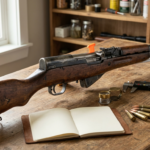

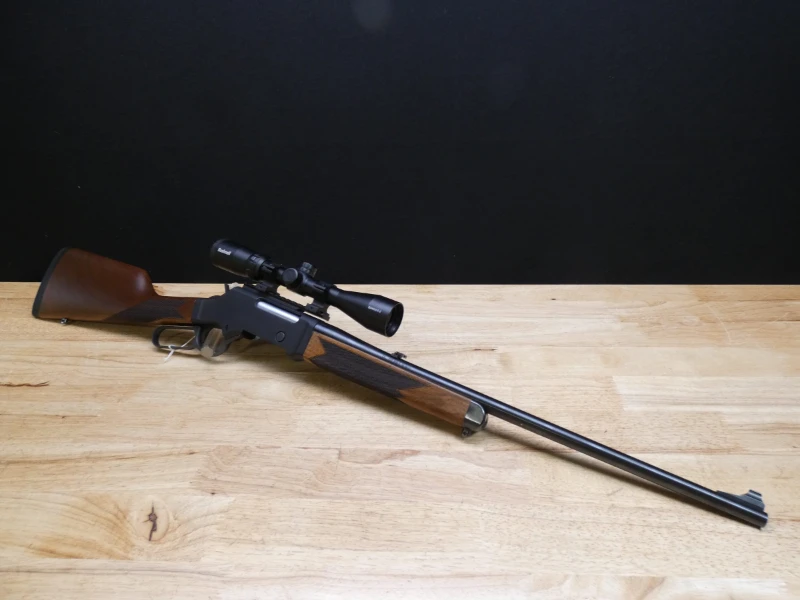
The Henry Long Ranger stands out in the lever-action market by blending traditional design with the capability to handle modern, high-velocity cartridges. Its value is primarily driven by its specific model, chambering, and overall condition rather than distinct generational changes. Whether you own a standard model for hunting or a more ornate engraved version, understanding these key factors is crucial for accurately assessing its current market worth and ensuring you receive a fair price upon sale.
What Determines Your Henry Long Ranger’s Worth
The value of a Henry Long Ranger is primarily determined by its specific model and physical condition. Unlike firearms with distinct generational updates, the Long Ranger’s worth is tied to whether it is a standard model, a specialized variant like the Long Ranger Express, or a high-end Deluxe Engraved edition. Condition plays a paramount role; a rifle in excellent, like-new condition will always command a higher price than one showing significant wear. Heavy cosmetic damage, such as deep scratches, pitting, or worn bluing, can drastically reduce its value, potentially by 50% or more compared to a pristine example, as it would fall into a “Fair” or “Poor” condition grade.
2026 Price Breakdown by Generation
Standard Models in Good to Excellent Condition
While the Henry Long Ranger doesn’t have formal generations, the most common variants found on the market are the standard models. For a used rifle in this category that is in very good to excellent condition, the typical private party value ranges from $500 to $800, with an average price settling around $810. These figures reflect a well-maintained firearm with minimal signs of use. A prospective buyer looking for a brand-new standard model can expect to pay more, with the average new price hovering around $950 and retail prices commonly falling between $845 and $1,080, depending on the specific caliber and retailer.
The value proposition for these standard models lies in their utility as high-performance hunting rifles. As they are not considered NFA items due to their legal barrel lengths of 16.5 inches or greater, they are relatively easy to transfer. The price is a direct reflection of their functional condition and the robust reputation of the Henry brand. Sellers should note that dealer trade-in offers will be lower, typically around 65% of the private market value, to account for the dealer’s need to make a profit upon resale. Therefore, pricing competitively within the established private sale range is key to a successful transaction.
Specialized Models (Long Ranger Express)
Moving up in the product line, specialized variants like the Henry Long Ranger Express represent a distinct value tier. These models often feature different stock materials, sights, or other enhancements tailored for specific applications, setting them apart from the base configurations. The manufacturer’s suggested retail price for a Long Ranger Express is approximately $1,235. This higher price point reflects its enhanced features and more targeted design. When these models appear on the used market, their value is still heavily influenced by condition, but they will consistently command a premium over the standard versions due to their factory upgrades and relative scarcity.
For sellers, owning a specialized model like the Express means the potential for a higher return, but it also narrows the field of potential buyers to those specifically seeking its unique features. When listing such a firearm, it is crucial to highlight the specific enhancements that differentiate it from the standard Long Ranger. Accurate pricing should be based on a percentage of its MSRP, adjusted for wear and tear. These models are less common, so checking completed online auctions for recent sales data is an effective way to gauge the current market demand and establish a competitive asking price.
Premium Models (Deluxe Engraved)
At the highest end of the value spectrum are the premium, highly embellished versions of the Henry Long Ranger, such as the Deluxe Engraved models. These firearms are valued not only for their function but also for their artistry and aesthetic appeal. Featuring intricate engraving on the receiver and often upgraded wood furniture, these rifles are designed for collectors and enthusiasts who appreciate fine craftsmanship. Consequently, they command significantly higher prices, with values often exceeding $1,500. The price can fluctuate based on the complexity of the engraving, the quality of the wood, and the overall condition of the rifle, making each piece somewhat unique.
Selling a Deluxe Engraved model requires a different approach than selling a standard shooter-grade rifle. The target audience is smaller and more discerning, placing a premium on pristine condition and originality. High-quality photography that captures the detail of the engraving and the figuring of the wood is essential. While a standard Long Ranger’s value is easily determined, these premium models may benefit from more careful market research to ensure the price reflects their enhanced collector appeal. Their value is less susceptible to market fluctuations affecting standard hunting rifles and is more aligned with trends in firearm collecting.
Cosmetically Damaged Models
A Henry Long Ranger with significant cosmetic damage will experience a substantial decrease in value, regardless of its model. According to NRA condition standards, a firearm with heavy wear, noticeable scratches, and possible pitting would be classified as “Fair,” while one with deep pitting and obscured markings would be rated as “Poor.” Such cosmetic flaws can reduce the rifle’s market value by 50% or more when compared to an identical model in excellent condition. This penalty is severe because the damage suggests neglect or hard use, which may also imply potential mechanical issues, even if the rifle remains functional.
When selling a rifle with notable cosmetic issues, transparency is paramount. Attempting to hide flaws will only lead to disputes and a damaged reputation. Instead, sellers should provide clear, detailed photographs of all blemishes and price the firearm accordingly. While the rifle may still appeal to a buyer looking for a functional “truck gun” or a project for refinishing, its value is strictly as a utility tool, and the asking price must reflect that. The pool of potential buyers will be smaller, and they will expect a significant discount for the rifle’s condition.
How Modifications Affect Value
For the Henry Long Ranger, there is no established market consensus regarding specific modifications that consistently add value. Aftermarket additions such as scopes, slings, or custom stocks are highly subjective and depend entirely on the preferences of the potential buyer. While a high-quality scope from a reputable brand might appeal to some, others may prefer to choose their own optics and will not be willing to pay extra for the one included. As such, sellers often find it more effective to sell the rifle in its original configuration and list any accessories separately to maximize the return on both.
Similarly, there is a lack of clear data on modifications that definitively hurt the Long Ranger’s value, aside from permanent alterations that are poorly executed. Irreversible changes like drilling extra holes in the receiver, amateur gunsmithing, or cutting the barrel can severely diminish the rifle’s worth. However, most common, reversible modifications do not carry a consistent penalty. The impact of any change ultimately comes down to the quality of the work and the tastes of the current market. Maintaining the rifle with its original parts is the safest way to preserve its baseline value for the broadest audience.
Regional Price Variations in 2026
The value and marketability of a Henry Long Ranger can be influenced by state and local firearm regulations. In states with fewer restrictions, the rifle is valued based on national market trends for condition and model. However, in states with strict laws, regional price variations can occur. For instance, the Henry Long Ranger is generally legal in California, and many retailers offer “California Legal” versions directly. This availability can stabilize prices within the state, as buyers have ready access to compliant models, making them a desirable and straightforward option for hunters and shooters in that market.
Conversely, in a state like New York, the rifle’s legality is contingent upon adhering to specific regulations, such as the state’s magazine capacity restrictions. This can affect the desirability of certain configurations and potentially influence local pricing. A model that is fully compliant with New York’s laws may hold its value better within that state compared to one that requires modification. Sellers in such regions must be knowledgeable about local laws to ensure their firearm is legally transferable, which can impact both the size of the potential buyer pool and the final sale price.
Online vs Local Sales
Selling a Henry Long Ranger online opens up a vast, nationwide market of potential buyers, which can lead to a faster sale and a potentially higher price. However, this method requires strict adherence to federal and state laws. Because the Long Ranger is classified as a long gun, any interstate transfer must be shipped to a Federal Firearms Licensee (FFL) in the buyer’s state of residence. The seller cannot ship the rifle directly to a private individual across state lines. This process adds a layer of complexity and cost, including FFL transfer fees and shipping expenses, that must be factored into the transaction.
When shipping the rifle, a private seller must use a common carrier like UPS or FedEx and are required to declare that the package contains a firearm. The firearm must be unloaded, and the exterior of the package cannot have any markings that indicate its contents. This ensures a secure and legally compliant transfer. While the paperwork for a private sale can be as simple as a Bill of Sale in some jurisdictions, state laws vary significantly, and an FFL transfer provides a clear legal record of the ownership change, which benefits both parties.
A local, in-person sale to a resident of the same state can be a simpler alternative, avoiding shipping complexities and FFL transfer fees. However, the seller is limited to a much smaller pool of potential buyers, which may result in a longer time on the market or a lower final price. It is crucial for the seller to be aware of their state’s laws regarding private firearm sales. Some states require all transfers, even between private citizens, to be conducted through an FFL to facilitate a background check, while others allow for direct sales with proper identification and a Bill of Sale.
The FFL Buying Advantage
Utilizing a Federal Firearms Licensee (FFL) for the transfer of a Henry Long Ranger offers significant advantages for both the buyer and the seller, primarily centered on legal compliance and security. When a firearm is sold to a resident of another state, federal law mandates that the transfer must go through an FFL in the buyer’s home state. This ensures that the transaction adheres to all applicable federal, state, and local regulations. The FFL will handle the necessary paperwork, including the ATF Form 4473, and conduct the required background check on the buyer before transferring possession of the rifle.
This process creates a clear and legal record of the transfer of ownership, protecting the seller from future liability. If the firearm is later used in a crime, the documented transfer proves it was no longer in the seller’s possession. For the buyer, it guarantees they are acquiring the firearm legally. While some states allow for private sales without FFL involvement, using a licensed dealer is always the most secure method to ensure every legal requirement is met, providing peace of mind and a layer of protection that a simple Bill of Sale alone cannot offer.
What Increases Your Offer
To maximize the value of your Henry Long Ranger and attract higher offers, proper pre-sale preparation is essential. Start with a thorough but careful cleaning. Wipe down all external metal surfaces with a light coat of quality gun oil to protect the finish and enhance its appearance for photographs. It is highly recommended to clean the bore from the chamber towards the muzzle using a pull-through device like a BoreSnake. This method prevents fouling and debris from being pushed into the rifle’s action and protects the muzzle’s crown from damage, which is critical for maintaining accuracy and value.
Presentation is just as important as condition. High-quality photographs are non-negotiable for an online listing. Use a clean, non-distracting background and ensure the rifle is well-lit, preferably with natural light, to avoid harsh shadows. Capture detailed images from multiple angles, including close-ups of the receiver, markings, wood grain, and any unique features. Crucially, be transparent by also photographing any existing blemishes or signs of wear. This honesty builds trust with potential buyers and prevents disputes later. A modern smartphone is perfectly capable of producing excellent photos for your listing, so professional equipment isn’t a necessity.
Finally, avoid any complex disassembly before the sale. Henry specifically discourages owner removal of the bolt due to the rifle’s intricate gear-driven system. Attempting to perform a deep clean beyond what is necessary could lead to damage that is costly to repair and would significantly devalue the rifle. If you believe a more intensive cleaning is required, it is far safer and more cost-effective to have it serviced by a qualified gunsmith. Presenting a clean, well-photographed rifle with all its original parts is the best strategy for securing a top-dollar offer.
When to Sell Your henry long ranger
Timing the sale of your Henry Long Ranger can have a noticeable impact on the final price and the speed of the transaction. As a capable hunting rifle, its demand often follows a seasonal pattern. The best time to list a hunting rifle is typically in the months leading up to major hunting seasons, which generally runs from August through October. During this period, hunters are actively searching for and purchasing firearms for the upcoming season, creating a seller’s market with increased demand. Listing your Long Ranger during this window can lead to more inquiries and a potentially faster sale at a higher price point.
Beyond the hunting season, another prime selling period for firearms in general is during tax return season, which typically spans from February through April. Many buyers use their tax refunds for discretionary purchases, including firearms, leading to a general uptick in market activity. This window provides another excellent opportunity to list your rifle, as more buyers have disposable income and are actively looking to buy. Capitalizing on these peak periods can help you achieve the best possible return on your investment by aligning your sale with times of heightened consumer demand and purchasing power.
Conversely, it is wise to avoid listing your firearm during market lulls. The summer months, particularly July, are frequently cited as the slowest time for firearm sales. During this period, potential buyers are often focused on vacations and other outdoor activities, leading to decreased interest and lower overall sales traffic. Selling during this off-season may require you to lower your asking price or wait significantly longer to find a buyer. By strategically timing your sale to coincide with peak demand, you can greatly improve your chances of a swift and profitable transaction.
Common Pricing Mistakes
One of the most common mistakes when pricing a standard Henry Long Ranger is paying for a professional appraisal. For a common production rifle with a typical used value between $500 and $800, the cost of a formal appraisal is generally not justified. Free and readily available resources, such as checking completed auctions on popular firearms websites and using online valuation tools, are more than sufficient for determining a fair market price. A formal appraisal is typically only necessary for insurance purposes or for genuinely rare and high-value firearms, not for a standard Long Ranger model.
Another frequent error is having unrealistic price expectations, especially when selling to a licensed dealer. It’s crucial to understand that a gun dealer must make a profit to stay in business. They will typically offer between 50% and 70% of a firearm’s private market value. For a Henry Long Ranger, the estimated trade-in value is approximately 65% of its private party value. Expecting to receive the full private market price from a dealer is a mistake that will lead to disappointment. The lower offer reflects the convenience, speed, and legal security of selling directly to an FFL.
Finally, sellers often fail to accurately account for the impact of cosmetic damage on value. It is a mistake to price a rifle with significant wear and tear, such as deep scratches or worn finish, as if it were in excellent condition. As market data shows, heavy cosmetic damage can reduce a firearm’s value by 50% or more. Overlooking or downplaying these flaws will deter knowledgeable buyers and ultimately force you to lower the price anyway. An honest assessment of the rifle’s condition and a price that reflects it will lead to a much smoother and more successful sale.
Market Outlook for 2026
While specific future price predictions for the Henry Long Ranger are not available, the general market outlook for high-quality, American-made firearms remains positive. The Henry Repeating Arms brand carries a strong reputation for quality, reliability, and excellent customer service, which helps its products retain value over time. The Long Ranger, with its unique ability to chamber modern, pointed-bullet cartridges in a traditional lever-action platform, occupies a specific niche that appeals to hunters who appreciate classic design but demand modern performance. This unique positioning helps insulate it from market fluctuations that affect more common firearm types.
The rifle’s value in the coming years will likely be influenced by broader economic factors, potential changes in firearm legislation, and the availability and cost of ammunition for its various chamberings. As long as the demand for versatile hunting rifles remains stable, the Henry Long Ranger should continue to be a desirable firearm on the used market. Its value will be primarily dictated by condition and specific model, with well-maintained examples continuing to command fair prices. The market for lever-action rifles has a dedicated following, suggesting that the Long Ranger will hold its value reasonably well into the foreseeable future.
Frequently Asked Questions
Does the caliber of my Long Ranger affect its resale value?
The caliber of your Henry Long Ranger can influence its marketability and how quickly it sells, but it doesn’t always create a massive difference in monetary value for standard models. Popular and widely available calibers may attract a larger pool of potential buyers, leading to a faster sale. However, the rifle’s overall condition, specific model (Standard, Express, Deluxe Engraved), and the presence of original accessories are far more significant drivers of its final price. A pristine rifle in a less common caliber will often be worth more than a heavily used one in a popular chambering.
Is it worth getting a professional appraisal for my Henry Long Ranger?
For a standard used Henry Long Ranger, a professional appraisal is likely not worth the cost. With a typical market value ranging from $500 to $800, the expense of an appraisal would cut into your net profit unnecessarily. You can accurately determine its value by using free online valuation services and researching completed sales on firearms auction websites. A formal appraisal is generally reserved for insurance purposes or for assessing rare, antique, or high-value collectible firearms, which the standard Long Ranger is not considered to be.
How much will I lose if I sell my rifle to a dealer instead of a private party?
You should expect to receive a significantly lower offer when selling to a gun dealer compared to a private sale. Dealers typically offer between 50% and 70% of a used firearm’s private market value to cover their overhead and ensure a profit upon resale. For a Henry Long Ranger, the estimated trade-in value is approximately 65% of its private party value. While this means less cash in your pocket, the trade-off is a fast, convenient, and legally secure transaction without the hassle of finding and vetting a private buyer.
Will heavy cosmetic damage significantly lower the price?
Yes, heavy cosmetic damage will drastically reduce the value of a Henry Long Ranger. A firearm with significant wear, such as deep scratches, pitting, or large areas of worn finish, would likely be graded in “Fair” or “Poor” condition by NRA standards. This level of damage can easily decrease the rifle’s value by 50% or more compared to an identical model in excellent condition. Buyers associate heavy external wear with potential neglect and hard use, which impacts their willingness to pay a premium price, even if the rifle is mechanically sound.
Is the Henry Long Ranger considered a collectible or just a shooter?
Standard models of the Henry Long Ranger are primarily valued as functional, high-quality “shooters” or hunting rifles. Their worth is based on their utility, condition, and the reputation of the Henry brand. However, certain specialized variants, particularly the Deluxe Engraved models, can have significant collector appeal. These ornate versions, with their detailed craftsmanship and enhanced aesthetics, command much higher prices and are sought after by collectors who appreciate fine firearms. For these specific models, value is driven by both their function and their artistry, elevating them beyond a typical utility rifle.
Get a Cash Offer Today
Ready to sell your Henry Long Ranger? We make the process simple and secure. Submit your firearm’s details on our website to receive a fair, no-obligation cash offer. We handle all the complexities of firearm transfers, ensuring a legally compliant and hassle-free experience from start to finish.
Don’t let your rifle sit unused. Turn it into cash quickly and safely with a trusted buyer. Click here to begin the appraisal process and see what your Henry Long Ranger is worth today. Our team is ready to provide you with a competitive offer and a streamlined selling process.