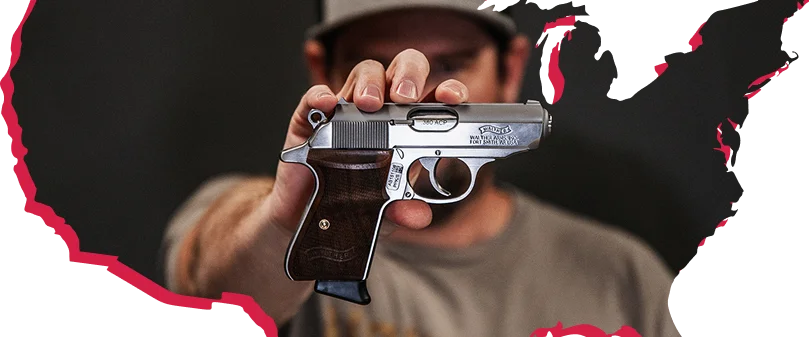


Determining the value of an Iver Johnson firearm requires understanding its specific place in the company’s long history. While primarily known for its accessible and widely produced handguns, particularly revolvers, the manufacturer also produced a range of long guns. The worth of any given model is heavily influenced by its type—whether it’s a vintage safety automatic revolver, a utilitarian Champion shotgun, or a modern 1911 pistol—as well as its overall condition and historical context.
What Determines Your Iver Johnson’s Worth
The primary factors determining an Iver Johnson’s worth are its specific model, mechanical condition, and cosmetic appearance. Most of these firearms have a relatively low market value, with online forums and auction sites suggesting prices typically ranging from $50 to $300. Because of this modest value, obtaining a professional appraisal is likely not worth the cost. A more practical approach is to research completed auctions on gun-related websites to establish a realistic estimate. While vintage pre-WWII models may have some collector interest, the majority of Iver Johnson firearms are valued as functional, budget-friendly shooters rather than high-demand collectibles.
2026 Price Breakdown by Generation
Early Safety Automatic Revolvers
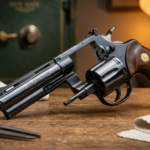
The early pre-WWII Iver Johnson safety automatic revolvers represent a significant portion of the brand’s historical output. These models are differentiated by key design changes, such as the transition from designs intended for black powder to those capable of handling modern smokeless powder. While specific value breakdowns comparing the three distinct generations of these revolvers are not readily available, the average used value for a typical Iver Johnson pistol is approximately $150 to $170. For these older firearms, value is intrinsically tied to originality, mechanical soundness, and the amount of original finish remaining.
Collectors of these early revolvers place a premium on models that are in excellent, all-original condition. Any modifications, significant wear, or mechanical issues will substantially decrease their value. The historical context of a specific piece, such as its particular manufacturing period, can influence interest among niche collectors, but for the most part, these remain affordable entry-level items in the world of antique firearms. Their value is more a reflection of their history and design than their performance by modern standards, making them interesting but not typically high-dollar assets.
Champion Single-Shot Shotguns
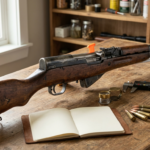
Iver Johnson’s Champion line of single-shot shotguns are classic examples of utilitarian American firearms, valued more for their durability and function than for collectibility. Based on recent sales data and current listings, the average used price for an Iver Johnson Champion shotgun is approximately $128. However, the price can fluctuate, with specific models often listed for sale in the range of $150 to $330. This variation depends heavily on the specific gauge of the shotgun and, most importantly, its current condition. A well-preserved example will naturally command a higher price than one showing significant field use.
Because these shotguns were built as rugged tools for hunting and pest control, finding one in pristine condition is uncommon. Their value is directly linked to their usability. A clean bore, a solid stock without cracks, and a functional action are the key drivers of price. Unlike the older revolvers, minor cosmetic blemishes are often expected and do not detract from the value as severely, as long as the firearm remains safe and fully operational. These shotguns appeal to buyers looking for a simple, reliable firearm with a touch of classic design.
Modern 1911 Pistols
In more recent years, the Iver Johnson brand has been associated with a range of 1911-style pistols, which occupy a different market segment than its vintage offerings. The MSRP for new Iver Johnson firearms reflects this, with higher-end 1911 pistols priced at over $1,500, though various models are more commonly found in the $500 to $1,000 price range. The used value of these modern pistols is directly tied to their original retail price, current condition, and the specific features of the model. They compete in a crowded market, so their value is benchmarked against similar offerings from other manufacturers.
Unlike the fixed-feature vintage models, the value of a modern Iver Johnson 1911 can be influenced by its configuration, such as the presence of night sights, a custom finish, or an accessory rail. The depreciation from its new price will be significant, as with most modern firearms, but a well-maintained example will retain a respectable portion of its original cost. These pistols appeal to shooters looking for a feature-rich 1911 at a competitive price point, and their value reflects their performance and modern utility rather than historical significance.
Modern Shotguns and Carbines
Beyond the classic Champion models, the contemporary Iver Johnson lineup includes modern shotguns and carbines designed for today’s market. For instance, models like the MF410 shotgun are priced new at around $480. The resale value of these firearms is dictated by their condition and relevance in a market with many competing brands. Their worth is based on their features, reliability, and the demand for that specific type of firearm. As with the 1911s, they are judged on their merits as modern shooting tools, and their used prices will reflect typical market depreciation from their original MSRP.
It is also important to note that certain configurations of these modern firearms could have legal implications affecting their value. While Iver Johnson firearms are generally not classified as NFA items, specific models, such as certain pistol versions of their carbines, could potentially fall under NFA regulations depending on their features. Such a classification would dramatically alter the firearm’s marketability, requiring extensive legal paperwork and limiting the pool of potential buyers, thereby impacting its overall value. Sellers must be aware of these potential classifications before listing their firearm.
How Modifications Affect Value
While market consensus on the impact of specific value-adding or value-hurting modifications for Iver Johnson firearms is not widely documented, general principles of firearm valuation apply. For vintage models, such as the early safety automatic revolvers, originality is paramount. Any alteration from the factory configuration, including refinishing, non-original grips, or mechanical changes, will almost universally decrease its value to a collector. For modern firearms like their 1911s, functional upgrades might appeal to some buyers but rarely add monetary value beyond a fraction of the parts’ cost, as buyers often prefer to customize firearms themselves.
A critical consideration regarding modifications is the potential for reclassification under the National Firearms Act (NFA). Generally, Iver Johnson firearms are not NFA items. However, if a rifle or shotgun is modified by shortening the barrel below the legal limits (16 inches for a rifle, 18 inches for a shotgun), it becomes a short-barreled rifle (SBR) or short-barreled shotgun (SBS). This change in classification makes the firearm subject to strict federal regulations, including registration and a tax stamp, which drastically alters its legal status, marketability, and value, often in a negative way if not done legally.
Regional Price Variations in 2026
The value and legality of an Iver Johnson firearm can vary significantly based on state and local laws, particularly in states with strict regulations like California. In California, the legality of any handgun depends on whether it is listed on the state’s Roster of Certified Handguns. Most vintage Iver Johnson revolvers will not be on this roster, making them difficult to transfer legally. Furthermore, rifles and shotguns must not be classified as assault weapons based on features like a pistol grip or a telescoping stock. Some Iver Johnson shotguns are sold as California-compliant, indicating how regional laws directly influence a firearm’s configuration and market.
Similarly, New York’s SAFE Act imposes stringent rules that affect the value of Iver Johnson firearms. The Act provides a strict definition of what constitutes an assault weapon, placing restrictions on various features and limiting magazine capacity. The legality of any semi-automatic Iver Johnson rifle or pistol, or even certain shotguns, is contingent on its compliance with these statutes. This can render a standard model illegal to sell within the state, collapsing its local market value and forcing sellers to look for buyers in less restrictive jurisdictions, which involves the added complexity and cost of an interstate transfer.
Online vs Local Sales
When selling an Iver Johnson firearm locally through a private sale, the process is governed by state and local laws, which vary significantly. Some jurisdictions mandate that a bill of sale be used for all private firearm transfers to create a record of the ownership change, while in other states, it is not legally required but is still considered a good practice for liability protection. A local sale offers the benefit of a face-to-face transaction, but the seller is responsible for verifying the buyer’s eligibility and complying with all local statutes, and the potential pool of buyers is limited by geography.
Selling online opens up a national market of potential buyers but introduces federal regulations. According to federal law, an unlicensed individual cannot directly transfer a firearm to a resident of another state. To legally sell an Iver Johnson firearm to an out-of-state buyer, it must be shipped to a Federal Firearms License (FFL) holder in the buyer’s state of residence. The buyer must then go to that FFL, complete the required ATF Form 4473, and pass a background check before taking possession. This process ensures legal compliance but adds shipping and transfer fees to the transaction.
The logistics of shipping an Iver Johnson, especially a handgun, are also strictly regulated. A private seller must use a common carrier such as UPS or FedEx and is required to declare to the carrier that the package contains a firearm. The firearm must be shipped to a valid FFL holder and sent using an expedited service, like Next Day Air. Furthermore, the package cannot be dropped off at a third-party retail location like The UPS Store; it must be taken directly to a primary shipping hub, adding another layer of complexity to the online selling process.
The FFL Buying Advantage
Selling your Iver Johnson firearm directly to a Federal Firearms License (FFL) holder, such as a local gun shop, offers a significant advantage in terms of speed, safety, and convenience. This method eliminates the complexities and potential legal risks associated with a private sale. The transaction is straightforward: you present the firearm to the dealer, agree on a price, and complete a simple transaction. The FFL holder assumes all responsibility for the firearm from that point forward, including handling the legal paperwork for its eventual resale, providing the seller with immediate peace of mind.
The trade-off for this convenience is the price you will receive. Gun dealers must account for their business overhead, the time the firearm may sit in inventory, and their need to make a profit. As a result, they will typically offer between 50% and 65% of the firearm’s estimated used retail value. For Iver Johnson models that are particularly desirable or in high demand and likely to sell quickly, the offer might be slightly higher, potentially reaching up to 70%. This lower cash offer reflects the immediate, hassle-free nature of the sale.
What Increases Your Offer
While a specific consensus on penalties for incompleteness or non-original parts is not available for Iver Johnson firearms, it is a universal rule in firearm sales that completeness adds value. An offer will almost always be higher for a firearm that includes its original box, user manual, and any accessories that came with it from the factory. This is especially true for older, more collectible models, where the original packaging can significantly enhance its appeal to a collector. Similarly, ensuring the firearm has all its original parts is crucial, as replacements or modifications can detract from its historical and monetary value.
To maximize your offer, especially in an online sale, excellent photography is non-negotiable. To effectively photograph your Iver Johnson, use a simple, neutral background that doesn’t distract from the firearm. Ensure you have ample, even lighting to avoid harsh shadows and flash reflections. You must capture multiple high-resolution images from every angle, including close-ups of all markings, the serial number, and any specific areas of wear or damage. Sharp, in-focus photos provide a transparent and detailed representation of the gun’s condition, which builds buyer confidence and leads to stronger offers.
Although a formal market consensus on the value of pre-sale cleaning is unavailable, presenting a clean and well-maintained firearm is a fundamental best practice that can increase your offer. A clean gun not only looks better in photographs but also allows a potential buyer to more easily inspect its condition, from the bore to the action. It demonstrates pride of ownership and suggests the firearm has been properly cared for. A dirty, neglected firearm can cause buyers to assume there are hidden mechanical issues, leading them to submit lower offers to compensate for the perceived risk.
When to Sell Your iver johnson
Timing the sale of your Iver Johnson can impact how quickly it sells and the price you receive, with market activity often following seasonal trends. For firearms in general, including handguns like the popular Iver Johnson revolvers and 1911s, the period from February through April is frequently cited as a strong selling season. This surge in market activity is often attributed to buyers using their annual tax refunds to make purchases. Listing your firearm during this window increases the likelihood of encountering motivated buyers who are actively looking to spend, potentially resulting in a faster sale.
If you are selling an Iver Johnson long gun intended for hunting, such as a Champion shotgun, the market dynamics shift toward the latter half of the year. The demand for hunting rifles and shotguns typically sees a significant increase in the months leading up to the primary hunting seasons. By listing your firearm from approximately August to October, you are positioning it directly in front of buyers who are preparing for the season. This targeted timing can create more competition for your firearm and help you achieve a better selling price due to the heightened seasonal demand.
Conversely, it is wise to be aware of the slowest periods for firearm sales. The summer months, and particularly July, are frequently mentioned as the most sluggish time for the market. During this period, potential buyers are often focused on family vacations, outdoor activities, and other expenditures, leading to a general downturn in firearm sales. While you can still sell a firearm during the summer, you may find that it takes longer to find a buyer and that you receive fewer and potentially lower offers due to the reduced overall market activity.
Common Pricing Mistakes
One of the most frequent mistakes owners make is significantly overvaluing their Iver Johnson firearm. These firearms generally have a low market value, with most common models selling in the $50 to $300 range depending on their condition. It is an error to price a standard-production revolver or shotgun as if it were a rare collectible. For this reason, investing in a professional appraisal is usually not cost-effective, as the fee for the appraisal service could easily be a substantial percentage of the firearm’s actual worth. A realistic mindset is key to a successful sale.
Another critical error is failing to conduct proper market research before setting a price. Many sellers look at active listings and mistake asking prices for actual market value. A far more accurate method is to research the prices of completed auctions on popular gun-related websites. This data shows what buyers are actually willing to pay for a specific Iver Johnson model in a similar condition to your own. This evidence-based approach removes guesswork and helps you establish a competitive and realistic price that will attract serious buyers rather than languishing on the market.
Finally, a major pricing mistake is not being objective and transparent about the firearm’s condition. A seller might list a gun with visible holster wear, minor pitting, and a worn bore as being in “good” or “excellent” condition, leading to a price that is disconnected from reality. Buyers are adept at spotting inconsistencies, and overstating the condition erodes trust. It is essential to thoroughly inspect the firearm, grade it honestly against established standards, and price it accordingly. A lower price for a gun in “fair” condition will sell faster than an overpriced one misrepresented as “excellent.”
Market Outlook for 2026
While a definitive future price prediction for Iver Johnson firearms is not available, the market for these types of firearms tends to be relatively stable. The majority of Iver Johnson models, particularly the vintage revolvers and single-shot shotguns, are valued as functional, utility-grade firearms rather than high-appreciation collectibles. Their worth is anchored in their accessibility and affordability for new shooters, casual collectors, or those seeking a budget-friendly tool. As such, they are not expected to experience the significant price fluctuations seen in more speculative segments of the firearms market.
The market outlook can be divided by model type. The value of older, pre-WWII revolvers will likely continue to be driven by a small, niche collector base, with prices remaining modest and stable, only increasing slightly for exceptionally well-preserved examples. The modern Iver Johnson 1911s and shotguns will face ongoing competition from a vast number of other manufacturers. Their future value will be dictated by their reputation for reliability and performance relative to their price point, likely following standard depreciation curves for modern firearms rather than showing any significant growth as investments.
Frequently Asked Questions
Is it worth getting a professional appraisal for my Iver Johnson?
For the vast majority of Iver Johnson firearms, a professional appraisal is not a worthwhile expense. These firearms generally have a low market value, often between $50 and $300, and the cost of a formal appraisal could easily approach or exceed the gun’s actual worth. A more practical and cost-effective method for determining value is to research completed auctions on various gun-related websites. This will give you a realistic idea of what buyers are currently paying for your specific model in a similar condition, providing a much better foundation for setting a price.
Does the original box add significant value to an Iver Johnson?
While specific data on a completeness penalty is unavailable, having the original box and any accompanying paperwork or accessories almost always adds value to a firearm, especially a vintage one. For a common, utility-grade Iver Johnson shotgun, it may only add a small premium. However, for an older, collectible safety automatic revolver in excellent condition, the original box can significantly increase its appeal to a dedicated collector. It helps authenticate the firearm and provides historical context, often resulting in a notably higher final sale price compared to the gun alone.
How much does the model type affect the price?
The specific model is one of the most significant factors in determining an Iver Johnson’s price. There is a vast difference in value across the company’s product lines. For example, a used Iver Johnson Champion single-shot shotgun typically sells for around $128, and a vintage revolver might fetch $150 to $170. In contrast, a modern, new Iver Johnson 1911-style pistol can have an MSRP ranging from $500 to over $1,500. The firearm’s design, era of production, and intended purpose create distinct market values for each type.
Will selling to a dealer get me less money than a private sale?
Yes, selling to a dealer will almost certainly result in a lower price than you could achieve in a private sale. Dealers typically offer between 50% and 65% of a used firearm’s retail value to account for their business expenses and profit margin. The higher price of a private sale is the trade-off for the additional time, effort, and potential legal liability you must assume as the seller. Selling to a dealer offers immediate payment and a hassle-free, legally sound transaction, which many sellers find to be worth the lower cash offer.
Can a modification make my Iver Johnson an NFA item and change its value?
Yes, a modification can absolutely change your firearm’s legal status and value. While most Iver Johnson firearms are not NFA-regulated, altering one by, for example, shortening a rifle barrel to under 16 inches or a shotgun barrel to under 18 inches would reclassify it as a short-barreled rifle (SBR) or short-barreled shotgun (SBS). This places it under the strict regulations of the National Firearms Act, requiring federal registration and a tax stamp. An illegal, unregistered NFA item is a serious felony, making the firearm effectively worthless and a major legal liability.
Get a Cash Offer Today
Ready to sell your Iver Johnson? We make the process safe, simple, and fast. Avoid the uncertainty and legal complexities of private sales by getting a fair, no-obligation cash offer from us today. We are a trusted Federal Firearms License holder dedicated to providing a secure and professional experience.
Simply submit the details of your firearm through our easy-to-use online form, and our experts will get back to you with a competitive offer. Sell with confidence and get paid quickly. Let us handle the paperwork and logistics so you can have a hassle-free sale from the comfort of your home.