
The LMT MARS-L is a top-tier rifle renowned for its ambidextrous controls, monolithic upper, and battle-proven reliability. Understanding its market value is key to a successful sale. This guide breaks down the essential factors that determine your rifle’s worth, from its specific configuration and aftermarket modifications to regional laws and seasonal market trends. By leveraging this data, you can accurately price your firearm and navigate the selling process with confidence, ensuring you receive a fair and competitive offer.
What Determines Your LMT Mars L’s Worth
The primary worth of an LMT MARS-L is determined by its specific model and configuration rather than distinct generations. For instance, a standard Defender-L model may start around $1,785, while specialized variants like the New Zealand or Estonia Reference Rifles can command prices over $2,900 due to their unique features and contract-specific builds. Condition, finish, and current market demand are also critical factors. Because the market value is well-established online, a professional appraisal is often unnecessary for a private sale but can be valuable for insurance purposes or if the rifle has unique historical significance.
2026 Price Breakdown by Generation
Stripped Lower Receivers
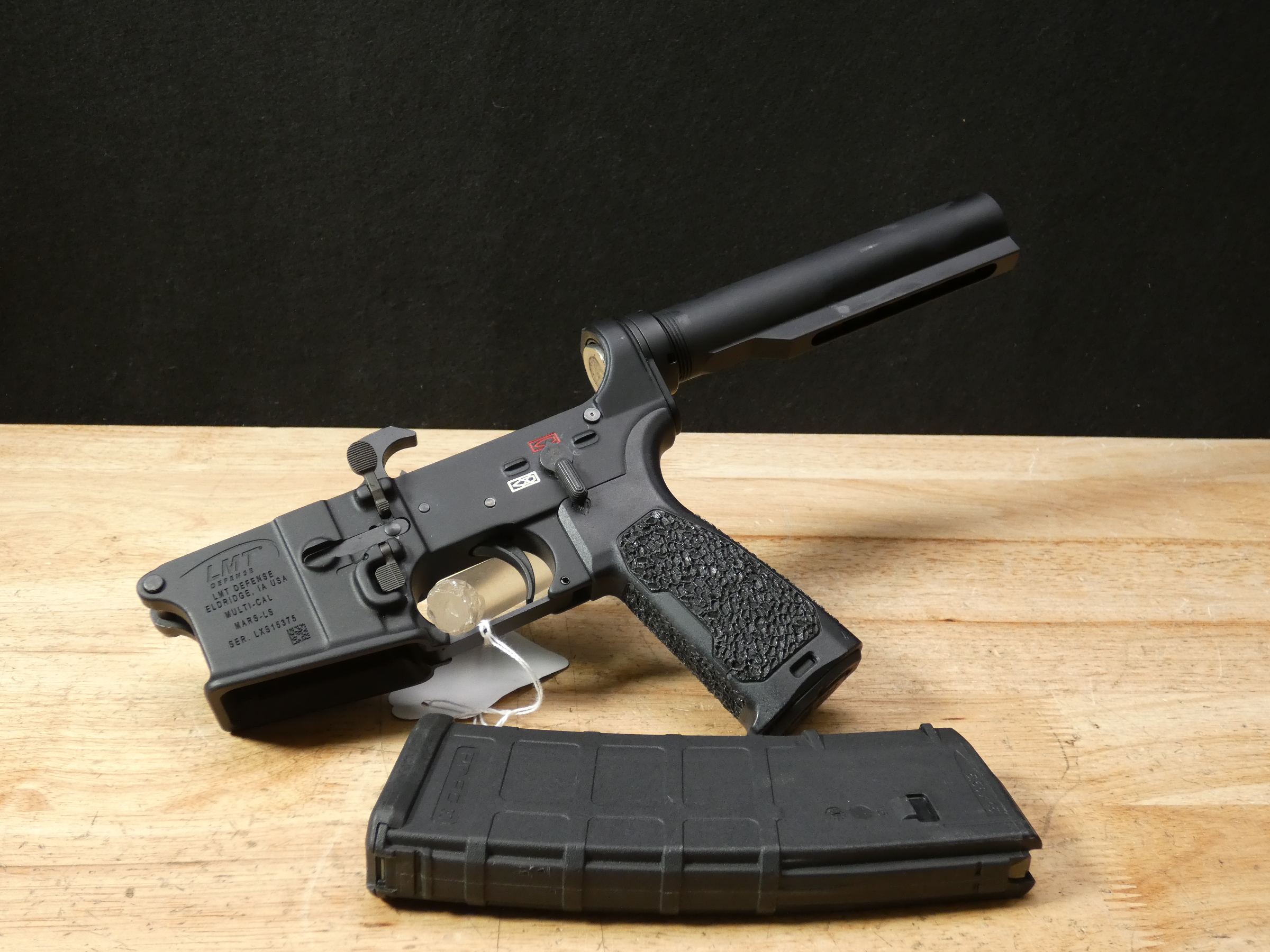
While not a “generation,” the foundational component of any build is the MARS-L stripped lower receiver, which represents the entry point into the LMT ecosystem. These lowers are highly sought after for their fully ambidextrous controls, including the magazine release, bolt catch, and safety selector. Foundational value for a stripped MARS-L lower receiver typically starts from around $342. This allows builders to create a custom firearm from the ground up, selecting every component to their exact specifications, which ultimately dictates the final value of the completed firearm well beyond this initial cost.
Building from a stripped lower provides maximum flexibility in determining the firearm’s final classification. A build can result in a long gun if a 16-inch or longer barrel and a stock are used. Alternatively, using a shorter barrel and a pistol brace classifies it as a handgun. It is crucial to understand that while the lower receiver itself is not an NFA item, it is the platform used to build NFA-regulated firearms, such as short-barreled rifles (SBRs) with barrel lengths under 16 inches, which requires federal registration and a tax stamp.
Standard Rifle Configurations
The most common variants of the LMT MARS-L are the complete factory rifles, which form the core of its market value. A new rifle can range from approximately $1,786 to $2,538, depending on the specific model and features. On the used market, a common configuration in good condition can be estimated to range from $1,800 to $2,500. The final price within this range is heavily influenced by its cosmetic condition, round count, and whether it includes original accessories. These standard models represent the baseline from which all other valuations are typically measured.
The legal classification of these standard configurations directly depends on their factory setup. Models sold with a 16-inch barrel and a shoulder stock are classified as rifles, a type of long gun. In contrast, LMT also offers models with shorter barrels, such as 11.5 or 14.5 inches, equipped with a pistol brace instead of a stock. These versions are legally classified as pistols. This distinction is important for buyers and sellers to understand, as local and state laws governing pistols and rifles can differ significantly, impacting the potential market for the firearm.
Specialized Contract Rifles
At the highest end of the value spectrum are the specialized military contract rifles, such as the New Zealand or Estonia Reference Rifles. These models command a significant premium over standard configurations, with new examples often priced over $2,900. Their value is derived from their specific, contract-correct components, unique markings, and relative rarity. On the secondary market, their desirability can push prices even higher; for instance, a “barely used” New Zealand reference rifle was listed for sale at over $3,000, showcasing the strong demand from collectors and dedicated enthusiasts for these particular variants.
The elevated worth of these reference rifles is not just about performance but also about authenticity and collectibility. Buyers are paying for a piece of military history and a firearm built to the exact specifications of a foreign military contract. This provenance adds a layer of value that commodity rifles lack. For sellers, owning one of these specialized models means targeting a niche but highly motivated market segment willing to pay a premium for the accuracy, rarity, and story behind the firearm, making it a distinct and valuable asset within the LMT MARS-L family.
Custom and Modified Builds
Custom builds and modified factory rifles represent a unique category where value is determined by the quality and desirability of the components used. Unlike many firearms where modifications can hurt resale value, certain upgrades on a MARS-L are widely seen as improvements. For example, replacing the stock LMT trigger with a high-quality aftermarket option from a respected brand like Geissele or LaRue is a common and sought-after modification. This is generally viewed as a positive selling point for discerning buyers and is unlikely to detract from the rifle’s overall worth, often making it more appealing.
Similarly, the addition of premium accessories can substantially increase the appeal and final sale price of a custom package. Including high-end optics from reputable brands such as Aimpoint, EOTech, Trijicon, or Nightforce adds significant value. While a seller may not recoup the full retail price of the optic, its inclusion makes the rifle a more attractive, turn-key solution. The same principle applies to quality iron sights from brands like Knight’s Armament (KAC), Magpul Pro, or LMT’s own factory sights, which are all considered value-adding modifications that enhance the rifle’s marketability.
How Modifications Affect Value
For a high-end platform like the LMT MARS-L, tasteful and functional modifications can enhance its resale value. The inclusion of premium optics from sought-after brands like Aimpoint, EOTech, Trijicon, or Nightforce can make a sales package significantly more attractive to potential buyers. While you are unlikely to recoup the full retail cost of the optic, its presence can increase the final sale price. The same logic applies to high-quality iron sights; adding a set from Knight’s Armament (KAC), Magpul Pro, Scalarworks, or LMT’s own factory sights is considered a valuable and desirable upgrade that positively impacts worth.
Among enthusiasts, upgrading the stock trigger is a widely accepted improvement. Swapping it for a high-performance aftermarket trigger from a top-tier manufacturer like Geissele or LaRue is a common modification that is unlikely to hurt resale value and may be a key selling point. Crucially, regardless of the modifications made, the general consensus is that including the original factory parts is highly advantageous. The ability for a new owner to revert the firearm to its stock configuration is a major consideration for many purchasers and can make or break a potential sale.
Regional Price Variations in 2026
The value and marketability of an LMT MARS-L can be significantly impacted by state-level firearm restrictions. In a highly regulated state like California, the rifle is only legal if purchased in a state-compliant configuration. This typically means a “featureless” model with a modified grip and a fixed stock, or a version equipped with a fixed magazine that requires breaking the action to reload. These necessary modifications create a specific sub-market, where the rifle’s value is tied not only to its LMT pedigree but also to the quality and legality of its compliance features, potentially limiting its appeal to out-of-state buyers.
Similarly, New York’s SAFE Act places heavy restrictions on rifles like the MARS-L, making it illegal in its standard configuration. To be legally sold within the state, it must be modified to be compliant, such as by fixing the magazine or removing features like the pistol grip, flash hider, and adjustable stock. This creates regional price variations, as a compliant model may be more valuable within that restricted market but less desirable to a buyer in a state with fewer restrictions. The cost and permanence of these modifications are therefore factored into its regional price.
Online vs Local Sales
Selling an LMT MARS-L through an online marketplace to an out-of-state buyer requires strict adherence to federal law. The Gun Control Act of 1968 mandates that all interstate firearm transactions must be facilitated by a Federal Firearms Licensee (FFL). This means a private seller cannot ship the rifle directly to the buyer. Instead, the seller must take the firearm to a local FFL, who will then ship it to another FFL in the buyer’s state of residence. This process ensures a legal transfer but adds logistical steps and potential costs for both parties involved.
Opting for a local sale to a licensed dealer offers a much simpler and faster transaction. Gun dealers typically offer between 50% and 65% of the current market value for a used firearm. However, given that the LMT MARS-L is a high-quality, desirable rifle that dealers can resell quickly, the offer may extend to 70% of its value. This path provides immediate payment and eliminates the complexities of private party sales, though it comes at the cost of not achieving the highest possible sale price that a private transaction might yield.
It is critical for private sellers to understand that they are prohibited from shipping firearms directly through common carriers like UPS and FedEx. Both companies have policies requiring the shipper to be a licensed dealer, manufacturer, importer, or collector who holds an existing contractual agreement for shipping firearms. Therefore, a private individual must utilize the services of an FFL to properly package and legally ship the MARS-L to the buyer’s receiving FFL holder, even if the sale was arranged privately online. This rule underscores the non-negotiable role of FFLs in the process.
The FFL Buying Advantage
Utilizing a Federal Firearms Licensee (FFL) is not just an advantage but a legal necessity for any interstate firearm sale. When you sell your LMT MARS-L to a buyer in another state, the firearm must be shipped to an FFL in the buyer’s state of residence. This licensed dealer serves as the crucial intermediary, legally responsible for receiving the firearm and ensuring all regulations are met. The FFL will verify the buyer’s identity and conduct the mandatory background check through the National Instant Criminal Background Check System (NICS) before the firearm can be legally transferred to the new owner.
This FFL-to-FFL transfer process, as mandated by the Gun Control Act of 1968, provides a layer of legal protection for both the seller and the buyer. It ensures the transaction is compliant with all federal, state, and local laws, effectively removing the legal burden from the private seller. While the buyer typically pays a transfer fee to their FFL, this system guarantees a documented, traceable, and lawful exchange. For the seller, working through an FFL provides peace of mind that the firearm has been transferred responsibly and according to established legal protocols.
What Increases Your Offer
One of the most effective ways to increase the offer for your LMT MARS-L is to present it as a complete package. The absence of the original case and magazines can lower its resale value, as collectors and discerning buyers place a premium on completeness. Including all original factory items can add up to 10% to a used gun’s price, which for a rifle in this price range could translate to an additional $150 to $250. This demonstrates meticulous ownership and makes your firearm more appealing than competing listings that are missing these components.
Presentation is paramount, especially when selling online. To maximize your offer, you must provide excellent photographs. Use a clean, non-distracting background and ensure the rifle is well-lit with diffused or multiple light sources to eliminate harsh shadows. Take numerous high-resolution photos from various angles, including close-ups of all markings, modifications, and any signs of wear or blemishes. A modern smartphone camera is generally sufficient, but using a tripod will help ensure your images are sharp and clear, building buyer confidence and justifying your asking price through transparency.
If your rifle has been modified, including all the original factory parts is a highly effective way to boost its value. Many potential buyers appreciate the ability to revert the firearm to its stock configuration, and providing these parts makes your listing far more attractive. Furthermore, retaining documentation such as the original sales receipt for the rifle and any high-end accessories like optics can substantiate its history and value. This level of detail strengthens your negotiating position and signals to buyers that they are dealing with a serious and trustworthy seller.
When to Sell Your lmt mars l
Timing your sale can significantly influence the final offer you receive, as the firearm market follows predictable seasonal trends. The summer months, particularly June and July, generally represent a slowdown in sales. During this period, potential buyers are often preoccupied with vacations and other activities, leading to reduced market demand. Listing your LMT MARS-L during this lull can result in a longer time on the market and potentially a lower selling price. To maximize your return, it is often advisable to wait for more favorable conditions later in the year.
The market typically gains momentum in the fall and continues to strengthen through the winter. This favorable selling season often begins in August, as enthusiasts and hunters prepare for upcoming seasons, and it remains strong through the holiday period from October to December. By listing your rifle during this peak window, you expose it to a larger and more active pool of motivated buyers. This increased demand creates a more competitive environment, improving your chances of achieving a sale at or near your full asking price in a shorter amount of time.
Beyond seasonal patterns, political events can act as a powerful catalyst for firearm sales. Election years, in particular, often create heightened demand due to consumer concerns about potential changes to gun legislation. This sense of urgency can drive prices up and lead to quicker sales for desirable firearms like the LMT MARS-L. Monitoring the political climate and timing your sale to coincide with these periods of increased market activity can be a strategic move to capitalize on favorable selling conditions and secure the best possible return on your investment.
Common Pricing Mistakes
A primary pricing mistake is allowing personal attachment to inflate the asking price beyond realistic market value. While the LMT MARS-L is a premium firearm, its worth is ultimately dictated by current market supply and demand, not sentiment. It is essential to research recent sales of comparable models on forums and online marketplaces to set a competitive price. For a standard model, a professional appraisal is not cost-effective, as its value is well-documented online and based primarily on its specific configuration, condition, and included accessories, not on an owner’s personal investment.
Another frequent error is underestimating the financial penalty for an incomplete package. Sellers often overlook the value of original accessories, but their absence can significantly detract from the final offer. Failing to include the factory case, manuals, and original magazines can reduce the rifle’s value by up to 10%. For a firearm in this price bracket, this could mean a loss of $150 to $250. Discerning buyers expect a complete set, and providing it makes your rifle a more premium and desirable option compared to others on the market.
Failing to honestly assess and price according to the rifle’s cosmetic condition is a critical misstep. While specific data on financial penalties for cosmetic damage is unavailable, it is a universal factor in valuation. A rifle in pristine condition will always command a higher price than one with noticeable scratches, dings, or finish wear. Overpricing a firearm with visible use or, worse, failing to disclose these blemishes, will erode buyer trust, lead to difficult negotiations, and ultimately result in a lower sale price or a failed transaction altogether.
Market Outlook for 2026
While a precise price prediction for the LMT MARS-L in 2026 is not available, its standing as a premium, military-grade rifle suggests it will retain its value exceptionally well. Unlike lower-tier firearms that can see sharp depreciation, the MARS-L’s reputation for quality, durability, and innovation insulates it from significant market downturns. Its advanced features, such as the fully ambidextrous lower and monolithic upper receiver, ensure it remains relevant and highly desirable among serious shooters, collectors, and defense-minded individuals, supporting a strong and stable secondary market value.
Looking ahead, the rifle’s value will likely be influenced by broader economic factors like inflation and the political climate. Historically, high-quality AR-platform rifles experience surges in demand during election years or periods of legislative uncertainty. As long as LMT continues to support the platform and its reputation remains intact, the MARS-L is poised to hold its value or even appreciate. Its use in military contracts further solidifies its long-term desirability, making it a sound investment for those who own one and a sought-after goal for those who do not.
Frequently Asked Questions
Is it worth getting a professional appraisal for my MARS-L?
For a standard used LMT MARS-L, a professional appraisal is typically not worth the cost for a private party sale. The market value for these rifles is well-established through online forums and marketplaces, with value being primarily determined by its specific model, condition, and current demand. However, an appraisal could be beneficial for insurance purposes to have a documented value on record, or if the firearm has unique historical significance, such as being a documented military contract overrun or a prototype model.
Does the rifle’s NFA status affect its resale value?
The LMT MARS-L lower receiver itself is not an NFA-regulated item and is transferred like any standard firearm. However, its value is linked to its potential for building NFA firearms, such as short-barreled rifles (SBRs). If you have legally registered the rifle as an SBR, its value can increase, but the pool of potential buyers becomes much smaller and the transfer process is more complex and lengthy. Selling the lower as a non-NFA item offers the broadest market access and simplest transaction for maximizing its base value.
How much does missing the original box and magazines hurt the price?
The absence of the original factory case and magazines will generally lower the resale value of your LMT MARS-L. While there isn’t a universally defined penalty, collector and reseller consensus suggests that the original packaging and accessories can add a premium of up to 10% to a used gun’s price. For a rifle in this price bracket, that translates to a potential value reduction of approximately $150 to $250, making it worthwhile to keep all original items together to maximize your offer.
Will a high round count significantly lower my rifle’s value?
While specific market data on the financial impact of a high round count is not available, it is a recognized factor in firearm valuation. The LMT MARS-L is engineered to military-grade standards for extreme durability, so it can handle extensive use. However, critical components like the barrel and bolt have a finite service life. A rifle with a very high round count will inherently be worth less than a “like new” or low-round-count example, as a potential buyer may need to factor in the future cost of replacing these primary wear parts.
Does the rifle’s configuration as a pistol or rifle change its base value?
Yes, the specific configuration significantly impacts its legal classification and can influence its market value. Models with shorter barrels (e.g., 11.5 inches) and a pistol brace are classified as pistols and appeal to a specific segment of the market that may prioritize compactness. Conversely, versions with a 16-inch barrel and a stock are classified as rifles. The value is ultimately tied to the desirability of that particular factory configuration. In many cases, factory-built short-barrel configurations are more sought-after and can command a higher price among certain buyers than standard 16-inch models.
Get a Cash Offer Today
Ready to sell your LMT MARS-L? We make the process simple and secure. Avoid the complexities of private sales and get a fair, competitive cash offer today. Our expertise ensures you receive a valuation that reflects the true market worth of your high-quality firearm.
Click the button below to begin. We handle all the necessary FFL paperwork and logistics, providing a safe and legally compliant transaction from start to finish. Turn your LMT rifle into cash quickly and confidently with a trusted partner in the firearms industry.