

Everyone has an opinion on what’s “hot,” but your real question is simpler: if you list it this month, will it actually sell quickly at a fair price, or will you get buried under noise and lowball messages?
If you’re deciding what to sell now, or what to list first, model chatter and “best of” lists don’t help much. Buzz is cheap, and resale demand is a different thing than quality, hype, or MSRP.
The tradeoff you’re juggling is popularity versus price and collectibility versus convenience, and monthly popularity is the quickest reality-check for resale demand in 2026.
In this report, popularity (market report) means a practical measure of recurring resale demand based on observed selling activity signals, not a review or endorsement. Use it as a sanity check for how easily something will move, how strong its resale position is, and how much negotiating pain you should expect.
We’ll keep it grounded across the big resale buckets-handguns, shotguns, rifles, and legacy classics-with the reminder that pricing varies by condition, configuration/variant, and local laws, and nothing here is legal advice.
You’ll walk away knowing what’s actually moving month to month, so you can price, list, or request an offer with your eyes open.
How this monthly report works
You’ll get better outcomes if you read these rankings like a resale conversion tool, not a best-of list. The point is to spot what actually turns into completed sales, then sanity-check your own expectations before you chase hype.
“Popular” here means active in the resale pipeline, not “highest quality.” A high-volume model can be easier to move because it has stronger liquidity, meaning it converts from interest and quotes into a completed sale quickly and reliably at current market pricing. That’s how you end up with fast movers that aren’t “collector priced,” and slow movers that are objectively nicer but take longer to place.
Cash My Guns (operated by Dunlap Gun Buyers) is a federally licensed firearms dealer (FFL), so the report is grounded in real resale activity it observes.
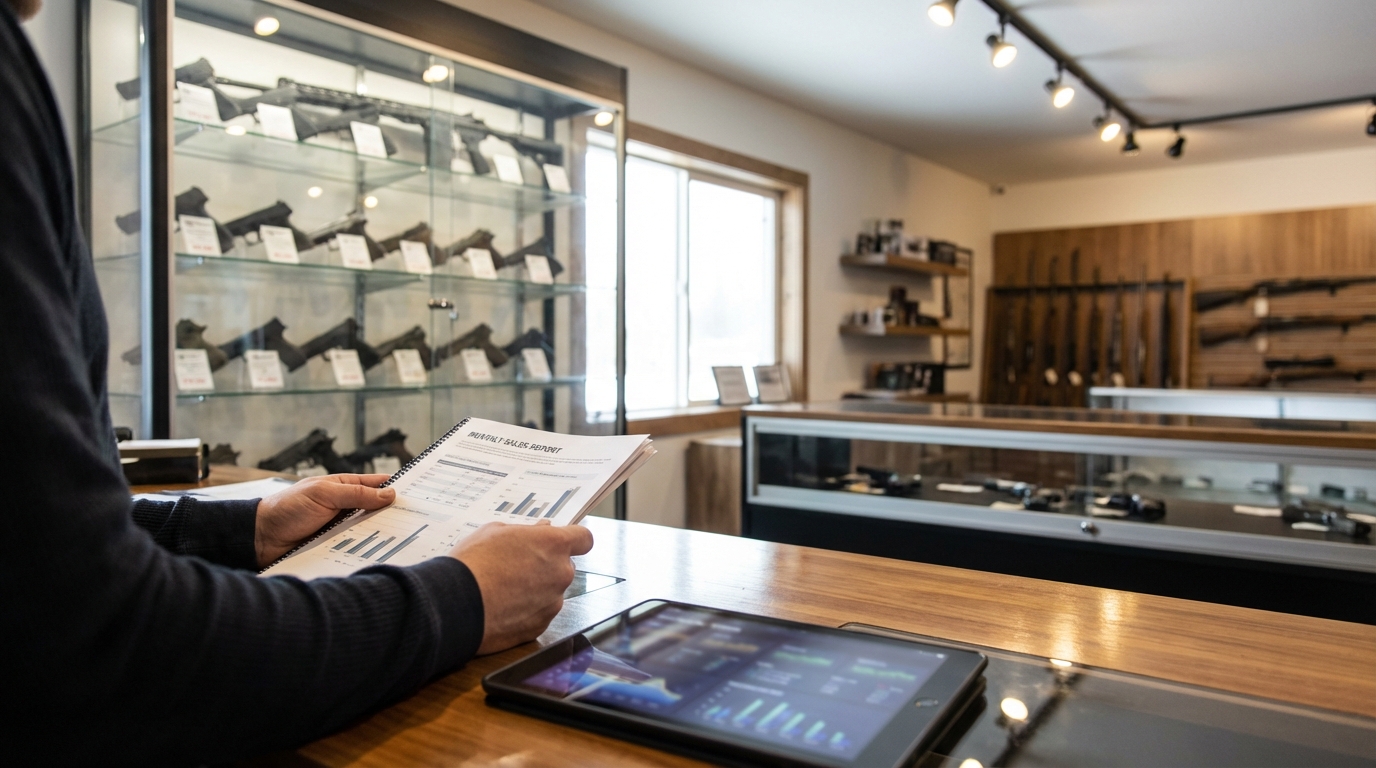
At a high level, the monthly view watches recent sales activity, buyer inquiries, trade-in volume, and observed price movement (see a prior monthly market report example for how these signals are tracked). Models are bucketed into handguns, shotguns, rifles, and collectibles or legacy, so you’re comparing like with like instead of mixing totally different buyer pools.
Start with make and model, then get specific on the variant, a sub-version (generation, trim, configuration, marked series) that can materially change resale value even when the model name looks identical. Be honest about condition details like finish wear and bore condition, note matching numbers where applicable, and list aftermarket parts, non-factory components that can help or hurt appraisal depending on buyer demand, so upgrades don’t automatically pay back. Use the report’s popularity signal alongside those basics and market data from dealer listings and auctions, plus seasonality and regional demand.
If you’re searching “Glock 19 value,” use popularity plus condition plus variant to set expectations. If you’re debating whether to sell now or later, watch observed price movement and seasonality before you commit. If your gun has mods, compare it against stock examples and assume buyers won’t reimburse every add-on.
The handgun rankings are where this framework shows its teeth, but the same discipline matters just as much when you’re pricing long guns and inherited staples—especially once you understand how supply and demand affects firearm resale prices.
Top-selling shotguns and rifles
Long guns stay strong in monthly resale volume for one simple reason: a lot of them are already in the closet. Hand-me-down hunting guns, the pump shotgun that lived behind the bedroom door, the .22 that taught two generations to shoot. That steady supply meets steady demand because buyers know exactly what they’re looking for. The catch is that tiny configuration details, finish lines, markings, barrel setup, and what’s included can swing an offer fast.
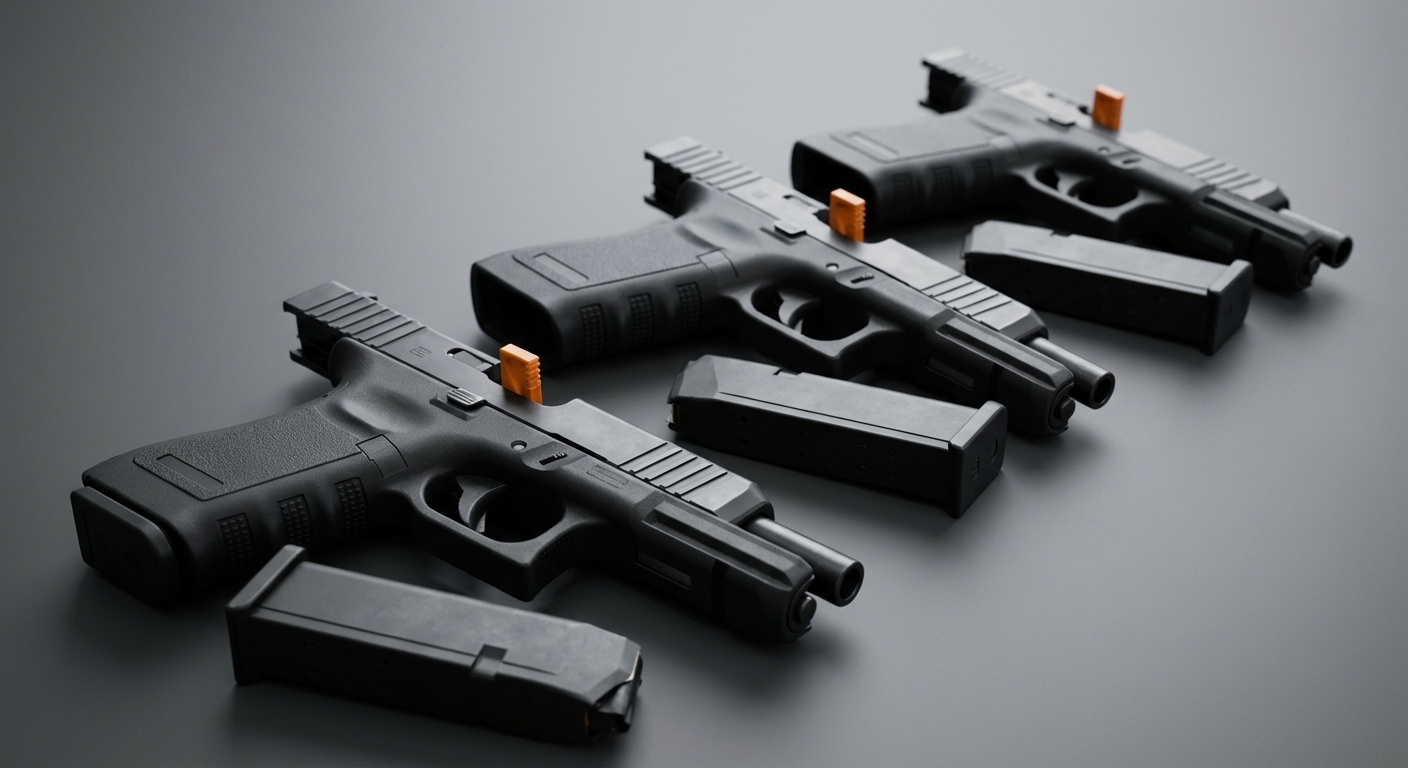
Pumps move because they’re familiar and practical. Buyers shop them like a checklist: barrel length, choke system (fixed vs tubes), magazine setup, and furniture condition. A 26 to 28-inch vent-rib barrel with interchangeable chokes prices differently than a short, fixed-choke barrel, even if the receiver is the same.
On the current value of a used 870, quick variant cues matter. Wingmaster receivers are typically polished and blued; Express models commonly wear a matte, utilitarian finish. Wingmaster usually pairs that with higher-gloss wood and more refined fit and finish than Express. Many 870 Police models are marked “870 Police” (or similar), and depending on SKU they can ship with duty features like extended magazine tubes and sling hardware. Those details are visible in photos, and buyers pay accordingly.
.22 LR trainers sell because they’re the “keep it forever” rifle that still gets traded constantly. Valuation is mostly condition and completeness: clean bore, intact crown, solid magazine fit, and uncracked stock. Aftermarket parts (swapped stock, trigger parts, optics rail) can help or hurt, depending on whether the setup is clean and reversible and whether you still have the original parts.
Common bolt-action hunting rifles move on practicality, but offers hinge on checkable specifics: honest finish wear, stock dings at the wrist and fore-end, and a bore that isn’t frosted or pitted. Scope inclusion matters, but only if you list what it is: brand and model, tube size, reticle, and whether rings and bases are staying on the gun. For certain classics and surplus guns, matching numbers (where applicable) separates “parts gun” money from collector money.
Put differently: the offer usually lives or dies on make and model, condition (finish and bore), matching numbers (where applicable), and whether the configuration and included accessories match what buyers are shopping for.
- Photograph receiver markings, serial area, and any model-line roll marks.
- Document barrel length and choke setup, include a clear photo of the choke marking or tube set.
- List what’s included: scope details, rings and bases, sling, extra magazines, extra choke tubes.
- Describe condition plainly: rust spots, stock cracks, bore notes, and any parts you know were swapped.
Monthly trends shaping resale values
The long-gun checklist above explains why some listings convert quickly. Month-to-month changes are the other half of the story, because the same model can feel “easy” or “stubborn” depending on what buyers are doing right now.
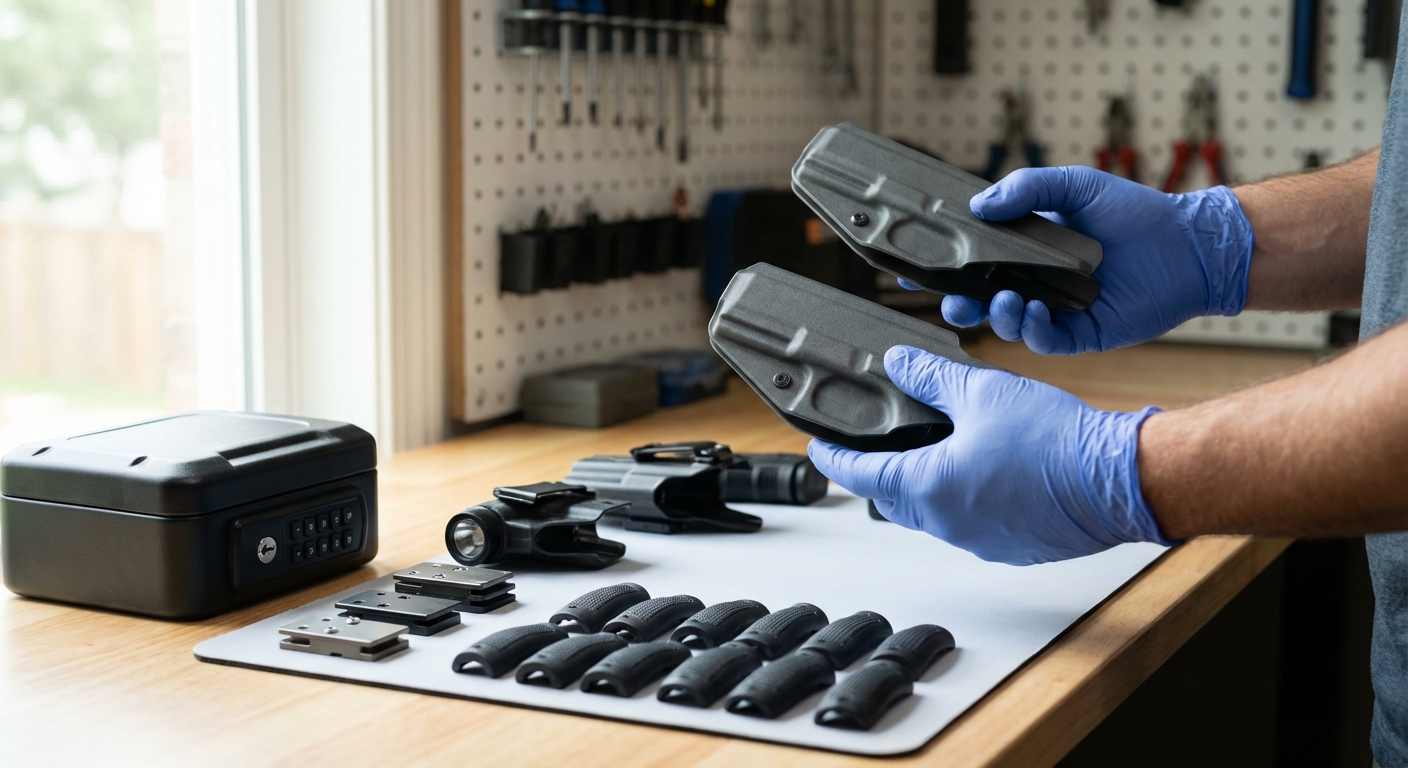
Month-to-month changes are normal. What moves is buyer urgency and pricing pressure, not some sudden verdict on whether your firearm is “good.” The tricky part is that expectations can shift fast, because the comps people shop against change fast.
Demand doesn’t rise evenly; certain categories surface because people are buying for a season, not because inventory magically improved. If you’re selling into an obvious seasonal rush, price tighter and photos matter more, because buyers compare listings aggressively.
A new model or refresh can redirect attention overnight, and optics-ready adoption (cut for a dot) has trained buyers to expect certain features. If your setup matches what buyers expect, say so clearly; if it doesn’t, price and presentation need to do more work.
When ammo feels easy to find, buyers act confident; when it feels scarce, they hesitate or narrow what they’ll consider. If you’re seeing hesitation on common surplus rifles, check what an SKS rifle is worth instead of chasing last month’s chatter.
What feels “hot” locally can be slow elsewhere. Cash My Guns valuations pull market data from dealer listings and auctions, and they explicitly account for seasonality and regional demand, so the number can move quickly with the market.
Since buyers shop packages, aftermarket parts and included accessories can affect appraisal. Bundle what people expect to see with the gun, mags, box, chokes, or a scope, and keep odds-and-ends separate if they distract from the core sale.
If you’re deciding when to sell, plan for normal monthly noise, bundle the stuff that reduces buyer friction, and pause for an appraisal when the market feels unclear, especially on inherited or collection lots.
Selling legally in key states
All of that pricing and timing only matters if the transfer itself is clean. The easiest way to avoid headaches is to treat selling as a compliance-first process, because one wrong assumption can derail an otherwise simple sale.
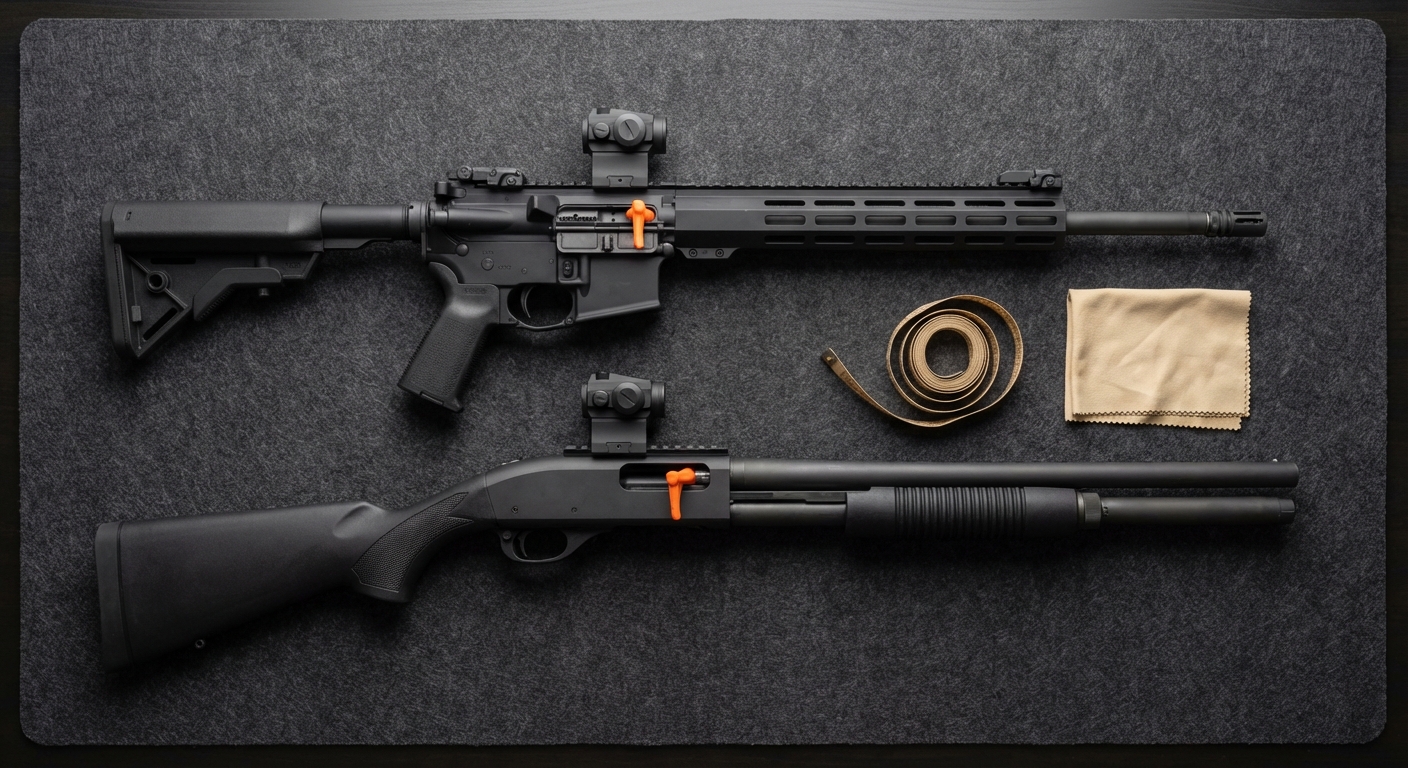
- Confirm who the buyer is and whether the transfer is in-state or interstate, that single detail drives the whole process.
- Default to a Federal Firearms Licensee (FFL), a federally licensed dealer authorized to receive, transfer, and record firearms, because an FFL is the safe hub for transfers that get complicated fast.
- Route any interstate transfer through an FFL in the recipient’s state, direct non-FFL to non-FFL transfers across state lines are generally prohibited (18 U.S.C. § 922(a)(5)).
- Ship or deliver to an out-of-state FFL when you’re selling, consigning, repairing, or getting an appraisal, federal law generally allows this (18 U.S.C. § 922(a)(2), § 922(a)(3)).
- Include a legible government-issued photo ID copy if the receiving FFL asks, they’re logging the firearm into their A&D (bound) book and need the correct name and address.
- TX: Typically no FFL or background check is required for a private, in-state transfer, and no state permit or license is required for ordinary private transfers, sellers still can’t transfer to someone they know or reasonably suspect is prohibited.
- FL: Typically no FFL or background check is required for a private, in-state transfer, with the same prohibited-person caveat.
- CA, GA, PA, OH, AZ, NY, NC, IL: Often expect extra state or local requirements, verify current rules and default to an FFL if anything feels unclear (see how to sell a gun by state).
When in doubt, route through an FFL and confirm requirements before you hand anything over.
Quick takeaways for 2026 sellers
If you want a smoother sale in 2026, prioritize what’s liquid and present it clearly, because the market rewards clarity more than stories. Use popularity as a recurring resale-demand signal (not a price guarantee), and remember that fast-moving comps can still shift month to month. On handguns, optics-ready interest makes the exact variant, magazine count, and honest condition notes the main drivers. On long guns, markings and configuration-like 870 Wingmaster vs Express-plus included chokes or scopes, speed up comps, and appraisals factor in aftermarket parts and accessories.
Identify your model and variant. Assess condition. Gather accessories and docs. Request an appraisal or offer through an FFL if you’re unsure, or through Cash My Guns, Safe • Legal • Hassle-Free and Trusted Since 2013.