
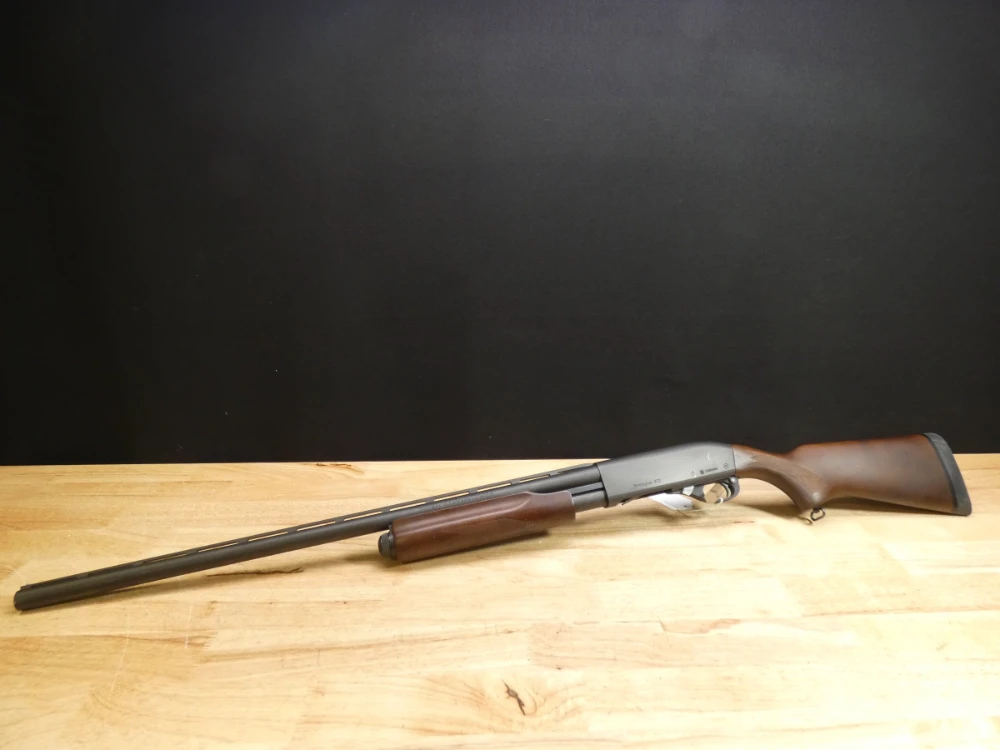
The Remington 870 stands as one of America’s most iconic and trusted pump-action shotguns, with a legacy spanning decades of service in hunting, sport shooting, and defense. Its enduring popularity ensures a robust used market, but its value is not static. The final price for your 870 depends heavily on its specific model, manufacturing era, overall condition, and any modifications. Understanding these key factors is essential for any owner looking to accurately assess its worth and secure a fair price.
What Determines Your Remington 870’s Worth
The value of a Remington 870 is primarily dictated by its specific model, condition, and manufacturing era. The most significant value distinction lies between the utilitarian “Express” line and the premium “Wingmaster” line, with the latter commanding higher prices due to its superior polished finish and machined parts. While a new 870 typically costs between $460 and $700, the used market sees prices from $250 to $600. Unlike many firearms, a high round count does not significantly devalue an 870; its legendary durability means that physical condition, presence of rust, and functionality are far more critical indicators of its worth than the number of shells fired.
2026 Price Breakdown by Generation
Pre-1980s Wingmaster Models
Often considered the gold standard by collectors and enthusiasts, pre-1980s Wingmaster models command the highest values in the 870 family. These shotguns are prized for their deep, rich bluing, finely checkered walnut stocks, and the use of machined and hand-fitted internal parts, which contribute to an exceptionally smooth action. Their build quality reflects a different era of manufacturing, making them highly sought after not just for their performance but also for their classic aesthetic and historical significance. A well-preserved example from this period is viewed less as a simple utility gun and more as a piece of American firearms heritage.
The market value for these older Wingmasters is significantly higher than for modern production guns, often exceeding the price of new models depending on condition. Rarity of a specific gauge or configuration can further increase its worth. Sellers who possess these firearms should highlight the manufacturing period and detailed condition, as discerning buyers are willing to pay a premium for the craftsmanship that defines this era. Unlike their modern counterparts, these shotguns are often seen as appreciating assets, holding their value exceptionally well over time and representing a sound investment for collectors of classic American firearms.
Modern Wingmaster Models
While still representing the premium tier of the 870 line, modern Wingmaster shotguns are valued slightly differently than their pre-1980s predecessors. They maintain the classic high-gloss wood stocks and polished blued receiver, setting them apart from the matte-finished Express models. These shotguns continue to offer a smoother action and superior fit and finish compared to the budget-oriented variants, making them a popular choice for hunters and clay shooters who appreciate classic styling combined with modern manufacturing reliability. Their value is based more on their excellent condition and functional superiority over other contemporary pump-action shotguns rather than on collectibility alone.
In the used market, a modern Wingmaster in excellent condition will fetch a significantly higher price than an Express model but will typically be valued below a pristine vintage example. The price for these models, which can range up to $1,500 for certain new variants, reflects their position as a high-quality, durable firearm built for extensive use. Sellers should emphasize the firearm’s condition and the tangible benefits of the Wingmaster line—such as the smoother pump cycle and enhanced aesthetics—to justify its premium price point over the more common and less expensive models available on the market.
Remington Express Models
The Remington 870 Express was introduced as a more affordable, no-frills version of the classic Wingmaster, and it has become one of the most common shotguns on the used market. Its value is rooted in its reliability and utility rather than its finish or collectibility. These models feature a matte or parkerized finish on the metal and often come with synthetic or hardwood stocks, designs intended to reduce production costs. While they share the same robust steel receiver and core design as the Wingmaster, the less refined finish makes them more susceptible to surface rust if not properly maintained, a key factor in determining their resale price.
Given their mass production, the value of a used Express model typically falls between $200 and $500. The price is heavily dependent on its cosmetic condition and any included accessories. Because they are often purchased as project guns or heavy-use tools for hunting and defense, they are frequently modified. A standard, well-maintained Express model represents an accessible and dependable option for buyers, but sellers should set realistic price expectations. Its value lies in its proven performance as a workhorse shotgun, not as a collector’s piece, making it a staple of the budget-friendly segment of the firearms market.
Specialized & Tactical Models
Beyond the standard hunting and sport configurations, Remington has produced numerous specialized and tactical 870 variants that command different price points based on their features. Models like the Police Magnum, built with heavy-duty components for law enforcement use, or tactical versions with features like ghost ring sights, extended magazine tubes, and specialized stocks, are valued higher than standard Express models. Their worth is directly tied to the cost and utility of these factory-installed upgrades, which appeal to the home defense and tactical shooting markets. These models often have prices for new examples that can approach or exceed $1,500.
A unique example in this category is the Remington 870 Tac-14. Due to its 14-inch barrel and bird’s head grip, it is federally classified as a “firearm” rather than a short-barreled shotgun (SBS), meaning it is not subject to NFA regulations. This specific legal classification makes it highly desirable in many areas, directly impacting its market value. The worth of these specialized models is less about traditional aesthetics and more about their specific features, legal status, and intended application, creating distinct sub-markets within the broader 870 ecosystem where functionality and unique configurations drive pricing.
How Modifications Affect Value
Functional, high-quality modifications can genuinely increase the value and appeal of a Remington 870, particularly for tactical and defensive applications. Upgrading the standard bead sight is one of the most common value-adding changes. Installing reputable aftermarket sights, such as an XS Big Dot for quick acquisition or a set of Wilson Combat ghost ring sights for enhanced precision, is a significant improvement. Additionally, adding a Picatinny rail to the receiver to mount a red dot optic is considered a major functional upgrade that broadens the shotgun’s versatility and can justify a higher asking price for buyers seeking a ready-to-use defensive firearm.
Conversely, while the market has not reached a clear consensus on specific modifications that universally hurt the 870’s value, poorly executed or highly personalized changes can be detrimental. Permanent alterations like amateur gunsmithing, crude stock modifications, or extreme custom paint jobs can significantly narrow the pool of potential buyers. While a functional upgrade from a reputable brand is often seen as a plus, a firearm laden with cheap, unreliable accessories or irreversible cosmetic changes may be worth less than one in its original factory configuration. Sellers should be aware that modifications are subjective, and what one person sees as an upgrade, another may see as a reason to offer less.
Regional Price Variations in 2026
The value and legality of a Remington 870 can be significantly influenced by state and local laws, creating regional price variations. For instance, in California, most pump-action 870s are legal, but they are still subject to strict regulations on overall length and magazine capacity, which can affect the desirability of certain tactical models. In New York, the SAFE Act’s restrictions on features like pistol grips and telescoping stocks primarily target semi-automatic shotguns, leaving most 870 configurations compliant. However, New York City imposes a stricter five-round magazine capacity limit, making standard-capacity models less valuable or illegal to possess within the city.
These regional differences are further complicated by federal classifications. A standard Remington 870 with an 18-inch or longer barrel is a non-NFA long gun, easily transferable in most states. However, an 870 variant with a stock and a barrel shorter than 18 inches is a Short-Barreled Shotgun (SBS), subject to strict NFA regulations and illegal in some jurisdictions. The Tac-14 model, with its 14-inch barrel but no shoulder stock, is classified as a non-NFA “firearm,” giving it a unique legal status that makes it accessible in some regions where an SBS would be prohibited, directly impacting its local market demand and value.
Online vs Local Sales
When selling a Remington 870 locally as a private individual, the transaction is governed by state law. Federal law does not mandate specific paperwork, like a bill of sale, for a private transfer between two residents of the same state. However, some states have enacted universal background check laws that require such transfers to be facilitated by a Federal Firearms Licensee (FFL). Regardless of legal requirements, creating a detailed bill of sale is a highly recommended best practice. This document serves as a crucial record of the transfer of ownership, protecting the seller from potential future liability associated with the firearm.
Selling a Remington 870 to a buyer in another state introduces federal regulations that make the process more complex. It is illegal for an unlicensed individual to directly transfer or ship a firearm to a resident of a different state. To complete the sale legally, the seller must ship the shotgun to an FFL in the buyer’s state of residence. The buyer then visits that FFL to complete the required federal paperwork and undergo a background check before they can legally take possession. This multi-step process adds shipping costs and transfer fees, which can influence the final sale price.
The logistics of shipping a firearm have become another significant hurdle for private sellers. While federal law requires the shipper to provide written notification to the carrier that the package contains a firearm, major carriers like UPS and FedEx have implemented corporate policies that generally prohibit private individuals from shipping firearms at all. These policies now mandate that any firearm shipment must be handled by an FFL holder. This effectively forces private sellers to use a local gun store to package and ship the firearm, adding another layer of cost and complexity to online sales and making local transactions more appealing.
The FFL Buying Advantage
For sellers seeking a quick and hassle-free transaction, selling or trading a Remington 870 to a Federal Firearms Licensee (FFL) is a major advantage. While a private sale may yield a higher price, it requires finding a buyer, navigating legal requirements, and handling the exchange. In contrast, a dealer provides an immediate cash offer. Gun dealers will typically offer between 50% and 65% of the firearm’s estimated private market value. For a standard used 870, this trade-in value is often around 65%, providing a fair balance of convenience and compensation, especially if the gun is in high demand.
Beyond convenience, using an FFL for firearm transfers offers significant legal protection for the seller. When a firearm is sold or traded to a dealer, the FFL logs the acquisition into their official records, formally and legally ending the seller’s connection to that firearm. For private sales, especially in states requiring it or for any interstate transaction, an FFL acts as the mandatory intermediary. By processing the transfer, the FFL conducts a background check on the buyer and ensures all federal and state laws are met, absolving the seller of the risks associated with an improper or illegal transfer.
What Increases Your Offer
A meticulous pre-sale cleaning is one of the most effective ways to increase the perceived value of your Remington 870. Before listing it for sale, ensure the firearm is completely unloaded and then perform a thorough disassembly. Clean the barrel, bolt, receiver, and trigger group to remove all carbon buildup and fouling. A common mistake to avoid is over-lubricating the components, especially inside the magazine tube, as excess oil can attract dirt and impede function. Finish by wiping all external surfaces with a lightly oiled cloth to protect the finish and present a well-maintained firearm to potential buyers.
High-quality photographs are essential for attracting buyers and commanding a higher price, especially in online marketplaces. Always use a simple, uncluttered background that makes the shotgun the sole focus of the image. Utilize ample natural or diffused light to eliminate harsh shadows and accurately represent the firearm’s condition. Take clear, sharp photos from multiple angles, including close-ups of the receiver markings, any modifications, and areas of wear. Using a tripod will prevent blurry images, and ensuring the photos are well-composed will convey professionalism and build trust with prospective buyers, leading to better offers.
While the market lacks a firm consensus on a specific monetary penalty for missing items, completeness undoubtedly adds value. Including the original box, owner’s manual, factory-installed choke tubes, and any other accessories that came with the shotgun can significantly increase its appeal. This is particularly true for less common models or for buyers who appreciate having the full factory package. Presenting a complete set suggests meticulous ownership and care, which can differentiate your firearm from others on the market and persuade a buyer to pay a premium price for a well-preserved, all-original shotgun.
When to Sell Your Remington 870
Market data suggests that firearm sales follow distinct seasonal trends, which can impact the price you receive for your Remington 870. The most opportune time to sell is typically from late fall through early spring. This period includes two high-demand windows: the hunting and holiday season from mid-November to mid-January, and again during tax return season from February through April when buyers often have more disposable income. Listing your shotgun during these peak times increases the likelihood of a faster sale at a more favorable price due to heightened consumer activity in the market.
Conversely, the summer months are consistently cited as a slow period for firearm sales. With potential buyers often focused on vacations and outdoor activities other than shooting or hunting, demand tends to dip. Selling during this off-season can result in your listing sitting for longer and may require you to lower your asking price to attract interest from a smaller pool of active buyers. To maximize your return, it is generally advisable to avoid listing your firearm from late spring through late summer and instead wait for the market to pick up again in the fall.
While seasonal trends provide a useful guideline, the political climate often has a far more significant and immediate impact on firearm demand and pricing. Election years, discussions of new legislation, or other major political events can create surges in demand that override any typical seasonal pattern. These periods of heightened interest can be the most profitable times to sell, as concerned buyers are more motivated to purchase popular and reliable firearms like the Remington 870. Monitoring current events can be just as important as tracking the calendar when deciding on the best moment to sell.
Common Pricing Mistakes
One of the most frequent errors sellers make is overvaluing a common, mass-produced Remington 870 model. For a standard shotgun like an Express, a professional appraisal is generally not worth the cost, as its value typically falls within a predictable range of $200 to $500. Instead of guessing, sellers should research recent completed sales of comparable models on online auction sites like GunBroker.com. This provides a realistic, market-based understanding of the shotgun’s current worth and helps in setting a competitive price that will attract serious buyers rather than languishing on the market for months.
Another critical mistake is failing to differentiate between the various 870 models when setting a price. There is a substantial value gap between a budget-friendly 870 Express and a premium 870 Wingmaster, which features a higher-quality finish, superior wood, and smoother action. Pricing an Express as if it were a Wingmaster will deter knowledgeable buyers. It is essential to accurately identify your specific model and understand its position in the 870 hierarchy to establish a fair and credible asking price that reflects its true market value and manufacturing quality.
Sellers also commonly misjudge the impact of condition and modifications on price. A shotgun with significant rust, pitting, or mechanical issues cannot command the same price as one in excellent condition, and the asking price must be adjusted accordingly. Furthermore, while high-quality aftermarket parts can add value, it’s a mistake to expect a dollar-for-dollar return on those investments. The value of accessories and modifications is subjective, and sellers should price the firearm based on its base worth with a modest increase for desirable upgrades, rather than simply adding the full retail cost of parts to their asking price.
Market Outlook for 2026
Looking ahead to 2026, there is no definitive market consensus on a future price prediction for the Remington 870. However, its value is firmly anchored by its decades-long reputation as a durable, reliable, and versatile platform. With millions of units produced, the 870 has a massive installed base and enjoys universal brand recognition, which ensures it will always have a place in the used firearm market. Its value is less likely to fluctuate based on passing trends and more likely to remain stable, reflecting its status as a benchmark for pump-action shotgun design and performance.
The future value of the 870 will be influenced more by external factors than by inherent depreciation. Key drivers will include the availability and pricing of new production models from the revitalized Remington brand, potential shifts in federal or state firearm legislation that could impact demand, and broader economic conditions. As a utilitarian tool prized for its dependability, the Remington 870 is expected to retain a solid base value. It will likely continue to be a go-to choice for first-time buyers and seasoned gun owners alike, ensuring consistent demand and a stable presence in the market for years to come.
Frequently Asked Questions
Does a high round count hurt my 870’s value?
A high round count does not significantly lower the value of a Remington 870. The firearm is renowned for its exceptional durability, with many examples lasting for hundreds of thousands of rounds without issue. Consequently, the market places a much higher emphasis on the shotgun’s overall physical and mechanical condition. Buyers are more concerned with signs of neglect, such as rust or pitting, and the smoothness of the action than the number of shells fired. A well-maintained 870 with extensive use is still considered highly reliable and valuable, often preferred over less durable shotguns for serious applications.
Is it worth getting my 870 professionally appraised?
For a standard, common model of the Remington 870, such as the Express, a professional appraisal is generally not a worthwhile expense. The value of these mass-produced shotguns typically falls within a well-documented range of $200 to $500, which can be accurately estimated by researching recent sales on online auction sites. Since the cost of a formal appraisal could be a significant percentage of the firearm’s actual value, it is not a cost-effective measure. Appraisals are better reserved for rare, highly collectible, or custom-engraved firearms where the value is not easily determined by the open market.
Will selling to a dealer get me a fair price?
Selling your Remington 870 to a gun dealer offers convenience and a quick, guaranteed sale, but it will come at a lower price than a private sale. Dealers typically offer between 50% and 65% of the firearm’s private party market value. This margin allows them to cover overhead and make a profit on the resale. While you won’t get top dollar, the price is often considered “fair” in exchange for an immediate, hassle-free transaction that eliminates the need to find a buyer, navigate legal requirements, and handle shipping. The trade-off is sacrificing maximum value for speed and simplicity.
How much more is a Wingmaster worth than an Express?
A Wingmaster is worth significantly more than an Express model, with the price gap reflecting major differences in materials, finish, and perceived quality. The Wingmaster features a polished, deeply blued receiver and barrel, along with a higher grade of walnut stock, while the Express has a more utilitarian matte finish. Older, pre-1980s Wingmasters are especially valued by collectors for their superior craftsmanship. Depending on condition, a used Wingmaster can easily be worth two to three times as much as a comparable Express model, making the model type one of the most critical factors in determining an 870’s value.
Do I need the original box and paperwork to sell it?
While there is no established monetary penalty for lacking the original box and paperwork, including them can certainly increase your Remington 870’s value and appeal. A complete package—including the factory box, owner’s manual, and any included accessories like choke tubes—suggests that the firearm was well-cared-for by its owner. This is especially important to collectors and discerning buyers who are willing to pay a premium for a firearm in its original configuration. While not essential for a sale, having these items can help your shotgun stand out and command a higher final price.
Get a Cash Offer Today
Ready to sell your Remington 870? We make the process simple, safe, and transparent. Avoid the hassle of private listings and shipping regulations by getting a fair, no-obligation cash offer from us today. Our streamlined process ensures you get paid quickly and legally for your firearm.
Click the button below to submit your firearm’s information. Our team of experts will evaluate its condition and provide you with a competitive offer. Turn your used shotgun into cash the easy way and be confident that your firearm is transferred safely and professionally through a licensed dealer.