
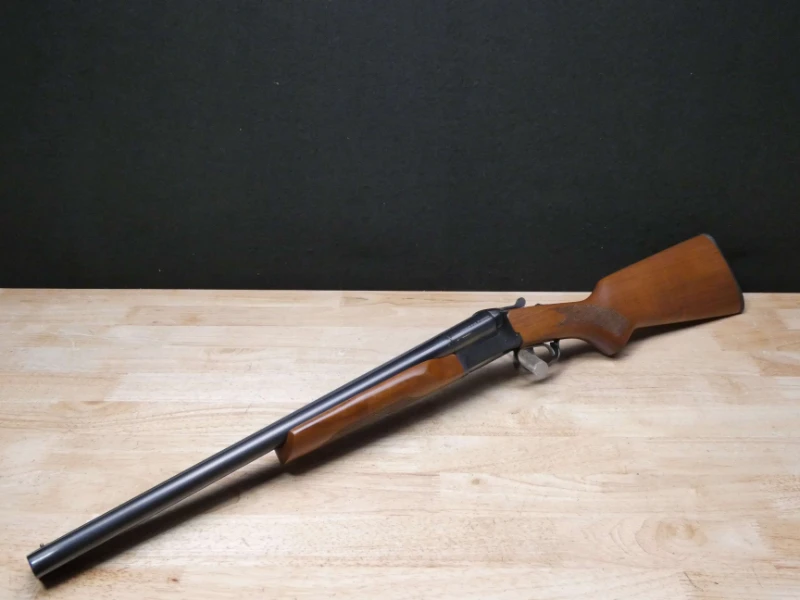
The Stoeger Coach Gun is a classic side-by-side shotgun renowned for its rugged simplicity and affordability. Its value is rooted in its reputation as a reliable workhorse for cowboy action shooting, hunting, and home defense, rather than as a collectible firearm. Consequently, its worth is determined more by its functional condition, specific model, and overall utility than by factors like round count or minor cosmetic wear, making it an accessible and practical piece for many enthusiasts.
What Determines Your Stoeger Coach Gun’s Worth
The value of a Stoeger Coach Gun is primarily driven by its model, condition, and functional reliability. As a long gun, this side-by-side double-barreled shotgun is not an NFA item in its standard configuration with a barrel of 18 inches or more, which keeps its market broad and accessible. Unlike collectible firearms, a high round count has a negligible impact on its price, as these guns are built for durability. The key value distinction lies between the base model and the higher-grade “Supreme” version, with used prices for standard models averaging around $345. Heavy cosmetic damage can reduce value significantly, but its core worth remains tied to its dependable, utilitarian design.
2026 Price Breakdown by Generation
Standard Model
The Standard Model serves as the foundation of the Stoeger Coach Gun lineup and is the most commonly encountered version on the market. With a manufacturer’s suggested retail price starting at $499, new units are typically found at retailers for between $449 and $549. This model is prized for its no-frills, robust design, making it a popular choice for shooters seeking a straightforward and dependable side-by-side shotgun without the expense of more ornate firearms. Its value is directly tied to this reputation for rugged utility and affordability, appealing to a wide base of practical-minded buyers.
In the used market, the Standard Model demonstrates consistent value, with an average price of $345.21. Data from the last 12 months shows a slightly higher average of $354.40, indicating stable demand. This price point makes it an extremely accessible entry into the world of double-barreled shotguns. Its value retention is less about pristine condition and more about solid mechanical function, reflecting its role as a tool rather than a collector’s piece. Sellers can expect its price to remain steady, influenced primarily by its physical condition and operational integrity rather than its age or round count.
Supreme Model
The Stoeger Coach Gun Supreme represents a more refined version of the classic design, commanding a higher price than its standard counterpart. This premium is justified by its enhanced features, which include a higher quality of wood for the stock and forend, a superior overall fit, and a more polished finish. These aesthetic and material upgrades appeal to discerning buyers who appreciate the traditional look and feel of a classic side-by-side but still want the affordability and reliability associated with the Stoeger brand. The Supreme model bridges the gap between a pure utility firearm and a more presentation-grade shotgun.
Consequently, the Supreme model consistently holds a higher resale value in the used market. While specific average prices are less documented than the ubiquitous standard version, a Supreme in excellent condition will always fetch a notable premium. This enhanced value is durable because the upgrades are tangible and easily recognizable. Buyers are willing to pay more for the improved craftsmanship, making the Supreme a more valuable asset for owners. Its worth is a direct reflection of its elevated position within the Stoeger Coach Gun family, offering a better shooting and ownership experience.
High-Wear “Utility” Condition
A Stoeger Coach Gun that shows significant signs of use, often referred to as being in “utility” or “fair” condition, will experience a notable price reduction. Heavy cosmetic damage, such as deep scratches in the wood, worn bluing, or dings on the receiver, can lower its value by 40% to 60% compared to a model in excellent condition. Firearm condition is often graded on a percentage scale, and a gun in “fair” condition typically retains only 20% to 60% of its original value. This penalty reflects the visual appeal, but for a workhorse gun, functionality remains the most critical factor.
Despite the potential for a large price drop due to cosmetic issues, the impact of a high round count is minimal. The market for these shotguns prioritizes their inherent durability and reliability over their appearance as a collector’s item. A Coach Gun is expected to be used, and the distinction between one that has fired a few hundred rounds and one that has fired a few thousand is considered negligible by most potential buyers. As long as the firearm is mechanically sound and safe to operate, its history of heavy use will not detract from its value nearly as much as visible external damage will.
NFA-Modified Versions
In its factory configuration with a 20-inch barrel, the Stoeger Coach Gun is classified as a standard long gun and is not subject to National Firearms Act (NFA) regulations. This makes it easy to buy and sell in most jurisdictions. However, if the firearm is modified to have a barrel shorter than 18 inches, its legal status changes dramatically. It is then reclassified as a Short Barreled Shotgun (SBS), which is an NFA-regulated item. This classification introduces a host of legal requirements for ownership and transfer that are not present with the standard model.
The transformation into an SBS significantly impacts the firearm’s value and marketability. While the modification may make the gun more desirable to a niche group of enthusiasts, it also complicates the sales process immensely. Transferring an SBS requires ATF approval, a tax stamp, and extensive paperwork, which can deter many potential buyers. This added regulatory burden can limit the pool of eligible purchasers, and while the firearm itself may be more unique, its overall market value can be unpredictable and is heavily influenced by the buyer’s willingness to navigate the complex NFA transfer process.
How Modifications Affect Value
The market for the Stoeger Coach Gun does not have a clear consensus on modifications that reliably increase its resale value. As a firearm prized for its affordability and straightforward design, most buyers are seeking its factory-original functionality. Elaborate or expensive aftermarket additions, such as custom stocks or intricate engraving, often fail to provide a positive return on investment. The core appeal of the Coach Gun is its simplicity, and modifications can sometimes detract from that, failing to add monetary value in the eyes of the typical buyer who prioritizes utility over customization.
Similarly, there is no definitive list of modifications that are known to hurt the gun’s value, but common sense prevails. Any alteration that compromises the firearm’s safety, reliability, or structural integrity will almost certainly reduce its worth. This includes crude, non-professional gunsmithing, permanent changes that alter its classic appearance in an unappealing way, or any modification that makes it non-compliant with local or federal laws. While some personalization is expected, irreversible and poorly executed changes are the surest way to diminish the firearm’s appeal and its final selling price.
Regional Price Variations in 2026
The value and marketability of a Stoeger Coach Gun can be influenced by state and local firearm laws. In states with relatively permissive regulations, its value will align closely with national averages. For example, the firearm is legal to own in California, as it appears on the state’s Department of Justice list of firearms with compatible safety devices. Likewise, in New York State, a permit is not required to own a shotgun with a barrel of at least 18 inches, making the standard 20-inch Coach Gun generally legal and easy to transfer outside of major metropolitan areas.
However, more restrictive local jurisdictions can create significant price and demand variations. A prime example is New York City, which, despite state law, requires a specific permit for the purchase and possession of any firearm, including shotguns. Such stringent local ordinances can suppress demand by adding layers of bureaucracy and cost to the acquisition process. This can lead to lower market values within that specific region compared to areas with fewer legal hurdles, as the pool of eligible and willing buyers is substantially smaller, impacting what a seller can realistically ask for their firearm.
Online vs Local Sales
When conducting a local, private sale of a Stoeger Coach Gun, the paperwork requirements are dictated by state and local laws. While federal law does not mandate a bill of sale for a private transaction between residents of the same state, it is a highly recommended practice to document the transfer of ownership. Some states have no additional requirements, allowing for a simple cash-and-carry exchange. However, other states are far stricter, mandating that all private sales be conducted through a Federal Firearms Licensee (FFL), which involves a background check and the completion of ATF Form 4473.
For an online sale to a buyer in another state, the process is federally regulated and more complex. It is illegal for a private individual to ship a firearm directly to another private individual across state lines. The transaction must be facilitated by FFLs. The seller takes the shotgun to an FFL in their state, who then legally ships it to an FFL in the buyer’s state of residence. The buyer must then visit their local FFL, complete the necessary background check and paperwork, and then take possession of the firearm.
The logistics of shipping a long gun like the Stoeger Coach Gun have also evolved. Although federal law permits a non-licensed individual to ship a long gun to an FFL, many common carriers, including FedEx and UPS, have implemented corporate policies that prohibit this. These policies now require that any firearm shipment must originate from a Federal Firearms License holder. When shipped, the firearm must be unloaded, declared to the carrier as a firearm, and packaged discreetly with no external markings that would indicate its contents, ensuring a secure and compliant transfer.
The FFL Buying Advantage
Selling your Stoeger Coach Gun directly to a Federal Firearms Licensee (FFL) offers a path of maximum convenience and legal security, though it typically yields a lower cash return. Gun dealers must account for their own overhead and profit margins, so their offers are based on a percentage of the firearm’s market value. Generally, dealers offer between 50% and 65% of a used gun’s private party worth. For a Stoeger Coach Gun, the trade-in value is estimated to be on the higher end of that range, at approximately 65% of its potential private sale price.
The primary advantage of this trade-off is the immediate and hassle-free nature of the transaction. Selling to an FFL eliminates the time and effort required to find a qualified private buyer, negotiate a price, and navigate the complexities of state-specific transfer laws. The dealer handles all the necessary paperwork and assumes all liability for the transfer, providing the seller with instant payment and the peace of mind that comes with a fully compliant and documented sale. For many owners, this simplicity and risk reduction are well worth the lower cash offer.
What Increases Your Offer
A thorough pre-sale cleaning is one of the most effective ways to increase the appeal and value of your Stoeger Coach Gun. A common issue with these firearms is the heavy factory preservative grease applied to the action, barrels, and extractor, which can become sticky over time. Taking the time to completely remove this grease and perform a detailed cleaning will make the gun look and feel much more appealing to a potential buyer. A clean, well-maintained firearm immediately signals that it has been cared for and is in good working order.
To further enhance its perceived value, you can “slick up” the action, which is often reported as being stiff from the factory. This process involves carefully polishing any rough internal surfaces with fine-grit sandpaper or specialized gunsmithing stones. After smoothing these contact points, applying a thin coat of high-quality gun oil will result in a noticeably smoother and more pleasant cycling action. This tangible improvement in handling can make a significant impression on a buyer and differentiate your firearm from others on the market, potentially justifying a higher asking price.
High-quality photographs are essential for maximizing offers, especially in online listings. To showcase your Stoeger Coach Gun effectively, use a simple, neutral background that does not distract from the firearm. Ensure the lighting is bright and diffused—natural light near a window is often best—to eliminate harsh shadows and accurately represent the finish. Using a tripod will help you capture sharp, high-resolution images from all angles. Be sure to include detailed close-ups of any markings, unique features, and imperfections to build trust and transparency with potential buyers.
When to Sell Your Stoeger coach gun
Timing the sale of your Stoeger Coach Gun can have a direct impact on the level of interest and the final price you receive. For shotguns, particularly those used for hunting, the market often experiences a surge in demand during the months leading up to hunting seasons. Listing your firearm in the late summer or early fall can connect you with a larger audience of motivated buyers who are actively gearing up for bird or other game seasons. This seasonal demand can lead to a quicker sale and potentially a more favorable price as buyers compete for available inventory.
Beyond the hunting cycle, another opportune time to sell firearms is during tax season, which generally spans from February through April. During this period, many individuals receive tax refunds, resulting in an increase in disposable income across a broad segment of the population. This financial boost often translates into higher consumer spending on discretionary items, including firearms. This trend is not specific to any one type of gun, making it a strong window for selling a versatile shotgun like the Coach Gun, which appeals to various shooting interests.
To strategically time your sale, consider the dual appeal of the Stoeger Coach Gun. It serves hunters, sport shooters, and those interested in home defense. While the pre-hunting season rush provides a thematically targeted audience, the general market liquidity during tax season offers a wider net of potential buyers. For optimal results, you could aim to list the firearm just before the fall hunting seasons begin, while remaining aware that the spring tax season presents another strong opportunity driven by different economic factors. Both periods offer distinct advantages for a seller looking to maximize their return.
Common Pricing Mistakes
One of the most common pricing mistakes is to overvalue a Stoeger Coach Gun by treating it like a rare or collectible firearm. Its market value is rooted in its reputation as a durable, budget-friendly utility shotgun. Factors that heavily influence the price of collectible guns, such as a low round count, have a negligible impact on the Coach Gun’s worth. Sellers should set their price based on its functional condition and specific model—for instance, a Supreme will fetch more than a standard version—rather than expecting a premium for minimal use, which the market simply does not support.
Another frequent error is failing to accurately account for the impact of heavy cosmetic damage. While the Coach Gun is a workhorse, its aesthetic condition still matters to buyers. A firearm with significant dings, deep scratches, or extensive finish wear will be worth considerably less than one in excellent condition. The value can be reduced by as much as 40% to 60% for heavy wear. Sellers must perform an honest assessment of the gun’s cosmetic state and adjust their asking price accordingly to align with market expectations and attract serious offers from informed buyers.
Finally, a critical mistake for this particular firearm is paying for a professional appraisal. While an appraisal can be a wise investment for high-value or rare guns, it is an unnecessary expense for a Stoeger Coach Gun. The market value of these common, modern shotguns is well-documented and relatively low, with used models averaging around $345. The cost of a formal appraisal could easily consume a significant percentage of the gun’s total value, making it an economically unsound decision that directly reduces the seller’s net profit from the sale.
Market Outlook for 2026
Forecasting the precise future value of any firearm is speculative, and there is currently no clear market consensus on the price trajectory for the Stoeger Coach Gun leading into 2026. However, its established role in the market as an affordable, reliable, and utilitarian side-by-side shotgun suggests that its value is likely to remain stable. Unlike firearms driven by collector demand or temporary trends, the Coach Gun’s worth is anchored in its practical application, which provides a solid foundation for its price point and insulates it from significant market volatility.
Looking ahead, its value will likely be influenced more by broad economic factors than by shifting shooter preferences. Inflation, the cost of raw materials for manufacturing, and the pricing of new, comparable shotguns will play a key role. The demand for simple, budget-friendly firearms for sport shooting, hunting, and defense is persistent. As long as the Stoeger Coach Gun continues to fill this niche effectively, its resale value should remain consistent, tracking predictably within its established segment of the firearms market, barring any unforeseen and impactful legislative changes.
Frequently Asked Questions
How much does heavy cosmetic damage affect my Stoeger Coach Gun’s value?
Heavy cosmetic damage can significantly reduce the value of a Stoeger Coach Gun, typically by 40% to 60% compared to one in excellent condition. This firearm is often assessed on a percentage scale where “Fair” condition, which implies heavy wear from use, corresponds to just 20% to 60% of the gun’s original value. Because it is primarily a utility shotgun, mechanical function is the highest priority for buyers, but severe external wear will still substantially lower the price you can realistically expect to receive from an informed buyer.
Is it worth getting a professional appraisal for my used Coach Gun?
No, a professional appraisal is generally not a worthwhile expense for a standard used Stoeger Coach Gun. The market value for these firearms is relatively low and well-documented, with used prices averaging around the $345 mark. The cost of the appraisal itself could represent a significant portion of the gun’s total value, making it an impractical and uneconomical investment. For a common, modern firearm like this, market research through online forums and sales sites will provide a sufficiently accurate valuation without the added cost.
Will a high round count lower the resale price?
A high round count does not significantly lower the resale value of a Stoeger Coach Gun. These shotguns are widely regarded as durable, budget-friendly firearms that are built to be used extensively. The market focus for these guns is squarely on their utility and functional reliability rather than their condition as a pristine collector’s piece. Therefore, the distinction between a gun that has fired a few hundred rounds versus a few thousand is considered negligible by most buyers and has a minimal impact on its final resale price.
Does the “Supreme” model hold its value better than the standard version?
Yes, the higher-grade “Supreme” model will command a higher price and generally holds its value better than the standard versions. The Supreme model features a better quality of fit, superior wood in the stock and forend, and an improved overall finish. These are tangible upgrades that buyers can see and feel, and they are typically willing to pay a premium for them. This distinction between models is the primary driver of value difference within the Stoeger Coach Gun lineup, especially since there are no distinct generational changes to track.
If I sell my gun to a dealer, how much of its value will I get?
When selling your Stoeger Coach Gun to a gun dealer or FFL, you can typically expect to receive an offer that is between 50% and 65% of the firearm’s current private party or retail value. For this specific model, the estimated trade-in value is approximately 65% of what you could likely achieve in a private sale. This lower offer is not meant to be unfair; it simply reflects the dealer’s need to cover business overhead, including administrative costs and profit margin, on the eventual resale of the firearm.
Get a Cash Offer Today
Ready to sell your Stoeger Coach Gun? We make the process simple and secure. Avoid the hassles of private listings, navigating complex shipping regulations, and finding a trustworthy buyer. We provide a fair, transparent cash offer based on your firearm’s specific condition and current market demand for a quick and easy sale.
To get started, simply submit your firearm’s details through our easy-to-use online form. Our team of firearms experts will promptly evaluate your gun and respond with a competitive offer. Sell with confidence knowing you are working with a licensed, reputable buyer who handles all the necessary FFL paperwork for a legal transfer.