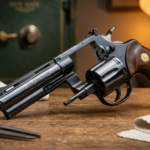

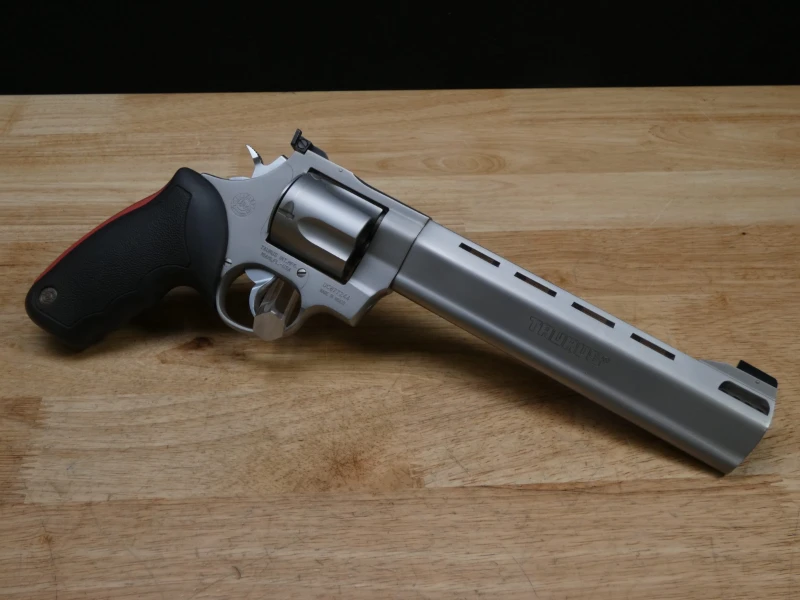
The Taurus Raging Bull is a large-frame, double-action/single-action revolver renowned for its robust construction and ability to handle powerful magnum cartridges. As a popular choice for hunting and personal defense, its resale value is determined by a combination of factors including its specific model, caliber, physical condition, and prevailing market demand. Understanding these key elements is essential for any owner looking to accurately assess the worth of their firearm before a potential sale or trade-in.
What Determines Your Taurus Raging Bull’s Worth
The value of a Taurus Raging Bull is primarily dictated by its specific configuration and overall condition. Key drivers include the caliber, with powerful chamberings like .454 Casull often commanding a premium over more common options like .44 Magnum, and the barrel length. The distinction between the original production line (1997-2019) and the current Raging Hunter series (2019-present), which adds a Picatinny rail for optics, also plays a role. Furthermore, the firearm’s physical condition, the presence of the original box and accessories, and local market demand all significantly influence its final sale price, which for used models typically averages between $600 and $630.
2026 Price Breakdown by Generation
Original Raging Bull (1997-2019)
The original Taurus Raging Bull series, produced for over two decades, established the firearm’s reputation for power and reliability. These models are distinguished from their modern counterparts by the absence of an integrated Picatinny rail, featuring a more traditional revolver profile. Their value has remained stable due to their proven track record and durable design. While prices are heavily influenced by caliber and condition, the average used value for a model from this era provides a solid baseline for the Raging Bull market, making it a popular choice for shooters seeking performance without the cost of a new firearm.
On the used market, a standard model from the original production run typically fetches a price between $600 and $630, based on recent sales data. This price point reflects its position as an accessible yet formidable large-caliber handgun. The consistency in its valuation is a testament to its enduring popularity among hunters and enthusiasts. For sellers, this means a predictable return, while buyers can acquire a potent revolver at a reasonable cost. The firearm’s condition remains the most critical variable in achieving the higher end of this price spectrum during a private sale transaction.
Raging Hunter (2019-Present)
The current production line, rebranded as the Raging Hunter series, represents a modernization of the classic Raging Bull design. The most significant update is the inclusion of a factory-installed Picatinny rail on the barrel shroud, making the revolver optics-ready right out of the box. This feature directly appeals to modern hunters and sport shooters who prefer using red dot sights or scopes. The manufacturer’s suggested retail price for these new models reflects these enhancements, typically falling between $650 and $1,205, depending on the specific caliber and finish chosen by the consumer.
The value of a Raging Hunter is strong in both new and used markets, with the average new price hovering around $688. However, models chambered in high-demand calibers like .454 Casull can easily exceed $1,200 at retail. The addition of the Picatinny rail and other modern refinements ensures these revolvers maintain a higher value proposition compared to their predecessors. This makes them a desirable option for buyers seeking the latest features and for sellers who can capitalize on the demand for a factory-upgraded, powerful hunting handgun that is ready for immediate field use.
Value by Standard Calibers (e.g., .44 Magnum)
Caliber is a more significant driver of value for the Raging Bull than its production era. Models chambered in .44 Magnum are among the most common and serve as a benchmark for the firearm’s pricing. This caliber’s widespread popularity for hunting, target shooting, and even as a defense against large predators ensures a consistent and broad market demand. Because of its prevalence, the .44 Magnum variant is often the most liquid asset in the Raging Bull family, being relatively easy to buy or sell in most markets across the country without significant price fluctuation.
A used Taurus Raging Bull in .44 Magnum consistently aligns with the average market price, typically selling in the $600 to $630 range. For those purchasing new, a Raging Hunter model in this caliber is positioned at the more accessible end of the MSRP scale, generally between $650 and $750. This balance of power and affordability makes the .44 Magnum version a cornerstone of the Raging Bull line, offering substantial performance that appeals to a wide base of firearm enthusiasts and maintains a stable and predictable resale value over time.
Value by Heavy Calibers (e.g., .454 Casull)
The top tier of the Raging Bull family is defined by its heavy-hitting calibers, most notably the .454 Casull. These models command a significant price premium due to their specialized nature, the engineering required to handle such immense pressures, and their appeal to a niche market of serious big-game hunters. The demand for these powerhouse revolvers is driven by individuals who require maximum stopping power for dangerous game, and this specialized application sustains their higher market value. These firearms represent the pinnacle of the Raging Bull’s design philosophy of delivering overwhelming force in a handgun platform.
Reflecting their premium status, prices for Raging Bull models in .454 Casull and other large-bore chamberings are considerably higher than their standard-caliber counterparts. On the used market, these revolvers can start around $700 and climb higher based on condition, while new Raging Hunter variants can easily surpass the $1,200 mark. This elevated price point is a direct result of their enhanced capabilities and the more limited production numbers compared to the ubiquitous .44 Magnum, ensuring they retain a strong resale value for owners looking to sell or trade.
How Modifications Affect Value
When considering modifications for a Taurus Raging Bull, it is important to note that there is no broad market consensus suggesting that common upgrades consistently increase resale value. While enhancements such as custom grips for better ergonomics or a professional trigger job for a smoother pull may appeal to a specific buyer, they rarely provide a dollar-for-dollar return on investment. Many potential buyers in the used market actively seek firearms in their original factory configuration, viewing modifications as a personal preference that doesn’t necessarily translate to a higher price, making such investments purely for the owner’s enjoyment rather than financial gain.
Similarly, the market lacks definitive data on how specific modifications can hurt the Raging Bull’s value. However, it is widely accepted that any irreversible changes, particularly those performed by amateurs, can be detrimental. Amateur gunsmithing, permanent alterations to the frame or barrel, or a poor-quality custom finish can significantly reduce the firearm’s appeal and market price. Since the exact financial penalty is subjective and depends on the buyer’s perception, owners should be cautious, as a poorly executed modification can easily turn a desirable handgun into a difficult sale at a heavily discounted price.
Regional Price Variations in 2026
The value and legality of a Taurus Raging Bull can vary significantly based on state laws. In California, for example, the firearm’s value is impacted by its status of being off the state’s Roster of Handguns Certified for Sale, with specific models having been officially removed in 2018. This restriction prohibits dealers from selling new models to the public, which can create a unique and potentially inflated market for private party transfers of pre-existing, legally owned Raging Bulls within the state. The scarcity can drive prices up, though navigating the legal complexities of such a sale is crucial for both parties involved.
In contrast, states with less restrictive firearm laws, such as New York, see prices that align more closely with the national average. Under the NY SAFE Act, the Taurus Raging Bull is legal for sale and ownership because its revolver design does not classify it as a prohibited “assault weapon.” In these markets, the firearm’s value is dictated by standard economic principles of supply and demand rather than regulatory scarcity. Factors like local dealer inventory, the popularity of big-bore handgun hunting, and general market conditions will be the primary influences on its price, making for a more predictable valuation.
Online vs Local Sales
When conducting a private sale of a Taurus Raging Bull, the required paperwork is dictated by state and local laws, which vary significantly. In some jurisdictions, a simple bill of sale documenting the transaction details between the buyer and seller is sufficient. However, a growing number of states mandate that all private firearm transfers must be processed through a Federally Licensed Firearms Dealer (FFL). This procedure ensures the buyer undergoes a federal NICS background check, adding a critical layer of legal compliance and security to the sale for both parties involved in the transaction.
Selling a handgun to a resident of another state is governed by strict federal law that prohibits direct transfers between unlicensed individuals. To complete an interstate sale legally, the Taurus Raging Bull must be shipped from the seller to an FFL in the buyer’s home state. Upon its arrival, the buyer is required to visit the dealer, complete an ATF Form 4473, and successfully pass a NICS background check before they can take legal possession of the revolver. This process is mandatory and ensures all federal and state regulations are met.
Shipping a handgun like the Raging Bull also involves specific legal and logistical hurdles. Federal law prohibits private citizens from shipping handguns via the United States Postal Service (USPS); a common carrier like UPS or FedEx must be used instead. The shipper is legally required to notify the carrier in writing that the package contains a firearm, which must be unloaded. Furthermore, both UPS and FedEx have corporate policies that often prohibit direct shipments from private individuals, generally requiring handguns to be shipped from one FFL to another using an overnight air service.
The FFL Buying Advantage
Opting to sell your Taurus Raging Bull to a Federally Licensed Firearms Dealer (FFL) offers a fast and convenient transaction, but it comes at a cost. Dealers must account for business overhead, the time a firearm might sit in their inventory, and their profit margin, so their cash offer will be significantly lower than what you could achieve in a private sale. Typically, a gun dealer will offer between 50% and 65% of the firearm’s current private market value, providing immediate payment in exchange for a lower return on your asset.
For a Taurus Raging Bull, the trade-in value is estimated by at least one firearms pricing guide to be approximately 65% of its private party value. For instance, if your revolver has a private market value of $620, you could anticipate a dealer offer in the neighborhood of $403. This figure can be influenced by several factors, including the revolver’s cosmetic and mechanical condition, the inclusion of its original case and accessories, and the specific dealer’s current inventory needs and assessment of local market demand for that particular model and caliber.
What Increases Your Offer
To maximize the value of your Taurus Raging Bull, presenting it as a complete package is essential. While it is not a rare collector’s item, including the original factory case, owner’s manual, and any tools or accessories that came with it can prevent a potential value deduction. Buyers often perceive a complete set as an indicator of a well-maintained firearm. The absence of these items can result in a penalty of $50 to $100, or roughly 5% to 10% of the used value, so ensuring everything is present is a simple way to secure a better offer.
High-quality photography is non-negotiable for achieving a top-dollar offer, especially in online listings. Use bright, even, and natural lighting to eliminate shadows and accurately represent the firearm’s finish and condition. Place the revolver against a simple, uncluttered, and neutral-colored background to ensure it remains the sole focus of the image. Capture multiple high-resolution photos from various angles, including close-ups of important details like manufacturer markings, the serial number, the condition of the bore, and any visible wear. This transparency builds buyer confidence and justifies a higher asking price.
A thoroughly cleaned firearm is significantly more appealing to potential buyers. Before listing your Raging Bull for sale, perform a detailed pre-sale cleaning. Focus on ensuring the bore, cylinder chambers, and the face of the cylinder are free of any powder residue or carbon buildup. After cleaning, apply a light coat of quality gun oil to protect the metal surfaces and wipe down the exterior to a clean, polished state. Avoid common mistakes like using overly harsh chemical solvents that could damage the finish or over-lubricating the action, which can attract dirt and grime.
When to Sell Your Taurus raging bull
Market analysis suggests that the demand for used handguns follows a seasonal pattern, creating an optimal window for sellers. The consensus indicates that the best time to list a firearm like the Taurus Raging Bull is during the spring and early summer months. This peak period, which generally runs from February through June, often sees a higher volume of interested buyers and can lead to a faster sale at a more favorable price. Listing your revolver during this timeframe allows you to take advantage of this predictable upswing in market activity and consumer interest.
The primary driver behind this seasonal trend is the annual distribution of tax refunds. Many potential buyers use this influx of disposable income to make discretionary purchases, including firearms. This increased purchasing power across a broad segment of the market fuels higher demand. By timing your sale to coincide with this period, you position your Taurus Raging Bull in front of a larger audience of motivated buyers who have the funds readily available, which can create more competition for your firearm and ultimately result in a better final selling price for you.
While spring and early summer represent the peak season, selling during other times of the year is certainly feasible, though it may require more strategic effort. In the fall and winter months, market activity can be slower, potentially leading to a longer time on the market and slightly softer pricing. To counteract this, sellers should ensure their listing is exceptionally well-presented with high-quality photos, a detailed and honest description, and a competitive price point to attract the more limited pool of buyers active during the off-season and stand out from other available listings.
Common Pricing Mistakes
One of the most common and costly mistakes when selling a mass-produced firearm is paying for a professional appraisal. For a standard Taurus Raging Bull, a formal appraisal is generally not worth the expense, as its cost could represent a significant portion of the gun’s total value. The market for such a common revolver is well-documented and transparent. A seller can accurately determine its worth by researching recently completed sales on online auction sites and firearm forums, which provides a realistic and free alternative to a paid appraisal service.
Another frequent error is underestimating the financial impact of missing original components. Sellers often neglect to include the factory box, owner’s manual, and any included accessories, not realizing this can lead to a direct price reduction. For a modern firearm, the absence of these items can trigger a penalty of between $50 and $100, or 5% to 10% of its used value. While not a vintage collector’s piece, a complete package is always more appealing to a discerning buyer and helps justify a price at the higher end of the market range.
Setting an unrealistic asking price is a critical pitfall that can doom a sale from the start. Many sellers mistakenly base their price on the MSRP of a new model or what a dealer has a similar gun listed for, failing to account for the difference in private party value. It is essential to research the actual private market, where the average used Raging Bull sells for approximately $600 to $630. Pricing your firearm significantly above this established range will deter serious inquiries and leave it sitting on the market indefinitely.
Market Outlook for 2026
Forecasting the precise market value of any firearm years in advance is an inherently speculative process, and a clear consensus on the future price of the Taurus Raging Bull is not available. Its value in 2026 will undoubtedly be shaped by a variety of external factors. These include overarching economic conditions that affect consumer spending, any potential changes to federal or state firearms legislation that could impact demand for certain types of handguns, and evolving trends in the hunting and sport-shooting communities regarding the popularity of large-caliber revolvers.
Despite the lack of a specific long-term price prediction, the Taurus Raging Bull’s market position suggests its value will likely remain relatively stable. As a durable, powerful, and more affordably priced alternative to some of its competitors, it fills a consistent and reliable niche. Its value will probably continue to be driven by immediate, tangible factors such as its mechanical and cosmetic condition, specific caliber, and the completeness of the package, rather than being subject to volatile, speculative market swings. It is a utility firearm whose worth is grounded in its performance and accessibility.
Frequently Asked Questions
Is a Taurus Raging Bull considered a collector’s item?
No, the Taurus Raging Bull is not considered a collector’s item. It is a modern, mass-produced firearm valued primarily for its utility, power, and performance rather than for any rarity or historical significance. As a result, its resale value is dictated by practical factors like its mechanical condition, caliber, and current market demand. Unlike true collector’s pieces, the financial penalty for missing the original box or paperwork is relatively minor, typically resulting in a modest deduction of $50 to $100 rather than a substantial loss of value.
Does the .454 Casull model hold its value better than the .44 Magnum?
Yes, Raging Bull models chambered in .454 Casull generally hold their value better and command a higher price than their .44 Magnum counterparts. The .454 Casull variants have a higher initial MSRP and appeal to a specialized market of big-game hunters and enthusiasts seeking maximum power. This niche but dedicated demand helps sustain a premium price point in the used market. While the .44 Magnum is more common and has a broader appeal, the specialized nature of the .454 Casull ensures it retains a stronger relative value over time.
Will I lose money if I sell my Raging Bull to a dealer?
You will receive a lower price selling to a dealer compared to a private sale, but it is a trade-off for speed, security, and convenience. Dealers typically offer between 50% and 65% of the firearm’s private market value to cover their business expenses and ensure a profit margin. While this means you are “losing” potential money compared to a private transaction, you gain an immediate cash payment and avoid the personal effort and potential risks of finding a qualified buyer and navigating the legal requirements of a private transfer.
Is it worth getting a professional appraisal for my Raging Bull?
For a standard production firearm like the Taurus Raging Bull, a professional appraisal is generally not a cost-effective endeavor. The market value for such a common model is well-established and can be accurately determined by researching completed online auctions and sales on firearms-related forums. The fee for a formal appraisal could easily consume a significant portion of the firearm’s actual value, making it an unnecessary expense for a non-collector piece whose price is dictated by current, easily accessible market data rather than unique historical attributes.
How much does the Picatinny rail on the Raging Hunter model add to the value?
The factory-integrated Picatinny rail is the primary feature that distinguishes the newer Raging Hunter series from the original Raging Bull models and is a key driver of its higher value. This modern, optics-ready design contributes directly to the Raging Hunter’s higher MSRP, which ranges from $650 to over $1,205. On the used market, this feature makes the revolver more desirable to a large segment of modern shooters and hunters, helping it command a premium price over a comparable original model that would require aftermarket mounting solutions for an optic.
Get a Cash Offer Today
Ready to sell your Taurus Raging Bull? We make the process simple and secure. Avoid the complexities of private sales and get a fair, competitive cash offer from a trusted buyer. Our streamlined process ensures you get paid quickly without the usual hassles of finding a private buyer.
Click the button below to submit your firearm’s details. Our team of experts will evaluate your Raging Bull and provide you with a no-obligation offer. Turn your used firearm into cash today with a safe, legal, and professional transaction. We handle all the necessary FFL paperwork.