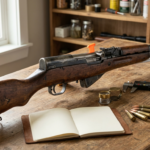

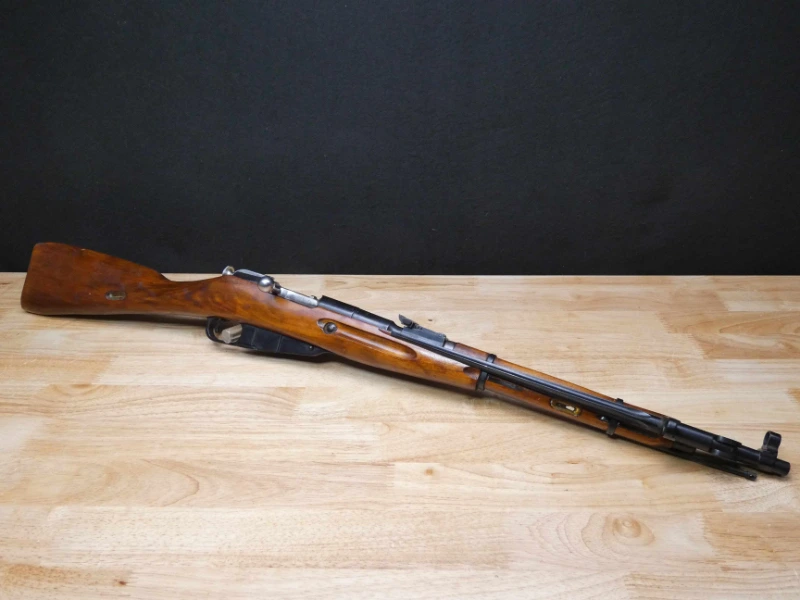
The Tula and Izhevsk M44 and M38 carbines represent a significant chapter in Soviet military history, offering collectors and enthusiasts a tangible piece of the past. These bolt-action rifles, known for their rugged simplicity and powerful 7.62x54R cartridge, have a value determined by their arsenal, originality, and overall condition. This guide provides a comprehensive analysis of their market worth, covering key factors from manufacturing variations to the impact of modifications and market trends for 2026.
What Determines Your Tula Izhevsk M44 m38’s Worth
The primary determinants of an M44 or M38 carbine’s value are its arsenal of origin, condition, and the originality of its parts. Tula-manufactured M44s are significantly less common than those from Izhevsk and, as a result, are more sought after by collectors, generally commanding a higher price. Beyond the manufacturer, the rifle’s value is heavily influenced by whether its serialized parts—such as the bolt, barrel shank, floorplate, and buttplate—are all matching. Rifles that have been refurbished or have mismatched parts are considered less desirable. Furthermore, specific rare variations, like the 1943 Izhevsk trials rifles or the exclusive 1944 Tula production run, can fetch a substantial premium over standard models.
2026 Price Breakdown by Generation
Standard Izhevsk M44
The most common variant encountered by collectors is the M44 carbine produced at the Izhevsk arsenal. These rifles form the baseline for market value, with a typical used price range falling between $435 and $530. The final price within this range depends heavily on the rifle’s overall condition, the quality of the bore, and the presence of all-matching serial numbers. An example with a clean bore, strong rifling, and original matching parts will command a price at the higher end of this spectrum. Conversely, a rifle with mismatched parts or significant stock wear will be valued closer to the lower end.
Izhevsk produced the M44 from 1943 (in limited trials) through 1948, resulting in a large number of available units. For collectors, the stamp of an arrow inside a triangle identifies an Izhevsk-made firearm. While these are considered the standard model, their historical significance and robust performance make them a consistently popular choice. A prospective seller should highlight the clarity of the arsenal markings and the matching numbers on the barrel, bolt, and floorplate to maximize its appeal and secure a fair market price, as these details are paramount to discerning buyers in the collecting community.
Tula M44
The Tula M44 carbine holds a special place in the Mosin Nagant collecting world due to its rarity. The Tula arsenal, marked by a star emblem, only produced the M44 for a single year, 1944, making these examples far less common than their Izhevsk counterparts. This scarcity directly translates into a higher market value, with Tula models consistently commanding a premium price. Collectors actively seek out these rifles to complete their collections, and a well-preserved, all-matching Tula M44 is considered a top-tier find. The value surpasses the typical M44 range, often entering a higher bracket based on its condition and originality.
When assessing a Tula M44, the 1944 date and the star arsenal mark are the most critical features. Because they are less common, their value is more sensitive to condition and the originality of all components. Any deviation from its factory configuration, such as mismatched parts or a refinished stock, will have a more pronounced negative impact on its value compared to a more common Izhevsk model. For sellers, clearly documenting the Tula marking and the matching serial numbers through detailed photographs is essential to realizing the rifle’s full, elevated market potential and attracting serious collector interest.
M38 Carbine
The M38 carbine, the predecessor to the M44, is valued similarly to a standard M44, but its worth is exceptionally dependent on its specific condition and, most importantly, its originality. The key distinction of the M38 is its lack of a bayonet. A significant number of M38s were later refurbished and placed into M44 stocks, which feature a cutout for the bayonet assembly. An M38 in its original, correct stock without the bayonet cutout is considerably rarer and more valuable to collectors. This detail is often the single most important factor in determining an M38’s price.
Therefore, when evaluating an M38, the stock configuration must be the first point of inspection. A true, original M38 will fetch a premium, while one sitting in a later M44 stock is often viewed as a “shooter” grade rifle and will be valued lower, closer to a standard mismatched M44. Prospective sellers must accurately represent the stock’s originality and provide clear images to justify a higher asking price. The rifle’s mechanical condition and matching numbers remain important, but the correctness of the stock is the primary driver of its collector value in today’s market.
Rare Variations
Beyond the standard production models, certain rare variations of these carbines can command a significant premium. Among the most sought-after is the 1943 Izhevsk M44, which was part of the initial trials and produced in very limited numbers before full-scale production began in 1944. These early models are exceptionally scarce and highly prized. Similarly, any Mosin Nagant carbine built on a “hex” receiver, which predates the later round receivers, is a desirable find that will fetch a higher price. These receivers were typically phased out before M44 and M38 production, so finding one is an anomaly that excites collectors.
The 1944 Tula M44, as previously mentioned, also falls into this category due to its single-year production run. A professional appraisal might be warranted for rifles with these rare features, as their value can far exceed the typical $400 to $500 range of a common example. Determining the value of these specific models often requires consulting dedicated online forums and communities, as their market price is set by collector demand rather than general availability. Documenting these unique characteristics is crucial for achieving their true market value when selling.
How Modifications Affect Value
For collectors of Tula and Izhevsk M44 and M38 rifles, originality is paramount. The market consensus is clear: for a rifle to achieve its maximum value and collectibility, it must retain its original factory parts. The most desirable examples are those with “all-matching” serial numbers on the barrel shank, bolt, floorplate, and buttplate. Rifles that have undergone arsenal refurbishment, often indicated by force-matched or electropenciled numbers, are considered less desirable than those with all-original stamped matching parts. Any deviation from the factory configuration will negatively impact its appeal to the core collector base, which ultimately sets the market price for these historical firearms.
While specific data on value-adding or value-hurting modifications is not formally tracked, the collecting community’s preference for originality provides a clear guideline. There is no market consensus on modifications that increase the value of an M44 or M38; in fact, any non-period, non-arsenal alteration is almost universally considered to diminish its worth. Changes such as sporterizing the stock, drilling and tapping the receiver for a scope, or altering the bolt handle will drastically reduce the rifle’s value from a collector’s standpoint. The market for these firearms is driven by historical preservation, not modern enhancement, making originality the ultimate measure of worth.
Regional Price Variations in 2026
The Tula and Izhevsk M44 and M38 carbines generally maintain a relatively stable national price due to their classification. As bolt-action firearms, they do not fall under the “assault weapon” bans that primarily target semi-automatic rifles with specific features in states like California and New York. This broad legality ensures a consistent demand across the country, preventing the kind of significant regional price suppression that can affect other types of firearms. Consequently, sellers in stricter states can typically expect to find a market for these rifles that is comparable to that in less-regulated areas, with value being driven more by the firearm’s intrinsic qualities than local laws.
However, subtle regional price variations can be influenced by state-level private sale regulations. Federal law does not mandate paperwork for private firearm sales between residents of the same state, but many states have enacted their own requirements. In states that require all private transfers to be conducted through a licensed dealer (FFL), the associated transfer fees and background check process can add a layer of cost and inconvenience. This may slightly temper local private sale prices compared to states with no such regulations, as buyers might factor the additional expense into their offers for a direct, face-to-face transaction.
Online vs Local Sales
Selling a Tula or Izhevsk carbine locally offers the advantage of a simple, face-to-face transaction, avoiding the complexities of shipping. However, your potential customer base is limited to your immediate area. If you choose to sell to a local gun dealer, expect an offer that is significantly below the rifle’s retail value. Dealers will typically offer between 50% and 65% of what they expect to sell it for, providing you with quick cash but less overall profit. A private local sale can yield a better price, but it relies on finding an interested buyer in your vicinity and navigating your state’s specific private transfer laws.
Selling online opens your firearm up to a national market of collectors, which can often result in a higher selling price, especially for rarer Tula models or all-matching examples. To sell across state lines, a private individual must legally ship the rifle to a Federal Firearms License (FFL) holder in the buyer’s state, who will then conduct the required background check. An exception exists for C&R eligible rifles like the M44/M38, which can be shipped directly to a buyer who holds a Curio & Relics (C&R) license, provided it complies with all state and local laws of the buyer.
A successful online sale hinges on proper logistics and presentation. Private individuals are generally prohibited from using UPS, but FedEx allows firearm shipments under strict rules: you must notify them the package contains a firearm, use appropriate packaging with no external markings, and ensure the firearm is unloaded. Furthermore, high-quality photography is non-negotiable. Use a neutral background and capture clear, high-resolution images of all arsenal markings, the complete serial numbers on all parts to prove they match, the bore condition, and any unique stock cartouches. This level of detail builds trust and justifies a premium price to discerning online buyers.
The FFL Buying Advantage
For a seller, engaging a Federal Firearms License (FFL) holder, or a local gun dealer, offers a path of maximum convenience and legal protection. When you sell your M44 or M38 directly to a dealer, the transaction is immediate, and the dealer assumes all responsibility for future transfers and associated paperwork. While the cash offer will be lower—typically between 50% and 65% of the firearm’s used retail value—it eliminates the need to find a private buyer, verify their eligibility, and navigate the complexities of transfer laws. For those prioritizing a quick and hassle-free sale, this is a distinct advantage.
When conducting a private sale across state lines, using an FFL is not just an advantage; it is a federal legal requirement. As the seller, you must ship the rifle to an FFL in the buyer’s state of residence. This process ensures the transaction is compliant with the law, as the receiving FFL will perform a mandatory background check on the buyer before transferring the firearm. This shields the seller from potential liability and ensures that the rifle is transferred legally and responsibly. This FFL-to-FFL transfer system is the backbone of the interstate firearms market, providing a secure and regulated framework for both parties.
What Increases Your Offer
The most significant factor that will increase an offer for your Tula or Izhevsk M44 or M38 is originality, specifically having all-matching serial numbers. Collectors pay a substantial premium for examples where the stamped serial numbers on the barrel shank, bolt, magazine floorplate, and buttplate are all original and matching. A rifle that has not been through a post-war arsenal refurbishment, retaining its original parts and finish, is far more desirable than one with force-matched or mismatched components. Clearly documenting and photographing these matching numbers is the most effective way to justify a higher asking price and attract serious collectors.
Excellent presentation is crucial for securing a top-tier offer, especially in online sales. This starts with thorough and honest photography. Use good lighting and a neutral background to capture detailed images of the entire rifle, paying special attention to all markings, including the arsenal stamp (Tula star or Izhevsk triangle), date, and serial numbers. Include clear shots of the bore to show its condition, as well as the muzzle crown. A rifle that is presented professionally gives buyers confidence that it has been well-maintained, directly translating into stronger and more competitive offers from a wider pool of interested parties.
Proper pre-sale preparation also plays a vital role. Before listing the rifle, it is essential to thoroughly clean the bore to remove any lingering residue from corrosive surplus ammunition, always cleaning from the breech end to protect the muzzle crown. However, it is a common mistake to over-clean the exterior. The original shellac finish, even with its characteristic age and patina, is highly valued by collectors. Aggressively cleaning or attempting to refinish the stock can strip this originality and significantly decrease its value. A clean bore and a carefully preserved exterior finish signal a well-cared-for piece of history.
When to Sell Your tula izhevsk m44 m38
Strategic timing can significantly impact the final sale price of your firearm. One of the most opportune times to sell is during tax return season, which generally runs from February through April. During this period, many potential buyers have more disposable income, leading to increased demand and a greater willingness to spend on hobbies like firearm collecting. Listing your M44 or M38 during this window can result in a quicker sale and potentially higher offers as more buyers are actively looking to make purchases with their tax refunds.
Another strong selling period, particularly for rifles like the M44 and M38 that are sometimes used for hunting, occurs in the months leading up to hunting season. Demand for rifles tends to increase during August and September as hunters prepare for the upcoming seasons. While these carbines are primarily collector’s items, their utility as rugged hunting rifles can broaden their appeal during this time. Capitalizing on this seasonal interest can expose your firearm to a wider audience beyond just military surplus collectors, potentially increasing the number of competitive offers you receive.
Conversely, certain times of the year are known to be slower for firearm sales. The market often experiences a lull during the summer month of July and in the period immediately following the Christmas holidays. During these times, potential buyers are often focused on vacations, family expenses, or recovering from holiday spending, which can lead to decreased market activity. Listing your rifle during these slower periods may result in it sitting on the market longer and attracting lower offers. For the best results, aiming for the peak seasons is the most effective strategy.
Common Pricing Mistakes
One of the most frequent errors sellers make is overvaluing a common, standard-issue rifle. Many owners assume their Izhevsk M44 is a rare artifact when, in most cases, it is a widely available military surplus firearm with a well-established market value. A professional appraisal is generally not worth the cost for these common models, as their value typically ranges from $400 to $500. Unless the rifle has verifiably rare features, such as being a 1943 trials rifle, a Tula-made 1944 model, or built on a hex receiver, its price should align with the established market rate for standard examples.
Another critical mistake is failing to account for mismatched parts. Collectors place a heavy premium on originality, and all-matching serial numbers are a key component of a rifle’s value. A rifle with a mismatched bolt or floorplate is considered a “shooter” grade firearm and will fetch a significantly lower price than an all-matching counterpart. Pricing a mismatched rifle as if it were a pristine, all-original collector’s piece is unrealistic and will deter knowledgeable buyers. It is essential to inspect all serialized parts and adjust the asking price accordingly to reflect the rifle’s true configuration and collector status.
Neglecting proper pre-sale cleaning and presentation can also severely hurt your asking price. A common error is attempting to sell a rifle with a bore still caked in cosmoline or fouled with corrosive residue. This forces a potential buyer to gamble on the condition of the rifling underneath. Similarly, damaging the original shellac finish by using harsh solvents on the stock can strip away its collector value. A rifle that is properly cleaned—with a sparkling bore and preserved original finish—demonstrates care and transparency, building buyer confidence and justifying a higher price tag.
Market Outlook for 2026
While a definitive future price prediction is not available, the market for historical military surplus firearms like the Tula and Izhevsk M44 and M38 carbines has historically shown steady appreciation. As the finite supply of these rifles on the surplus market continues to diminish, examples in good, original condition become increasingly scarce. This scarcity, coupled with a consistent demand from collectors and history enthusiasts, suggests a stable to positive long-term value trend. Rifles with desirable features, such as Tula manufacturing or all-matching numbers, are best positioned to see their value grow as they become harder to find.
Several external factors could influence the market outlook for 2026. Continued interest in 20th-century military history, inflationary pressures that increase the value of tangible assets, and the simple fact that no more of these rifles will be made all point toward potential price growth. However, the firearms market can also be sensitive to broad economic downturns or significant changes in firearm legislation. While the bolt-action nature of the M44 and M38 insulates them from many regulations, sellers should remain aware that the overall health of the economy and the political climate can impact buyer behavior and market liquidity.
Frequently Asked Questions
Is a Tula M44 really worth more than an Izhevsk?
Yes, a Tula-manufactured M44 is consistently valued higher than its Izhevsk counterpart. The reason is simple scarcity. The Tula arsenal, marked with a star, only produced the M44 carbine for one year, 1944. In contrast, the Izhevsk arsenal, marked with a triangle and arrow, produced them for several years, resulting in a much larger supply. In the world of military surplus collecting, rarity is a primary driver of value, making the less common Tula models more sought-after and commanding a premium price among discerning collectors.
How much do mismatched serial numbers affect the price?
Mismatched serial numbers have a significant negative impact on the value of an M44 or M38. Collectors prioritize originality, and a rifle with all-matching, factory-stamped serial numbers on the barrel, bolt, floorplate, and buttplate is considered a top-tier collectible. A rifle with mismatched parts, often a result of arsenal refurbishment where parts were swapped, is typically relegated to “shooter” status. This can decrease its value by a considerable margin compared to an all-matching example, as the rifle has lost a key aspect of its historical integrity.
Does a professional appraisal make sense for my M44?
For a standard, common Izhevsk or Tula M44, a professional appraisal is generally not cost-effective. The market value for these rifles is well-established, typically in the $400 to $500 range, and can be easily researched on dedicated online forums. An appraisal is only worth considering if you have strong reason to believe your rifle is a rare variant, such as a 1943 Izhevsk trials rifle, a model built on a hex receiver, or another documented, low-production version. For typical examples, the cost of the appraisal would likely outweigh any potential gain in valuation.
Will refinishing the stock increase its value?
No, refinishing the stock will almost certainly decrease its value, often significantly. Collectors of military surplus firearms place a high premium on originality, and this includes the factory finish. The original shellac finish on an M44 or M38, even with its dings, scratches, and flaking, is part of its history and authenticity. Stripping this original finish and applying a modern one removes that historical character. A rifle with its aged, original patina is far more desirable and valuable to a collector than one that has been cosmetically altered.
Is an M38 in an M44 stock less valuable?
Yes, an M38 carbine housed in a later M44 stock is less valuable than one in its correct, original M38 stock. Many M38s went through arsenal refurbishment programs where they were placed in whatever stocks were available, which were often the more common M44 stocks identifiable by the cutout for the folding bayonet. An original M38 stock has no such cutout. Since a correct, original configuration is paramount to collectors, an M38 that retains its proper stock is a rarer and more desirable piece, commanding a higher price on the market.
Get a Cash Offer Today
Ready to sell your Tula or Izhevsk carbine? We offer a fair, competitive price based on its unique history and condition. Our process is fast, secure, and compliant with all federal and state regulations, ensuring a hassle-free experience. Let our experts provide you with a no-obligation cash offer today.
Don’t let your firearm collect dust. Whether it’s a common Izhevsk model or a rare Tula variant, we recognize its value. Click here to begin the simple process, submit photos of your rifle, and receive a prompt and professional appraisal. Turn your historical firearm into cash with a trusted buyer.