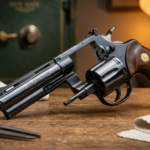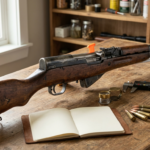


The Tula TT-30 and its successor, the TT-33, are historic Soviet semi-automatic pistols that have become popular items for collectors and shooting enthusiasts. Understanding the true market value of these firearms requires looking beyond their basic function. Factors such as the specific model (the rarer TT-30 versus the common TT-33), year of manufacture, physical condition, and the presence of import marks all play a crucial role in determining their price in today’s market.
What Determines Your Tula TT-30’s (TT 33) Worth
The primary determinant of a Tula Tokarev’s value is its model and historical context. The original TT-30 is significantly rarer than the simplified TT-33 that replaced it, and therefore commands a much higher price, with values potentially reaching $2,000. For the more common TT-33, condition and provenance are key. A collectible, WWII-era example from 1941 without import marks can sell for over $1,100, whereas a recently imported, post-war model might only be valued in the $200 to $300 range. Originality, matching serial numbers, and overall finish preservation are critical factors for collectors.
2026 Price Breakdown by Generation
Tula TT-30 (Pre-Production/Early Model)
The Tula TT-30 represents the earliest and rarest version of the Tokarev pistol. Due to its limited production run before being simplified into the TT-33, these models are highly sought after by serious collectors. Their scarcity drives their value significantly higher than their successors. While prices fluctuate based on condition and originality, it is not uncommon to see TT-30 examples command prices ranging from $600 for average-condition pieces to upwards of $2,000 for well-preserved specimens. A professional appraisal is often recommended for these pistols to accurately assess their high market value before a sale.
Because of their rarity, the market for TT-30s is specialized. The absence of import marks, the presence of original parts, and any documented history can dramatically increase the pistol’s worth. Unlike the more common TT-33, which is often viewed as a shooter-grade surplus firearm, the TT-30 is almost exclusively a collector’s item. Sellers should be aware that its value is less about function and more about its status as a scarce historical artifact. Misidentifying a TT-30 as a standard TT-33 is a costly mistake that can leave significant money on the table.
WWII-Era TT-33 (Collector Grade)
World War II-era Tula TT-33 pistols are highly collectible and hold significant historical value, which directly impacts their price. A non-import marked example from a key production year, such as 1941, can fetch a premium, with documented sales reaching as high as $1,195. These pistols are valued for their wartime provenance and originality. Collectors scrutinize these firearms for matching serial numbers, correct factory markings, and the absence of post-war refurbishment stamps. The condition is paramount; a pistol that retains most of its original finish and shows honest wear from service is often more desirable than a refinished one.
The value of these wartime models stands in stark contrast to the more common, post-war imports. While a standard used TT-33 has an average price of around $551, a genuine WWII-era piece can easily exceed $1,000. Sellers should thoroughly document any historical markings and highlight the lack of import stamps in their listings. High-quality photographs showing these specific details are essential to attract serious collectors who are willing to pay a premium for a firearm that represents a tangible piece of military history, separating it from the vast pool of less valuable surplus pistols.
Post-War TT-33 (Common Surplus)
The most commonly encountered Tula TT-33 pistols on the market are post-war surplus models that have been imported into the United States. These firearms are typically valued in the $200 to $300 range, making them an accessible entry point for collectors and shooters. Their value is primarily determined by their condition and the prominence of the required import marks, which can detract from their collectible appeal. These pistols are often considered “shooter grade,” meaning their value is tied more to their functionality and general condition rather than historical rarity or pristine originality, unlike their wartime predecessors.
While the average used price for a TT-33 is around $551, this figure is often skewed by the inclusion of more collectible versions. For a common, import-marked surplus model, a price closer to the lower end of the spectrum is more realistic. These pistols are plentiful, and their value is relatively stable. To maximize a sale, sellers should focus on the firearm’s mechanical condition, bore quality, and the inclusion of any original accessories like holsters or extra magazines, as these can add incremental value and make the pistol more attractive to budget-conscious buyers.
New Production Models (Reproductions)
While original Soviet-era Tula TT-30 and TT-33 pistols are no longer in production, various manufacturers produce modern reproductions or variants based on the Tokarev design. The Manufacturer’s Suggested Retail Price (MSRP) for these newly manufactured models typically falls between $400 and $500. The current average market price for a new Tokarev-style pistol is approximately $473. These firearms appeal to shooters who want the experience of the platform without the risks and costs associated with a historic, collectible firearm. Their value is based on modern manufacturing standards, features, and brand reputation rather than historical significance.
Unlike collectible originals, the value of these new production models depreciates once they are sold and used, similar to any other modern firearm. Their worth is not tied to rarity, year of manufacture, or specific markings. Instead, buyers focus on round count, cosmetic wear, and any included upgrades. When selling a modern reproduction, it’s important to price it competitively against new models available at retail, as buyers will weigh the savings of a used gun against the warranty and pristine condition of a brand-new one. They serve a different market segment entirely from the historical collectors.
How Modifications Affect Value
For historical firearms like the Tula TT-30 and TT-33, the market consensus on modifications is generally negative, as originality is a key driver of value. There is no established list of “value-adding” modifications for these pistols because collectors almost universally prefer them in their original, as-issued military configuration. Any alteration, such as changing the sights, refinishing the metal, or replacing the original grips with modern alternatives, is likely to be viewed as damage by the most serious and high-paying buyers. The historical integrity of the firearm is paramount, and modifications compromise that integrity, typically reducing its appeal and market price.
Similarly, a consensus on specific “value-hurting” modifications is not formally documented because virtually any deviation from the original factory state is considered detrimental. Permanent changes like drilling and tapping for a scope mount, applying a modern coating like Cerakote, or altering the frame would severely diminish a collectible pistol’s value. Even non-permanent changes can be problematic if the original parts are not retained. A seller with a modified Tokarev will find their potential market shifted away from collectors and towards shooters who may not be willing to pay a premium for the gun’s history.
Regional Price Variations in 2026
Regional firearm laws can create significant price variations for the Tula TT-30 and TT-33. In California, for instance, these pistols are generally legal if they are over 50 years old, which qualifies them as Curio & Relic (C&R) firearms. This C&R status exempts them from the state’s restrictive handgun roster, making them one of the few semi-automatic pistols of their type that can be easily transferred. This increased accessibility and demand within a restricted market can lead to higher prices compared to states with fewer regulations on handgun sales, where the supply of similar firearms is much larger.
Conversely, in states with complex and unclear regulations, such as New York, the value of a Tula Tokarev can be suppressed. The legal ambiguity surrounding specific models can make potential buyers hesitant, reducing demand. Compliance with California’s C&R rules does not guarantee legality in New York, so sellers and buyers must navigate a different set of laws. This legal friction can shrink the local market, potentially lowering the pistol’s value as fewer individuals are willing or able to complete the purchase. Therefore, the same pistol could fetch a higher price in a C&R-friendly state than in one with more prohibitive laws.
Online vs Local Sales
Selling a Tula TT-30 or TT-33 locally offers a straightforward transaction process. For a private sale, it is a best practice to create a bill of sale that documents the firearm’s make, model, and serial number, along with the names of the buyer and seller and the date. This record is crucial for breaking the chain of custody if the firearm is ever used in a crime. Verifying the buyer’s driver’s license to confirm residency and age is also a recommended step to ensure a responsible transfer. This face-to-face method avoids the complexities and costs associated with shipping and FFL transfers.
Selling online to a buyer in another state introduces significant legal hurdles. Federal law mandates that any interstate transfer of a handgun to a private individual must go through a Federal Firearms Licensee (FFL) in the buyer’s state. The seller cannot ship the pistol directly to the buyer. The firearm must be sent to the buyer’s chosen FFL, who will then perform the required background check and legally transfer the firearm. This process adds shipping costs and FFL transfer fees, which can influence the final sale price and negotiations between the parties involved.
Furthermore, the logistics of shipping a handgun like a Tula Tokarev are highly regulated. Private sellers are prohibited from shipping handguns directly via common carriers like UPS and FedEx. Both companies require the shipper to hold a Federal Firearms License and have a specific shipping agreement with them. Consequently, a private individual must take the firearm to a local FFL, who will then legally package and ship it to the buyer’s FFL. This two-FFL process is the only federally compliant way to complete a private, interstate handgun sale, adding another layer of complexity compared to a simple local transaction.
The FFL Buying Advantage
Selling your Tula TT-30 or TT-33 to a Federal Firearms Licensee (FFL) offers a significant advantage in terms of speed, security, and legal compliance. While a private sale may yield a higher price, it requires finding a qualified local buyer or navigating the complex regulations of interstate shipping. An FFL, on the other hand, can purchase the firearm directly, providing immediate payment and handling all necessary paperwork. This eliminates the uncertainty and potential legal risks associated with private transactions, offering a hassle-free experience for the seller who prioritizes convenience and peace of mind over maximizing profit.
While gun dealers typically offer between 50% and 65% of the used retail value, a collectible pistol like a Tula Tokarev often commands an offer toward the higher end of that range. One market analysis suggests a trade-in value for a TT-33 at approximately 65% of its private party value. For a rare TT-30 or a pristine WWII-era TT-33, this can still represent a substantial and fair offer, especially when factoring in the time and effort saved. The FFL assumes all the risk and work of finding a final buyer, making their offer a reflection of a guaranteed, immediate sale.
What Increases Your Offer
A thorough pre-sale cleaning can significantly increase the perceived value and final offer for your Tula TT-30 or TT-33. Before listing, perform a basic field strip to clean the primary components. The hammer assembly on these pistols conveniently comes out as a single unit, allowing for easy access. A critical mistake to avoid is marring the firearm’s finish during disassembly. To prevent scratches that can lower the value, use non-marring tools like a wooden dowel or a spent brass casing to carefully remove the slide stop retaining clip. A clean, well-maintained firearm signals to buyers that it has been cared for.
High-quality photography is arguably the most crucial element for maximizing offers in an online sale. To best represent your Tula Tokarev, use diffuse natural light, such as on an overcast day or in open shade, to eliminate harsh glare and shadows that can hide details. Place the pistol on a simple, neutral-colored background that does not distract from the firearm itself. Capture sharp, high-resolution images from multiple angles, including full shots of both sides and detailed close-ups of key areas like manufacturer markings, the serial number, any import marks, and the condition of the bore and muzzle.
Beyond presentation, the completeness and originality of the firearm are paramount. An offer will be substantially higher for a pistol with matching serial numbers on the frame, slide, and barrel. Including original accessories, such as a period-correct holster, cleaning rod, and original magazines, will also add considerable value. Documenting these features clearly in your description and photos proves the firearm’s authenticity and completeness, appealing directly to serious collectors who are willing to pay a premium for a comprehensive and original package, distinguishing it from more common, mismatched examples on the market.
When to Sell Your tula tt 30 tt 33
While certain firearms like hunting rifles have strong seasonal sales peaks, the market for handguns such as the Tula TT-30 and TT-33 is less defined by the calendar. However, general economic cycles can influence the best times to sell. One favorable period is during the spring, from approximately February to April. This timeframe often coincides with buyers receiving tax refunds, which can lead to an increase in disposable income and a subsequent rise in spending on hobbies and collectibles. Listing your pistol during this period can tap into a more active and financially liquid buyer pool.
Unlike hunting firearms, which see a surge in demand from August through October leading up to hunting season, collectible military surplus pistols have a more stable, year-round appeal. Their market is driven more by collector interest than by seasonal use. Therefore, sellers are not constrained to a specific few months. The key is to avoid major holiday seasons when potential buyers may be distracted or have other financial priorities. A strategic sale in the late winter or early spring can often yield better results than one attempted in the middle of summer or during the year-end holidays.
Ultimately, the best time to sell any firearm is when the market is active and you have prepared the item for sale properly. Monitor online forums and auction sites to gauge current demand and pricing for Tokarev pistols. Regardless of the season, a well-photographed, clean, and accurately described Tula TT-30 or TT-33 will always attract more attention and higher offers. Pairing good preparation with a period of increased market activity, like the post-tax-refund season, provides the optimal opportunity to achieve the best possible sale price for your historic firearm.
Common Pricing Mistakes
One of the most common pricing mistakes is failing to differentiate between the rare Tula TT-30 and the much more common TT-33. The TT-30 is significantly more valuable, with prices ranging from $1,500 to $2,500 for quality examples, whereas a standard used TT-33 typically has a market value between $800 and $1,500 for more collectible versions. Misidentifying a TT-30 and pricing it as a standard TT-33 can result in a substantial financial loss. Conversely, overpricing a common, import-marked TT-33 will deter knowledgeable buyers and leave the firearm unsold for an extended period.
Another frequent error is ignoring the immense impact of import marks on value. A WWII-era TT-33 without import marks is a true collector’s item and can be worth over $1,000. The exact same model with a visible import stamp might be worth less than half of that. Many sellers either don’t know to look for these marks or fail to understand their significance, leading them to price their firearm based on comparable listings that may not share this critical feature. Accurately assessing and disclosing the presence or absence of import marks is essential for setting a realistic and fair price.
Finally, many sellers mistakenly decide against a professional appraisal, believing it’s an unnecessary expense. While it’s true that an appraisal is likely not worth the cost for a standard, common TT-33, it is a crucial investment for the rarer Tula TT-30 or any pistol with unique historical markings or exceptional original condition. Forgoing an appraisal on a potentially high-value piece means you are relying on guesswork, which can lead to underpricing and leaving hundreds, or even thousands, of dollars on the table. Investing in an expert opinion ensures you understand the firearm’s true market worth.
Market Outlook for 2026
Predicting the future market for any collectible firearm is inherently challenging, as there is no definitive consensus on future price movements. The value of historical military surplus firearms like the Tula TT-30 and TT-33 is influenced by a wide range of factors, including overall economic conditions, changes in firearm legislation, and shifting trends within the collector community. As such, a precise forecast for 2026 remains speculative. However, by examining historical trends for similar items, we can identify likely influences on their future value and marketability in the coming years.
Historically, the supply of authentic, non-imported military surplus firearms is finite and gradually diminishes from the open market as they are absorbed into private collections. This principle of scarcity tends to drive long-term value appreciation. For desirable models like the rare TT-30 or well-preserved, non-import marked TT-33s, it is reasonable to expect a continued, steady increase in value. The more common, import-marked TT-33s will likely see more modest appreciation, with their value remaining closely tied to their condition and appeal as historical shooters rather than high-end collectibles.
Frequently Asked Questions
Is a TT-30 really worth more than a TT-33?
Yes, absolutely. The Tula TT-30 is significantly rarer and more valuable to collectors than the more common TT-33 model that simplified its design for mass production. While a recently imported TT-33 might be valued in the $200 to $300 range, and even collectible WWII examples often top out around $1,000, the scarcer TT-30 generally commands a much higher price. Documented examples of the TT-30 have been cited with values ranging from $600 to as much as $2,000, depending on condition and originality, making proper identification crucial for accurate valuation.
How much do import marks affect the value?
Import marks have a substantial negative impact on the value of a collectible firearm like the Tula TT-33. These markings, required by U.S. law for firearms imported for the commercial market, are seen as a detraction from the pistol’s original historical state. A collectible version, such as a 1941 non-import model, can sell for as much as $1,195. A similar pistol with a visible import mark would be worth significantly less, as serious collectors strongly prefer “unmarked” examples that appear as they did when in military service, creating a distinct two-tiered market.
Is it worth getting my TT-33 professionally appraised?
It depends entirely on the specific model and its condition. For a standard, common used Tula TT-33, which typically has a market value between $800 and $1,500 for decent examples, a professional appraisal is likely not worth the cost. However, if you own the much rarer Tula TT-30, which can be valued from $1,500 to $2,500, or if your pistol has unique historical markings or is in exceptional original condition, an appraisal becomes a very worthwhile investment to ensure you understand its true, higher-end market value before selling.
Does being a C&R firearm increase its value?
Yes, in certain markets, its Curio & Relic (C&R) status can increase its value. In states with restrictive handgun laws like California, the Tula TT-30 and TT-33’s C&R eligibility (if over 50 years old) makes them exempt from the state’s handgun roster. This creates a legal pathway for ownership that is closed to most modern handguns. This special status can increase demand within that restricted market, leading to higher prices compared to states where buyers have a much wider variety of handguns to choose from. The value is added by accessibility, not just the firearm’s intrinsic qualities.
Will I get more money selling to a dealer or a private individual?
You will almost always get more money from a private sale, but it comes with more work and risk. Gun dealers typically offer between 50% and 65% of the used retail value, as they need to cover overhead and make a profit. For a collectible pistol like a Tula Tokarev, the offer would likely be on the higher end of that range. A private sale allows you to capture the full market value, but requires you to find a buyer, verify their eligibility, and navigate the legal requirements of the transfer, especially for an interstate sale.
Get a Cash Offer Today
Ready to sell your Tula TT-30 or TT-33? We make the process safe, simple, and transparent. Avoid the hassle of private listings and the uncertainty of auctions. Click here to submit your firearm’s details and our team of experts will provide you with a fair, competitive cash offer.
Our streamlined process ensures you get paid quickly and that the transfer is handled in full compliance with all federal and state laws. Turn your historic pistol into cash today with a trusted, licensed buyer. Get started now and see what your Tula Tokarev is worth!