

When it comes to selling a firearm, most owners focus on brand, condition, or rarity. While those factors matter, the biggest influence on resale value is the same force that shapes every market: supply and demand. Understanding this relationship can help you time your sale, set realistic expectations, and maximize your return.
The Basics of Supply and Demand
At its core, supply and demand is simple:
Supply = how many firearms (or specific models) are available for sale.
Demand = how many people are actively looking to buy those firearms.
When demand rises and supply is low, prices increase. When supply rises and demand falls, prices decrease. Firearms are no different, though certain outside forces make this market unique.
What Creates Demand for Firearms?
Several factors influence demand in the firearm resale market:
Legislation and Politics
- Gun Control debates and proposed legislation often drive a surge in buying.
- For example, talk of restrictions on AR-15 style rifles has historically increased demand and prices for those models
Cultural Trends
- Popular movies, TV shows, and video games can drive up interest in specific models.
- Collectors often chase firearms tied to military history or iconic designs.
Hunting and Sporting Season
- Hunting rifles and shotguns see higher demand leading into hunting season.
- Competition handguns or long-range rifles spike in popularity before major shooting events.
Economic Conditions
- In times of economic uncertainty, buyers often invest in firearms as tangible assets.
- Conversely, when discretionary income is low, demand for collectible or high-end guns can decline.
What Influences Firearm Supply?
Supply isn’t just about how many guns exist, it’s about how many are available on the market at a given time. Factors include:
Manufacturer Production
Import Restrictions
International trade laws can suddenly reduce supply. Imported firearms, like certain AK variants, can skyrocket in value when availability is cut off.
Condition and Longevity
Firearms are durable goods; many last for generations. However, pristine examples in their original box are always in shorter supply.
Estate Liquidations
As collections from older generations enter the resale market, temporary oversupply of certain models can drive down prices.
Examples of Supply & Demand in Action
The 2020 Ammo and Firearm Shortage
During the COVID-19 pandemic and political unrest, demand for firearms and ammunition spiked dramatically. Supply chains were strained, leading to record-high resale prices for even common models.
The Surplus Market
Military surplus rifles like the Mosin-Nagant were once sold for under $100 due to oversupply. As supply dried up, prices climbed to $400-$600+ for the same rifles.
Collectors Firearms
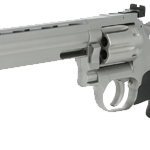
A Colt Python revolver used to be relatively common, but after production ceased in 2005, demand rose while supply shrank. Prices for pristine models shot into the thousands.
Timing Your Sale: When to Sell a Firearm
If you’re considering selling a firearm, pay attention to these trends:
Key Takeaways
At CashMyGuns.com, we help sellers navigate this complex market by providing fair, data-driven offers for their firearms, without the stress of timing it perfectly or finding the right buyer.
Thinking of selling your gun? Get a free online appraisal from Cash My Guns today and see how supply and demand is working in your favor.