
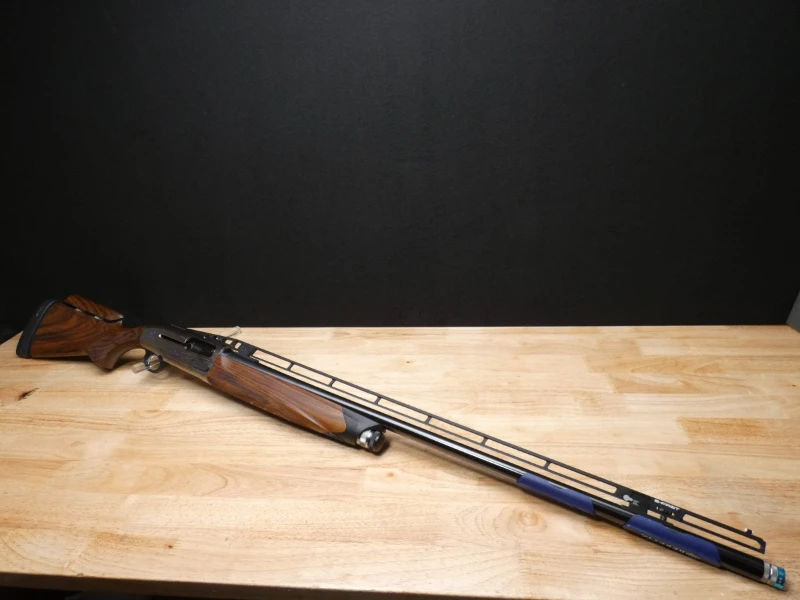
The Beretta A400 is a premier semi-automatic shotgun, renowned for its advanced Blink gas operating system, low recoil, and exceptional reliability. As a long gun, it has earned a stellar reputation among competitive shooters and hunters alike. Understanding its market value involves assessing its specific model, overall condition, and the current legal landscape. This guide provides a detailed analysis to help you accurately determine the worth of your A400 and navigate the sales process effectively.
What Determines Your Beretta A400’s Worth
The value of a Beretta A400 is primarily determined by its specific model and overall condition, rather than a simple round count. While a high round count is a consideration, the firearm’s cosmetic and mechanical state holds more weight with potential buyers. Visible wear, such as scratches, dings on the stock or receiver, or damage to the recoil pad, will directly lower its value. For instance, a pristine A400 might sell for around $1,400, whereas the same model in fair condition with noticeable wear may only fetch between $900 and $1,000, illustrating the significant impact of its physical appearance and upkeep.
2026 Price Breakdown by Generation
A400 Xplor Field Models
The Beretta A400 Xplor Action represents a foundational and highly popular variant, often seen as a benchmark for the series in the field. New models carry a Manufacturer’s Suggested Retail Price starting around $1,949, establishing a strong baseline. On the used market, a well-maintained Xplor Action typically commands a price between $1,247 and $1,400. Its value is upheld by its reputation as a versatile and reliable shotgun for hunting and general clay shooting, making it a consistently sought-after firearm among enthusiasts who appreciate its performance and classic aesthetics combined with modern technology.
Condition is the paramount factor for the Xplor series’ resale value. A model that shows minimal field use, with clean wood and unscratched metalwork, will trend toward the upper end of its price range. Conversely, signs of heavy use, even if mechanically sound, will push the value down. Sellers should note that while the A400 is built to last, the discerning buyer in this price bracket expects a firearm that has been meticulously cared for, making pre-sale cleaning and honest condition assessment crucial for achieving a successful sale at a fair market price.
A400 Xcel Sporting Models
The A400 Xcel series is engineered for the competitive clay shooter, featuring specialized components that command a higher price point. Models like the A400 Xcel Multitarget can have an MSRP exceeding $3,389, reflecting their advanced features such as adjustable ribs and balancing systems. This specialization translates to a higher valuation on the used market compared to field models, as they appeal to a dedicated segment of the shooting community. These firearms are seen as investments in performance, and their value is retained well among serious competitors who understand and seek out their specific capabilities.
Because these models are purpose-built for high-volume competitive shooting, buyers are often more forgiving of a high round count, provided the shotgun has been properly maintained. However, the mechanical and cosmetic condition remains critical. Any modifications or wear should be consistent with competitive use. The value of an Xcel is closely tied to its configuration and included accessories, such as choke tubes and stock adjustment shims. A complete, well-maintained package will always attract the strongest offers from shooters looking for a proven, competition-ready platform without the full cost of a new model.
General A400 Market Value
Across the entire Beretta A400 lineup, a blended market average provides a useful snapshot of its overall value. On average, a new A400 costs around $1,584, while a used model is valued at approximately $1,394. This relatively small depreciation highlights the shotgun’s desirability and strong value retention. This average, however, is influenced by the wide range of models available, from the accessible Xplor to the premium Xcel variants. The specific sub-model, its condition, and included features will ultimately cause an individual firearm’s price to deviate significantly from this general market average.
The impact of wear and tear is a universal factor across all A400 models. A high round count is less of a deterrent than visible damage. A pristine example of a common model can easily achieve a price of $1,400, demonstrating the market’s willingness to pay a premium for excellent condition. In contrast, an A400 in merely fair condition, showing clear signs of use through scratches and dings, may struggle to sell for more than $900 to $1,000. This significant price gap underscores that proper care and maintenance are the most important contributors to preserving the shotgun’s resale value.
Specialized and Tactical Variants
Beyond the common field and sporting models, the Beretta A400 platform includes specialized variants designed for tactical or specific defensive purposes. While the provided data does not detail these models, their value is driven by a different set of market factors. Features such as extended magazine tubes, pistol grips, and specialized sighting systems appeal to a niche segment of the market. The value of these shotguns is often tied to their specific configuration and compliance with regional laws, which can be more restrictive for firearms with tactical features, particularly in states like New York or California.
The core principles of valuation—condition, manufacturer reputation, and functionality—remain constant for these specialized A400s. However, their market may be smaller, leading to price points that are highly dependent on current demand for tactical-style semi-automatic shotguns. A seller should research comparable recent sales of similar tactical models to establish a realistic price. As with all A400s, a well-maintained firearm with its original parts and accessories will always be positioned to command the highest possible price within its specific market segment, ensuring a better return for the owner.
How Modifications Affect Value
The market for the Beretta A400 does not have a clear consensus on modifications that universally hurt its value. However, any alteration that is poorly executed or highly personalized can be a significant detriment. Permanent changes like amateur gunsmithing, non-professional stock alterations, or unconventional Cerakote finishes can severely limit the pool of potential buyers. While a specific shooter might find such a modification desirable, the broader market generally prefers the firearm in its original factory configuration. To maximize resale value, it is safest to assume that most modifications will not add value and may, in fact, detract from it.
Similarly, there is no definitive list of aftermarket parts that are guaranteed to add value to a Beretta A400. While high-quality upgrades from reputable brands might appeal to a niche buyer, such as a competitive shooter seeking a specific trigger group or extended bolt handle, sellers rarely recoup the full investment in these parts. The value of modifications is highly subjective. For the average buyer, a shotgun in its original, factory-pristine condition is often the most desirable. Therefore, selling the firearm with its original parts, and perhaps offering the modified components separately, is often the most effective strategy.
Regional Price Variations in 2026
The value and marketability of a Beretta A400 can be influenced by state and local firearm regulations. In states with strict laws, such as California, the A400 is legal but must adhere to a magazine capacity limit of 10 rounds. In New York, the shotgun is generally legal as long as it avoids features that would classify it as an “assault weapon” under the SAFE Act, such as a pistol grip or folding stock, and adheres to a seven-round fixed magazine limit (five in NYC). A compliant A400 may hold its value better in these restrictive markets due to a smaller pool of legally available alternatives.
Paperwork requirements for private sales also create regional price and process variations. Federal law does not require a bill of sale for a private transaction, but state laws are the primary determinant. Some states have no specific requirements, while others mandate that the sale must be processed through a Federal Firearms Licensee (FFL), which includes a background check. This can add cost and complexity to a transaction, potentially influencing a buyer’s willingness to pay a premium. A bill of sale is always highly recommended in any state to create a legal record of the ownership transfer, protecting both parties.
Online vs Local Sales
Selling a Beretta A400 privately can often yield the highest price, but it requires the seller to manage the legal aspects of the transaction. While federal law doesn’t mandate a bill of sale, it is a crucial document that is highly recommended to protect both the buyer and seller by creating a legal record of the ownership transfer. The primary legal burden comes from varying state and local laws; some states require private sales to be conducted through an FFL, while others do not. The seller is responsible for understanding and complying with all applicable regulations in their jurisdiction to ensure a lawful sale.
When selling online to an out-of-state buyer, federal law is unequivocal: the firearm must be shipped from the seller to a Federal Firearms Licensee (FFL) in the buyer’s state. The buyer then completes the background check and transfer at their local FFL. Complicating this, major carriers like UPS and FedEx have corporate policies that prohibit private individuals from shipping firearms. This effectively requires the private seller to use a local FFL to package and ship the shotgun to the buyer’s FFL, adding an extra step and associated fee to the process, which should be factored into the sale price.
Opting to sell to a local gun dealer offers maximum convenience at the cost of a lower return. Dealers typically offer between 50% and 70% of the used retail value for a firearm. Given the Beretta A400’s desirability and quick-selling nature, offers are likely to be in the higher end of that range, from 65% to 70%. For a seller prioritizing a fast, hassle-free transaction without the complexities of navigating private sale laws or shipping logistics, trading in or selling to a dealer provides a straightforward, albeit less profitable, solution to liquidating their firearm.
The FFL Buying Advantage
Utilizing a Federal Firearms Licensee (FFL) is a mandatory and advantageous component of any interstate firearm sale. When you sell your Beretta A400 to a resident of another state, federal law prohibits direct shipment to the buyer. Instead, you must ship the shotgun to an FFL in the buyer’s state of residence. This process ensures the transaction is completed legally, as the buyer must fill out the required ATF Form 4473 and pass a NICS background check before taking possession. This federally mandated procedure provides a crucial layer of legal protection for the seller, ensuring a compliant and documented transfer.
The FFL advantage extends beyond interstate sales. In states that require background checks for private firearm transfers, an FFL must be used to facilitate the sale. This ensures that the transaction adheres to all state and local laws, preventing the firearm from being transferred to a prohibited person. Even in states without this mandate, using an FFL for a local sale offers peace of mind for both parties. It creates an official record of the transfer, absolving the seller of future liability and confirming the buyer’s legal eligibility to own the firearm, making it a best practice for any private sale.
What Increases Your Offer
A thorough pre-sale cleaning is one of the most effective ways to increase offers for your Beretta A400. This goes beyond a simple wipe-down. You should perform a complete field strip, including the bolt and trigger assembly, and meticulously clean all carbon fouling and debris from the receiver, bolt, and gas system components. A common mistake is over-lubricating; use oil sparingly on key moving parts and avoid it entirely inside the firing pin channel and gas system. Ensure the gas port is clear and apply a light coat of oil to the choke threads before reassembly to present a perfectly maintained firearm.
High-quality photography is non-negotiable for maximizing value, especially in online listings. Use a simple, uncluttered background with bright, diffused lighting—natural light near a window is an excellent option. To ensure your photos are sharp and professional, use a tripod or brace your camera on a steady surface. Capture the A400 from multiple key angles, and include detailed close-ups of engravings, manufacturer markings, and any imperfections. This transparency builds buyer trust and allows the shotgun’s excellent condition to justify a premium price. A modern smartphone camera is sufficient, but a light tent can elevate the results.
Presenting a complete package significantly enhances the firearm’s appeal and value. An offer will almost always be higher for an A400 that includes its original factory box, owner’s manual, and all included accessories like the full set of choke tubes, choke wrench, and stock adjustment shims. These items demonstrate that the firearm has been well-cared for and is complete as it came from the manufacturer. Locating these original components before listing your shotgun for sale is a simple step that can add tangible value and make your listing stand out from others that are missing these important pieces.
When to Sell Your Beretta a400
Timing the sale of your Beretta A400 can have a direct impact on the final price and speed of the transaction. As a versatile shotgun popular for both hunting and clay sports, the prime selling season is typically during the summer and early fall. This period leads directly into various hunting seasons across the country, prompting a surge in demand from buyers looking to acquire a high-performance firearm for their upcoming trips. Listing your A400 between June and October places it in front of an active and motivated market, increasing the likelihood of a quick sale at a favorable price.
Another strategic window to sell your firearm is during the late winter and early spring, from approximately February through April. This period coincides with tax refund season for many Americans, a time when consumers often have more disposable income for significant purchases. This influx of cash into the market can stimulate demand for premium goods like the Beretta A400. By timing your listing to align with this financial season, you can attract buyers who are actively looking to invest their tax returns in a high-quality shotgun, creating a competitive environment that can help you achieve your asking price.
Beyond seasonal trends, it is wise to pay attention to broader market conditions. The firearms market can experience fluctuations in demand based on current events or proposed legislation. While the Beretta A400 is a premium shotgun with a relatively stable value, selling during a period of heightened market activity can maximize your return. Monitoring online forums and major retailer inventory levels can provide insight into current demand. Selling when the market is strong, rather than during a lull, ensures you are positioned to receive the best possible offer for your well-maintained firearm.
Common Pricing Mistakes
One of the most frequent pricing errors is anchoring the asking price to the original MSRP. A new Beretta A400 shotgun can range from approximately $1,949 to over $3,519 depending on the model. However, the used market operates on its own set of values. For example, a used A400 Xplor Action typically sells for between $1,247 and $1,400. Listing a used shotgun too close to its new price will deter knowledgeable buyers and significantly prolong the selling process. Researching recent sales of the same model in similar condition is essential for setting a realistic and competitive price.
Failing to honestly assess and price according to the shotgun’s condition is another common mistake. Sellers must understand that cosmetic and mechanical condition are more significant factors than round count. A pristine A400 can command a premium price near $1,400, but a firearm with visible scratches, dings, or a worn recoil pad will be valued much lower, potentially between $900 and $1,000. Overlooking or downplaying this wear when setting a price will lead to frustrating negotiations and will likely result in a much lower final offer than anticipated. An objective self-assessment is critical for a successful sale.
For a standard Beretta A400, paying for a professional appraisal for a private sale is often an unnecessary expense. With an average used value around $1,393, the cost of a formal written appraisal—which can range from $35 to $150—represents a significant percentage of the firearm’s worth. This expenditure directly reduces the seller’s net profit. While an appraisal can be justified for insurance purposes to document replacement value, it is not a cost-effective tool for setting a private sale price. Market research of comparable online listings and completed sales will provide a more practical and free valuation.
Market Outlook for 2026
Predicting the precise market value of the Beretta A400 for 2026 is inherently speculative, as no definitive long-term market consensus exists. However, the A400 series benefits from Beretta’s elite brand reputation and its proven performance in both sporting and hunting disciplines. This strong standing suggests that the A400 will continue to hold its value exceptionally well, especially when compared to shotguns from lower-tier manufacturers. Its history of reliability and desirability provides a solid foundation for stable value retention in the coming years, barring any unforeseen market-wide disruptions.
Looking ahead, the A400’s value will likely be influenced by factors such as general inflation, the introduction of new competing models, and overall demand within the semi-automatic shotgun market. As a firearm that is not an NFA item in its standard configurations, the A400 is less susceptible to the dramatic price volatility that can be caused by legislative changes targeting other types of firearms. This positions its future value to be driven primarily by predictable factors like model desirability and, most importantly, individual firearm condition, suggesting a future of stable and consistent worth.
Frequently Asked Questions
Does a high round count significantly lower my A400’s value?
While round count is a factor, the overall cosmetic and mechanical condition of the Beretta A400 is a more significant driver of its resale value. A well-maintained A400 with thousands of rounds through it that shows minimal wear can be worth more than a low-round-count gun with visible scratches, dings, or rust. Buyers are often more concerned with how the firearm was cared for than how many times it was fired. A pristine example might sell for around $1,400, while one in fair condition with noticeable wear could be valued as low as $900.
How much less will a dealer offer me compared to a private sale?
When selling to a gun dealer, you can typically expect an offer between 50% and 70% of the firearm’s used retail value. For a desirable and quick-selling shotgun like the Beretta A400, the offer will likely be on the higher end of that spectrum, from 65% to 70%. For example, if your A400 has a private party value of $1,400, a dealer might offer you between $910 and $980. This lower price is the trade-off for a fast, convenient, and legally simple transaction without the need to find a private buyer.
Is it worth getting a professional appraisal before selling my A400?
For a standard used Beretta A400, a professional appraisal is likely not worth the cost for the purpose of a private sale. With an average used value around $1,393, the expense of a written appraisal, which can range from $35 to $150, represents a significant percentage of the firearm’s value and reduces your net profit. An appraisal is more justified for insurance purposes to ensure full replacement value in case of loss or theft. For selling, you can determine a fair market price through research of online listings and recent sales.
Will I get more for an Xcel model than an Xplor model?
Yes, the value of a Beretta A400 is primarily determined by its specific model, and you can expect to get more for an Xcel than an Xplor. The Xcel series is designed for competitive shooting and has a much higher Manufacturer’s Suggested Retail Price; for instance, an Xcel Multitarget can cost over $3,389 new, compared to an Xplor Action at around $1,959. This significant difference in initial cost and features carries over to the used market, where the specialized Xcel models consistently command a higher resale value among discerning buyers.
Is my Beretta A400 considered an NFA item?
In its standard factory configurations, the Beretta A400 is not an NFA (National Firearms Act) item. A shotgun only falls under NFA regulations if its barrel is less than 18 inches long or its overall length is less than 26 inches. The A400 series is manufactured with barrel lengths, such as 26 and 28 inches, that far exceed these minimums. This non-NFA status is a positive value factor, as it ensures the shotgun can be bought and sold without the added taxes, paperwork, and long wait times associated with NFA-regulated firearms.
Get a Cash Offer Today
Ready to sell your Beretta A400? We make the process simple and secure. Submit your firearm’s details on our website to receive a fair, market-based cash offer. We handle all the complexities, providing you with a safe, legal, and hassle-free way to get top dollar for your shotgun.
Don’t wait for the right local buyer or deal with shipping complexities. Our streamlined system ensures you get paid quickly and confidently. Click here to begin the appraisal process and see what your Beretta A400 is worth today. Turn your firearm into cash with a trusted and professional service.