
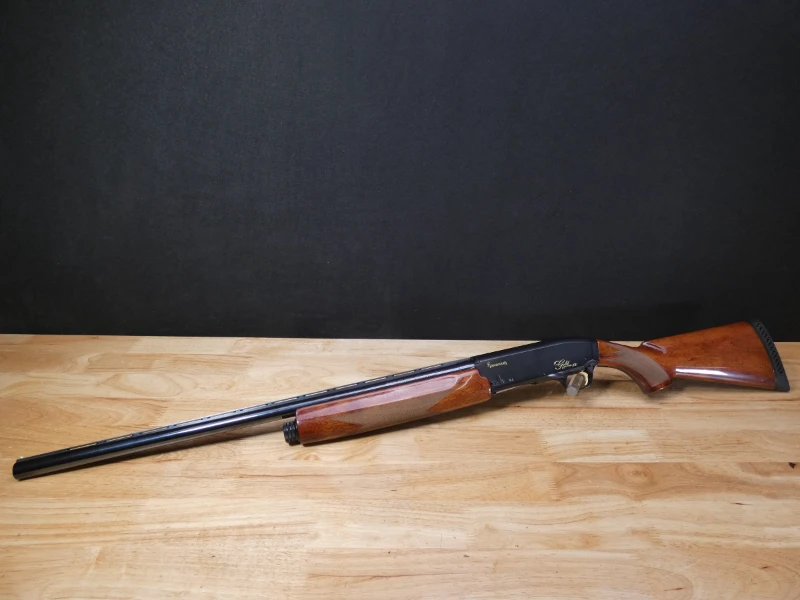
The Browning Gold Hunter is a respected semi-automatic shotgun known for its reliability and smooth-cycling gas-operated action. As a popular choice for hunters and sport shooters for decades, its value on the used market is influenced by several key factors. Understanding these elements, from its specific configuration and cosmetic condition to the nuances of the market, is essential for any owner looking to sell. This guide provides a detailed breakdown of what determines your shotgun’s worth in today’s environment.
What Determines Your Browning Gold Hunter’s Worth
The primary determinants of a Browning Gold Hunter’s value are its overall condition, gauge, and specific configuration. Based on current market data, a standard model in good to excellent condition typically commands a used price between $600 and $800. However, this value can be significantly impacted by cosmetic appearance. A firearm with heavy external wear, such as deep scratches or significant finish loss, could see a price reduction of 25% to 50%. Conversely, mechanical soundness is paramount. These shotguns are known for their durability, so a well-maintained action is more critical to a potential buyer than a low round count, ensuring the firearm retains its functional value.
2026 Price Breakdown by Generation
Early Production Models (Mid-1990s)
The Browning Gold Hunter was first introduced in the mid-1990s, quickly establishing itself as a capable semi-automatic shotgun. These early models laid the groundwork for the firearm’s long-standing reputation in the hunting community. As the first of their line, they represent the original design and engineering that appealed to sportsmen looking for a reliable and soft-shooting firearm. When evaluating these shotguns, collectors and users alike look for signs of wear that are consistent with their age, but also for evidence of the care and maintenance they have received over the decades of potential use in the field.
While mechanically sound, models produced in the first few years reportedly had some reliability issues that were later refined by Browning. This market perception can affect their value, potentially placing them at the lower end of the price spectrum compared to more recent versions. A seller with an early model should be prepared for discerning buyers who may inquire about its performance history. Proving that the shotgun cycles reliably is key to overcoming any preconceived notions about these initial production runs and achieving a fair market price for an otherwise classic and functional firearm.
Standard 12-Gauge Models
The 12-gauge variant is the most common and widely recognized configuration of the Browning Gold Hunter, forming the backbone of its market value. For a standard model in very good to excellent condition, the average used price hovers around $708, with a general market range falling between $600 and $800. This price point makes it an accessible yet high-quality option for a broad range of shooters and hunters. The value within this range is almost entirely dictated by the firearm’s cosmetic and mechanical condition, with pristine examples fetching prices at the upper end of the scale.
Because the 12-gauge model is so prevalent, condition becomes the key differentiator for sellers. A firearm that has been meticulously maintained, properly cleaned, and shows minimal signs of field use will always be more desirable. Sellers should highlight the cleanliness of the action, the integrity of the wood or synthetic furniture, and the absence of rust or pitting. In a market with many similar options, a well-cared-for shotgun stands out and justifies a price closer to the $800 mark, while examples with noticeable wear will naturally settle in the lower $600 range.
Desirable 20-Gauge Models
The 20-gauge Browning Gold Hunter often commands a premium on the used market, reflecting its higher desirability among certain segments of the shooting community. These models can command prices ranging from $700 to $900 or even more, consistently outperforming their 12-gauge counterparts. The increased value is driven by several factors, including lighter weight and reduced recoil, which make the shotgun more comfortable for a wider variety of shooters, including younger enthusiasts and those who are more sensitive to recoil. This broader appeal directly translates to a higher demand and, consequently, a higher price point.
Beyond its handling characteristics, the 20-gauge model’s value is also bolstered by its relative scarcity compared to the 12-gauge version. With fewer units available on the second-hand market, buyers are often willing to pay more for a clean example. For sellers, owning a 20-gauge Gold Hunter is a distinct advantage. Emphasizing its sought-after features and excellent condition can help a seller confidently price their firearm at the top of its value range, knowing there is a dedicated market segment actively seeking this specific configuration for its blend of performance and comfortable shooting dynamics.
Heavy-Duty 10-Gauge Models
While the standard Gold Hunter was never offered in 10-gauge, Browning did produce other Gold models specifically in this powerful chambering, and their market position offers valuable insight. New Browning Gold 10-gauge shotguns can carry an MSRP ranging from approximately $1,736 to $1,864. This significantly higher price point reflects their specialized design for serious waterfowl hunting, where the need for heavy payloads is paramount. Consequently, their used value is also substantially higher than that of the common 12-gauge or 20-gauge models, though they appeal to a much more niche audience of dedicated hunters.
The market for a 10-gauge shotgun is smaller but fiercely loyal. Sellers of these heavy-duty models are not targeting the general-purpose shooter but rather the enthusiast who requires maximum performance for goose or turkey hunting. Because of this, the firearm may take longer to sell, but it will command a much higher price when the right buyer is found. The value is retained due to its specialized application and robust construction, making it a premium tool for a specific job. Its worth is less about broad appeal and more about its exceptional capability within its intended role.
How Modifications Affect Value
When it comes to modifying a Browning Gold Hunter, the general consensus in the firearms market is that aftermarket parts rarely add to the resale value and can potentially lower it. While a seller might install an upgraded trigger or other components to enhance performance, it is unlikely they will recoup the cost of these parts upon sale. Many potential buyers prioritize the original factory configuration, as it represents a known quantity of reliability and performance. The Gold Hunter already has a reputation for having a generally low resale value, and non-factory modifications can further complicate a sale by narrowing the pool of interested buyers.
While there is no specific data on value-adding modifications for this model, the safest approach for preserving value is to maintain its original condition. Any modifications made should ideally be reversible, allowing a future owner the option to return the shotgun to its factory state. Ultimately, a clean, well-maintained, and unmodified Browning Gold Hunter is the most likely to achieve its maximum potential resale value. Sellers should focus on presenting the firearm’s inherent quality and reliability rather than relying on aftermarket additions to attract a higher offer, as these often fail to provide a return on investment.
Regional Price Variations in 2026
The value of a Browning Gold Hunter tends to be quite stable across different regions, primarily because it is a conventional hunting shotgun with few state-level restrictions. For instance, the firearm is listed on the California Department of Justice website, indicating it is generally legal for sale there. Similarly, in New York, most hunting shotguns are not classified as assault weapons, though the state does impose a ten-round magazine capacity limit, a restriction that does not affect the standard Gold Hunter. This widespread legality prevents the kind of dramatic regional price swings seen with other types of firearms.
Furthermore, the Browning Gold Hunter is not regulated as a National Firearms Act (NFA) item. NFA rules apply to shotguns with barrels shorter than 18 inches or an overall length under 26 inches, and the standard Gold Hunter configurations far exceed these minimums. Because it avoids complex federal and state-level legislative hurdles, its value is driven more by local market factors like hunting season popularity, economic conditions, and simple supply and demand rather than a patchwork of varying gun laws. This consistency makes its pricing more predictable for buyers and sellers nationwide.
Online vs Local Sales
Choosing between a private sale and selling to a dealer involves a significant trade-off between convenience and final price. Gun dealers will typically offer between 50% and 70% of the private sale market value for a used Browning Gold Hunter. One specific valuation source estimates the trade-in value for this model at approximately 65% of its private party value. This reduced offer is not arbitrary; it accounts for the dealer’s overhead, inventory costs, and the need to make a profit upon resale. While the payout is lower, the process is fast, simple, and guaranteed.
A private sale, whether local or online, will almost always yield a higher price but requires more effort and legal diligence from the seller. Depending on state and local laws, a private transaction may require both parties to complete a bill of sale. In many jurisdictions, the law mandates that the transfer must be facilitated by a Federal Firearms License (FFL) holder, who will conduct a background check on the buyer. This ensures the sale is legal but adds an extra step and potential fee to the process that sellers must navigate correctly.
Selling online to a buyer in another state introduces further logistical and legal requirements. Federal law prohibits private individuals from shipping firearms directly using common carriers like UPS and FedEx. To complete an online sale, the seller must take the Browning Gold Hunter to a local FFL holder. This licensed dealer will then handle the packaging and shipping to another FFL in the buyer’s state for a fee. This FFL-to-FFL transfer system is the only legal method for interstate private sales, ensuring compliance but adding to the overall cost and complexity of the transaction.
The FFL Buying Advantage
Utilizing a Federal Firearms Licensee (FFL) is essential for conducting legal and secure interstate firearm sales. When selling a Browning Gold Hunter to a buyer who resides in another state, federal law mandates that the seller must ship the shotgun to an FFL in the buyer’s home state. That dealer is then responsible for performing a mandatory background check on the purchaser and finalizing the legal transfer of ownership. This regulated process provides a crucial layer of security and legal protection for both the seller and the buyer, ensuring the transaction complies with all applicable laws and is properly documented.
While the FFL-to-FFL transfer is the standard for interstate sales, a notable exception exists for long guns like the Browning Gold Hunter. A licensed dealer can legally sell a shotgun or rifle over-the-counter directly to a resident of another state. However, this transaction is only permissible if the sale fully complies with the laws of both the dealer’s state and the buyer’s state of residence. This can be a convenient option for buyers who are traveling, but it underscores the FFL’s critical role in navigating the complex web of state and federal firearm regulations to ensure every sale is legitimate.
What Increases Your Offer
A thorough pre-sale cleaning is one of the most effective ways to increase the value of your Browning Gold Hunter. Pay close attention to the receiver, magazine tube, and barrel, ensuring all fouling and debris are removed. The gas ports are a critical area that directly impacts reliability; however, a common mistake is using a wire brush, which can cause damage. Instead, use a quality solvent and a plastic brush to gently but effectively remove carbon buildup. Presenting a potential buyer with a perfectly clean and functionally flawless shotgun demonstrates pride of ownership and justifies a higher asking price.
High-quality presentation is crucial, especially for an online sale. To best represent your shotgun, use a tripod to capture sharp, clear photos. Good, natural, or diffused lighting will minimize glare on the metal and wood surfaces, accurately showing the firearm’s condition. Take pictures from multiple angles and include close-ups of key features, markings, and any existing blemishes to build trust with potential buyers. Filling the frame with the firearm against a neutral background makes your listing look professional and helps it stand out from the competition, attracting more serious offers.
While there is no defined financial penalty for missing original items, a complete package will always make your firearm more attractive. Including the original box, owner’s manual, and any factory accessories like choke tubes and the choke wrench adds perceived value. This completeness suggests that the shotgun has been well-cared-for and meticulously kept. Buyers are often willing to pay a premium for a full set, as it enhances the ownership experience and is a positive indicator of the firearm’s history. It is a simple step that can help you secure a sale at the top end of the market range.
When to Sell Your browning gold hunter
Timing the sale of your Browning Gold Hunter can significantly impact the level of interest and the final price you receive. As a quintessential hunting shotgun, its demand peaks in the months immediately preceding major hunting seasons. Listing your firearm during the late summer and early fall ensures it is seen by a large pool of motivated buyers who are actively gearing up for the field. This seasonal rush often leads to a faster sale and more competitive offers, as hunters are eager to acquire reliable equipment before opening day arrives and are willing to pay for it.
Beyond the hunting calendar, general market trends also create prime selling windows. The spring season, particularly from February through April, is widely considered a strong period for firearm sales. During this time, many potential buyers have more disposable income due to tax refunds, leading to an overall increase in market activity. While this trend affects all types of firearms, it provides another excellent opportunity to list your shotgun when more people are actively looking to make a purchase, increasing the likelihood of a quick and profitable transaction for the seller.
While less pronounced for a hunting-specific firearm, some sellers also observe a minor uptick in interest around the Christmas holiday season as people shop for gifts. However, this is not as reliable as the pre-hunting and spring rushes. For a firearm like the Browning Gold Hunter, the most strategic and effective times to sell remain firmly tied to the rhythms of the hunting seasons and the broader economic cycle of the spring tax season. Aligning your sale with these periods of peak demand is the best way to maximize your return.
Common Pricing Mistakes
One of the most frequent errors sellers make is basing their asking price on the original Manufacturer’s Suggested Retail Price (MSRP). A new Browning Gold Hunter has an MSRP between $1,025 and $1,190, but the used market operates on entirely different principles. A realistic price must align with the current used value, which for a standard model in excellent condition is between $600 and $800. Starting too high based on the new price will deter knowledgeable buyers and cause your listing to languish without serious interest from the market.
Another common mistake is failing to objectively assess and price according to the firearm’s actual condition. Many owners have an inflated view of their shotgun’s state, pricing a well-used field gun as if it were in pristine, “like-new” condition. Market data indicates that heavy cosmetic damage can reduce a firearm’s value by 25% to 50%. Ignoring significant scratches, dings in the stock, or wear on the bluing and asking for top-dollar is a surefire way to alienate potential buyers who can clearly see the discrepancy between the price and the actual condition.
Finally, a seller can waste money by paying for services that are not necessary for this type of firearm. For a standard Browning Gold Hunter, a professional appraisal is typically not worth the cost. The shotgun’s value range is well-established and widely known within the firearms community. Free and informal valuations can easily be obtained from online forums or by visiting a local gun shop. Spending money on a formal appraisal will only reduce the net profit from the sale without providing any significant advantage in a well-understood market segment.
Market Outlook for 2026
Predicting the precise future value of any firearm is inherently challenging, as the market is subject to a wide range of influences, including economic shifts, the introduction of new competing models, and potential changes in firearm regulations. As such, there is no established market consensus on the specific price trajectory for the Browning Gold Hunter heading into 2026. Its value is not expected to experience the volatility seen with other types of firearms, but a definitive long-term forecast remains elusive due to the dynamic nature of the industry and consumer demand.
Despite the lack of a formal prediction, the Browning Gold Hunter’s reputation as a durable and reliable workhorse shotgun suggests its value will remain stable. It has long been a trusted tool for hunters and clay shooters, and this legacy of performance will continue to make it an attractive option on the used market. Rather than seeing significant appreciation or depreciation, its value will likely continue to be closely tied to its immediate condition and mechanical soundness. It should hold its position as a solid, affordable semi-automatic shotgun for years to come.
Frequently Asked Questions
Does a high round count hurt my Browning Gold Hunter’s value?
A high round count does not inherently lower the value of a Browning Gold Hunter. These shotguns are renowned for their durability, with many owners reporting well over 100,000 rounds fired with proper care and the replacement of wearable parts. Unlike some firearms where round count is a primary concern, the value of a Gold Hunter is more significantly impacted by its overall cosmetic condition, evidence of regular maintenance, and its ability to cycle reliably. A well-maintained, high-use shotgun will often be valued higher than a neglected, low-round-count example that shows signs of rust or poor storage.
Will I get more money for my 20-gauge model?
Yes, 20-gauge models of the Browning Gold Hunter typically command a higher price on the used market. While a standard 12-gauge in excellent condition sells for $600 to $800, a comparable 20-gauge can fetch between $700 and $900, and sometimes more. This premium is due to increased demand from shooters who prefer the lighter weight and softer recoil of the 20-gauge platform. Their relative scarcity compared to the more common 12-gauge models also contributes to their higher value, making them a more sought-after find for many buyers.
How much does heavy cosmetic damage affect the price?
Heavy cosmetic damage will significantly reduce a Browning Gold Hunter’s resale value. A typical used price is based on a firearm in approximately 80% condition. If a shotgun has substantial cosmetic issues—such as deep scratches in the stock, extensive loss of the barrel’s bluing, or patches of rust—its value would likely be reduced by an additional 25% to 50% from that baseline. Buyers expect field guns to have some wear, but excessive damage suggests neglect and will result in much lower offers, as the cost of restoration is often prohibitive.
Is it worth keeping the original box and paperwork?
Absolutely. While there may not be a specific, standardized monetary penalty for lacking the original box and paperwork, their inclusion consistently adds value and appeal. A complete package signals to a potential buyer that the firearm has been well-cared-for and stored properly throughout its life. It makes your listing stand out from others and can be the deciding factor for a discerning buyer. Including the original box, owner’s manual, and all factory accessories like choke tubes will help you achieve a faster sale at the higher end of your firearm’s value range.
Are the earliest models from the 1990s worth less?
Yes, Browning Gold Hunter models produced in the first few years following their introduction in the mid-1990s may have a slightly lower resale value. This is due to a market perception that these early production runs had some reliability issues that were subsequently addressed by Browning in later manufacturing. Even if a specific early model has been serviced or functions perfectly, the stigma can persist among knowledgeable buyers. As a result, these shotguns may be valued slightly less than their counterparts from the late 1990s and 2000s, which are seen as more refined.
Get a Cash Offer Today
Ready to sell your Browning Gold Hunter? We make the process safe, simple, and hassle-free. Skip the uncertainties of private sales and get a fair, competitive cash offer from a trusted buyer. Our streamlined process ensures you get paid quickly without any hidden fees or complications.
Click here to submit your firearm for an evaluation. Our team of experts will review its condition and provide you with a no-obligation offer. We are fully licensed and committed to making your selling experience transparent and convenient. Turn your used shotgun into cash today.