How to Sell a Gun in Alabama: A Comprehensive Guide
When buying or selling a firearm in the state of Alabama all parties involved should have knowledge of the state’s laws and regulations that govern…
Gun laws vary dramatically from state to state, and they change often. Whether you’re trying to understand background check requirements, figure out if your private sale is legal, or navigate new legislation like the California Glock ban, our compliance guides break down the rules in plain language. Written with sellers in mind and reviewed against ATF, state legislature, and attorney general sources.
Selling a firearm without understanding your state's regulations can result in criminal charges, fines, and civil liability, even if you had no intention of breaking the law. Private sales in particular are a legal minefield. Roughly half of all states now require background checks on every firearms transfer, including sales between friends, family, and strangers. Some states require waiting periods, registration, or special permits. Others require handgun transfers to go through an FFL but allow private long gun sales. The specifics matter, and getting them wrong can be a felony.
Our state-by-state guides are compiled from official state legislature websites and ATF memoranda, and they're written specifically for people looking to sell.
When you sell through CashMyGuns.com, you're selling to a federally licensed FFL dealer authorized by the ATF to purchase, receive, and transfer firearms. That means every transaction is conducted in full compliance with Title I of the Gun Control Act and all applicable state laws. We handle the background check infrastructure, the Form 4473 documentation, serial number verification, and transfer paperwork. You don't need to study your state's gun laws or worry about accidentally selling to a prohibited buyer. We've done this since 2013, across every state, with thousands of verified transactions.
"I thought it was a joke because there are websites asking you to ship your guns to a PO Box! Then I found these guys who had a hard street address, business licenses in two states, and sent me proof of FFL prior to shipping." — Verified Seller
Comprehensive selling guides for every major state. California, New York, Texas, Florida, Michigan, Pennsylvania, Ohio, Oregon, Washington, Colorado, Georgia, and more.
View Guides →When buying or selling a firearm in the state of Alabama all parties involved should have knowledge of the state’s laws and regulations that govern…
If you’re considering selling a firearm in Arkansas, it’s important to understand the legal framework surrounding firearm transactions. This guide…
Kentucky is a welcoming state for gun owners as the state does not implement its own restrictions when it comes to buying, selling or transferring…
In the vast expanse of Texas, where the spirit of independence runs deep, the right to bear arms is cherished and protected. Texas, known for its…
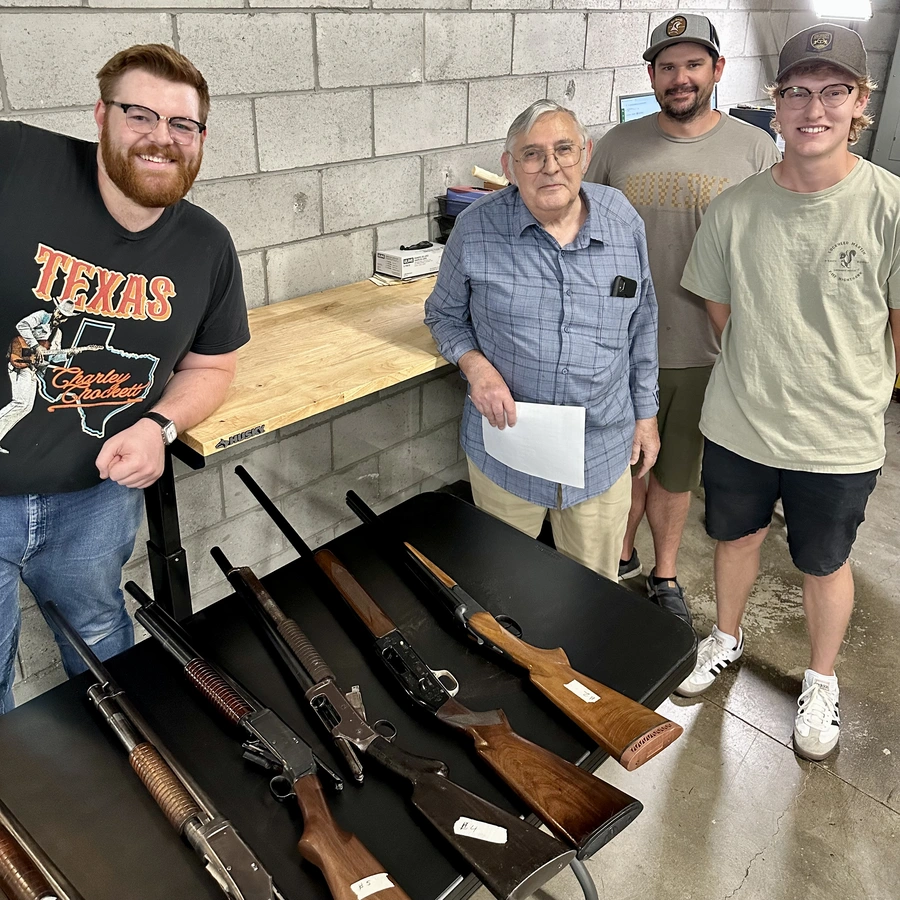
At CashMyGuns.com, we love highlighting the stories of our customers. Every firearm that comes through our doors carries history, memories, and a…
The Weatherby Orion: A Legacy of Elegance and Performance The Weatherby Orion over-under shotgun embodies a legacy of elegance, performance, and…
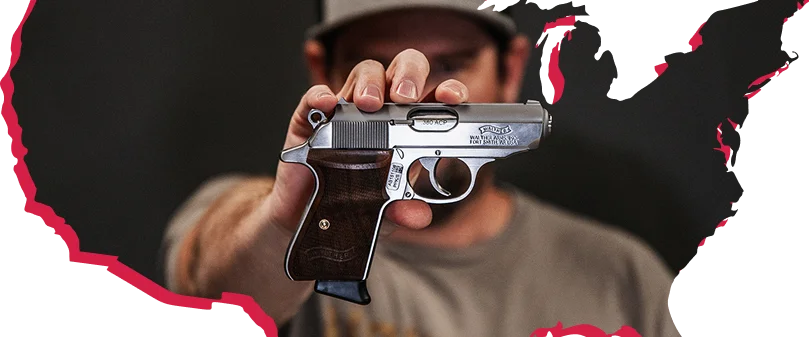
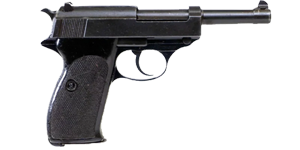
The Walther P1: A Blend of History, Design, and Value The Walther P1 pistol, a post-World War II iteration of the legendary P38, holds a distinctive…
In Miami-Dade County, Florida, there are several laws and regulations that govern the purchase and sale of firearms. Understanding these laws is…
Selling a gun in Minnesota to a non-licensed person can be a stressful process with current regulations in place. The state of Minnesota has numerous…
If considering selling a gun in Guam, it’s essential to navigate the legal complexities and requirements associated with firearm sales. This guide…
At Dunlap Gun Buyers, we recognize the importance of sellers’ peace of mind. While our reputation as America’s Most Trusted Gun Buyers is backed by…
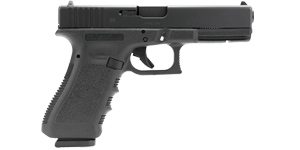
Why do Gun Owners Like Glock 17 Pistols? The Glock 17, a name synonymous with reliability, durability and versatility, has established itself as a…
When selling to a licensed FFL dealer like CashMyGuns.com, you do not need to arrange a background check. The dealer handles all compliance. For private sales, roughly half of U.S. states now require background checks through an FFL for all transfers. States like California, New York, Oregon, Washington, Colorado, and Michigan require checks for every firearms sale. Other states have different rules for handguns vs. long guns. The laws change frequently, so selling through a licensed dealer is the safest approach.
Yes. Selling a firearm online is legal when the transaction goes through a Federal Firearms License (FFL) dealer. Federal law requires firearms shipped across state lines to be received by an FFL holder who completes the required background check and transfer paperwork. CashMyGuns.com holds active FFLs and handles all ATF compliance, making the process legal in all 50 states.
A Federal Firearms License is issued by the ATF and authorizes a business to commercially buy, sell, transfer, and receive firearms. When you sell to an FFL dealer, the dealer is legally authorized to receive your firearm, verify serial numbers, ensure the transaction is compliant, and complete all documentation. Selling to an FFL removes the legal risk that falls on private sellers navigating complex state regulations on their own.
Private sales carry criminal, civil, and personal safety risks. If you sell to a prohibited person, you can face federal charges even without intent. In states requiring background checks for private sales, skipping one is a criminal offense with fines and potential imprisonment. You also face civil liability if the firearm is used in a crime, and meeting strangers for cash transactions creates personal safety concerns. Selling through a licensed FFL eliminates all of these risks.
Assembly Bill 1127, signed in October 2025, bans new retail sales of semiautomatic pistols classified as "machinegun-convertible" in California, a category that includes certain Glock models and Glock-style handguns. The ban takes effect in mid-2026. Current owners are not required to surrender their firearms, and private party transfers through licensed dealers remain legal. Gun rights groups have filed constitutional challenges. If you own a Glock in California, you can still sell through CashMyGuns.com.
ATF Form 4473 is the Firearms Transaction Record required by federal law for every purchase from a licensed dealer. It collects the buyer's identification and eligibility information, and is used with the National Instant Criminal Background Check System (NICS) to verify the buyer is not a prohibited person. When you sell to CashMyGuns.com, we handle all Form 4473 documentation as part of the transfer.
Federal gun law provides the baseline, but state law adds layers of regulation that can vary dramatically depending on where you live. Selling a firearm legally requires understanding both. The guides in this category are compiled from official state legislature websites, ATF memoranda, and attorney general publications, and they're written specifically with sellers in mind.
The Gun Control Act of 1968 is the primary federal statute governing firearms sales. It requires anyone "engaged in the business" of dealing firearms to hold a Federal Firearms License. It prohibits sales to certain categories of people (felons, domestic violence offenders, drug users, fugitives, and others), and it requires all interstate firearms transfers to go through an FFL dealer. The Brady Handgun Violence Prevention Act added the requirement for NICS background checks on all sales through licensed dealers. Importantly, federal law does not require background checks for private, intrastate transfers between unlicensed individuals, but many states have added their own requirements on top.
California requires universal background checks, a 10-day waiting period, mandatory FFL involvement for all transfers, DROS fees, and maintains a roster of approved handguns for retail sale. The new AB 1127 adds a ban on "machinegun-convertible" pistols. New York requires FFL background checks for nearly all transfers and has strict permitting requirements. Oregon and Washington mandate that all private sales go through an FFL with a background check. Colorado requires universal background checks and restricts high-capacity magazines. Michigan recently expanded its background check requirements to cover rifles and shotguns in addition to handguns, and enacted red flag and safe storage laws. Meanwhile, states like Texas, Arizona, and Georgia allow private long gun sales with minimal restrictions, though federal prohibitions still apply.
States generally fall into three categories. Universal background check states require an FFL-facilitated check for all firearms transfers, including private sales. Limited check states require checks for certain transaction types (typically handguns or sales at gun shows) but not all private transfers. Minimal-restriction states defer to federal law, which does not require checks for private intrastate sales. The trend since 2013 has been toward more states adopting universal check requirements, and the legislative landscape continues to evolve. Our state guides are updated to reflect the latest changes.
An increasing number of states have enacted Extreme Risk Protection Order laws (commonly called "red flag" laws) that allow courts to temporarily remove firearms from individuals deemed a threat to themselves or others. California, Colorado, New York, Michigan, Oregon, Washington, and others have these laws in place, and they can affect a buyer's eligibility during the transfer process. Several states have also introduced mandatory safe storage requirements, particularly to prevent minor access. These regulations don't directly affect the act of selling, but they're part of the regulatory environment that sellers should understand.
When you sell to a licensed FFL dealer, you transfer the compliance burden to a business that is legally authorized, professionally trained, and regularly audited by the ATF to handle firearms transactions. The dealer verifies serial numbers, checks for stolen or defaced firearms, ensures the transaction is documented properly, and maintains records as required by law. You don't need to determine whether your buyer is a prohibited person, whether your state requires a background check for this specific type of sale, or whether local ordinances add additional requirements. CashMyGuns.com handles all of this, in all 50 states, at no cost to you. That's the value of selling to a licensed dealer.
When buying or selling a firearm in the state of Alabama all parties involved should have knowledge of the state’s laws and regulations that govern…
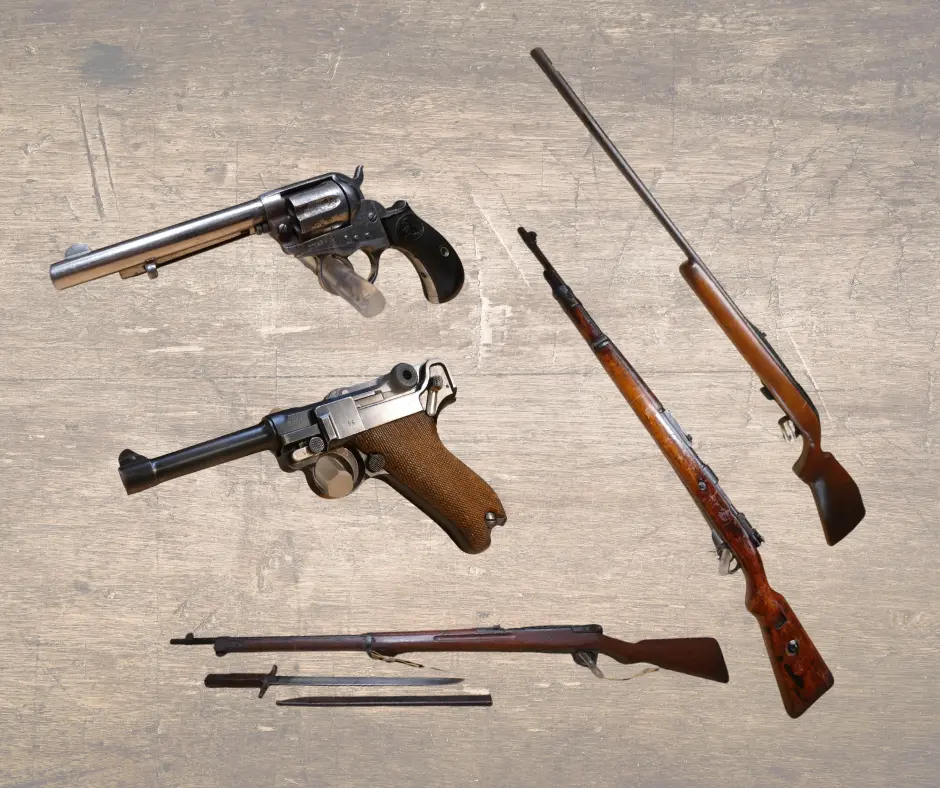
June was a big month for collectors, with some truly iconic firearms passing through our doors. For those who love history you can hold, these guns…
The Beretta 950BS Jetfire is a classic semi-automatic pocket pistol renowned for its compact design and unique tip-up barrel. As a discontinued model…
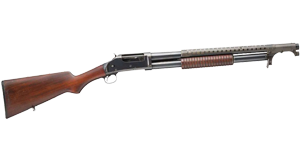
Why Do Gun Owners Like Shotguns of the World Wars? Shotguns utilized by soldiers during the World Wars occupy a unique place in the realm of…