How to Sell a Gun in Alabama: A Comprehensive Guide
When buying or selling a firearm in the state of Alabama all parties involved should have knowledge of the state’s laws and regulations that govern…
Current gun laws for every state, explained for people who own and sell firearms. Covers permitless carry, universal background checks, private sale requirements, assault weapon bans, red flag laws, waiting periods, and every significant piece of 2025-2026 legislation. Sourced from state legislature websites, ATF memoranda, and attorney general publications.
Federal law provides the baseline for firearms regulation, but states control most of the rules that directly affect gun owners and sellers. Private sale background check requirements, waiting periods, permit-to-purchase systems, assault weapon classifications, and carry regulations all vary by state. A transaction that's perfectly legal in Texas could be a felony in New York. A firearm you can buy freely in Arizona may require a special license in Massachusetts.
These differences matter most during sales and transfers. Sellers in states with universal background check requirements face criminal penalties for transferring a firearm without running a check through an FFL. In some states, even gifting a firearm to a friend requires paperwork. Our state law guides break down what applies to you based on where you live.
Gun laws are changing at a pace that makes yesterday's knowledge unreliable. In 2025 alone, Colorado banned specified semiautomatic firearms, Rhode Island enacted an assault rifle ban, Washington introduced a permit-to-purchase requirement, and multiple states cracked down on Glock switch devices. Meanwhile, Congress reduced the NFA tax to $0 for suppressors and short-barreled rifles effective January 2026, and Florida's open carry ban was struck down by a state appeals court.
You don't need to be a lawyer. You can sell any firearm to CashMyGuns.com, and our FFL handles all state-specific compliance, from California's roster restrictions to New York's SAFE Act requirements. One process, every state, fully legal.
Quick-reference tags for every state's key firearms regulations. Click any state for the full gun law guide. Tags reflect the state's current regulatory framework.
When buying or selling a firearm in the state of Alabama all parties involved should have knowledge of the state’s laws and regulations that govern…
If you’re considering selling a firearm in Arkansas, it’s important to understand the legal framework surrounding firearm transactions. This guide…
Kentucky is a welcoming state for gun owners as the state does not implement its own restrictions when it comes to buying, selling or transferring…
In the vast expanse of Texas, where the spirit of independence runs deep, the right to bear arms is cherished and protected. Texas, known for its…
In Miami-Dade County, Florida, there are several laws and regulations that govern the purchase and sale of firearms. Understanding these laws is…
Selling a gun in Minnesota to a non-licensed person can be a stressful process with current regulations in place. The state of Minnesota has numerous…
If considering selling a gun in Guam, it’s essential to navigate the legal complexities and requirements associated with firearm sales. This guide…
Selling a firearm in Alabama involves specific legal requirements and procedures. Whether you’re downsizing your collection or selling a single…
Selling a firearm in Georgia requires an understanding of state and federal laws to ensure a legal and smooth transaction. Whether you’re selling a…
Washington state’s new public policy concerning firearm ownership was signed into law by Gov. Jay Inslee April 25, 2023 and prohibits the future…
Selling a gun in Missouri requires knowledge of the state’s laws to ensure gun owners are in compliance and don’t make any mistakes during the…
An “assault weapon” ban backed by Gov. Ralph Northam banning the sale of “military-style” firearms predominately used in recent mass shootings is a…
As of 2026, 29 states allow constitutional carry, meaning law-abiding adults can carry a concealed handgun without a government-issued permit. The most recent additions are South Carolina (March 2024) and Louisiana (July 2024). Age requirements vary by state, typically 18 or 21. Most constitutional carry states still issue voluntary permits for interstate reciprocity.
Approximately 22 states and D.C. require background checks for at least some private firearms sales. These include California, Colorado, Connecticut, Delaware, Hawaii, Illinois, Maryland, Massachusetts, Michigan, Nevada, New Jersey, New Mexico, New York, Oregon, Pennsylvania, Rhode Island, Vermont, Virginia, and Washington. Maine requires checks at gun shows. Several states use permit-to-purchase systems that function as de facto universal checks.
A red flag law, or Extreme Risk Protection Order (ERPO), allows courts to temporarily remove firearms from individuals deemed a risk to themselves or others after a petition from law enforcement, family members, or in some states other parties. About 21 states and D.C. have some version. Who can petition, order duration, and due process protections vary by state. Maine uses a "yellow flag" variation, though voters expanded it in November 2025.
Approximately 11 states have enacted some form of assault weapons ban: California, Connecticut, Delaware, Hawaii, Illinois, Maryland, Massachusetts, New Jersey, New York, Washington, and Rhode Island (2025). Colorado passed a ban on specified semiautomatic firearms in April 2025, taking effect in 2026. Definitions of "assault weapon" vary widely. Several of these bans face active court challenges after the Supreme Court's 2022 Bruen decision.
Constitutional carry only applies within state borders. A concealed carry permit from your home state may be recognized elsewhere through reciprocity agreements, but these vary. Some states honor all out-of-state permits, others recognize none. Federal law (FOPA) provides limited protection for transporting unloaded, locked firearms through restrictive states. Always verify current reciprocity agreements before traveling with a firearm.
Colorado banned specified semiautomatic firearms (SB 25-3) effective 2026. Rhode Island enacted an assault rifle ban (HB 5076). Washington passed a permit-to-purchase requirement with training and fingerprinting. California signed AB 1127 banning machine-gun-convertible pistols effective July 2026. Alabama passed SB116 (Glock switch ban) and SB119 (expanded prohibited persons). Congress reduced the NFA tax to $0 for suppressors, SBRs, and SBSs. Florida's open carry ban was struck down by a state appeals court.
Yes. State legislatures introduce gun-related bills every session. In 2025, states across the political spectrum enacted significant firearms legislation, from new bans and permit requirements to expanded carry rights and NFA deregulation. Court decisions (particularly in the wake of the 2022 Bruen ruling) are also reshaping gun laws in real time. This is why selling through a licensed FFL like CashMyGuns.com offers a significant advantage: the dealer's compliance obligations are ongoing, and they keep current with every change.
Selling through a licensed FFL dealer. When you sell to CashMyGuns.com, the FFL handles all background check requirements, Form 4473 documentation, transfer paperwork, and state-specific compliance. You don't need to research your state's private sale rules, waiting periods, or permit requirements. The FFL's license covers the entire transaction. CashMyGuns.com has completed thousands of legal transactions across all 50 states since 2013.
The expansion of constitutional carry represents the most significant trend in American gun law over the past decade. From just two states (Vermont and Alaska) in 2003, permitless carry has grown to 29 states as of 2026, covering 58% of the country. The acceleration has been dramatic, with 16 states adopting permitless carry between 2021 and 2024 alone. South Carolina became the most recent addition in March 2024, followed by Louisiana in July 2024.
Constitutional carry removes the permit requirement for concealed carry but does not eliminate gun laws. Carriers must still meet age requirements (typically 18 or 21), be legally eligible to possess firearms under federal law, and comply with state-specific restricted location rules. Federal gun-free zones including post offices, federal courthouses, and airports remain off-limits regardless of state carry laws. Most constitutional carry states continue to issue voluntary permits for reciprocity with other states, and many firearms instructors report that permit applications have remained steady even after permitless carry adoption.
The private sale background check landscape continues to expand. 22 states and D.C. now require background checks for at least some private firearms transfers, up from a handful just a decade ago. These laws close what advocates call the "private sale loophole" and what the ATF identifies as the most frequent firearms trafficking channel in its investigations. The implementation varies: some states like California and New York require all transfers through an FFL, while others like Maine limit the requirement to gun show sales. Pennsylvania recently expanded its longstanding handgun-only check requirement to cover all firearms.
States use different systems to process checks. The majority rely on the FBI's National Instant Criminal Background Check System (NICS), but 13 states operate as point-of-contact states, running checks through their own databases that may include additional records not in NICS. Pennsylvania uses its own Pennsylvania Instant Check System (PICS) in addition to NICS. Illinois requires a Firearm Owner Identification (FOID) card that involves its own background check process. Understanding which system applies in your state matters because processing times, denial rates, and appeal procedures all differ.
The legal landscape for assault weapon restrictions is in active flux. 11 states maintain some form of ban, with Rhode Island's 2025 legislation (HB 5076) and Colorado's SB 25-3 (effective 2026) as the most recent additions. California, Connecticut, and New York have the longest-standing bans, dating to the 1990s and early 2000s, though each has been updated and expanded since. The Supreme Court's 2022 Bruen decision, which established a "text, history, and tradition" test for firearms regulations, has generated a wave of legal challenges. Connecticut's ban is currently the subject of a Supreme Court petition from gun rights groups. The outcome could reshape the legality of state-level assault weapon bans nationwide.
ERPOs have expanded to 21 states and D.C., with Maine voters approving an expansion of their existing "yellow flag" law in November 2025 to allow family and household members to petition for firearm removal. Massachusetts strengthened its ERPO statute in 2024, expanding who can petition and tightening revocation provisions. Florida's red flag law, enacted after the 2018 Parkland shooting, survived legislative attempts to repeal it during the 2025 session. Indiana's red flag law predates most others, having been on the books since 2005. Implementation data from states with active ERPO statutes shows varying usage rates, with Minnesota reporting 281 judicial orders through October 2025.
Colorado SB 25-3 banned the manufacture, sale, and transfer of specified semiautomatic firearms starting in 2026, along with a $5 permit requirement, mandatory training, and fingerprinting for all semi-automatic rifle and pistol purchases. Washington HB 1902 introduced a permit-to-purchase system with live-fire training, a 10-day waiting period, and annual permit renewal. California AB 1127 bans new sales of semi-automatic handguns deemed convertible to automatic operation, effectively targeting certain popular pistol models, taking effect July 2026.
On the federal level, Congress reduced the NFA tax to $0 for suppressors, short-barreled rifles, short-barreled shotguns, and any other weapons, effective January 1, 2026. Registration and background check requirements remain. Florida's open carry ban was struck down by the First District Court of Appeal in September 2025. Texas decriminalized short-barrel firearms under state law (SB 1596). Multiple states including Alabama, New Mexico, and Tennessee enacted bans on machine gun conversion devices. Virginia's 2026 session has introduced bills for a 5-day waiting period, expanded ERPO provisions, and a separate firearms excise tax.
Every law described above directly affects how, where, and to whom you can sell a firearm. In states with universal background check requirements, selling a rifle to a neighbor without an FFL check is a criminal offense. In states with assault weapon bans, possessing or transferring certain models can carry felony charges. Waiting period laws delay private transactions. Permit-to-purchase requirements add layers of documentation.
Selling through CashMyGuns.com eliminates all of this complexity. As a federally licensed FFL dealer operating since 2013, we handle the compliance for every state's unique framework. You submit your firearm details, receive an offer, ship with our prepaid label, and get paid. No background check coordination, no waiting period management, no permit verification, no assault weapon classification research. One process, every state, fully legal.
The information on this page is compiled from official state legislature websites, ATF memoranda, and attorney general publications. Gun laws change frequently. This content does not constitute legal advice. Consult a licensed attorney or your local law enforcement for guidance specific to your situation.
When buying or selling a firearm in the state of Alabama all parties involved should have knowledge of the state’s laws and regulations that govern…
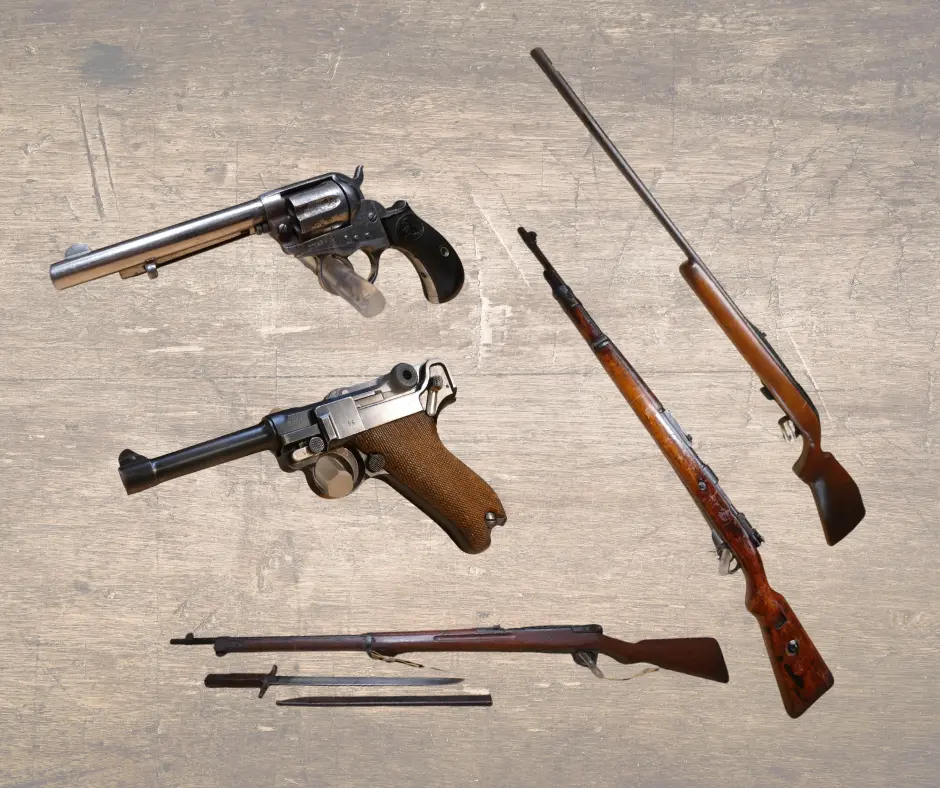
June was a big month for collectors, with some truly iconic firearms passing through our doors. For those who love history you can hold, these guns…
The Beretta 950BS Jetfire is a classic semi-automatic pocket pistol renowned for its compact design and unique tip-up barrel. As a discontinued model…
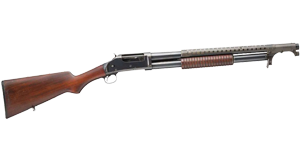
Why Do Gun Owners Like Shotguns of the World Wars? Shotguns utilized by soldiers during the World Wars occupy a unique place in the realm of…