
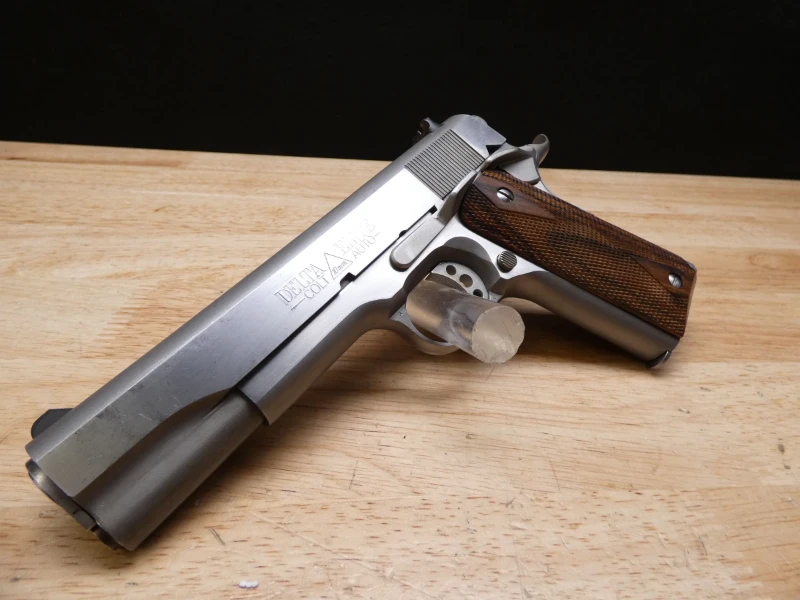
A modern classic chambered in the powerful 10mm Auto, the Colt Delta Elite holds a special place for enthusiasts of the 1911 platform. Its value is determined by a blend of factors, including its specific generation, overall condition, and any modifications. Whether you own an early model or a recent production variant with modern enhancements, understanding these key elements is crucial to accurately assessing its current market worth and ensuring you receive a fair price upon sale.
What Determines Your Colt Delta Elite’s Worth
The value of a Colt Delta Elite is primarily influenced by its generation, physical condition, and mechanical wear. Early first-generation models appeal to collectors, while later versions with factory upgrades like improved sights and recoil systems attract shooters. Condition is paramount; cosmetic flaws can deter buyers, but the most significant value detractor is a high round count. The powerful 10mm cartridge can cause accelerated wear, and potential buyers are often wary of frame integrity on well-used examples. A pistol with a documented history of extensive use, especially with high-pressure ammunition, may see its value drop significantly, with some examples selling for as low as $800 due to concerns over potential frame cracking.
2026 Price Breakdown by Generation
First Generation (1987-1996)
The first-generation Colt Delta Elite models, produced from 1987 to 1996, represent the pistol’s original incarnation and are highly sought after by collectors. These firearms are closer in design to the standard M1911 of the era, featuring more traditional sights and ergonomics. Their value is heavily dependent on condition and originality. A well-preserved example with its original box and paperwork can command a premium, while shooter-grade pistols with visible wear will be priced more modestly. These early models established the Delta Elite’s reputation for handling the potent 10mm cartridge, creating a legacy that continues to drive interest and value in the modern market.
Pricing for these vintage models reflects their dual status as both collectible firearms and capable shooters. While newer generations offer more modern features, the classic appeal of the first generation maintains a strong and stable market value. An average used price for a standard model in good condition hovers around $1,137, but pristine examples can fetch more. Buyers of this generation are often scrutinizing the firearm for signs of high round counts, as early frame cracking concerns were more prevalent, making condition a critical factor in determining its final sale price.
Second Generation (2009-2015)
After a hiatus, Colt reintroduced the Delta Elite in 2009, marking the beginning of its second generation. These models brought the 10mm 1911 back into the spotlight with several key improvements over their predecessors. While retaining the classic silhouette, this generation often featured upgraded sights, more aggressive grip checkering, and enhanced internal components designed to better withstand the pressures of the 10mm round. These pistols catered to a new wave of shooters who desired the power of the 10mm in a familiar and reliable platform, bridging the gap between the original collector’s pieces and the more tactical models to come.
The value of a second-generation Delta Elite is typically strong, as it offers a more modern shooting experience than the first generation without the higher price tag of the latest variants. These models are often seen as excellent “shooter” grade pistols that can be enjoyed at the range without compromising the value of a vintage collectible. Their price point generally sits comfortably between the first and third generations, appealing to buyers who want a functional, factory-improved 10mm 1911. Condition remains a key driver, but these models are generally considered more robust than the earliest versions.
Third Generation (2016-Present)
The most significant evolution of the Delta Elite began in 2016, ushering in the third and current generation of the pistol. These models were substantially upgraded to meet modern standards, featuring enhancements such as Novak sights for a clearer sight picture, improved ergonomics with features like an upswept beavertail grip safety, and a more robust dual spring recoil assembly. This new recoil system was specifically engineered to tame the potent 10mm cartridge, increasing the firearm’s longevity and improving the shooting experience. These enhancements make the latest models highly desirable for both defensive use and sport shooting.
Due to these modern features, the current generation of Colt Delta Elites commands the highest prices for new and like-new models, with an MSRP ranging from $1,349 to $1,499. The market recognizes the value of these factory upgrades, and they consistently sell for a premium over older generations in similar condition. The improved durability and enhanced shootability make them a top choice for those who intend to use the pistol regularly, and their value reflects this practical, high-performance appeal. A new model typically has a street price starting around $1,150, making it a competitive option in the premium 1911 market.
Special Variants
Beyond the standard generational models, Colt has released several special variants of the Delta Elite that significantly impact its market value. Models such as the Delta Elite Rail Gun, which includes an accessory rail for mounting lights or lasers, command higher prices due to their enhanced tactical utility. Likewise, factory-applied finishes other than the standard stainless steel, such as two-tone or Flat Dark Earth (FDE) coatings, create aesthetic variations that are often priced higher and appeal to buyers looking for a more unique firearm. These factory-specialized models are less common and their distinct features add a tangible premium to their resale value.
When assessing the worth of a special variant, its specific features and relative rarity are the most important considerations. A Delta Elite Rail Gun, for example, will almost always be valued higher than a standard model from the same production year, assuming comparable condition. These variations are not merely cosmetic; they offer functional advantages that a significant portion of the market is willing to pay for. As such, sellers with these models can expect a higher return, as they appeal to a niche of buyers who prioritize modern features and unique configurations in the classic Delta Elite platform.
How Modifications Affect Value
When it comes to the Colt Delta Elite, aftermarket modifications generally do not increase, and can often decrease, its resale value. Many prospective buyers and collectors place a high premium on the firearm’s original factory configuration. Swapping out key components like the trigger, hammer, or sights with non-factory parts can be a significant turn-off. Even if the upgrades are high-quality, a potential buyer may not share the seller’s taste or trust the installation work. Dealers are especially likely to value the pistol as if it were stock, completely disregarding the cost of any aftermarket additions you have made.
While there is no clear market consensus on specific modifications that reliably add value, the importance of retaining original components is widely recognized. If you have modified your Delta Elite, including the original factory parts with the sale is critical. This allows the new owner the option to restore the pistol to its stock condition, which can salvage a sale and preserve more of the firearm’s inherent value. Modified 1911s can have less appeal than their factory-stock counterparts, and providing the original parts is a simple way to mitigate the potential financial penalty of customization.
Regional Price Variations in 2026
The value and marketability of a Colt Delta Elite can be significantly influenced by state and local firearm laws. Certain states have stringent regulations that directly impact availability and, consequently, pricing. For instance, the Colt Delta Elite is not legal for new purchase by the general public in California because it is not on the state’s Roster of Certified Handguns. This creates a unique market dynamic where private, off-roster sales can sometimes command a premium among eligible buyers, but the overall pool of potential customers is drastically reduced. Sellers in such restrictive jurisdictions must navigate a complex legal landscape.
Conversely, in states with more permissive firearm laws, the market for a handgun like the Delta Elite is typically more open and competitive. A larger pool of potential buyers can lead to more stable, predictable pricing that aligns with national averages. However, it also means more competition from other sellers and licensed dealers. When selling, it is imperative to understand your specific state and local requirements, as some jurisdictions mandate that even private sales must be processed through a Federal Firearms Licensee (FFL), which can add to the transaction’s complexity and cost for both parties involved.
Online vs Local Sales
Selling a Colt Delta Elite locally through a private transaction offers a direct way to connect with a buyer, but it requires strict adherence to state and local laws. While not a federal requirement, using a Bill of Sale is highly recommended to create a record of the transaction, detailing the firearm’s information and the identities of both parties. The primary challenge is navigating the patchwork of local regulations. Some jurisdictions allow for simple face-to-face sales between eligible residents, while others mandate that all private transfers must be facilitated by a Federal Firearms Licensee (FFL), involving a background check and federal paperwork.
Selling online expands your potential market nationwide but introduces federal regulations governing interstate firearm transfers. When you sell a handgun like the Delta Elite to a resident of another state, federal law mandates that you must ship the firearm to an FFL in the buyer’s state. The buyer then completes the required background check and paperwork at their local FFL before taking possession. Furthermore, private individuals are generally prohibited from shipping handguns via common carriers like UPS and FedEx, meaning you will almost certainly need to use your own local FFL to legally package and ship the pistol.
The choice between these methods often comes down to a trade-off between profit and convenience. A private sale, whether local or online, will typically yield the highest price, as you are selling at full market value. However, selling to a local gun dealer is a much faster and simpler process. The downside is a significantly lower offer; dealers typically provide a trade-in value that is approximately 65% of the firearm’s private party market value. This means you sacrifice a portion of the pistol’s worth for a quick, hassle-free transaction without the complexities of finding and vetting a private buyer.
The FFL Buying Advantage
Utilizing a Federal Firearms Licensee (FFL) is a non-negotiable part of any legal interstate firearm sale and offers crucial protections for both the seller and the buyer. For the seller, using an FFL to ship the firearm and facilitate the transfer ensures that the transaction complies with federal law. The FFL in the buyer’s state is responsible for verifying the buyer’s identity and conducting a mandatory background check through the National Instant Criminal Background Check System (NICS). This process legally relinquishes the seller’s responsibility for the firearm and confirms the buyer is not a prohibited person, mitigating significant legal risk.
The process is straightforward and federally mandated. As the seller, you would take your Colt Delta Elite to a local FFL, who will then ship it to the FFL chosen by the buyer. Once the firearm arrives, the buyer visits their FFL, provides identification, and fills out the ATF Form 4473. After successfully passing the background check, they can legally take possession of the pistol. This system creates a clear, legal chain of custody and ensures that every handgun crossing state lines is transferred in accordance with the law, providing peace of mind and legal security for everyone involved.
What Increases Your Offer
The single most important factor for maximizing your offer is the firearm’s overall condition. A Colt Delta Elite that is in excellent or like-new condition, with a clean bore and minimal signs of wear on the finish and internal parts, will always command a premium price. While the market data shows no specific consensus on a “completeness penalty,” including the original case, owner’s manual, and any factory-included accessories is a significant value-add. This appeals especially to collectors and discerning buyers who want a complete package, making your firearm more desirable than a comparable pistol offered by itself.
High-quality presentation is essential for attracting the best offers, particularly in online marketplaces. To effectively photograph your Delta Elite, use a simple, uncluttered background with soft, even lighting to avoid harsh shadows and accurately represent the finish. Use a tripod to ensure your photos are sharp and clear. Capture high-resolution images from multiple angles, including close-ups of the serial number, proof marks, and any imperfections. This transparency builds trust with potential buyers, showing them exactly what they are getting and justifying your asking price, leading to more serious and confident offers.
Before listing your firearm for sale, a thorough cleaning is a crucial step that signals pride of ownership and proper maintenance. First, ensure the pistol is completely unloaded and safe to handle. Then, perform a detailed field strip and clean all components to remove any carbon buildup, dirt, and old lubricant. After cleaning, apply a light coat of high-quality gun oil to all moving parts and metal surfaces to ensure smooth function and prevent corrosion. A well-cleaned and properly lubricated firearm not only looks better in photos but also gives the potential buyer confidence that it has been well cared for.
When to Sell Your Colt delta elite
The market for handguns like the Colt Delta Elite is generally less susceptible to the distinct seasonal trends that affect hunting rifles. While the prime selling season for rifles is in the months leading up to hunting season, handgun sales are more consistent throughout the year. However, some subtle trends can be leveraged to your advantage. Many sellers find that market activity picks up in the spring, often corresponding with buyers receiving their tax refunds. This injection of disposable income into the market can lead to quicker sales and potentially higher offers as more people are actively looking to purchase.
Another potentially advantageous period for selling can be right after the Christmas holiday season. During this time, some individuals may be using cash gifts or holiday bonuses to make firearm purchases they have been planning. Conversely, certain times of the year tend to be slower. The month of January, immediately following the holiday spending rush, and the core summer months are often considered slower periods for firearm sales. During these times, there may be fewer active buyers in the market, which could result in your pistol taking longer to sell or receiving lower offers than it might at other times of the year.
Ultimately, the best time to sell is when demand is high, which can be influenced by more than just the calendar. Broader economic conditions, current events, and industry trends can create surges in demand that override typical seasonal patterns. Paying attention to the overall firearms market can provide a better indicator of an opportune time to sell than relying on seasonal trends alone. Listing your Delta Elite when there is a general increase in firearm purchasing can help you connect with a larger pool of motivated buyers, ensuring a faster sale at a favorable price point.
Common Pricing Mistakes
One of the most frequent errors sellers make is overvaluing their aftermarket modifications. Many owners invest hundreds of dollars in custom triggers, grips, or sights, and then mistakenly add that cost to their asking price. The reality of the market is that these upgrades rarely, if ever, provide a dollar-for-dollar return. Most buyers prefer a firearm in its original factory configuration, as it serves as a blank slate for their own preferences. A heavily modified Colt Delta Elite may appeal to a very small niche of buyers but will deter the majority, often forcing the seller to accept a lower price than a stock model would command.
Another critical mistake is failing to honestly assess and price according to the firearm’s condition and round count. A seller might price their well-used Delta Elite, which has seen thousands of rounds, the same as a pristine, like-new example. This is a significant misstep, as savvy buyers are acutely aware of the potential for frame cracking and accelerated wear associated with high-pressure 10mm ammunition. A high-mileage pistol, even if cosmetically clean, carries a higher risk and is objectively worth less, potentially valued as low as $800, and pricing it too high will only drive away knowledgeable buyers.
Setting a price based on sentimental value or the original purchase price from years ago, rather than current market data, is a recipe for a failed sale. The firearms market fluctuates, and a Colt Delta Elite’s value is determined by what buyers are willing to pay today. While a formal appraisal is generally not cost-effective for a standard model, sellers must research recent sales of comparable pistols. Publicly available data shows a typical used price range of $1,100 to $1,300. Ignoring this data and setting an unrealistic price will cause your listing to stagnate and be overlooked by serious customers.
Market Outlook for 2026
Predicting the future value of any firearm with certainty is challenging, as the market is subject to a wide range of influences that are difficult to forecast. There is currently no definitive market consensus or data available to provide a specific price prediction for the Colt Delta Elite in 2026. Factors such as potential changes in firearms legislation, shifts in the economy, and evolving consumer preferences can all have a significant impact on pricing. Therefore, any long-term valuation should be viewed as speculative, as unforeseen events could easily alter the market landscape in the coming years.
Despite the lack of a concrete price forecast, the Colt Delta Elite possesses several qualities that suggest it will maintain a stable and respectable value. The enduring popularity of the 1911 platform, combined with the dedicated following of the powerful 10mm cartridge, gives the pistol a timeless appeal. It is a well-regarded firearm from a legendary manufacturer, which helps insulate it from the market volatility that can affect more common or less iconic models. This strong foundation of shooter and collector interest suggests that the Delta Elite will likely continue to be a desirable and valuable handgun for the foreseeable future.
Frequently Asked Questions
Does a high round count really hurt the Delta Elite’s value?
Yes, a high round count can significantly lower the value of a Colt Delta Elite. The powerful 10mm cartridge generates substantial pressure and recoil, which accelerates wear on the firearm’s components, particularly the frame. Potential buyers are often concerned about the risk of frame cracking on pistols that have been used extensively with full-power ammunition. Because of this, a well-used Delta Elite with a high round count might be valued as low as $800, as the buyer is taking on a greater risk regarding the firearm’s long-term integrity compared to a low-mileage example.
Will I get my money back on aftermarket parts?
It is highly unlikely that you will recoup the full cost of aftermarket parts when you sell your Colt Delta Elite. In fact, modifications can sometimes lower the pistol’s value. The majority of buyers prefer firearms in their original factory configuration, and your choice of upgrades may not align with their preferences. Dealers will almost always value the pistol as if it were stock, ignoring the added expense of the parts. To mitigate this loss, it is crucial to include all the original factory parts with the sale, allowing the new owner to restore it if they choose.
Is it worth getting a professional appraisal for my Delta Elite?
For a standard, production-model Colt Delta Elite, a professional appraisal is likely not worth the cost. The market value for these pistols is well-established and can be reasonably determined by researching recent sales on public auction sites and forums, with prices typically falling between $1,100 and $1,300 for used models in good condition. An appraisal only becomes justifiable for insurance purposes on a large collection or if you own a particularly rare variant, a historically significant piece, or a firearm in exceptionally high, unfired condition where small details could significantly alter its value.
How much less will a dealer offer me compared to a private sale?
You can generally expect a gun dealer to offer you significantly less than what you could get from a private sale. On average, a dealer’s trade-in or cash offer for a used Colt Delta Elite will be approximately 65% of its current private party market value. This means a seller can typically expect to receive between 60% and 70% of what they might achieve by selling directly to another individual. The lower offer reflects the dealer’s need to cover overhead costs and make a profit upon reselling the firearm.
Should I include the original parts if I’ve modified my pistol?
Yes, you should absolutely include the original factory parts if you have modified your Colt Delta Elite. There is a strong consensus among buyers that modified 1911s can have less value than stock firearms. Providing the original parts allows the new owner to switch back to the factory configuration if they desire, which is a major selling point. Failing to include them can make your pistol less attractive to a large portion of the market and may result in a lower final sale price, as the buyer may factor in the cost of sourcing original parts themselves.
Get a Cash Offer Today
Ready to sell your Colt Delta Elite? Skip the uncertainty of private listings and the low offers from local shops. We provide a fair, transparent cash offer based on current market data, ensuring you get what your firearm is truly worth. Our process is simple, secure, and respects your time.
Submit the details of your firearm through our secure portal, and our team of experts will get to work. There’s no obligation, just a straightforward offer. Turn your Colt into cash quickly and legally. Find out what your Delta Elite is worth and get your cash offer today!