
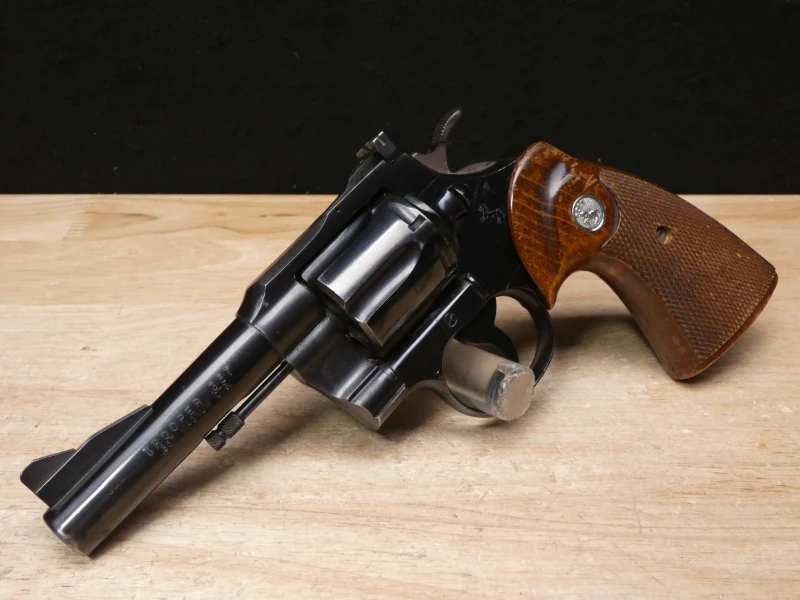
The Colt Trooper is a classic medium-frame, double-action revolver with a legacy respected by shooters and collectors alike. Understanding its market value is key for any owner looking to sell. Prices for a used Trooper typically average around $718, but can range from $500 to over $1,200 based on its specific model, condition, and included accessories. This guide will break down the essential factors that determine your firearm’s worth in today’s competitive market.
What Determines Your Colt Trooper’s Worth
Several key factors determine the value of a Colt Trooper, with the specific generation and overall condition being the most significant. The value varies considerably between the original Trooper models of the 1950s and 60s, the later MK III series, and the more collectible MK V. Condition is paramount; a revolver with minimal wear, no rust, and a clean bore will always command a higher price. Furthermore, completeness plays a crucial role. The presence of the original box and paperwork can add a substantial premium, often between $75 and $250, as collectors highly prize these original accessories for provenance and authenticity.
2026 Price Breakdown by Generation
Original Trooper (1953-1969)
The first generation of the Colt Trooper, produced on the same medium “I” frame as the legendary Colt Python, holds a special place for collectors. These early models, known for their hand-fitted quality and smooth action, are foundational pieces of Colt’s revolver history. In today’s market, a used Original Trooper in good condition can typically be found for around $650. However, examples in exceptional condition, especially those retaining their original box and documents, can easily surpass this average as buyers seek out well-preserved pieces of this classic era of American firearm manufacturing.
Value for these revolvers is heavily dependent on the finish and mechanical soundness. Buyers will closely inspect the timing, lockup, and bore condition. Any significant cosmetic damage, such as deep scratches, holster wear, or rust, will negatively impact the price. Because these were often used as duty or service weapons, finding one in pristine condition is becoming increasingly rare, which helps bolster the value of top-tier examples. Caliber can also play a role, though .357 Magnum is the most common and sought-after chambering for this particular model generation.
Trooper MK III (1969-1982)
The Trooper MK III represented a significant modernization of Colt’s revolver line, introducing a new transfer-bar safety system and a more robust “J” frame. This generation saw wider production and is more commonly available on the used market. Consequently, its value has a broad range, typically from approximately $700 to over $1,500. The final price is dictated heavily by its specific configuration, caliber, barrel length, and, most importantly, its cosmetic and mechanical condition. A standard model with noticeable wear might fall on the lower end of the spectrum.
Conversely, a Trooper MK III in a desirable configuration, such as one with a nickel finish or in a less common caliber, can approach the higher end of the price range. The inclusion of the original box and factory paperwork is a major value-add for the MK III, as it signals a well-cared-for, collector-grade piece. These revolvers are appreciated for their durability and solid performance, making them popular with both shooters who appreciate vintage quality and collectors looking to complete their Colt lineup. Excellent condition remains the primary driver of premium pricing for this versatile model.
Trooper MK V (1982-1985)
The Colt Trooper MK V was the final evolution of the Trooper series and is often noted as being particularly attractive to collectors. This model incorporated improvements over the MK III, featuring a shorter hammer throw and redesigned lockwork that resulted in a smoother trigger pull, making it highly regarded by shooting enthusiasts. Produced for only a few years, its relative scarcity compared to the MK III contributes to its strong collector interest and stable market value. Prices for the MK V often overlap with high-end MK III models but are generally very strong.
Because the MK V is viewed as a refined and desirable model, originality and condition are critically important to its valuation. Any modifications can detract from its collector appeal, while examples that are in near-new condition with their original packaging will command the highest prices. Buyers of the MK V are often discerning collectors who are willing to pay a premium for top-quality specimens. Its reputation for having one of the best factory double-action triggers of its time ensures that it remains a sought-after revolver on the secondary market, holding its value well.
Special Editions & Calibers
While the standard production models form the core of the Colt Trooper market, the value can be significantly influenced by special editions, rare calibers, or unique factory configurations. Across the various generations, certain barrel lengths or finishes were produced in smaller numbers, making them more desirable to collectors today. For instance, a Trooper MK III chambered in .22 Magnum will often fetch a higher price than its .357 Magnum counterpart simply due to its relative rarity. These less common variants are a key focus for specialized collectors.
Discerning a premium for these models requires careful research into production numbers and market trends. The value is not just in the firearm itself but in its scarcity and the story it tells. An otherwise standard Trooper can see its value increase substantially if it is a documented special run or features a factory-original, non-standard element. For sellers, properly identifying and documenting these unique characteristics is essential to realizing the firearm’s full potential value, as knowledgeable buyers are often willing to pay a significant premium for these hard-to-find pieces.
How Modifications Affect Value
When it comes to the resale value of a collectible firearm like the Colt Trooper, originality is paramount. Generally, aftermarket modifications do not increase and may even decrease the revolver’s worth. Changes such as trigger upgrades, custom grips, or non-factory finishes can deter collectors who prioritize factory-correct specifications. While these modifications may have improved the firearm’s performance for a specific user, they often represent a departure from the historical integrity of the piece, which is a primary driver of value in the collector market. It is highly advisable to retain all original factory parts if any changes are made.
When trading in a modified firearm to a dealer, sellers should expect to receive little to no additional value for the aftermarket components. In many cases, the offer may be lower than for an unmodified equivalent. The market consensus for value-adding modifications is largely undefined because the concept runs counter to collector priorities. Therefore, the best practice before selling is to reinstall the original factory parts, if available. This restores the firearm to its most desirable state and maximizes its appeal to the broadest range of potential buyers, ensuring you achieve the highest possible resale price.
Regional Price Variations in 2026
The value and salability of a Colt Trooper can be influenced by state and local firearm regulations, creating regional price variations. In states with restrictive laws, such as California, the market dynamics are unique. A Colt Trooper is likely not on the state’s Roster of Handguns Certified for Sale, which restricts a licensed dealer from selling it. However, private party transfers of off-roster handguns are generally permitted, and models over 50 years old may be exempt as Curio & Relic firearms. This can create a pocket market where demand among private collectors outstrips the limited supply, potentially increasing its value within the state.
Similarly, in New York, while standard revolvers are generally legal, they must comply with the state’s SAFE Act. Although this act primarily targets features on semi-automatic firearms, the overall regulatory environment can impact the ease of sale and local demand. In states with fewer restrictions, the Colt Trooper competes in a broader market, and its price is more likely to align with national averages. Therefore, sellers must be aware of their jurisdiction’s laws, as they can affect not only the legality of the sale but also the local market value of their firearm.
Online vs Local Sales
Selling a Colt Trooper online offers access to a national market of collectors and enthusiasts, potentially leading to a higher sale price. However, this process is governed by strict federal laws. To legally sell a handgun to a resident of another state, the firearm must be shipped from the seller to a Federal Firearms Licensee (FFL) in the buyer’s state of residence. The FFL then conducts a background check and completes the legal transfer. Direct sales of handguns between private citizens of different states are prohibited, making the FFL a mandatory intermediary for any interstate transaction.
Further complicating online sales are the policies of common carriers. Companies like UPS and FedEx require handguns to be shipped by a federally licensed dealer, effectively preventing private sellers from shipping these firearms themselves. This often means the seller must pay their local FFL a fee to handle the packaging and shipping to the buyer’s FFL. In contrast, a local private sale can be simpler, often only requiring a bill of sale to document the transfer, although state and local laws may impose additional requirements like background checks through a dealer, even for private transactions.
A bill of sale is not a federal requirement for a private firearm transaction but is a highly recommended document for both parties. It serves as a legal record of the transfer of ownership, protecting the seller from future liability. The document should include the full names and contact information of the buyer and seller, the firearm’s details—including make, model, caliber, and serial number—and the date of the sale. By documenting the transaction, both parties have proof that a legal transfer occurred, which can be invaluable for personal records and legal protection.
The FFL Buying Advantage
Selling your Colt Trooper to a Federal Firearms Licensee (FFL) offers a blend of convenience, speed, and legal security that is often worth the trade-off in price. While a private sale may yield a higher final amount, a dealer provides an immediate cash offer and handles all the necessary paperwork, eliminating the complexities and potential risks of finding a private buyer. Gun dealers will typically offer between 50% and 70% of the firearm’s estimated used retail value. For a common model, the offer might be closer to 50%, ensuring the dealer has room for profit.
If the Colt Trooper is a more desirable or collectible variant that is likely to sell quickly, a dealer might offer a higher percentage, potentially in the 65% to 70% range. This immediate liquidity and guaranteed compliance with all federal, state, and local laws is a significant advantage. The FFL assumes all responsibility for the firearm upon purchase, relieving the seller of any future liability. For those who prioritize a fast, hassle-free, and legally sound transaction, selling to a licensed dealer is an excellent and often preferred option over navigating the private market.
What Increases Your Offer
To maximize the offer for your Colt Trooper, presenting it in the best possible condition is essential. Before any sale, a thorough cleaning can significantly impact a potential buyer’s perception of its maintenance and care. Carefully clean the bore, chamber, and all moving parts to remove any carbon buildup or residue. However, avoid common mistakes like overusing harsh solvents that could damage the classic Colt blue finish. A light coat of quality gun oil after cleaning not only prevents corrosion but also gives the firearm a well-maintained appearance, which can directly translate to a higher value.
Beyond cleanliness, completeness is a major factor in increasing an offer. The value penalty for a missing original case or documents can range from $75 to over $250. If you have the original box, manual, and any other factory accessories, be sure to include them in the sale. These items are highly sought after by collectors and add a significant premium. They help authenticate the firearm and demonstrate a history of careful ownership, signaling to buyers that they are acquiring a well-preserved piece rather than just a used shooter, justifying a higher price point.
Finally, high-quality presentation is crucial, especially for an online sale. To effectively photograph your Colt Trooper, use a simple, uncluttered background with a neutral color that contrasts with the firearm’s finish. Utilize ample, diffused natural light to avoid harsh shadows and glare, which can obscure details. Capture numerous high-resolution images from various angles, including close-ups of all markings, the serial number, the condition of the bore, and any existing imperfections. This transparency builds trust with potential buyers and allows the firearm’s quality to speak for itself, encouraging more competitive offers.
When to Sell Your Colt trooper
Timing the sale of your Colt Trooper can have a tangible impact on the final price you receive, as market demand for firearms fluctuates seasonally. For handguns and general-purpose firearms, one of the most opportune times to sell is from February to April. This period coincides with tax refund season, when many potential buyers have more disposable income and are actively looking to make purchases they may have postponed. The influx of cash into the market often leads to increased demand and quicker sales for sellers during these months.
Another prime window for selling is during the late spring and early summer, typically from March through June. As warmer weather returns, more people are heading to the shooting range and participating in outdoor activities, which naturally boosts interest in acquiring new firearms. This heightened engagement in shooting sports can translate into a more active market with a larger pool of motivated buyers. In contrast, certain firearms like hunting rifles have a more specific peak season from August to September, just before hunting seasons commence across the country.
By aligning your sale with these peak periods, you position your Colt Trooper in front of the largest possible audience of active buyers. Increased market activity can lead to more inquiries, faster transactions, and a greater likelihood of achieving your desired asking price. While a desirable firearm like a classic Colt revolver will attract interest year-round, leveraging these seasonal trends can provide a strategic advantage and help you maximize your financial return on the sale, making patience a valuable asset for any seller.
Common Pricing Mistakes
One of the most common pricing mistakes owners make is overvaluing aftermarket modifications. While a custom trigger job or exotic grips may have been a costly upgrade, these changes often fail to add monetary value and can even detract from it, especially for collectors who prize originality. A potential buyer is unlikely to pay a premium for modifications tailored to someone else’s preferences. It is crucial to price the firearm based on its factory configuration and condition, rather than attempting to recoup the costs of personalization, which rarely translates to the broader market.
Another frequent error is placing too much emphasis on a logged round count while overlooking the firearm’s actual condition. The market for a Colt Trooper does not establish a direct correlation between a specific high round count and a decrease in its worth. Instead, value is assessed based on tangible factors like the percentage of finish wear, the presence of rust or pitting, and mechanical soundness. A well-maintained revolver with thousands of rounds through it can be worth more than a neglected one with a low round count that shows signs of improper storage or cosmetic damage.
Finally, sellers often underestimate the financial penalty for incompleteness. The absence of the original box, manual, and factory paperwork can reduce a Colt Trooper’s value by a significant margin, often between $75 and $250. These items are critical for collectors and serve as proof of authenticity and provenance. Failing to account for this deduction when setting a price for an incomplete package can lead to unrealistic expectations and a firearm that languishes on the market. Accurately assessing the firearm as a complete package is key to setting a competitive and realistic price.
Market Outlook for 2026
While a definitive, data-driven future price prediction for the Colt Trooper is not available, the market for classic, high-quality American firearms provides a strong basis for a positive outlook. Well-made double-action revolvers from iconic manufacturers like Colt have a dedicated following among both shooters and collectors. These firearms are no longer in production, and the finite supply of well-maintained examples tends to support stable, and often appreciating, values over time. The Trooper, particularly the early models and the refined MK V, benefits from this trend as a piece of Colt’s celebrated history.
Factors that will likely continue to drive its value include its reputation for quality craftsmanship and the growing nostalgia for vintage revolvers. As newer generations of shooters discover the smooth action and classic aesthetics of these firearms, demand is likely to remain robust. While the broader firearms market can be subject to political and economic fluctuations, the niche occupied by collectible revolvers like the Colt Trooper is often more insulated. Owners of well-preserved Troopers can reasonably expect their firearms to hold their value and potentially see modest appreciation, making them a solid asset.
Frequently Asked Questions
How much does the original box affect the price of a Colt Trooper?
The presence of the original box and accompanying paperwork significantly impacts a Colt Trooper’s value, particularly for collectors. The penalty for a missing set can range from approximately $75 to over $250. This premium exists because the original packaging helps authenticate the firearm, confirms its original configuration, and indicates that it was likely well-cared-for by its previous owners. For a collector, a “complete package” is far more desirable than the firearm alone, and they are consistently willing to pay more to acquire a piece with this level of provenance and completeness.
Will a high round count significantly lower my Colt Trooper’s value?
While an extremely high round count can contribute to mechanical wear, the market for the Colt Trooper does not establish a direct penalty for a specific number of rounds fired. Value is more commonly assessed based on the firearm’s overall condition, including cosmetic appearance and mechanical soundness. A well-maintained Trooper with a high round count that shows minimal finish wear and has a tight lockup will often be valued higher than a low-round-count example that has been stored poorly and shows signs of rust or neglect. Visual and functional condition almost always outweighs the round count itself.
Do aftermarket grips or a trigger job increase the revolver’s worth?
No, aftermarket modifications like custom grips or trigger upgrades generally do not increase—and may even decrease—the resale value of a Colt Trooper. The market, especially the collector segment, heavily favors originality. While such changes might enhance performance for a specific user, they detract from the firearm’s factory-correct state, which is what collectors pay a premium for. When selling, you will likely receive little to no additional value for these aftermarket parts. It is always best to retain the original components and reinstall them before a sale to maximize the firearm’s appeal.
Is it worth getting a professional appraisal for a standard Colt Trooper?
For a standard, common model of the Colt Trooper, a formal professional appraisal is likely not worth the associated cost. The market value for these revolvers is relatively well-established and can be accurately estimated by researching completed online auctions and consulting enthusiast forums. A standard Trooper typically retails for between $500 and $1,200 depending on its condition and generation. A formal appraisal is usually better reserved for exceptionally rare variants, firearms with historical significance, or for insurance purposes where official documentation is required.
Why do different Trooper models have such a wide price range?
The value of a Colt Trooper varies significantly by its generation due to differences in design, production numbers, and collector interest. Original Trooper models from the 1950s and 60s are valued for their classic build quality and can sell for around $650. The later Trooper MK III models from the 1970s have a wider price range, from $700 to over $1,500, depending heavily on condition and configuration. The Trooper MK V is noted as being particularly attractive to collectors due to its refinements and shorter production run, which also supports a strong market value.
Get a Cash Offer Today
Ready to sell your Colt Trooper? We offer a fair, competitive cash price for your firearm. Our process is fast, secure, and compliant with all federal and state laws, taking the guesswork and hassle out of selling your revolver. Let our experts provide you with a no-obligation quote.
Simply submit details about your firearm, and our team will get back to you with a professional valuation. Avoid the uncertainty of private sales and the low offers from pawn shops. Choose the convenient and trustworthy way to turn your Colt Trooper into cash today.