
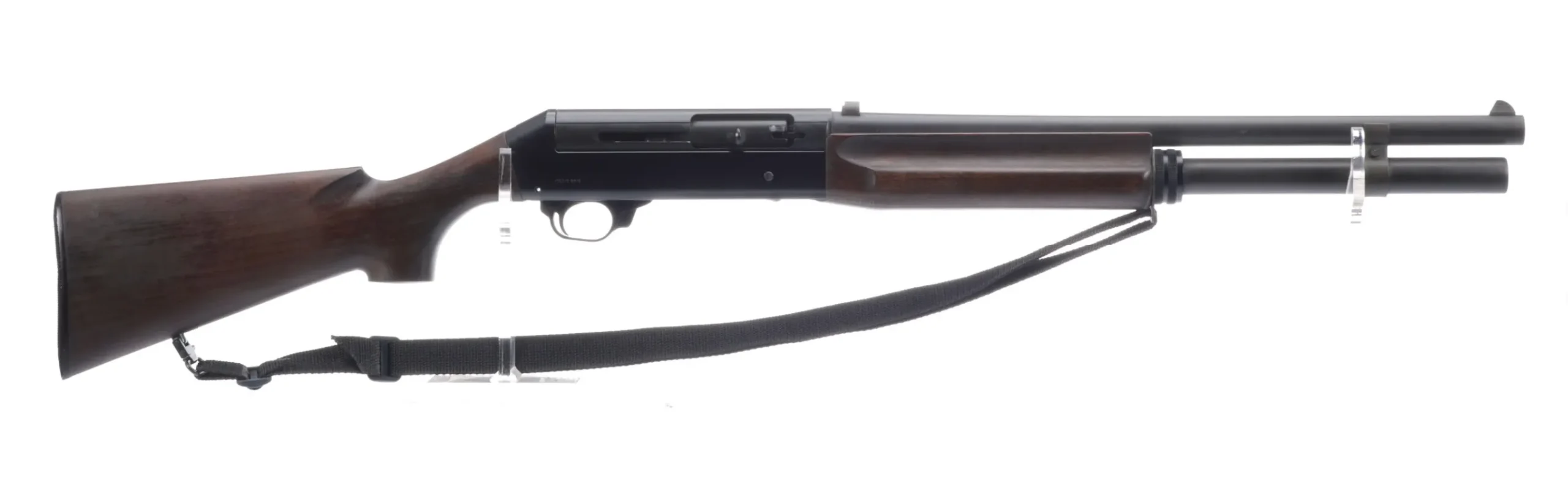
The Benelli M1 stands as a landmark firearm, the first model in the legendary Benelli Super 90 series of semi-automatic shotguns. As a discontinued long gun, its value is not determined by a manufacturer’s suggested retail price but by its condition and legacy on the robust used market. Renowned for its inertia-driven system and unwavering reliability, the M1 remains a sought-after shotgun for tactical, defensive, and sporting use, with its worth reflecting its enduring reputation and specific configuration.
What Determines Your benelli m1’s Worth
The primary factors determining your Benelli M1’s value are its specific model, overall condition, and historical provenance. Variants such as the Field or Tactical models appeal to different buyers, influencing demand. Furthermore, early models imported by Heckler & Koch (H&K) are often considered more desirable by collectors and can command a premium. Because these shotguns are known for their extreme durability, with users reporting tens of thousands of rounds fired without failure, cosmetic condition often outweighs a high round count. A well-maintained finish, clean bore, and original configuration are key to achieving a top-tier valuation.
2026 Price Breakdown by Generation
Early H&K Imports
The earliest Benelli M1 Super 90 models imported into the United States bear Heckler & Koch markings, a feature highly sought after by collectors and firearm enthusiasts. This H&K association adds a layer of historical significance and perceived quality control that can elevate a shotgun’s value. While the core price still falls within the general used market range, an H&K-marked M1 in excellent, all-original condition will consistently command a price at the upper end of the spectrum, often pushing toward the $1,300 mark or potentially higher depending on buyer interest and rarity.
For these early imports, value is less about mechanical wear and more about cosmetic preservation. Since a high round count is not a significant deterrent for a well-maintained M1, potential buyers will scrutinize the condition of the finish on the receiver and barrel, the state of the furniture, and the clarity of the H&K markings. A pristine example from this era represents a benchmark for the model’s quality, and its value reflects that status. Any degradation in its cosmetic appearance will have a more pronounced effect on its price compared to later models.
Standard M1 Super 90 Field
The standard Benelli M1 Super 90 Field model is the most common variant available on the secondary market and serves as the benchmark for the shotgun’s valuation. These models are prized for their utilitarian reliability in sporting and hunting roles. The average used price for a Super 90 model is approximately $906, but examples in very good to excellent condition regularly sell for between $800 and $1,300. The final price is heavily dependent on the shotgun’s physical condition, including the stock, metal finish, and any included accessories like choke tubes.
Since the Benelli M1 is a discontinued model, the used market is the only avenue for acquisition. This scarcity helps maintain a stable value floor. While pristine examples command top dollar, models showing significant field use can sometimes be found for as low as $680 to $700. However, the M1’s reputation for longevity means that even these well-worn shotguns are mechanically sound, ensuring they retain a respectable baseline value for buyers seeking a proven, reliable semi-automatic shotgun without paying a premium for cosmetic perfection.
M1 Super 90 Tactical
Tactical variants of the Benelli M1 are highly desirable and often fetch a premium over their Field model counterparts. These versions typically come factory-equipped with features like ghost ring sights, extended magazine tubes, and pistol-grip stocks, making them ideal for home defense or competitive shooting. Within the established $800 to $1,300 price range, a well-maintained Tactical model will almost always occupy the higher end. The presence of these factory-installed tactical features is a primary driver of its increased value, as they are purpose-built for a specific, high-demand market segment.
However, the value of Tactical models can be subject to regional legal restrictions. In states like California, a Benelli M1 is generally only legal if it does not have both a pistol grip and a folding or telescoping stock. Similarly, in New York City, a compliant model often requires a fixed stock and a magazine capacity of less than five rounds. These regulations can impact marketability, making legally compliant configurations more valuable to buyers in those specific areas, while non-compliant models may be harder to sell.
Short Barreled Shotgun (NFA) Variants
When a Benelli M1 is configured with a barrel shorter than 18 inches, typically a 14-inch barrel, it is classified as a Short Barreled Shotgun (SBS) and becomes a National Firearms Act (NFA) item. This status fundamentally changes its valuation and transfer process. The firearm requires federal registration and a tax stamp, which adds complexity and cost for the buyer. Consequently, M1 SBS models are rarer and often have a higher base price than standard long guns, but they also appeal to a much more niche market of buyers willing and able to navigate NFA regulations.
It is crucial for sellers and buyers to distinguish between NFA and non-NFA models. Standard Benelli M1 shotguns with barrels 18 inches or longer are classified as long guns and do not require the extensive NFA paperwork. The added legal hurdles and waiting periods associated with an SBS transfer must be factored into its value. While the price may be higher, the pool of potential buyers is smaller and geographically limited to states where SBS ownership is permitted, making the sale process more specialized.
How Modifications Affect Value
The market does not have a clear consensus on modifications that consistently add value to a Benelli M1. Many prospective buyers, particularly collectors, place a premium on factory-original configurations. While practical upgrades such as aftermarket sights, extended charging handles, or enhanced shell carriers might appeal to a competitive or tactical shooter, these additions rarely provide a dollar-for-dollar return on investment. The shotgun’s resale value remains more closely tied to its inherent qualities—condition, model, and H&K import status—rather than the sum of its aftermarket parts, which can be highly subjective.
Similarly, there is no definitive list of modifications that universally hurt the Benelli M1’s value. However, permanent and irreversible alterations carry the most risk. Custom Cerakote finishes that deviate from the factory look, amateur gunsmithing, or permanent changes to the receiver or stock can be polarizing. Such modifications narrow the pool of potential buyers to those who share the seller’s specific taste. An M1 in its original, unaltered condition will almost always have broader market appeal and be an easier sale than a heavily customized counterpart.
Regional Price Variations in 2026
The value and marketability of a Benelli M1 can fluctuate significantly based on state and local firearm laws. In states with stringent regulations, such as California, specific configurations become more or less valuable. A California-compliant M1, which avoids features like a pistol grip combined with a telescoping stock, will be more desirable to in-state buyers and can command a higher price within that market. Conversely, a model that is considered an “assault weapon” under local statutes will have a limited or non-existent market, negatively impacting its value in that region.
This trend is also evident in places like New York City, where a compliant Benelli M1 typically requires a fixed stock, no pistol grip, and a magazine capacity under five rounds. These legal requirements create a niche demand for models that meet the criteria. While the national average price of $800 to $1,300 serves as a solid baseline, sellers must research their local laws. A shotgun’s configuration in relation to these rules is a critical factor that can either enhance or diminish its value depending on the point of sale.
Online vs Local Sales
Selling your Benelli M1 through an online marketplace provides access to a nationwide pool of potential buyers, which can lead to a faster sale at a higher price. However, this method requires strict adherence to federal law. Any interstate sale of a firearm to a private citizen must be processed through a Federal Firearms Licensee (FFL). The seller is legally required to ship the shotgun directly to an FFL in the buyer’s state of residence, where the buyer will complete a background check and finalize the transfer. This ensures the transaction is legal and documented.
The logistics of shipping a firearm add another layer of complexity. While federal law permits a private individual to ship a long gun to an FFL, many common carriers have their own restrictive policies. FedEx, for example, prohibits non-FFL holders from shipping firearms, while UPS has stringent rules that, if violated, could risk seizure of the package. For security and legal compliance, the package must not have any external markings indicating its contents, placing the responsibility of a discreet and legal shipment squarely on the seller.
A local, in-state sale can simplify the process by potentially avoiding shipping hassles and fees, though many states still require private transfers to be conducted through an FFL. The primary drawback of a local sale is the significantly smaller market. Your potential buyers are limited to your immediate geographic area, which may not have the same level of demand as the national market. This can result in a lower final sale price compared to what could be achieved by reaching a broader audience online.
The FFL Buying Advantage
Opting to sell your Benelli M1 directly to a Federal Firearms Licensee (FFL), such as a pawn shop or gun store, offers unmatched convenience and legal peace of mind. The transaction is typically completed in a single visit, with the dealer handling all necessary paperwork and assuming all future liability for the firearm. This eliminates the complexities of navigating private sale laws, verifying buyer eligibility, and arranging for legal transfers, especially across state lines. For sellers who prioritize a fast, secure, and hassle-free process, selling to an FFL is an excellent choice.
This convenience, however, comes at a direct financial cost. To turn a profit, dealers must purchase inventory at a wholesale rate. As a result, you can expect an offer for your Benelli M1 to be between 50% and 70% of its current used retail value. One source indicates a typical trade-in value is around 65% of the private party price. This means a shotgun that could sell for $1,000 in a private transaction might only fetch an offer of $650 from a dealer, a significant trade-off for the ease of sale.
What Increases Your Offer
To secure the highest possible offer for your Benelli M1, a thorough pre-sale cleaning is essential. This goes beyond a simple wipe-down and should include a full field strip of the firearm, including the bolt and trigger group, to meticulously clean all internal and external components. Special attention should be given to cleaning the barrel, action, and choke tube threads, using quality solvents, brushes, and patches to remove all carbon buildup and residue. A professionally presented, clean shotgun immediately signals to a buyer that it has been well-cared for.
Exceptional photography is non-negotiable for maximizing value, particularly in an online sale. Use a simple, neutral-colored background and plenty of soft, natural light to avoid distracting shadows and accurately portray the firearm’s condition. Capture high-resolution images from every angle, including full-length shots of both sides, close-ups of the receiver markings and engravings, and any visible wear or imperfections. This transparency builds trust with potential buyers and justifies a firm asking price, as it leaves no questions about the shotgun’s state.
Finally, after a comprehensive cleaning, apply a light coat of a quality lubricant to all moving parts and contact surfaces. Be careful to avoid over-lubrication, as an excessively wet firearm can attract dust and may suggest an attempt to hide wear. In your photos, ensure the shotgun is the hero—clean, properly assembled, and filling the frame. This meticulous approach to presentation demonstrates pride of ownership and can significantly differentiate your listing, helping you achieve a price at the top end of the M1’s market value.
When to Sell Your benelli m1
Timing the sale of your Benelli M1 can significantly influence buyer interest and the final price you receive. The firearms market follows predictable seasonal trends, and listing your shotgun during peak periods can maximize your return. One of the most advantageous times to sell is during tax refund season, which typically runs from February through April. During these months, many consumers have increased disposable income, which often translates to higher spending on discretionary items like firearms, creating a seller’s market with more motivated buyers.
Another prime window for selling is the period from mid-November to mid-January. This timeframe benefits from holiday shopping and hunters preparing for late-season activities or upgrading gear for the next year. The general increase in consumer spending and firearm-related interest creates a surge in market activity. Listing your Benelli M1 during this peak season exposes it to a larger audience that is actively looking to purchase, increasing the likelihood of a quick sale at a strong price point.
Conversely, the summer months are consistently identified as the slowest period for firearm sales. With potential buyers often focused on vacations and other outdoor pursuits, demand tends to wane. Listing your shotgun during this market lull can lead to a longer time on the market and may require you to lower your price to attract interest. To optimize your financial outcome, it is best to avoid the summer slump and align your sale with the more active periods in the spring and winter.
Common Pricing Mistakes
One of the most common mistakes when pricing a Benelli M1 is letting personal attachment lead to an unrealistic asking price. While it is a fantastic shotgun, its value on the used market is well-established, typically falling between $800 and $1,300 for models in good to excellent condition. Overpricing your firearm far beyond this range without clear justification, such as it being a rare variant in pristine condition, will deter knowledgeable buyers and cause your listing to stagnate. Researching recent completed sales is crucial for setting a competitive price.
Another frequent error is failing to accurately assess and price according to the shotgun’s cosmetic condition. While the M1’s robust mechanics mean a high round count has minimal impact on value, buyers are still heavily influenced by appearance. Scratches on the receiver, dings in the stock, or significant finish wear will detract from the value. It is essential to honestly evaluate these imperfections and adjust the price accordingly, as well as to transparently document them in your listing to build trust with potential buyers.
Finally, for a standard-production Benelli M1, paying for a formal, written appraisal is usually an unnecessary expense. The cost of the appraisal can eat into your profits, and a reliable valuation can typically be obtained for free by consulting online firearm communities and databases of past sales. This money is better allocated toward tasks that directly increase the shotgun’s appeal, such as a professional cleaning or ensuring you have high-quality photographs for your sales listing, which will have a greater impact on your final sale price.
Market Outlook for 2026
The market outlook for the Benelli M1 in 2026 is projected to remain stable and strong. As a discontinued model with a legendary reputation for reliability, it is largely insulated from the market volatility of newly manufactured firearms. While there is no consensus on a specific future price prediction, the M1’s enduring popularity in tactical, sporting, and defense communities ensures a consistent demand. Its value will likely continue to be dictated by its condition and specific configuration rather than by fleeting market trends, making it a solid asset.
Key value drivers are expected to persist, with early H&K-imported models and well-maintained Tactical variants continuing to command a premium. As the overall supply on the used market naturally ages, pristine, all-original examples may see a gradual appreciation in value. However, sellers should anticipate steady demand rather than a sharp price increase. The Benelli M1 has cemented its place as a classic semi-automatic shotgun, and its market position should reflect that status, holding its value firmly within its established price bracket for years to come.
Frequently Asked Questions
Does a high round count hurt my Benelli M1’s value?
No, a high round count does not significantly lower the value of a Benelli M1. These shotguns are renowned for their exceptional durability and reliability, with many users reporting tens of thousands of rounds fired with no major failures. Consequently, the resale market places a much higher emphasis on the shotgun’s overall cosmetic condition, its specific configuration, and whether it is a desirable H&K import model. As long as the firearm has been well-maintained, its operational longevity is assumed, making round count a minor concern for most buyers.
Is it worth paying for a professional appraisal for my M1?
For a standard used Benelli M1, a professional appraisal is likely not worth the cost. The typical market value for these shotguns is well-documented, generally ranging from $800 to $1,300. Free online resources, such as completed sales on auction sites and forum discussions, can provide a very reasonable valuation. The expense of a formal appraisal would likely consume a noticeable percentage of the firearm’s value and is better reserved for exceptionally rare or unique limited edition models where pricing data is scarce.
How much less will a dealer offer compared to a private sale?
You should expect a significantly lower offer from a gun dealer compared to a private sale. Dealers need to make a profit and typically offer between 50% and 70% of the used retail value. One analysis suggests a trade-in value for an M1 is approximately 65% of its private party value. For a shotgun valued at $1,000 in a private transaction, a dealer’s offer would likely be in the $500 to $700 range. The trade-off is convenience and immediate payment versus maximizing your financial return.
Does the M1’s NFA status as an SBS affect its price?
Yes, the NFA status has a major impact on value. When a Benelli M1 is configured as a Short Barreled Shotgun (SBS) with a barrel under 18 inches (typically 14 inches), it becomes a regulated NFA item. This requires a tax stamp and a more complex legal transfer process. While this makes the firearm rarer and often increases its base price compared to a standard model, it also significantly narrows the pool of eligible buyers, which can affect how quickly it sells and its final negotiated price.
Are H&K imported Benelli M1s worth more?
While the provided data does not assign a specific dollar premium, it clearly indicates that desirable H&K import models are a key factor influencing value. These early shotguns are sought after by collectors and enthusiasts for their historical significance and the perceived quality associated with that era of importation. An M1 with H&K markings, particularly one in excellent original condition, will almost certainly command a price at the highest end of the $800 to $1,300 range and has the potential to exceed it depending on market demand.
Get a Cash Offer Today
Ready to sell your Benelli M1? We make the process simple and secure. Avoid the complexities of private sales, shipping regulations, and finding a trustworthy buyer. Our streamlined system ensures you receive a fair, competitive cash offer for your shotgun based on its condition and current market data.
Submit your firearm’s details today to get started. We handle all the necessary FFL paperwork and provide a safe, legal, and hassle-free transaction. Turn your discontinued classic into cash quickly and confidently with a team of trusted professionals dedicated to giving you the best possible experience.