
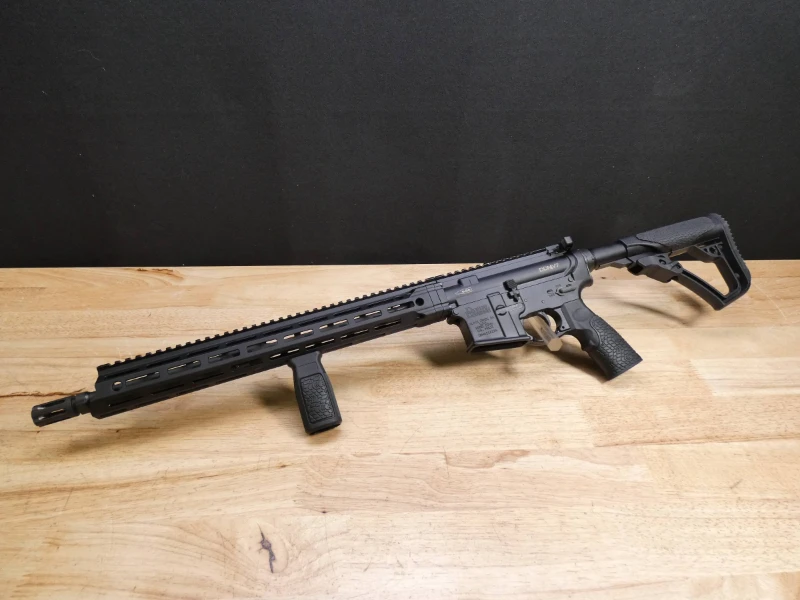
Understanding the resale value of your Daniel Defense DDM4 is key to a successful sale. This rifle, renowned for its quality and reliability, maintains strong market demand. However, its final worth is influenced by several factors, including its specific model, condition, round count, and any modifications. Market dynamics, regional laws, and how you choose to sell also play a significant role. This guide will break down these elements to help you accurately price your DDM4 for a fair and efficient transaction.
What Determines Your Daniel Defense DDM4’s Worth
The primary determinants of your Daniel Defense DDM4’s value are its specific model, overall condition, and history of use. While the brand’s reputation for durability helps retain value, a high round count will still lead to depreciation. Sellers can expect to discount the rifle by a couple of hundred dollars for usage under 2,000 rounds, with further price reductions for more extensive wear. The specific variant, such as a V7 Pro versus a standard V7, also creates a significant price difference due to factory-installed upgrades like premium triggers and barrels. Ultimately, a well-maintained, lower-round-count rifle from a desirable model line will always command the highest price in the used market.
2026 Price Breakdown by Generation
DDM4 V7 Pro
The Daniel Defense DDM4 V7 Pro consistently commands a higher price point, largely due to its factory-equipped premium components tailored for competitive shooting. New models typically range from $1,900 to $2,300. This elevated value is directly attributed to its upgraded Geissele Automatics Super Dynamic 3-Gun trigger and a heavier, more accurate barrel profile. These features are highly sought after by discerning buyers who prioritize performance out of the box, making the V7 Pro a top-tier option within the DDM4 lineup. Consequently, its resale value remains robust, as sellers can justify a higher asking price based on these significant factory enhancements that would otherwise be costly aftermarket additions.
On the used market, the V7 Pro retains its value exceptionally well compared to standard models. While depreciation is inevitable, the desirability of its competition-ready features ensures it remains in high demand. A used V7 Pro in excellent condition will fetch a price significantly higher than a standard V7, reflecting the initial investment in its superior trigger and barrel. Sellers who have maintained their V7 Pro and can document a reasonable round count will find a receptive audience willing to pay a premium for a rifle that offers professional-grade performance without the need for immediate, expensive modifications, solidifying its position as a high-value asset.
DDM4 V7
The DDM4 V7 is one of the most popular and recognizable models in the lineup, establishing a strong baseline for value. A new DDM4 V7 typically has an MSRP of around $2,014, with market prices for new rifles falling between $1,900 and $2,500 depending on the retailer and configuration. Its key feature is the M-LOK attachment system on its free-float handguard, offering a lighter and more modern alternative to the older quad rails. This widespread appeal and modern feature set ensure that the V7 has a well-established and predictable value on both the new and used markets, making it a reliable benchmark for DDM4 pricing.
When sold used, a standard DDM4 V7 in good condition sees a predictable level of depreciation. The average used price for this model is approximately $1,324, though listings on auction sites can climb higher, sometimes reaching over $2,000 depending on condition and included accessories. This price point reflects a balance between the rifle’s high initial quality and the natural reduction in value from being pre-owned. For sellers, this means that even after use, the V7 retains a significant portion of its original cost, making it a relatively safe investment for those concerned with long-term firearm value.
DDM4 V5
The Daniel Defense DDM4 V5 represents an earlier, yet still highly respected, iteration in the DDM4 family. Its most defining feature is the traditional Picatinny quad rail, which, while heavier than the V7’s M-LOK system, is still preferred by some shooters for its extreme durability and vast accessory compatibility. Because it is an older model with a heavier rail system, its value on the used market typically falls below that of the more modern V7. However, its reputation for being incredibly robust and reliable ensures it remains a desirable rifle, particularly for buyers who prioritize a battle-proven design over the latest lightweight trends in firearm technology.
When pricing a used DDM4 V5, sellers should position it between the newer V7 and the older V2 models. Its value is supported by the Daniel Defense brand name and its high-quality construction, but it is tempered by the market’s general shift towards M-LOK handguards. A V5 in good condition offers a fantastic opportunity for a buyer to acquire a premium-tier AR-15 at a more accessible price point compared to the latest releases. For sellers, highlighting the rail’s ruggedness and the rifle’s overall excellent condition is key to achieving a fair price that respects both its age and its enduring quality.
DDM4 V2
As one of the foundational models in the DDM4 series, the V2 holds a unique place in the market. It helped establish the brand’s reputation for producing high-end, reliable AR-15s. Like the V5, it often features a quad rail system and represents an older configuration compared to the current V7. Consequently, its resale value is typically the most modest among the common DDM4 variants. On the used market, a DDM4 V2 averages around $1,150, making it an excellent entry point for buyers seeking Daniel Defense quality without the price tag of a brand-new model. Its value is a testament to the brand’s lasting appeal and build quality.
Sellers of a DDM4 V2 should price their rifle competitively, acknowledging that it will appeal to budget-conscious buyers who still demand top-tier reliability. The $1,150 average serves as a strong guideline, with adjustments made for condition, round count, and any included accessories. While it may not command the premium of a V7 Pro, the V2’s reputation for being a workhorse rifle ensures it will always have a place in the market. Emphasizing its reliability and the prestige of the Daniel Defense name can help secure a quick and fair sale, appealing to shooters who value proven performance over the latest features.
How Modifications Affect Value
When it comes to increasing the resale value of a Daniel Defense DDM4, the most effective modifications are high-quality, reputable optics. Potential buyers are often looking for a complete, ready-to-use package, and adding a desirable optic can make a listing stand out. Brands that are frequently recommended for this platform, and thus add the most perceived value, include EOTech (specifically the EXPS series), Aimpoint (like the PRO or T-2), and Trijicon (ACOG or MRO). Furthermore, high-end Low Power Variable Optics (LPVOs) from respected manufacturers such as Nightforce or Vortex are also considered significant value-adding options that can help a seller recoup a portion of their investment.
Conversely, some modifications may not add value and could potentially be neutral. While the stock DDM4 trigger is widely considered a weak point, replacing it with a high-quality aftermarket trigger from a brand like Geissele or LaRue is unlikely to hurt the resale value. In fact, an informed buyer may see this as a desirable upgrade. However, to maximize the rifle’s appeal to the broadest audience, it is highly recommended to include the original factory trigger with the sale. This allows the new owner the option to return the rifle to its stock configuration, ensuring the modification is viewed as a bonus rather than a permanent alteration.
Regional Price Variations in 2026
The value and marketability of a Daniel Defense DDM4 are significantly influenced by state-level firearm regulations. In states with strict “assault weapons” bans, such as California and New York, a standard configuration DDM4 is illegal to sell or possess. This creates a unique market dynamic where demand shifts entirely to state-compliant versions. The scarcity of legal, high-quality AR-15s in these regions can sometimes drive up the price for compliant models, as buyers have fewer options available. This legal barrier effectively splits the national market into distinct regional markets with different pricing structures based on local laws and firearm availability.
To address these restricted markets, Daniel Defense manufactures specific state-compliant versions of their popular rifles, including the DDM4 V7 and V9 models. These firearms are modified at the factory to meet the legal requirements of states like California and New York, often featuring fixed stocks, muzzle brakes instead of flash hiders, and featureless grips. The availability of these factory-compliant models is crucial for legal ownership in these areas. For sellers in these states, owning a compliant version is essential for a legal sale, and for buyers, it represents one of the few ways to own a new, high-end AR-15 platform.
Online vs Local Sales
Selling your Daniel Defense DDM4 through a private sale, whether locally or online, will almost always yield a higher return than selling to a dealer. In a private transaction, you are selling directly to the end-user at the current market value, which for a used DDM4 V7 is around $1,324. While federal law does not require a bill of sale for a private transfer, creating one is highly recommended to document the change of ownership. This document protects both parties by recording the firearm’s details, the date of sale, and the identities of the buyer and seller, providing a clear record of the transaction.
Opting to sell your DDM4 to a gun dealer or pawn shop offers convenience at a significant cost. Dealers must purchase inventory at a price low enough to allow for profit upon resale. Consequently, you can expect an offer of between 50% and 65% of the firearm’s used retail market value. Some sources even suggest a seller can lose up to 50% of the rifle’s value compared to a private sale. While some shops may offer up to 70% for a highly desirable model in excellent condition, the final offer will always be substantially lower than what you could achieve by selling directly to another individual.
Ultimately, the choice between a private sale and a dealer sale is a trade-off between maximizing your profit and prioritizing speed and convenience. A private sale requires more effort, including listing the firearm, communicating with potential buyers, and navigating the legal requirements of the transfer. However, this effort is rewarded with a significantly higher selling price. Selling to a dealer is a fast and simple process, but that convenience comes at the cost of hundreds of dollars in potential profit. Sellers must weigh these factors to decide which method best suits their needs and timeline.
The FFL Buying Advantage
When selling a firearm like the Daniel Defense DDM4 across state lines, federal law mandates the use of a Federal Firearms Licensee (FFL) to facilitate the transfer. It is illegal for a private individual to ship a firearm directly to a non-licensed individual in another state. This rule ensures that all interstate firearm transfers are conducted legally and securely. The seller must ship the rifle to an FFL holder located in the buyer’s state of residence. This non-negotiable process provides a layer of security and legal compliance that protects both the buyer and the seller from potential legal repercussions of an improper transfer.
The FFL transfer process is straightforward and provides critical advantages. Once the firearm arrives at the designated FFL, the buyer is required to complete all necessary paperwork, including the ATF Form 4473, and undergo a NICS background check. Only after successfully passing the background check and satisfying any local or state-specific waiting periods can the buyer take legal possession of the DDM4. This system ensures that the firearm is transferred only to an individual legally permitted to own it, adding a crucial layer of safety and accountability to the transaction that is absent in unregulated private sales.
What Increases Your Offer
Presentation is paramount when preparing your Daniel Defense DDM4 for sale, as it directly influences a buyer’s perception of value. Begin with a thorough pre-sale cleaning. This involves disassembling the rifle, meticulously cleaning the bolt carrier group to remove carbon buildup, and ensuring the barrel is cleaned properly from chamber to muzzle. A clean, well-lubricated rifle demonstrates responsible ownership. Equally important is high-quality photography. Use a simple, uncluttered background with soft, even lighting to capture clear images from multiple angles, including close-ups of markings, wear points, and any modifications. A well-presented rifle will always attract more serious buyers and higher offers.
Completeness and documentation can significantly enhance your offer by building buyer confidence. While market consensus on the value of original parts is not firmly established, it is always best practice to include all factory components with the sale, especially if you have installed aftermarket parts like a trigger or charging handle. This gives the new owner the option to revert to the stock configuration. Furthermore, providing a detailed bill of sale, although not federally mandated for private sales, adds a level of professionalism and creates a clear record of the transfer, which many buyers appreciate and may be willing to pay a premium for.
Highlighting the rifle’s legal classification and compliance features can also increase its value, particularly for certain buyers. The Daniel Defense DDM4 is available in various configurations, including NFA-regulated short-barreled rifles and non-NFA models with 16-inch barrels. Clearly stating your rifle’s non-NFA status can broaden its appeal to buyers who wish to avoid additional paperwork and tax stamps. Similarly, if you are selling a state-compliant model, emphasizing its features that make it legal in restrictive states like California or New York will attract buyers from those specific, often lucrative, markets who have limited options available to them.
When to Sell Your daniel defense ddm4
Timing your sale to align with seasonal demand can significantly impact your final selling price. For a rifle like the Daniel Defense DDM4, the optimal selling period is typically from late summer into the early fall, specifically from August through October. This window corresponds with hunters preparing for the upcoming hunting seasons across the country. Even though the DDM4 is not a traditional hunting rifle for all game, the general surge in rifle sales during this period creates a more active market with more potential buyers, which can lead to a faster sale at a better price point for the seller.
Beyond the hunting season, another strong selling period for firearms in general aligns with tax refund season. From approximately February through May, many consumers find themselves with more disposable income. This influx of cash often translates into increased spending on hobbies and high-value items, including firearms. Listing your DDM4 during this time taps into a market of buyers who are actively looking to make a purchase and have the funds readily available. This can create a competitive environment that benefits the seller, potentially leading to a quicker sale at your full asking price compared to slower months of the year.
In addition to predictable seasonal trends, sellers should also be aware of market fluctuations driven by the political climate. Discussions of new firearm legislation or major political events can create surges in demand as consumers look to purchase firearms before potential restrictions are put in place. While this is less predictable than seasonal cycles, a savvy seller who pays attention to the news can potentially capitalize on these periods of heightened market activity. Listing a desirable rifle like a DDM4 during one of these demand spikes can often result in a very quick sale at a premium price.
Common Pricing Mistakes
One of the most frequent errors sellers make is overvaluing their aftermarket modifications. While a high-end optic from a brand like Trijicon or EOTech certainly adds value, it is unrealistic to expect a full return on your investment. Buyers often have their own preferences for accessories, and they will not pay the full retail price for your used optic. It is crucial to price the rifle and the accessories separately in your mind and be prepared to sell them as a package for less than the sum of their individual retail costs, or be willing to sell the rifle without the optic for a lower price.
Another common mistake is failing to honestly assess the rifle’s condition and round count. Even for a durable platform like the DDM4, wear and tear are inevitable, and a high round count does lower the resale value. Sellers should expect to discount the rifle by at least a couple of hundred dollars for use under 2,000 rounds, with more significant depreciation for higher counts. Ignoring this reality and pricing a well-used rifle as if it were “like new” will only deter knowledgeable buyers and prolong the selling process. An accurate and transparent description of the rifle’s condition is essential for a successful sale.
Finally, many sellers misjudge the market by either pricing based on emotional attachment or by failing to research current values. A formal appraisal is generally not worth the cost for a DDM4, as its market value is well-established in online forums and marketplaces, with used prices typically ranging from $1,200 to $1,400 for standard models. Setting a price far outside this range without clear justification—such as a rare configuration or significant included extras—is a recipe for failure. Proper research into recent sales of comparable models is the best way to set a realistic and competitive asking price.
Market Outlook for 2026
Predicting the future price of any firearm with certainty is impossible, as the market is subject to a wide range of influences. For the Daniel Defense DDM4, its value in 2026 will likely be shaped by several key factors. The overall economic climate, including inflation and consumer spending power, will play a significant role. Additionally, the political landscape surrounding firearm ownership is a constant variable; any new proposed legislation, either at the federal or state level, can cause dramatic shifts in demand and, consequently, pricing. The DDM4’s strong brand reputation should help it hold value better than many competitors, but it is not immune to these larger market forces.
Beyond external pressures, the value of the DDM4 will also be influenced by Daniel Defense’s own product strategy and the actions of its competitors. The introduction of new, updated DDM4 models or entirely new platforms could make older versions less desirable, potentially softening their resale value. Conversely, if the company’s offerings remain stable, existing models may hold their value well. The competitive landscape also matters; if other manufacturers release compelling, high-quality rifles at more aggressive price points, it could apply downward pressure on the used DDM4 market. Therefore, the 2026 outlook remains fluid, contingent on a mix of economic, political, and industry-specific developments.
Frequently Asked Questions
Does the specific DDM4 model (e.g., V7 vs. PDW) significantly affect its price?
Yes, the specific model and its legal classification have a major impact on price. The value is driven by the variant, such as the V7, V7 Pro, or PDW, rather than by distinct generations. For example, a DDM4 V7 P or a DDM4 PDW, which are legally classified as pistols due to their stabilizing braces, occupy a different market segment than the rifle versions. Similarly, NFA-regulated models with barrels under 16 inches, like the MK18, involve different legal processes and costs, which directly affects their market value and potential buyer pool compared to a standard 16-inch non-NFA rifle.
How much does a high round count really hurt my DDM4’s value?
A high round count does lower the resale value, but the impact is softened by the DDM4’s reputation for durability. For a rifle with under 2,000 rounds, sellers can expect to discount the price by a couple of hundred dollars compared to a like-new example. As the round count increases, so does the depreciation. However, because these rifles are known to maintain excellent performance and reliability even after extensive use, they retain a significant portion of their original value better than many other brands. The overall condition and visible wear play an equally important role in the final price.
Is it worth getting a professional appraisal for my DDM4 before selling?
No, a professional appraisal is generally not a worthwhile expense for a standard used Daniel Defense DDM4. The market value for these popular rifles is very well-established and can be easily researched through online forums, auction sites, and gun marketplaces. Used prices for common models typically fall within a predictable range of $1,200 to $1,400. The cost of a formal appraisal would simply cut into your profits without providing information that isn’t already readily available to a seller who does a small amount of online research, making it an unnecessary step in the selling process.
Will selling my DDM4 to a dealer get me a fair price?
Selling to a dealer will get you a fast and convenient sale, but not the highest price. Gun dealers typically offer between 50% and 65% of the firearm’s used retail market value. This is because they need to cover their overhead and make a profit when they resell the rifle. While some may offer up to 70% for a pristine, in-demand model, you will always get significantly less than you would in a private sale. The trade-off is immediate cash and no need to find a buyer, but this convenience comes at the cost of several hundred dollars.
Does the NFA status of models like the MK18 affect their resale value?
Yes, the NFA status of certain DDM4 variants, like the MK18 or DDM4 V7S with barrels shorter than 16 inches, significantly affects their resale value and process. These items are regulated under the National Firearms Act, which requires a tax stamp and a lengthy approval process for transfer. This complexity limits the pool of potential buyers to those willing to navigate the NFA paperwork. While the intrinsic value is high, the added cost, wait time, and legal hurdles can make them harder to sell compared to non-NFA rifles, which impacts the final negotiation and overall market liquidity.
Get a Cash Offer Today
Ready to sell your Daniel Defense DDM4? We make the process simple and secure. Submit your firearm’s details on our website to receive a fair, no-obligation cash offer. We handle all the paperwork and ensure a legally compliant transfer, providing you with a hassle-free way to get top dollar for your rifle.
Don’t let your firearm collect dust. Whether you’re upgrading your collection or simply need the cash, our streamlined process is the best way to sell. Click here to begin and see what your Daniel Defense DDM4 is worth today. Get your competitive offer now and turn your rifle into cash quickly and safely.