
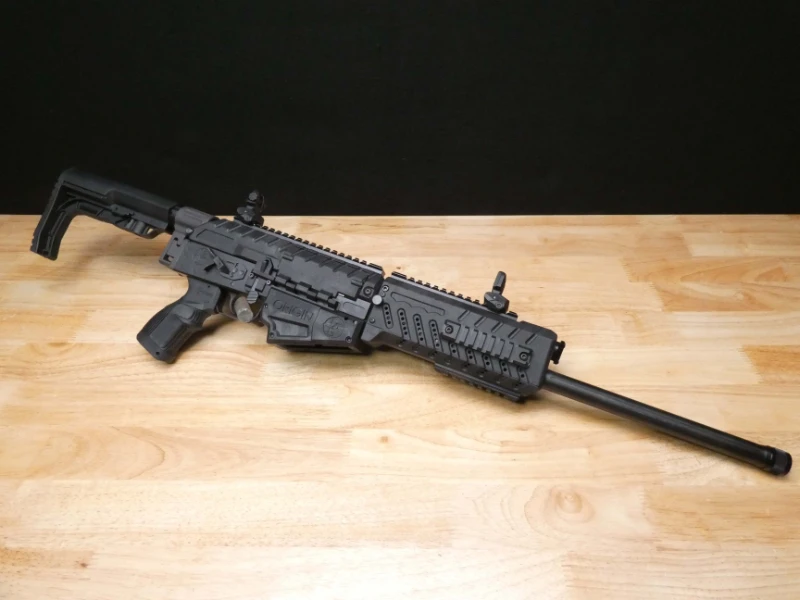
The Fostech Origin 12 is a revolutionary semi-automatic, magazine-fed shotgun known for its rapid-fire capability and distinctive design. Determining its resale value involves more than just assessing its condition; it requires a deep understanding of its various configurations, including NFA-regulated models like the SBS and AOW. The market price is heavily influenced by its specific variant, legal status, included accessories, and the prevailing market demand for such a unique and powerful firearm platform.
What Determines Your Fostech Origin 12’s Worth
The primary factor dictating your Fostech Origin 12’s worth is its specific model and legal classification. Standard, non-NFA versions with an 18-inch barrel establish the baseline value for the platform. In contrast, the more compact and legally regulated variants, such as the Short-Barreled Shotgun (SBS) and “Any Other Weapon” (AOW) models, command a significant price premium due to their enhanced portability and the complexities of NFA ownership. The 2019 ATF reclassification of the Origin 12 SBV as a Title II weapon also plays a historical role, making the specific configuration and its compliance status a critical value determinant for any potential sale.
2026 Price Breakdown by Generation
Generation 1
While the current production model is the Generation 2, the original Gen 1 Origin 12s represent the platform’s initial market entry. The value of these early models is subject to the same factors as their successors, such as condition and completeness. However, their position in the market can be complex; some collectors may value well-preserved early examples, but many buyers will prefer the known refinements and improvements inherent in the newer Gen 2, which can temper the resale price of older versions unless they are in pristine, unfired condition with all original packaging.
The market for Gen 1 Origin 12s is comparatively smaller, making pricing less predictable. A key consideration for any potential buyer is whether the firearm has received any factory upgrades or addressed any issues common with early-production firearms. Sellers of a Gen 1 model should be prepared to document the shotgun’s history and any improvements made. The absence of specific market data for this generation means value is often determined on a case-by-case basis, heavily influenced by direct comparison to the more common and readily available Gen 2 models.
Generation 2
The current-production Gen 2 Fostech Origin 12 sees its value primarily dictated by its specific configuration. The standard long-barrel version is the most accessible, with new models typically priced between $2,750 and $3,000. On the used market, the average price for an Origin 12 is approximately $1,887, although some private party sales have been recorded in the $1,500 to $1,600 range. This demonstrates a significant but expected depreciation from its original MSRP, a common trend for most modern used firearms that are not exceptionally rare or in high demand.
The NFA-regulated models of the Gen 2 platform consistently command a higher price. The Short Barrel Shotgun (SBS) and the Semi-Automatic Breaching Shotgun (SABS/AOW) variants are typically priced higher from the factory, ranging from $2,950 to over $3,126 when new. This premium is due to their compact nature and the additional legal requirements for ownership. When selling a used NFA variant, the value remains higher than the standard model, but sellers must recognize that the complex and lengthy Form 4 transfer process can limit the pool of potential buyers.
Future Generations (Hypothetical)
As of now, a third generation of the Fostech Origin 12 has not been announced or released. Should one be introduced in the future, it would almost certainly impact the value of existing Gen 2 models. The introduction of new features, improved ergonomics, or enhanced reliability in a future generation could cause a dip in the resale price of older versions as enthusiasts and competitive shooters look to upgrade. The severity of this impact would depend entirely on the significance of the changes and improvements introduced in the new model.
Conversely, if a future generation were to be discontinued or face new, prohibitive regulations, it could potentially increase the value of existing Gen 2 models, especially those in desirable configurations. The firearms market often reacts to scarcity and the appeal of “pre-ban” status. For the time being, any discussion of a Gen 3’s impact on value remains purely speculative, and the Gen 2 continues to be the standard by which all Origin 12 shotguns are currently judged in the marketplace, representing the most refined version of the platform available.
Collector’s Editions & Special Runs
While distinct generations beyond Gen 2 are not part of the Origin 12’s history, any factory-produced limited editions or special runs would carry their own unique value considerations. A model featuring a unique factory finish, special engravings, or a configuration produced in very small numbers would likely command a premium over standard production models. The value of such firearms is often driven by collector demand and rarity, and these special editions tend to hold their value more effectively over time compared to their mass-produced counterparts, appealing to a niche segment of the market.
When selling a special or limited edition, providing documentation that proves its authenticity and limited nature is crucial for achieving its maximum potential value. The original box, any certificates of authenticity, and all included unique accessories are essential components of the sale. Without this provenance, it can be difficult for a prospective buyer to verify the firearm’s special status, potentially reducing its market value to that of a standard model with what might be perceived as a simple custom finish, thereby losing its collector premium.
How Modifications Affect Value
The market for the Fostech Origin 12 does not show a clear consensus on which specific modifications consistently add to its resale value. While practical upgrades such as high-quality optics, aftermarket stocks, or enhanced charging handles might appeal to certain buyers, they rarely result in a dollar-for-dollar return on the investment. The value of such additions is highly subjective and depends heavily on the potential buyer’s personal preferences and intended use for the shotgun. Most sellers find it more financially effective to sell the firearm in its original factory configuration and list the accessories separately.
Similarly, there is no definitive list of modifications that are known to universally hurt the Origin 12’s value. However, a general rule in the firearms market is that permanent, non-professional alterations can significantly decrease resale value. This includes amateur gunsmithing, unrefined custom paint jobs, or irreversible changes to the receiver, barrel, or action. Any modification that compromises the firearm’s core reliability or safety will almost certainly be a major detractor for potential buyers, making the shotgun much more difficult to sell at a fair market price.
Regional Price Variations in 2026
The value and overall marketability of a Fostech Origin 12 are heavily influenced by state and local firearm laws. In states with stringent regulations, such as California and New York, the shotgun is heavily restricted. The manufacturer explicitly states on its website that it will not ship to these states, creating significant legal hurdles for ownership. While a retailer might suggest a model can be made compliant with a magazine lock and a 10-round magazine for California, this complex process and the inherent functional limitations drastically shrink the potential buyer pool and can negatively impact its value.
In contrast, in states with more permissive firearm laws, the Fostech Origin 12 can be bought and sold more freely, leading to a more stable and predictable market value. The demand is naturally higher in these regions where owners can fully utilize the shotgun’s intended features, such as its detachable high-capacity magazines and standard configuration. Consequently, a seller in a state like Texas or Florida will likely have an easier time finding a qualified buyer and achieving a price closer to the national average than a seller attempting to navigate the complexities of a more restrictive jurisdiction.
Online vs Local Sales
Selling a Fostech Origin 12 online provides access to a nationwide audience, which can potentially lead to a faster sale and a higher final price. However, this process is governed by strict legal protocols that must be followed. Federal law mandates that any interstate firearm sale must be shipped to a Federal Firearms Licensee (FFL) located in the buyer’s state of residence. The buyer must then visit their local FFL to complete the required paperwork and a background check to legally take possession. This adds layers of complexity and cost, including shipping and FFL transfer fees.
Shipping the Origin 12 requires strict adherence to carrier policies. A private seller must provide written notice to the carrier, such as UPS or FedEx, that the package contains a firearm. FedEx’s policy requires private sellers to ship from an FFL to another FFL. UPS allows private individuals to ship shotguns, but they must be declared at an authorized facility. For both carriers, the firearm must be unloaded, ammunition must be shipped separately, and the package cannot have any markings indicating its contents. An adult signature is also mandatory for delivery, adding a final layer of security.
A local, in-person sale can be a simpler alternative, potentially avoiding shipping costs and FFL transfer fees altogether. However, the transaction is still governed by state and local laws, which may mandate that the transfer occur through a licensed dealer to facilitate a background check. While a bill of sale is highly recommended for the seller’s personal records, it is not a universal legal requirement. The primary drawback of a local sale is the significantly smaller pool of potential buyers, which may result in a longer selling time or a lower final price compared to the national online market.
The FFL Buying Advantage
Selling your Fostech Origin 12 directly to a Federal Firearms Licensee (FFL) offers a fast, secure, and legally compliant transaction. Dealers are equipped to handle all the necessary paperwork, which completely removes the seller’s burden of verifying a private buyer’s eligibility and navigating the complex web of state and federal shipping regulations. This convenience, however, comes at a direct cost to the final sale price. Gun dealers typically offer around 65% of a firearm’s estimated private party value. This falls squarely within the standard industry range of 50% to 70% for desirable used firearms.
While the immediate cash offer from a dealer will be lower than what you might achieve in a private sale, it provides a guaranteed and immediate outcome. You avoid the uncertainty of finding a legitimate private buyer, the potential risks of dealing with strangers, and the possibility of a deal falling through due to unforeseen complications. For sellers who prioritize speed, safety, and convenience over maximizing their financial return, selling to an FFL is an excellent and hassle-free option. The 65% offer for an Origin 12 is a fair reflection of this industry trade-off.
What Increases Your Offer
To maximize the value of your Fostech Origin 12, presenting it as a complete, factory-original package is absolutely essential. The estimated financial penalty for missing the original case and magazines can range from $165 to $195. This figure is based on the combined replacement cost of a factory-equivalent hard case, which is between $110 and $140, and a standard 5-round magazine, which costs approximately $55. Including all original accessories, manuals, and any factory-provided tools demonstrates meticulous ownership and allows the new owner to have the full factory experience, a factor for which buyers are willing to pay a premium.
Exceptional presentation is paramount in securing a top-dollar offer for your shotgun. Before listing it for sale, perform a thorough and detailed cleaning. First, ensure the firearm is completely unloaded, then field strip it and meticulously clean the bore, action, bolt, and gas system. Wiping down all exterior surfaces with a quality CLP to remove fingerprints and residue creates a strong and positive first impression. High-quality photographs are equally crucial. Use a simple, non-distracting background with soft, diffused lighting, and stabilize your camera on a tripod to avoid blur and capture multiple, clear angles.
While there is no definitive consensus on specific modifications that add value, maintaining the firearm in its original factory configuration is often the safest and most profitable strategy. Reversible, high-quality additions like a reputable red dot optic could be offered as an optional part of the sale, but the base price should reflect the firearm itself. Documenting the shotgun’s history, including a low round count if applicable, can also be a significant value-add. A well-maintained, clean, complete, and well-photographed Origin 12 will always command a higher price than one that is incomplete or poorly presented.
When to Sell Your fostech origin 12
While tactical shotguns like the Fostech Origin 12 are less tied to the hunting seasons that drive rifle sales, general consumer spending trends still apply. The summer months are consistently reported as a slow period for firearm sales across the board. This is often attributed to people being on vacation and allocating their disposable income to other activities and travel. Listing your shotgun during this downturn may result in a longer sale process and potentially lower offers due to decreased overall market activity and fewer buyers actively searching for firearms at that time.
The firearms market typically sees increased activity and consumer spending during two key periods of the year. The first is from mid-November through mid-January, a timeframe driven by holiday shopping, year-end bonuses, and seasonal spending habits. The second, and often stronger, period for sales is during tax return season, which generally runs from February through April. During these windows, more consumers have disposable income and are actively looking to make significant purchases. Listing your Origin 12 during these times can increase its visibility and the likelihood of receiving competitive offers from motivated buyers.
Beyond seasonal trends, political events and national news cycles can create sudden and unpredictable spikes in demand for modern firearms, particularly for semi-automatic platforms like the Origin 12. While these events are impossible to forecast, they can significantly influence the market in the short term. A seller who is not in a rush to sell can monitor the political climate and choose to list their firearm during periods of heightened consumer concern about potential new regulations. This can lead to a quicker sale at a premium price, though timing such a sale is more a matter of opportunity than a predictable strategy.
Common Pricing Mistakes
A frequent and costly error when pricing a used Fostech Origin 12 is overvaluing it based on the original Manufacturer’s Suggested Retail Price (MSRP). While the MSRP for a new model ranges from $2,750 to $2,950, the used market operates on principles of depreciation. The average used price is closer to $1,887, with some private sales going as low as $1,500. Ignoring this reality and pricing your used shotgun near its new cost will deter knowledgeable buyers and prolong the sale indefinitely. Researching current, completed online sales is crucial for setting a realistic and competitive price.
Another common mistake is failing to accurately account for the firearm’s specific classification and its associated legal implications. The Origin 12 platform includes multiple variants, from standard non-NFA models to NFA-regulated Short Barrel Shotgun (SBS) and “Any Other Weapon” (AOW) versions. Misrepresenting an NFA item as a standard shotgun or being unaware of the complex transfer process can lead to serious legal issues and failed sales. Sellers must clearly and accurately describe the specific model, its NFA status, and understand the legal requirements for its transfer, as this directly impacts its value and target audience.
Neglecting the financial penalty of an incomplete package is a third major pricing error. As noted, a missing original hard case and a single 5-round magazine can reduce the firearm’s value by $165 to $195. Sellers who fail to adjust their asking price to reflect these missing components are essentially asking for more than the item is worth in its current state. A savvy buyer will immediately recognize this discrepancy and will either make a correspondingly lower offer or simply move on to a more complete package being offered by another seller.
Market Outlook for 2026
Predicting the future market value of any firearm, including the innovative Fostech Origin 12, is an inherently speculative exercise, as there is no established consensus on its long-term price trajectory. The shotgun’s value in 2026 will likely be influenced by several key external factors. The introduction of a new, competing product or a “Gen 3” from Fostech could put downward pressure on the prices of current Gen 2 models. Conversely, any new federal or state-level regulations targeting semi-automatic, magazine-fed shotguns could potentially increase the value of existing, pre-regulation examples already in private hands.
The firearm’s unique design and high-performance capabilities will likely ensure that it retains a dedicated following among enthusiasts, which helps to establish a stable price floor and prevent a total collapse in value. However, like most modern firearms, it will almost certainly continue to depreciate from its original MSRP in the used market over time. Barring any significant political or market shifts, the value of a standard-configuration Origin 12 will probably follow a predictable depreciation curve. The NFA-regulated variants like the SBS and AOW may hold their value better due to their relative scarcity.
Frequently Asked Questions
Is it worth getting a professional appraisal for my Origin 12?
For a standard used Fostech Origin 12, a professional appraisal is generally not a worthwhile expense. The market for these shotguns is active enough that a wealth of pricing data is readily available online through popular auction sites, forums, and classifieds. The current average used price is approximately $2,019, with recent private sales data showing a range from $1,500 to $1,600. This accessible information allows a seller to accurately determine a competitive asking price without incurring the extra cost of a formal appraisal, which is better suited for rare, antique, or highly customized firearms.
How much does the NFA classification affect the price of an Origin 12?
The NFA classification has a significant and direct impact on the price of a Fostech Origin 12. Standard models with an 18-inch barrel are not NFA items and represent the baseline value for the platform. However, the Short Barrel Shotgun (SBS) and “Any Other Weapon” (AOW) versions are regulated under the NFA and command a higher price, typically ranging from $2,950 to over $3,126 when new. This premium reflects their more desirable compact size and relative scarcity. While their used value is also higher, the complex and lengthy transfer process can limit the number of potential buyers.
Will I get my money back on aftermarket parts?
It is highly unlikely that you will recoup the full cost of aftermarket parts when selling your Origin 12. The market shows no clear consensus that specific modifications, such as upgraded triggers, premium optics, or different furniture, consistently add to the firearm’s base value. Value for modifications is subjective, and a potential buyer may not want or appreciate the specific parts you have chosen. It is almost always more financially advantageous to return the shotgun to its factory configuration and sell the aftermarket parts separately to buyers who are specifically looking for those items.
Does a high round count significantly lower the Origin 12’s value?
While there is no specific market data that quantifies the exact financial penalty for a high round count on a Fostech Origin 12, it is a universal factor in firearm valuation. A shotgun with clear and visible signs of extensive use—such as significant wear on internal components, the bolt, and the exterior finish—will naturally command a lower price than a “like new” example. Although the Origin 12 is built for durability, prospective buyers will always pay a premium for a firearm with a documented low round count, as it implies less mechanical wear and a longer remaining service life.
How much value is lost if I don’t have the original box?
Missing the original factory case and accessories will noticeably decrease your Fostech Origin 12’s value. The estimated penalty for an incomplete package is between $165 and $195. This figure is derived directly from the current market replacement cost of a factory-style hard case, which can be $110 to $140, and a standard 5-round magazine, which costs about $55. Collectors and discerning buyers place a high value on a complete, “as it came from the factory” set, so retaining all original items is crucial for achieving the highest possible resale price.
Get a Cash Offer Today
Ready to sell your Fostech Origin 12? We make the process simple, safe, and fast. Avoid the hassle of private listings and shipping regulations. We are a fully licensed dealer ready to provide you with a fair, competitive cash offer based on your firearm’s specific model and condition.
Click the button below to submit your firearm’s information. Our experts will review the details and get back to you with a no-obligation offer. Turn your used shotgun into cash today with a trusted and professional buyer who understands its true worth. The entire process is secure and confidential.