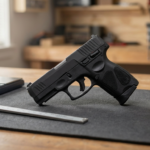

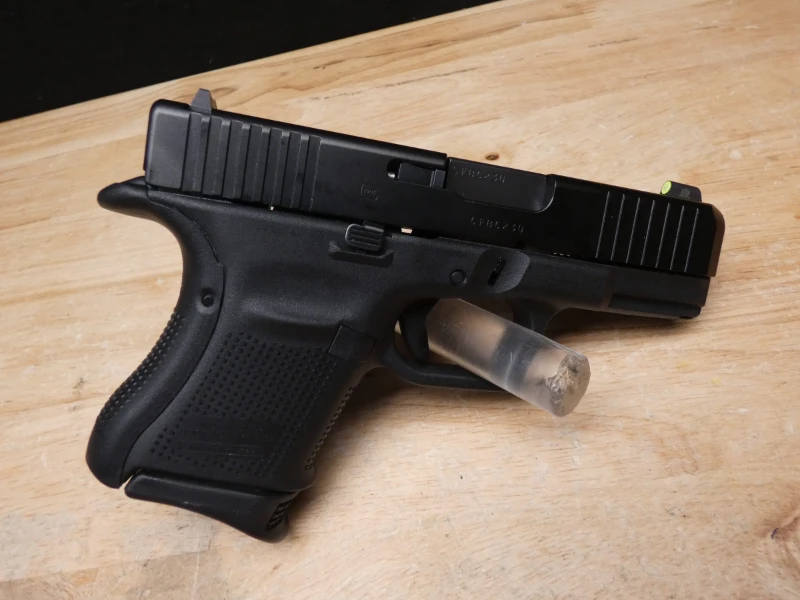
The Glock 29, a compact 10mm pistol designed for concealed carry, holds a stable position in the firearms market. Its value is shaped by its generation, overall condition, and any included accessories. As a standard production handgun, its price is well-documented, with used models typically fetching between $420 and $500. Understanding the key factors that influence its worth, from round count to regional laws, is essential for any owner looking to accurately price their firearm for a successful sale.
What Determines Your Glock 29’s Worth
The primary determinants of a Glock 29’s value are its generation and physical condition. While Glocks are renowned for their durability, a high round count can negatively impact worth through visible wear and tear on the slide, frame, and barrel. A firearm in excellent condition can command a price between $300 and $500, but signs of heavy use will place its value below this range. The specific generation also plays a crucial role, as newer versions with updated features often have a higher baseline value than their older counterparts, influencing both new and used market pricing.
2026 Price Breakdown by Generation
Generation 1
Collectors and sellers should note that the Glock 29 was not produced during the Generation 1 era of Glock manufacturing. The first Glock pistols were introduced in the early 1980s, but the Model 29 was developed and released much later. Consequently, there are no factory-original Generation 1 Glock 29s in existence. Any valuation or listing referencing a “Gen 1” Glock 29 would be incorrect and likely refers to a different model or a misunderstanding of the pistol’s history. Pricing for this model begins with its later iterations, which introduced the powerful 10mm cartridge to Glock’s subcompact frame.
Because no Generation 1 models exist, their market value is nonexistent. The value history for the Glock 29 begins with its official introduction, which featured a frame design more aligned with what would be considered Generation 2.5 architecture. This is a critical piece of information for sellers to avoid misrepresenting their firearm and for buyers to avoid purchasing a pistol based on false information. The focus for valuation should always be on the officially recognized generations, starting from its actual market debut, to ensure an accurate and fair assessment of its worth in the current market.
Generation 2
Similar to the Generation 1 models, a true Generation 2 Glock 29 was never officially manufactured or released by Glock. The Glock 29 was introduced during a transitional period for the company’s frame designs, effectively making its first appearance with what is commonly referred to as a “Gen 2.5” frame. This design incorporated features from both the second and third generations, such as finger grooves and an accessory rail, which were not standard on original Gen 2 pistols. Therefore, searching for a standard Gen 2 Glock 29 will yield no results, as the model line began with this hybrid design.
As a result, establishing a market value for a non-existent Generation 2 model is impossible. The pricing and valuation for the Glock 29 properly begin with the Gen 3 and later models, which represent the vast majority of what is available on the new and used markets. Sellers should be precise in their listings, referring to their models as Gen 3 or Gen 4 to accurately reflect the firearm’s features and historical context. This clarity helps maintain transparency and ensures that the pistol is compared correctly against others of its kind, leading to a more accurate price point.
Generation 3
The Generation 3 Glock 29, particularly the SF (Short Frame) model, remains a popular and widely available version of this 10mm powerhouse. Its value is well-established, with used models in very good condition typically listed with prices ranging from $430 to $500. This generation is often sought after for its proven reliability and its inclusion on restrictive state rosters, such as the California Roster of Certified Handguns. Its long-standing presence in the market means parts and accessories are abundant, making it an attractive option for both first-time 10mm owners and seasoned enthusiasts looking for a dependable carry gun.
The consistent demand for the Gen 3 model helps stabilize its resale value. While newer generations exist, the Gen 3’s reputation and compatibility with a vast ecosystem of aftermarket products keep it relevant. A seller with a well-maintained Gen 3 Glock 29 can expect to receive offers close to the higher end of the typical used price range, especially if it includes the original case and accessories. Its value proposition is strong, offering a balance of performance, availability, and price that continues to appeal to a broad segment of the shooting community, ensuring it remains a liquid asset.
Generation 4
The Glock 29 Gen 4 introduced several key updates, including a dual recoil spring assembly to tame the potent 10mm cartridge and the Modular Back Strap system for a customizable grip. These enhancements command a higher price point, with new Gen 4 models averaging between $618 and $638 from retailers. This higher initial cost translates to a stronger resale value compared to the previous generation. A used Gen 4 in excellent condition will typically sell for more than its Gen 3 counterpart, as buyers are often willing to pay a premium for the improved ergonomics and recoil management.
When selling a Gen 4 model, its condition and completeness are paramount to achieving a top-tier price. The average used price for a Glock 29 is approximately $503, and the Gen 4’s modern features place it firmly in the upper portion of that valuation spectrum. Sellers who have retained the original box, backstraps, and magazines will find it easier to justify a higher asking price. The Gen 4 represents a significant step up in features, and its value reflects the market’s appreciation for these functional improvements over the older, more basic designs of previous generations.
How Modifications Affect Value
Modifications can have a mixed impact on the Glock 29’s resale value, largely depending on their quality and desirability. Upgrades from reputable brands are generally viewed favorably and can positively influence a potential buyer. For instance, installing high-quality iron sights from a well-known brand like Ameriglo or adding a red dot sight from Trijicon or Holosun can make the pistol more attractive. While these additions rarely allow a seller to recoup the full cost of the parts, they can differentiate the firearm from stock models and potentially lead to a faster sale at a slightly higher price point.
While the provided data does not specify modifications that definitively hurt value, a general market consensus suggests that irreversible or highly personalized changes can be detrimental. Stippling jobs, custom Cerakote finishes in niche colors, or internal modifications with unproven parts can deter buyers who prefer a factory-standard firearm. Many potential owners are wary of amateur gunsmithing and prefer to make their own upgrades. To maximize resale value, it is often best to stick to reversible, high-quality upgrades or to sell the firearm in its original configuration while offering the modified parts separately.
Regional Price Variations in 2026
State-specific firearm laws create significant regional price variations for the Glock 29. In California, the handgun is legal for purchase as it is listed on the state’s Roster of Certified Handguns. However, this limited roster can increase demand and stabilize the value of approved firearms, as residents have fewer options. The mandatory compliance with magazine capacity restrictions also means that standard capacity magazines are not part of the sale, which can slightly alter the perceived value compared to sales in states without such limitations. The pistol’s availability on the roster makes it a known and desirable commodity within the state.
In contrast, New York presents a different set of challenges that can influence local pricing. While the Glock 29 is generally legal to own with a valid pistol permit, it must comply with the strict regulations of the NY SAFE Act, including magazine capacity limits. Furthermore, the threat of proposed legislation that could potentially ban the sale of Glock pistols creates market uncertainty. This political climate can cause price fluctuations, sometimes driving prices up due to panic buying or depressing them if dealers anticipate a future sales ban and try to offload inventory, affecting both new and used values.
Online vs Local Sales
When selling a Glock 29 privately, the paperwork requirements vary significantly depending on state law. Some states have no regulations governing private firearm transactions, while others mandate that all sales, including private ones, must be conducted through a licensed dealer to facilitate a background check. Regardless of local laws, creating a bill of sale is a highly recommended practice for both parties. This document provides a legal record of the transfer, detailing the buyer’s and seller’s information along with the firearm’s make, model, and serial number, offering protection and proof of the ownership change.
Selling a handgun to a resident of another state introduces federal regulations that must be strictly followed. The interstate transfer rule mandates that the firearm must be shipped from the seller to a Federal Firearms Licensee (FFL) in the buyer’s home state. The buyer is then required to go to that FFL, complete all necessary federal and state paperwork, and pass a background check before they can legally take possession of the Glock 29. This non-negotiable process ensures that all interstate handgun sales comply with federal law and the regulations of the buyer’s state.
Shipping a Glock 29 also involves specific legal and carrier-mandated protocols. A private seller is prohibited from directly shipping a handgun via common carriers like UPS or FedEx. Instead, they must use an FFL to ship the firearm to the buyer’s designated FFL. Both UPS and FedEx require that handguns be shipped using an overnight air service. Furthermore, the package must be discreet, with no external markings, labels, or text that would indicate a firearm is inside, ensuring a secure and compliant transit from one licensed dealer to another.
The FFL Buying Advantage
Selling your Glock 29 to a Federal Firearms Licensee (FFL), such as a local gun store, offers a fast and straightforward transaction, but it comes at a price. Dealers typically offer between 50% and 70% of the firearm’s current market value. The exact offer depends on several factors, including the pistol’s condition, the generation, and the dealer’s current inventory. A dealer must account for their overhead and the time the gun might sit on the shelf, so their offer is calculated to ensure they can make a profit upon resale, providing you with immediate cash at the cost of a lower overall return.
Despite the lower cash offer, selling to an FFL provides significant advantages in convenience and legal security. The process is immediate, eliminating the time and effort required to find a private buyer, negotiate a price, and arrange a legal transfer. The FFL handles all the necessary paperwork, and the seller is absolved of any future liability associated with the firearm once the transaction is complete. For many owners, this peace of mind and the hassle-free nature of the sale outweigh the financial benefit of pursuing a higher price through a private sale, making it a popular and practical option.
What Increases Your Offer
To maximize the appeal and potential value of your Glock 29, a thorough pre-sale cleaning is essential. A meticulously cleaned firearm not only looks better but also signals to a potential buyer that it has been well-maintained. You should safely disassemble the pistol and diligently clean the slide, frame, and barrel to remove all carbon buildup, fouling, and residue. Use solvents appropriately and finish by applying a very light coat of lubricant to the manufacturer-recommended points. Over-lubricating can attract dust and grime, so a conservative approach is best to ensure it presents in prime functional condition.
High-quality photographs are crucial for attracting buyers, especially in online listings. To accurately represent your Glock 29’s condition, use a tripod to capture clear, steady images. A plain, non-distracting background will ensure the firearm is the sole focus. Utilize bright, diffused lighting, such as natural light near a window, to avoid the harsh glare and deep shadows caused by a direct flash. Capturing the pistol from multiple angles, along with close-ups of any distinct markings or imperfections, provides transparency and builds trust with potential buyers, leading to better offers.
While the market may not have a defined financial penalty for an incomplete package, presenting your Glock 29 with all its original components is a significant value-add. This includes the original factory case, owner’s manual, all included magazines, and any accessories like backstraps or a cable lock. A complete set is far more attractive to collectors and discerning buyers, suggesting the firearm was well cared for. This completeness can differentiate your pistol from others on the market and help you secure a price at the higher end of its value range, justifying a premium over a listing for the handgun alone.
When to Sell Your Glock 29
The market for handguns like the Glock 29 is influenced more by political events and news cycles than by traditional seasonality. Unlike hunting rifles, which see a surge in demand in the months leading up to hunting seasons, handgun sales often spike in response to discussions about new firearm legislation or during election years. This creates a less predictable but often more reactive market. A seller who pays attention to current events can potentially time their sale to coincide with periods of heightened consumer demand, which can lead to a quicker sale and a more favorable price.
Despite the market’s event-driven nature, some general seasonal trends can be observed. The period from mid-November through the end of tax season in April is often a more active time for firearm sales. Holiday bonuses and tax refunds can increase disposable income, leading to more buyers entering the market. Conversely, the summer months tend to be a slower period for sales, as people are often focused on vacations and outdoor activities. Listing your Glock 29 during the busier late-fall to mid-spring window can increase its visibility and the likelihood of a timely transaction.
Ultimately, the most critical factor for timing a sale is the seller’s personal financial situation and local market conditions. While national trends provide a useful guideline, the best time to sell is when you are ready and when local demand appears strong. Keeping an eye on inventory levels at local gun stores and monitoring online listings in your area can provide valuable insight. If similar firearms are selling quickly and for good prices, it may be an opportune moment to list your Glock 29, regardless of the time of year or the current political climate.
Common Pricing Mistakes
One of the most frequent errors sellers make is overvaluing their standard-production firearm. A professional appraisal is generally not worth the cost for a used Glock 29, as its market value is already well-established. Prices for used models in good condition consistently fall within the $300 to $500 range. Sellers should research current online listings and local sales to set a realistic price based on these trends. Asking for a price far above the established market value will deter knowledgeable buyers and likely result in the firearm sitting unsold for an extended period.
Neglecting the impact of condition is another significant pricing mistake. A Glock 29’s value is directly tied to its level of wear and tear. While these pistols are known for their durability, a high round count will inevitably lead to cosmetic and mechanical wear. A seller must honestly assess the firearm’s condition and price it accordingly. Trying to sell a well-used pistol with visible holster wear and internal polishing for the same price as one in excellent, like-new condition is unrealistic and will undermine credibility with potential buyers, who are adept at spotting signs of heavy use.
Attempting to recoup the full cost of aftermarket modifications is a common pitfall that leads to an overpriced firearm. While quality upgrades like premium sights can make a Glock 29 more appealing, they rarely add dollar-for-dollar value to the asking price. Personalizations are subjective, and many buyers prefer a stock pistol they can customize themselves. Pricing your modified Glock 29 as if it were a custom piece will alienate a large portion of the market. It is wiser to price the gun based on its base value and consider any added value from mods as a small bonus.
Market Outlook for 2026
Predicting the future price of any firearm, including the Glock 29, is inherently challenging, as the market is heavily influenced by unpredictable political and economic factors. There is no clear consensus on a future price trajectory. The value of widely available, modern handguns tends to remain relatively stable, depreciating slightly from its new price and then holding steady based on condition and demand. Barring any major industry shifts or legislative changes, the Glock 29 is expected to maintain its current value range, continuing to be a popular and accessible option in the 10mm category.
However, specific events could significantly impact its future value. For instance, proposed legislation in a major state like New York that could ban the sale of Glock pistols could create market turbulence. Such an event could cause a short-term surge in demand and prices in that region, while the long-term effects on the national market are harder to predict. The model’s continued production and Glock’s reputation for reliability suggest its value will not plummet, but sellers should remain aware that external events, rather than simple aging, will be the primary drivers of any significant price changes in the coming years.
Frequently Asked Questions
Does a high round count significantly lower my Glock 29’s value?
Yes, a high round count negatively impacts a Glock 29’s value, primarily through the resulting wear and tear. While Glocks are famous for their durability, a firearm’s overall condition is a key determinant of its worth. A pistol with thousands of rounds fired will show more wear on the slide, frame, and internal components than one with minimal use. A Glock 29 in excellent condition might retail for $300 to $500, but a higher round count leading to a poorer cosmetic or mechanical condition would place its value below this established range.
Is it worth getting a professional appraisal for my Glock 29?
No, a professional appraisal is generally not considered a worthwhile expense for a standard used Glock 29. The market value for these common production pistols is well-established, with prices for used models in good condition typically ranging from $300 to $500. Formal appraisals are more appropriate for antique, rare, or historically significant firearms where value is not easily determined by current market trends. You can accurately price your Glock 29 by researching recent sales of comparable models online and at local dealers.
How much less will a dealer offer compared to a private sale?
When selling to a gun dealer or FFL, you can typically expect to be offered between 50% and 70% of the firearm’s current market value. The exact percentage depends on the Glock 29’s condition, its generation, and the dealer’s assessment of how quickly they can resell it. While this is significantly less than you might get in a private sale, it offers the benefit of an immediate, hassle-free transaction where the dealer handles all legal paperwork and assumes liability, providing convenience over maximum financial return.
Do aftermarket sights increase the resale value?
Quality aftermarket sights can positively influence a buyer and potentially increase your Glock 29’s appeal, but they rarely add dollar-for-dollar value. Upgrades from reputable brands like Trijicon, Holosun, or Ameriglo are seen as favorable enhancements over stock sights. While you won’t recoup the full investment, having premium sights installed can make your pistol stand out from other listings and may help you secure a sale closer to the top of your asking price range. Poorly installed or obscure brand sights, however, may have no positive impact at all.
How does the pistol’s generation affect its price?
The generation of a Glock 29 is a significant factor in its value. Generally, newer generations with more advanced features command higher prices. For example, a new Glock 29 Gen 4 has an average price of around $618 to $638, which sets a higher baseline for its used value compared to an older Gen 3 model. The specific generation determines the pistol’s features, such as the grip texture, recoil spring assembly, and frame size, all of which influence buyer demand and the firearm’s position in the well-defined price hierarchy of the used market.
Get a Cash Offer Today
Ready to sell your Glock 29? We make the process simple, safe, and transparent. Avoid the uncertainty of private sales and the low offers from local shops. Click here to submit your firearm’s information and our team of experts will provide you with a fair, market-based cash offer.
There’s no obligation. We handle all the FFL paperwork and even provide a prepaid shipping label. From start to finish, our process is designed to be convenient and compliant, ensuring you get paid quickly and securely. Find out what your Glock 29 is worth today!