
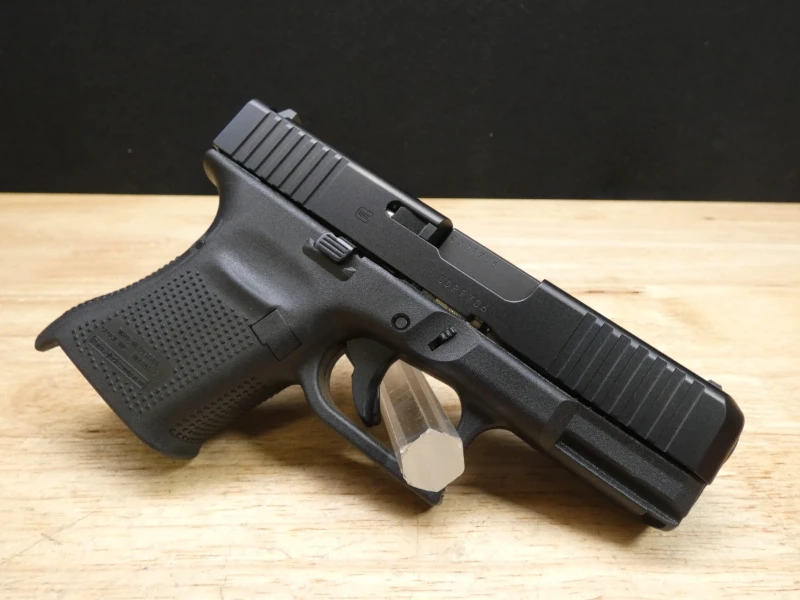
The Glock 30 is a highly regarded semi-automatic pistol, classified as a compact or subcompact handgun ideal for concealed carry. Known for its potent .45 ACP chambering and robust reliability, it holds a strong position in the secondary market. Understanding the key factors that influence its value, from generation and condition to market trends and legal requirements, is essential for any owner looking to sell. A used Glock 30 typically commands a price between $300 and $500.
What Determines Your Glock 30’s Worth
The primary determinants of a Glock 30’s value are its generation, specific model, and overall condition. Newer generations, such as the Gen4 with its interchangeable backstraps or the Gen5 with its Marksman Barrel, consistently command higher prices than their predecessors. Variants like the Glock 30S, featuring a slimmer slide, or the 30SF with its reduced grip frame, also have unique market values. While the platform is famous for its durability, making high round counts less of a concern, cosmetic condition remains crucial. A firearm that is complete with its original case and magazines will also fetch a better price, avoiding a potential deduction of $70 to $100 for their replacement.
2026 Price Breakdown by Generation
Generation 1 & 2
Assessing the value of a Generation 1 or Generation 2 Glock 30 is straightforward, as these models were never put into production. The Glock 30 was first introduced as a “Gen 2.5” before being standardized as a Generation 3 model. Therefore, any search for a Gen 1 or Gen 2 variant will be fruitless, and these non-existent models hold no market value. The value history for this firearm begins with the third generation, which established its reputation for combining compact size with the powerful .45 ACP cartridge, a design that has been refined in subsequent iterations.
Because the Glock 30 lineage begins with the third generation, the market value is concentrated in the Gen3, Gen4, and subsequent models. This lack of earlier versions simplifies the valuation process for sellers, as they do not need to account for the collectibility or scarcity associated with first-run firearms. Instead, the price is dictated by the tangible features and improvements introduced with each successive generation, such as ergonomic enhancements, updated recoil spring assemblies, and improved barrel rifling. The focus for sellers remains on accurately identifying and marketing the features of their specific Gen3 or Gen4 model.
Generation 3
The Generation 3 Glock 30 remains a popular and valuable model, often representing a sweet spot for buyers seeking proven performance at a lower price point than newer versions. This generation includes the highly sought-after Glock 30SF (Short Frame) variant, which offers a reduced grip circumference for better ergonomics. In states with restrictive firearm rosters like California, the Gen3 30SF is often the only version legally available for dealer sale, which can increase its demand and value in that specific market. A used Gen3 Glock 30 in very good to excellent condition generally retails for between $300 and $500.
When selling a Gen3 Glock 30, its value is heavily influenced by its condition and completeness. While functionally robust, cosmetic wear from carry and use can impact the final price. Sellers who have retained the original factory case, manuals, and magazines will command a higher offer. Because this generation lacks the modular backstraps of the Gen4, the specific model, such as the standard or SF frame, becomes a more significant factor in attracting the right buyer. Its established reputation for reliability ensures that it remains a desirable handgun on the used market, holding its value well over time.
Generation 4
The Generation 4 Glock 30 introduced significant ergonomic upgrades, most notably the modular backstrap system, which allows shooters to customize the grip size for a more comfortable and secure hold. This feature alone makes the Gen4 more desirable to a wider range of buyers and typically justifies a higher price than a Gen3 model in similar condition. The Gen4 also features a dual recoil spring assembly, which helps to reduce felt recoil and increase the service life of the pistol. These enhancements contribute to a manufacturer’s suggested retail price that generally falls between $520 and $650 for a new model.
On the used market, a Glock 30 Gen4 in excellent condition will be at the higher end of the typical $300 to $500 range. Its value is supported by the tangible improvements over the previous generation, which are recognized by experienced shooters. When selling a Gen4, highlighting these features—the customizable grip, reduced recoil, and enlarged magazine release—is key to achieving its maximum potential price. As with any generation, including the original case, all backstraps, and magazines is crucial for securing the best possible offer from a potential buyer looking for a complete and well-maintained package.
How Modifications Affect Value
Modifications can have a significant impact on the resale value of a Glock 30, with some adding tangible worth and others having a neutral or even negative effect. Upgrades that are widely recognized for improving performance, such as the installation of high-quality night sights from reputable brands like Trijicon, TruGlo, or AmeriGlo, are generally considered to add value. These are seen as significant improvements over factory sights, making the firearm more appealing and functional. The key is that the upgrade must be from a well-respected manufacturer and properly installed to be perceived as a value-add by a prospective buyer.
Conversely, while the provided data did not yield a consensus on specific value-hurting modifications, highly personalized changes like custom stippling or unconventional Cerakote finishes can narrow the pool of potential buyers. Many purchasers appreciate receiving the original factory parts along with a modified firearm, as it provides them with the option to revert to the stock configuration. Ultimately, the value of modifications is often subjective, with the market placing a higher premium on functional, high-quality aftermarket parts from known brands rather than cosmetic alterations that cater to a specific individual’s taste.
Regional Price Variations in 2026
State and local laws create significant regional price variations for firearms like the Glock 30. In California, the state’s Handgun Roster dictates which firearms dealers can sell to the public. The Glock 30SF (Gen3) with a 10-round magazine is on this roster, making it readily available. However, other models like the Gen4 or the Glock 30S are “off-roster,” meaning they can only be acquired through private party transfers. This limited supply often drives up the price of these off-roster models significantly within the state, creating a market where they sell for a premium compared to their value in less restrictive states.
Similarly, in states like New York, legal possession of a Glock 30 requires a valid pistol license and adherence to a magazine capacity limit of 10 rounds or less. The legal framework and any proposed legislation, such as a potential ban on all Glock sales, can create market uncertainty that influences both supply and demand. In areas with stricter purchasing requirements or capacity limits, the local market value can fluctuate based on the availability of compliant models and the legal hoops buyers must jump through. This contrasts with states with more permissive laws, where prices tend to be more stable and aligned with national averages.
Online vs Local Sales
Selling a Glock 30 privately, whether online or locally, often yields a higher price than selling to a dealer, but it requires navigating legal and logistical hurdles. For an interstate sale, federal law mandates that the handgun be transferred through a Federal Firearms Licensee (FFL) in the buyer’s home state. This means the private seller must ship the pistol to the buyer’s chosen FFL, who will then handle the background check and final transfer. This process adds complexity and potential shipping costs that must be factored into the sale, but it opens up a nationwide market of potential buyers.
Selling to a local gun dealer is a much simpler and faster process, but it comes at a financial cost. Dealers typically offer between 50% and 65% of a used firearm’s retail value, with some owners reporting offers as low as 40% of the original purchase price. The offer depends on the dealer’s inventory and the pistol’s perceived ability to sell quickly. While the payout is lower, the advantage is an immediate, hassle-free transaction without the need to find a buyer, handle paperwork, or arrange for shipping, making it a trade-off between convenience and maximum value.
When shipping a Glock 30 for an online sale, strict rules must be followed. A private individual must ship the handgun to an FFL holder using a common carrier like UPS or FedEx. Both carriers have policies that generally require handguns to be shipped from one FFL to another, meaning the seller will likely need to take the firearm to a local FFL to handle the shipment. The pistol must be unloaded and shipped via an overnight air service in a package that bears no markings indicating it contains a firearm, ensuring both legal compliance and security.
The FFL Buying Advantage
Utilizing a Federal Firearms Licensee (FFL) is a non-negotiable part of any legal interstate handgun sale and offers significant advantages for both the buyer and seller. When you sell a Glock 30 to someone in another state, the firearm must be shipped to an FFL in the buyer’s state of residence. This FFL holder is responsible for conducting a mandatory background check on the buyer and ensuring all federal, state, and local laws are followed before transferring possession. This process removes the legal burden from the seller and ensures the firearm is not being transferred to a prohibited person.
Even in a private sale within the same state, using an FFL for the transfer is highly recommended and, in some states, legally required. The FFL will have the buyer complete ATF Form 4473 and will maintain a record of the transaction. This creates an official paper trail that legally documents the change of ownership, protecting the seller from future liability if the firearm is ever used in a crime. While federal law doesn’t mandate a bill of sale for private transactions, the FFL transfer process serves as the most robust form of legal protection available to a private seller.
What Increases Your Offer
Maximizing the offer for your Glock 30 begins with exceptional presentation, especially for online listings. High-quality photographs are non-negotiable. Use ample natural light and a plain, neutral background to make the firearm stand out. Avoid using a direct flash, which creates glare and harsh shadows. Capture multiple high-resolution images from every conceivable angle—top, bottom, front, back, and both sides. Include close-ups of any markings, the barrel condition, and any imperfections. This transparency builds trust with potential buyers and gives them a comprehensive understanding of the pistol’s condition before they even ask a question.
Before taking photos, thorough preparation is key. Field-strip the pistol and give it a detailed cleaning. Remove all carbon fouling, residue, and fingerprints from the barrel, slide, and frame. Use solvents sparingly to protect the polymer frame and slide finish, and ensure every component is completely dry before reassembly. After cleaning, apply a very light coat of lubricant to the specific points detailed in the owner’s manual. A clean, properly lubricated firearm not only looks better in photos but also signals to a potential buyer that it has been well-maintained, directly increasing its perceived value.
Finally, completeness significantly impacts the final offer. A Glock 30 sold with its original factory case, all original magazines, the owner’s manual, and any included accessories like backstraps or a cable lock will always command a higher price. Missing these items results in a “completeness penalty,” where a buyer will deduct the cost of replacing them from their offer. This deduction can range from approximately $70 to $100 for a case and two magazines. Ensuring your firearm is presented as a complete, well-cared-for package is one of the easiest ways to secure a top-dollar offer.
When to Sell Your Glock 30
Timing the sale of your Glock 30 can have a noticeable impact on the final price you receive. The market for used handguns often experiences seasonal peaks, with the most opportune time to sell being during tax refund season. From approximately February through April, many individuals have more disposable income and are looking to make purchases they may have put off. This influx of cash into the market often leads to increased demand and quicker sales, allowing sellers to hold firm on their asking price. This period is ideal for listing your firearm to attract motivated buyers.
Another strong selling window occurs from spring into early summer, typically from March to June. As the weather improves, more people become active in shooting sports and training, driving up the demand for firearms. This seasonal uptick in activity translates to a healthier used market. Conversely, the worst time to sell is generally during the holiday season, from late November through December. Potential buyers are often focused on holiday spending, and their budgets are allocated elsewhere. Furthermore, you’ll be competing with aggressive holiday sales and promotions on new firearms from major retailers, which can suppress the value of used guns.
By strategically timing your sale to coincide with these peak periods, you position yourself to take advantage of heightened market demand. Listing your Glock 30 when more buyers are actively searching and have the funds to spend increases the likelihood of a faster sale at a more favorable price. Avoiding the competitive and budget-conscious holiday season ensures your well-maintained used pistol isn’t overlooked in favor of discounted new models. Planning your sale around these established market trends is a simple yet effective strategy for maximizing your return on investment and ensuring a smooth transaction with an eager buyer.
Common Pricing Mistakes
One of the most frequent pricing errors is overestimating a standard firearm’s value and seeking a costly professional appraisal. For a common, modern handgun like the Glock 30, the market value is well-established and can be easily researched by checking online marketplaces and local gun store prices. A professional appraisal is not cost-effective and is better reserved for rare, antique, or custom firearms where the value isn’t common knowledge. Sellers can accurately price their Glock 30, which typically falls between $300 and $500 used, by doing a bit of market research on their own, saving both time and money.
Another common mistake is placing too much emphasis on a low round count while ignoring cosmetic condition. The Glock platform is renowned for its durability, capable of firing tens of thousands of rounds with only routine maintenance of inexpensive parts like springs. Therefore, a high round count does not significantly lower the value of a Glock 30. Buyers are often more concerned with visible wear, such as holster wear on the slide or scratches on the frame, than the total number of rounds fired. Pricing should reflect the gun’s cosmetic state more than its operational history.
Finally, sellers often have unrealistic expectations when approaching a gun dealer. It’s crucial to understand that a dealer must make a profit and will typically offer between 50% and 65% of the firearm’s current used market value, not its original purchase price. Expecting to receive private-party value from a dealer will only lead to disappointment. Acknowledging the dealer’s business model and the trade-off between receiving a lower, instant cash offer versus the higher potential return from a private sale will help you set a realistic price and choose the selling method that best suits your needs.
Market Outlook for 2026
While specific long-term price predictions for any firearm are speculative, the market outlook for the Glock 30 in 2026 appears stable. A consensus on a precise future price was not found, but the pistol’s enduring popularity, reputation for reliability, and strong brand recognition provide a solid foundation for its value. As a proven design chambered in the popular .45 ACP, it occupies a niche as a powerful yet concealable handgun that is unlikely to go out of favor. Its value is less susceptible to fleeting trends and more anchored in its functional performance, suggesting it will continue to be a desirable firearm on the used market.
General market factors will play the largest role in any potential price fluctuations for the Glock 30 by 2026. The introduction of new competing models from Glock or other manufacturers could exert some downward pressure on prices for older generations. Conversely, any proposed or enacted firearms legislation at the state or federal level often leads to surges in demand, which could drive prices up. Barring any major market disruptions, owners can expect the Glock 30 to hold its value well, depreciating slowly and remaining a liquid asset that is relatively easy to sell within its established price range.
Frequently Asked Questions
How much does a high round count really affect my Glock 30’s price?
A high round count has a surprisingly minimal impact on the resale value of a Glock 30. The platform is engineered for extreme durability and is known to function reliably for tens of thousands of rounds with only routine maintenance. Consequently, the market places a much higher emphasis on the firearm’s external cosmetic condition. A well-maintained Glock 30 with significant holster wear will likely see a greater price reduction than a pristine-looking one with a higher round count. The value is more closely tied to its appearance and the condition of inexpensive, wearable parts like springs, not the total number of rounds fired.
Is it worth getting a professional appraisal for my Glock 30?
For a standard used Glock 30, a professional appraisal is generally not worth the cost. The market value for this popular handgun is well-established and can be easily determined by checking current prices on online gun forums, auction sites, and at local gun stores. Appraisals are most beneficial for firearms that are rare, antique, custom-built, or have a unique historical significance where the value is not common knowledge. Since a used Glock 30 in good to excellent condition typically sells for a predictable $300 to $500, the expense of an appraisal would unnecessarily cut into the seller’s net profit.
Will I lose a lot of money if I’m missing the original box and magazines?
Yes, missing the original case and magazines will result in a notable deduction from your Glock 30’s value. While there isn’t a specific dollar penalty agreed upon across the market, the reduction is typically equivalent to the cost of replacing these items. A buyer will factor in the expense of purchasing a new case and at least two factory magazines, which can easily total between $70 and $100. To get the highest possible offer, it is always best to sell the firearm as a complete package, just as it came from the factory. This signals a well-cared-for firearm and saves the buyer from additional expense.
Do aftermarket night sights actually add to the resale value?
Upgrading to high-quality night sights from reputable brands is one of the few modifications that generally adds value to a Glock 30. While it may not return the full cost of the sights and installation, it makes the firearm significantly more desirable to potential buyers. Brands like Trijicon, TruGlo, and AmeriGlo are consistently recommended as major improvements over the standard factory sights. A Glock 30 equipped with a quality set of night sights is more “turn-key” and appealing, often commanding a higher price and selling faster than a stock model, as the new owner is saved the time and expense of upgrading themself.
Why do gun dealers offer so much less than the private sale price?
Gun dealers typically offer between 50% and 65% of a used Glock 30’s retail value because their offer must account for business overhead and profit margin. When a dealer buys your gun, they are taking on the risk of it sitting in their inventory. They have to cover costs like rent, utilities, employee salaries, and the time it takes to process and sell the firearm. The lower offer price ensures they can resell it at a competitive market price while still making a profit. Selling to a dealer is a trade-off: you receive less money but benefit from a fast, secure, and hassle-free transaction.
Get a Cash Offer Today
Ready to sell your Glock 30? We make the process safe, simple, and transparent. Click here to submit your firearm’s information and our team of experts will provide you with a fair, market-based cash offer. Avoid the hassle of private sales and get paid quickly and securely.
Our streamlined process ensures you comply with all federal and state laws without the guesswork. We provide the shipping materials and handle the FFL transfer logistics. Turn your used firearm into cash today with a partner you can trust. Get your no-obligation offer now and see what your Glock 30 is worth.