
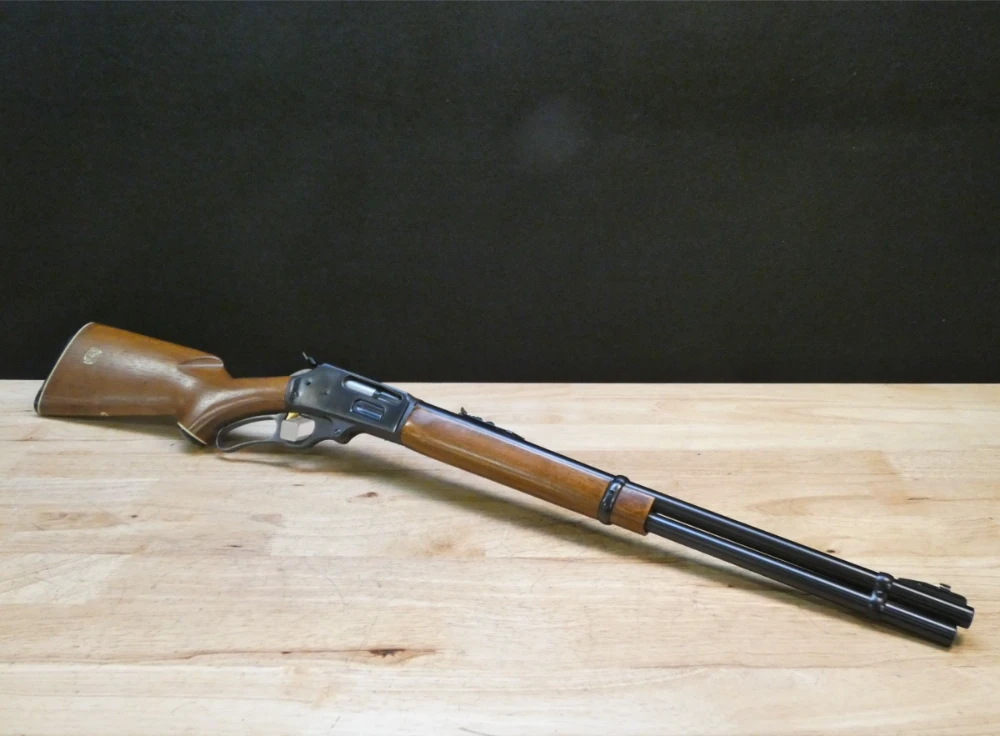
The Marlin 336 stands as a quintessential American lever-action rifle, cherished by hunters and collectors for its reliability and classic design. As a long gun, it generally avoids the stringent regulations of NFA items. Understanding its value involves more than just its condition; it requires knowledge of its manufacturing era, market demand, and the legal nuances of firearm sales. This guide provides a detailed breakdown of the factors that determine the worth of your Marlin 336 today.
What Determines Your Marlin 336’s Worth
The primary factor dictating the value of a Marlin 336 is its manufacturing origin and overall physical condition. Collectors and enthusiasts place a significant premium on pre-Remington models, easily identified by the “JM” stamp on the barrel, considering them the gold standard of quality. While an exceptionally high round count can lead to bore erosion and potentially lower a rifle’s value, the market generally prioritizes the firearm’s cosmetic state and manufacturer over its usage history. A well-maintained, older model will almost always command a higher price than a newer one with visible wear and tear, regardless of how many rounds it has fired.
2026 Price Breakdown by Generation
Pre-Remington “JM” Models
Often considered the gold standard by collectors, Marlin 336 rifles stamped with “JM” (for John Marlin) on the barrel were produced before the company’s acquisition by Remington. These models are highly sought after for their perceived superior fit, finish, and quality control. Their reputation for smooth actions and excellent craftsmanship drives a premium in the used market. Depending on the specific configuration and its condition, a “JM” stamped Marlin 336 can typically sell for between $800 and $1,000, with some particularly pristine or rare examples fetching even higher prices from discerning buyers who value this specific era of production.
The desirability of these rifles means they hold their value exceptionally well. Even models showing honest field use are in high demand. The “JM” stamp serves as a hallmark of quality that separates these firearms from later production runs. When selling one of these rifles, it is crucial to highlight this marking in photographs and descriptions, as it is the single most important value-driver for a potential buyer. The price can fluctuate based on caliber and specific features, but the “JM” heritage consistently places these rifles at the top of the Marlin 336 valuation hierarchy.
Remington-Era “Remlin” Models
Following Remington’s acquisition of Marlin, rifles produced during this period are often referred to by the portmanteau “Remlins.” These models experienced a period of reported quality control issues, which has impacted their reputation and subsequent resale value compared to their “JM” stamped predecessors. While many of these rifles are perfectly functional and reliable firearms, the market perception means they are generally valued slightly lower. A used Marlin 336 from the Remington era typically commands a price in the range of $700 to $850, contingent on its overall condition and the absence of any widely known production flaws from its specific manufacturing year.
Despite the initial concerns, Remington did address many of the quality control problems over time, and later-production “Remlins” are often considered to be well-made rifles. However, the stigma remains within the collector community, creating a distinct tier in the pricing structure. For a prospective seller, it is important to accurately represent the rifle’s condition and be prepared for a price point that reflects the market’s preference for earlier models. For a buyer, these rifles can represent a good value, offering the classic Marlin 336 platform at a more accessible price than the coveted “JM” versions.
Ruger-Made Models
The newest chapter in the Marlin 336’s history began with its production under the ownership of Ruger. These contemporary models have been met with enthusiasm from the firearms community, as Ruger is known for its robust manufacturing processes and quality firearms. The reintroduction of the classic lever-action has generated significant interest, with new models carrying a Manufacturer’s Suggested Retail Price (MSRP) of around $1,100. This price point reflects modern manufacturing costs and the brand’s reputation for quality, positioning the new 336 as a premium offering in the lever-action market, distinct from the fluctuating values of the used market’s older generations.
As these Ruger-made rifles are relatively new, their long-term value retention on the used market is still being established. However, the positive reception and Ruger’s strong brand identity suggest they will be a desirable option for those seeking a new, factory-warrantied lever-action. The value of these models is currently driven by their availability and MSRP, rather than the collectibility associated with the “JM” era. For sellers of these newer rifles, the price will likely remain close to the new retail price, especially for models kept in excellent, like-new condition with all original packaging and documentation included in the sale.
General Used Market Models
Beyond the distinct manufacturing eras, the broader used market for the Marlin 336 sees a wide price spectrum influenced heavily by condition and local demand. On average, a common model in good working order will typically fall into a price range of $675 to $1,000. This bracket encompasses a variety of rifles that may not have the collector appeal of a “JM” model but are still highly regarded as reliable hunting and recreational firearms. The final price within this range is determined by factors such as the condition of the wood and metal finish, bore quality, and any included accessories.
Price variability can be significant at the extremes of the market. For instance, a well-worn “beater” rifle intended for ranch or truck use might be found for as low as $350. Conversely, a particularly desirable configuration, such as a rare caliber or a pristine, early-production “JM” stamped model, can command prices up to $1,400 or more from dedicated collectors. This wide valuation landscape underscores the importance of assessing each rifle individually, as its specific history, condition, and markings are the true determinants of its place within the general market price range for this iconic lever-action.
How Modifications Affect Value
While many owners choose to customize their Marlin 336 for improved performance or ergonomics, these modifications rarely translate to a higher resale value. Popular and functional upgrades, such as high-quality peep sights from respected brands like Skinner, Williams, or Lyman, are well-regarded within the community for enhancing the shooting experience. However, there is no market consensus that such additions increase the firearm’s monetary worth. In many cases, particularly with collectors, any deviation from the original factory configuration can be seen as a detriment, as they prioritize authenticity and historical accuracy over aftermarket enhancements. A seller should not expect to recoup the full cost of these upgrades.
Similarly, there is no definitive list of modifications that universally hurt the value of a Marlin 336, as buyer preference varies widely. However, permanent alterations such as drilling and tapping for scope mounts (on older models that were not factory-equipped), cutting down the stock, or applying a non-factory finish like Cerakote can significantly reduce the pool of potential buyers. Collectors will almost always pass on a modified rifle in favor of an all-original piece. For the average shooter or hunter, such changes may be acceptable or even desirable, but from a valuation standpoint, maintaining the rifle in its original factory state is the safest way to preserve its maximum potential resale value.
Regional Price Variations in 2026
The Marlin 336 enjoys a relatively stable national market value, largely because its lever-action design keeps it compliant with firearm laws in even the most restrictive states. In places like California and New York, the Marlin 336 is generally legal to own as it is not classified as an “assault weapon” under regulations like the SAFE Act. This broad legality prevents the kind of dramatic regional price swings seen with other types of rifles that are banned or heavily restricted in certain jurisdictions. As a result, a buyer in New York can typically expect to pay a price comparable to one in Texas or Montana.
While major legal restrictions do not create significant price disparities, localized market demand can still play a role. In regions with a strong hunting tradition, particularly for deer or black bear in wooded environments where the 336 excels, prices may see a seasonal uptick in the months leading up to hunting season. Conversely, in more urban areas, the demand might be lower, leading to slightly more competitive pricing. However, these are minor fluctuations rather than fundamental value differences. The rifle’s widespread acceptance and classic appeal ensure its value is determined more by its condition and manufacturing era than by the buyer’s zip code.
Online vs Local Sales
Selling a Marlin 336 online opens up a national market of potential buyers but requires strict adherence to federal law. Any interstate transfer of a firearm must be processed through a Federal Firearms Licensee (FFL). This means a private seller cannot ship the rifle directly to a buyer in another state. Instead, the seller must ship the firearm to an FFL dealer in the buyer’s state. The buyer then visits that dealer to complete the required ATF Form 4473 and undergo a background check before legally taking possession of the rifle. This process ensures the transfer complies with the laws of both states involved.
The logistics of shipping also present a hurdle for private sellers. Major common carriers like UPS and FedEx have corporate policies that prohibit individuals from shipping firearms; they require the shipper to be a licensed dealer with an established shipping agreement. Consequently, a private individual typically needs to take the Marlin 336 to a local FFL, who will then handle the packaging and shipping to the buyer’s designated FFL. While a bill of sale is a recommended document for personal records, it is not federally mandated. The primary legal burden is ensuring the transfer is properly facilitated by licensed dealers to maintain a legal chain of custody.
In contrast, a local private sale can be simpler, but it is governed by state and local laws, which vary significantly. In some states, two private residents can legally sell a long gun to one another without involving a dealer, though a bill of sale is always advisable. However, many states now have universal background check laws that mandate even private transactions be conducted through an FFL. Sellers must be diligent in understanding and following the specific laws of their state to avoid inadvertently committing a felony. This makes using an FFL a safe harbor for ensuring legality, even in a face-to-face transaction.
The FFL Buying Advantage
Engaging a Federal Firearms Licensee (FFL) for the sale of a Marlin 336 offers distinct advantages, particularly in terms of convenience and legal security. When you sell or trade your rifle to a dealer, the transaction is immediate. There is no need to find a private buyer, negotiate a price, or worry about the legalities of the transfer. The dealer handles all the necessary paperwork, and you receive payment on the spot. This streamlined process is ideal for sellers who prioritize speed and simplicity over maximizing their return. The trade-off for this convenience is a lower offer price for the firearm.
On average, a gun dealer will offer a trade-in or cash value for a used Marlin 336 that is approximately 65% of its estimated private party market value. This margin allows the dealer to cover their overhead, process the firearm, and still make a profit upon its resale. While this means less money in the seller’s pocket compared to a private sale, it completely eliminates the risks and hassles of navigating state and federal transfer laws, vetting potential buyers, and arranging for legal shipment. For many, the peace of mind and immediacy offered by an FFL are well worth the reduced payout.
What Increases Your Offer
The most significant factor in securing a top-dollar offer for your Marlin 336 is its manufacturing era and condition. As previously noted, pre-Remington rifles with the “JM” barrel stamp are the most sought-after by collectors and informed buyers. If your rifle has this marking, it is the single most important feature to highlight. Beyond its pedigree, the physical condition is paramount. A rifle with a pristine bore, deep, original bluing, and a stock free of significant dents, cracks, or scratches will always command a premium. Preserving the rifle’s original state is key to maximizing its inherent value to the fullest extent.
A thorough and proper pre-sale cleaning can substantially increase the perceived value and final offer. It is crucial to perform a detailed cleaning by partially disassembling the rifle, which allows the bore to be cleaned from the breech end. This method prevents accidental damage to the muzzle’s crown, which is critical for accuracy. Using proper-fitting hollow-ground screwdrivers will avoid marring the screw heads, a common sign of improper maintenance. A clean rifle not only looks better but also signals to a potential buyer that it has been well-cared-for, instilling confidence and justifying a higher price point for the firearm.
High-quality presentation is essential, especially for online sales. To attract the best offers, photograph the Marlin 336 using ample, soft natural light against a simple, non-distracting background. Take numerous clear, high-resolution photos from every angle, including close-ups of all markings like the serial number, model designation, and the crucial “JM” stamp if present. Be transparent by also photographing any imperfections. This comprehensive visual documentation allows buyers to assess the rifle’s condition accurately and confidently, often leading to stronger and faster offers than listings with poor or insufficient images, which can create uncertainty and doubt.
When to Sell Your Marlin 336
Strategic timing can significantly impact the final sale price of your Marlin 336. The most widely recognized prime selling window is in the months leading up to hunting season. From late summer through early fall, approximately August through October, many hunters are actively looking to purchase or upgrade their rifles for the upcoming season. The Marlin 336, being a classic deer rifle, sees a surge in demand during this period. Listing your firearm at this time increases the pool of motivated buyers, which can lead to a quicker sale at a more favorable price point for the seller.
Beyond the pre-hunting season rush, other periods of increased consumer spending can also be advantageous for firearm sales. Tax return season, typically from February through April, is another strong period, as many individuals have more disposable income and are looking to make larger purchases. This window applies broadly across the firearms market, including classic lever-action rifles. A seller who is not in a hurry can benefit by waiting for this annual financial upswing to list their rifle, capitalizing on the increased purchasing power of potential buyers looking to invest in their collections or recreational shooting hobbies.
A third opportune time to consider selling is during the holiday season, which generally spans from mid-November through mid-January. This period often sees an increase in firearm sales as they are popular big-ticket gift items and many people receive holiday bonuses. Conversely, the summer months are often considered a slower period for the industry. By avoiding this lull and targeting one of the three peak seasons—pre-hunting, tax season, or holidays—you can align your sale with periods of peak market activity, improving your chances of achieving the desired asking price for your Marlin 336 in a timely manner.
Common Pricing Mistakes
One of the most frequent errors sellers make is failing to properly identify the manufacturing era of their Marlin 336. There is a significant value disparity between a pre-Remington “JM” stamped rifle and a later “Remlin” model. Misidentifying a Remington-era gun as a more valuable “JM” model can deter knowledgeable buyers, while undervaluing a true “JM” rifle means leaving money on the table. It is crucial to inspect the barrel for the “JM” proof mark and price the firearm accordingly, as this is often the first thing a discerning buyer will look for when evaluating the rifle’s worth.
Another common mistake is overestimating the value of a standard, common model and investing in a formal appraisal. For most used Marlin 336 rifles, a professional appraisal is not cost-effective. The market value for these firearms is well-established and typically ranges from $400 to $700, depending on condition and specific variant. Given this relatively modest value, the cost of a formal written appraisal would likely be disproportionate to the rifle’s worth. Sellers can determine a fair market price by researching completed sales on online forums and auction sites for comparable models, which provides a more practical and affordable valuation method.
Finally, sellers often price their rifle based on sentimental value or the cost of added accessories, rather than objective market conditions. While a rifle may have a rich personal history, this unfortunately does not translate to a higher monetary value for a prospective buyer. Similarly, the cost of aftermarket scopes, slings, or sights is rarely recovered in a sale. Pricing should be based on the rifle’s intrinsic factors: its manufacturer, condition, and the current market demand. Overpricing due to emotion or sunk costs will only prolong the selling process and ultimately require a price reduction to attract serious offers.
Market Outlook for 2026
While a precise future price prediction for any firearm is speculative, the market outlook for the Marlin 336 remains strong due to its enduring status as an American classic. There is no market consensus on specific price appreciation, but the rifle’s widespread legality and popularity for hunting and recreational shooting suggest a stable and consistent demand. Unlike other firearms that may fall in and out of favor due to changing regulations or tactical trends, the traditional lever-action rifle occupies a secure niche. This foundational demand helps to insulate its value from the market’s more volatile fluctuations, ensuring it remains a desirable firearm.
The reintroduction of the Marlin 336 by Ruger is likely to have a positive effect on the overall market for these rifles. Renewed production and marketing from a respected manufacturer like Ruger brings fresh attention to the platform, potentially creating new enthusiasts. This can often lead to an increased appreciation for older, out-of-production models, particularly the highly coveted “JM” stamped versions. As new shooters discover the platform through the Ruger models, some will inevitably seek out the classic originals, which could help bolster the value of well-maintained, pre-Remington examples in the coming years, making them a solid store of value for collectors.
Frequently Asked Questions
Does a high round count significantly lower my Marlin 336’s value?
While an extremely high round count can cause wear like bore erosion, it is not the primary factor in a Marlin 336’s valuation. The market places a much higher premium on the rifle’s overall physical condition, age, and, most importantly, its manufacturer. A “JM” stamped, pre-Remington model in good cosmetic condition will almost always be valued higher than a newer model, even if the older rifle has seen more use. Buyers are generally more concerned with visible wear, the quality of the wood and metal finish, and the rifle’s pedigree than the specific number of rounds fired through it.
Is it worth getting a professional appraisal for my Marlin 336?
For a standard used Marlin 336, a professional appraisal is generally not worth the expense. The market value for most common models is well-established and typically falls within a range of $400 to $700, though “JM” models command more. Given that the cost of a formal appraisal can be a significant percentage of the firearm’s total worth, it is usually not a financially sound decision. A more practical approach is to research recent sale prices of comparable models on online gun auction sites and forums to determine a fair and realistic market value for your specific rifle.
Will adding aftermarket peep sights increase the resale price?
There is no market consensus that adding high-quality aftermarket peep sights from brands like Skinner, Williams, or Lyman will increase the resale value of a Marlin 336. While these are popular and functional upgrades that improve the shooting experience, many potential buyers, especially collectors, prefer the firearm in its original factory configuration. Therefore, you should not expect to recoup the cost of the sights in the sale price. It is best to view such modifications as personal enhancements rather than financial investments that will add to the rifle’s value upon resale.
How much less will a dealer offer compared to a private sale?
When selling to a gun dealer or FFL, you can generally expect to be offered a trade-in or cash value that is approximately 65% of the rifle’s true private party market value. This lower offer reflects the dealer’s need to cover business overhead, including administrative costs, space, and the time the rifle may sit in inventory, while still allowing for a profit margin when they resell it. The trade-off for the seller is a fast, convenient, and legally secure transaction, but it comes at the cost of maximizing the financial return on the firearm.
Why are ‘JM’ stamped Marlin 336 rifles more valuable?
Marlin 336 rifles with a “JM” stamp on the barrel were manufactured in North Haven, Connecticut, before the company was acquired by Remington. This “JM” marking signifies the original Marlin production era, which is widely considered by collectors and enthusiasts to represent a higher standard of craftsmanship, fit, and finish. These pre-Remington rifles are often referred to as the “gold standard” for the model. This strong reputation for quality and the nostalgia for the original Marlin company are the primary drivers behind their premium value in the used firearms market compared to later production models.
Get a Cash Offer Today
Ready to sell your Marlin 336? We make the process simple, safe, and transparent. Avoid the hassle of private listings and legal complexities by getting a fair, no-obligation cash offer from a trusted buyer. We value your firearm based on its unique history and condition, ensuring you get a competitive price.
Click the button below to submit your firearm’s details and photos. Our team of experts will review your submission and provide you with a prompt cash offer. Turn your classic rifle into cash today with a partner who understands its true worth and respects the law.