
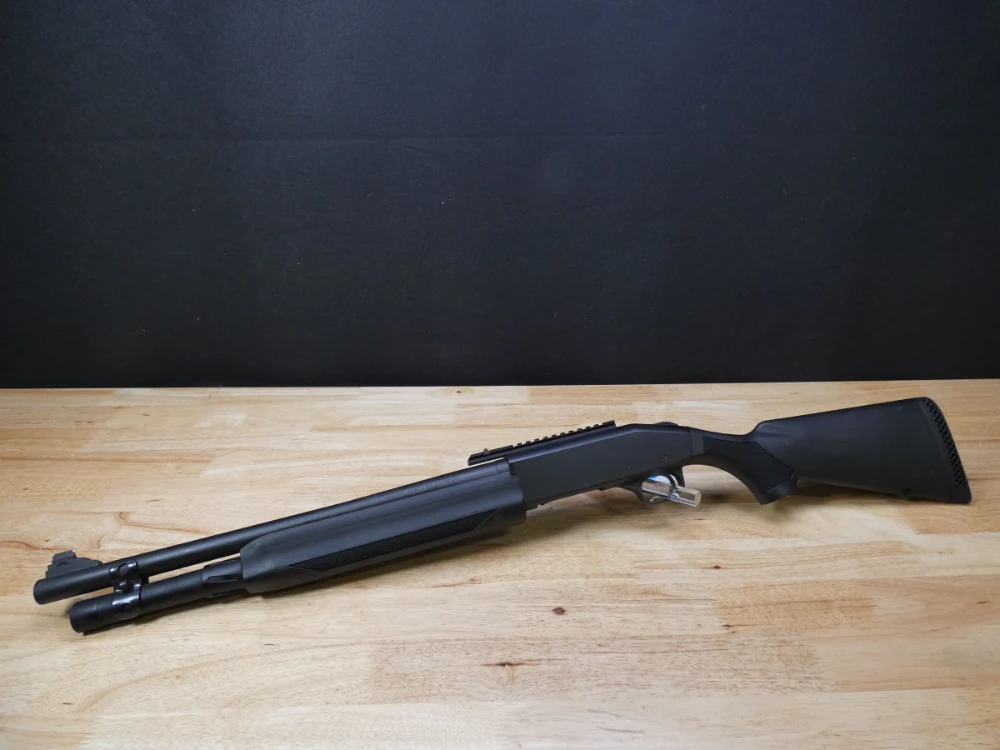
The Mossberg 930 is a versatile 12-gauge semi-automatic shotgun, classified as a long gun and widely respected for its utility in hunting, sport shooting, and tactical applications. As a popular and accessible firearm, its value on the used market is well-established, with new models ranging from approximately $470 for field versions to over $1,100 for specialized variants. Understanding the key factors that influence its resale price is essential for any owner looking to sell.
What Determines Your Mossberg 930’s Worth
The primary determinant of a Mossberg 930’s value is its specific model rather than its production year or generation. Standard field and security models form the baseline of the market, while specialized variants command higher prices due to their enhanced features. For instance, a competition-ready JM Pro-Series model will consistently fetch a higher price than a standard hunting version in similar condition. The average used price for a common 930 falls between $350 and $480, with the JM Pro models occupying the higher end of that spectrum, demonstrating that factory configuration is the most crucial value factor.
2026 Price Breakdown by Generation
Early Production Models
Unlike many firearms where distinct generations dictate value, the Mossberg 930 market does not follow this pattern. There are no official “generations” that collectors or buyers use to assign value. Instead, an early production model is appraised based on the same criteria as a newer one: its specific configuration, condition, and round count. A well-maintained early field model will be valued within the standard used range of $350 to $400, proving that its age is far less important than its functional and cosmetic state. The focus remains squarely on the firearm’s utility and preservation.
The value of these early models is primarily tied to their role as functional shotguns. Standard configurations designed for hunting or general use have a well-established market price that fluctuates more with seasonal demand and overall condition than with its date of manufacture. A prospective buyer is less concerned with whether the shotgun was made in the first few years of production and more concerned with its reliability, the condition of the gas system, and any visible wear. Therefore, pricing should be based on a realistic assessment of its current state and model type.
Mid-Production Field & Security Models
Continuing the trend, mid-production Mossberg 930s are also valued based on their specific model and condition, not their manufacturing era. During this period, various configurations, including different barrel lengths, stock materials, and sight options, were produced. While these features create slight variations in desirability for specific applications, they do not constitute generational shifts in value. A security model with an 18.5-inch barrel will appeal to a different buyer than a field model with a 28-inch barrel, but their base values are comparable when in similar condition, falling within the established market range.
A significant factor that heavily impacts these models is their usage history. A high round count is a major detractor from value, as the Mossberg 930 is known for potential parts breakages, such as extractors and shell stops, after several thousand rounds. While some owners report extensive use without issue, the general consensus among informed buyers is that higher mileage increases the risk of component failure. Consequently, a lightly used mid-production model will always command a higher price than one that shows clear evidence of heavy use, regardless of their identical configurations.
Specialized Variants (JM Pro)
The most significant value differentiation in the Mossberg 930 line comes from its specialized models, most notably the JM Pro-Series. These shotguns are not valued as part of a production generation but as a distinct, premium tier. Designed for competitive shooting, they come from the factory with performance upgrades like beveled loading gates, oversized controls, and different finishes. Because of these features, a used JM Pro-Series consistently commands a higher price, with average values around $480, placing it at the top of the standard used 930 market. This demonstrates a clear case of model-specific value.
The premium attached to the JM Pro and other tactical variants is a direct reflection of their enhanced capabilities and higher initial MSRP. Buyers seeking a competition-ready or home defense shotgun are willing to pay more for these factory-upgraded models rather than purchasing a base model and modifying it themselves. Therefore, when selling a specialized variant, it is crucial to highlight these factory features as they are the primary drivers of its increased worth. The value is in the verified, factory-built performance package, not in a perceived generational improvement over other 930s.
Current & Tactical Models
Current production and tactical models of the Mossberg 930 represent the highest price ceiling for the platform, with new tactical versions costing over $1,100. This higher initial cost naturally translates to a higher resale value on the used market compared to basic field models. These shotguns often include features like Picatinny rails, ghost ring sights, and different stock configurations tailored for defensive use. Their value is derived entirely from these modern, application-specific features. A seller should emphasize these elements, as they are what set the firearm apart and justify a price above the standard used range.
Ultimately, the entire Mossberg 930 family is assessed by its intended purpose, which is defined by the specific model. Whether it’s an early hunting model or a current tactical variant, a buyer evaluates its features against their needs. The market has established clear value tiers based on these factory configurations. A seller who understands this and prices their shotgun based on its model, condition, and round count—rather than a non-existent generational system—will be far more successful in achieving a fair and timely sale. The model is, and will remain, the key to its value.
How Modifications Affect Value
Modifications to a Mossberg 930 often have a neutral or even negative impact on its resale value. While a high-quality aftermarket trigger might improve the shooting experience, it rarely translates to a higher selling price. Most potential buyers prefer the firearm in its original factory configuration, as it provides a known quantity of reliability and performance. Sellers are highly unlikely to recoup the cost of such upgrades, and in some cases, non-factory parts can make a potential buyer hesitant. For this reason, it is strongly recommended to reinstall the original trigger and other factory parts before listing the shotgun for sale.
Similarly, while performance-enhancing additions like optics can make a firearm more appealing, they are not guaranteed value-additions. Upgrading to a quality red dot or holographic sight from a reputable brand like Trijicon, Bushnell, or Burris might attract a buyer looking for a ready-to-use package. However, the added value is subjective and rarely equals the retail price of the optic. Many buyers have their own preferences for sights and may not be willing to pay extra for an accessory they plan to replace, reinforcing the market preference for firearms sold in their original state.
Regional Price Variations in 2026
The value and legality of a Mossberg 930 can be significantly influenced by state and local laws, creating regional price variations. In California, for example, a Mossberg 930 is legal as long as it avoids features that would classify it as a state-defined assault weapon. This typically means it cannot have a detachable magazine or a combination of a folding/telescoping stock and a pistol grip. As a result, only certain configurations of the 930 are permissible for sale, which can concentrate demand on compliant models and affect their market value within the state compared to less restrictive regions.
Similarly, New York’s SAFE Act imposes strict limitations on semi-automatic shotguns. A Mossberg 930 sold in New York cannot have features like a folding or telescoping stock, a thumbhole stock, or a second handgrip. Furthermore, magazine capacity is limited to seven rounds statewide and only five rounds in New York City. These restrictions mean that many tactical or feature-rich 930 models are illegal to sell there, creating a distinct market for compliant versions. This legal landscape directly impacts which models are available and can influence their pricing and desirability within the state’s borders.
Online vs Local Sales
When selling a Mossberg 930 privately, the legal requirements can differ significantly between an online and a local sale. For a local, in-person transaction, a bill of sale is highly recommended to document the transfer of ownership. However, the legal mandates vary widely by state. Some jurisdictions allow private citizens to sell directly to one another with minimal paperwork, while others require that all private firearm sales be conducted through a licensed dealer. This process involves a federal background check (Form 4473), adding a layer of formality and security to the transaction.
Selling a Mossberg 930 to a buyer in another state introduces mandatory federal regulations. It is illegal for a private citizen to directly sell or ship a firearm to a resident of another state. The transaction must be facilitated by a Federal Firearms Licensee (FFL). The seller ships the shotgun to an FFL in the buyer’s state of residence. That FFL then conducts the required background check and legally transfers the firearm to the purchaser, ensuring compliance with all federal, state, and local laws. This non-negotiable process is a key distinction of interstate online sales.
Furthermore, the logistics of shipping a firearm add another layer of complexity to online sales. Major carriers like UPS and FedEx have policies that prohibit private, non-licensed individuals from shipping firearms. To legally ship a Mossberg 930, the private seller must take the firearm to an FFL, who will then handle the packaging and shipping to the buyer’s designated FFL. While federal law permits individuals to ship long guns, these restrictive carrier policies effectively mandate the use of a licensed dealer for shipping, adding time and cost to the online selling process.
The FFL Buying Advantage
Selling your Mossberg 930 to a Federal Firearms Licensee (FFL), such as a local gun store, offers a distinct advantage in convenience and legal security, though it comes at a financial cost. Dealers typically offer a trade-in or cash value that is approximately 65% of the firearm’s private party market value. This lower offer reflects the dealer’s need to cover overhead, process paperwork, and ultimately resell the shotgun for a profit. For a seller who prioritizes a fast, simple, and legally sound transaction over maximizing their return, selling to an FFL is an excellent option.
The primary benefit of using an FFL is the complete transfer of liability and the elimination of logistical hassles. The dealer handles all required paperwork and assumes responsibility for ensuring the firearm is sold to a legally eligible buyer. This absolves the seller from the need to navigate complex state laws, verify a private buyer’s identity and eligibility, or deal with the complexities of shipping. The trade-off for the lower price is immediate payment and peace of mind, knowing the transaction was completed in full compliance with all federal and state regulations.
What Increases Your Offer
A thorough pre-sale cleaning is one of the most effective ways to increase the perceived value of your Mossberg 930. Pay close attention to the areas prone to carbon buildup, such as the barrel, chamber, and especially the gas system’s piston rings and cylinder. Presenting a clean, well-maintained firearm suggests to a potential buyer that it has been cared for. A common mistake to avoid during this process is losing small parts from the trigger assembly; be cautious during disassembly and avoid turning it upside down. After cleaning, apply a light coat of oil to all metal surfaces to prevent rust.
High-quality photography is crucial for commanding a higher price, particularly in online listings. Use bright, natural light and avoid a direct flash, which creates glare and hides detail. Place the shotgun on a simple, neutral background that provides good contrast. Before taking pictures, ensure the firearm is wiped clean of any dust or fingerprints. Take numerous clear, well-focused photos from multiple angles, including close-ups of any markings, the action, the bore, and any modifications or areas of wear. This transparency builds buyer confidence and accurately represents the shotgun’s true condition, justifying your asking price.
Maximizing your offer often means presenting the firearm as close to its original factory state as possible. If you have installed aftermarket components, such as a different trigger or stock, consider reinstalling the original parts before the sale. Most buyers prefer the factory configuration, and you are unlikely to recoup the cost of your upgrades. Including the original box, owner’s manual, and any included accessories like choke tubes also adds significant appeal. A complete, original package is always more attractive to buyers and can help you secure a better offer than an incomplete or heavily modified firearm.
When to Sell Your Mossberg 930
Timing the sale of your Mossberg 930 can have a tangible impact on the final price you receive. As a popular hunting shotgun, it experiences a predictable increase in demand during specific seasons. The best time to sell is typically from late summer through the fall. During this period, hunters are actively preparing for upcoming seasons and are in the market for reliable firearms. Listing your shotgun during this peak window increases the pool of potential buyers and can lead to a faster sale at a more favorable price point due to heightened market activity.
Conversely, certain times of the year are known to be slower for firearm sales, which can result in lower offers. January, immediately following the holiday season, and the late summer months just before the hunting rush begins are frequently cited as slower periods. However, another favorable window for selling exists from February to June. This period often coincides with buyers receiving tax refunds and the arrival of warmer weather, which encourages more participation in shooting sports. For a versatile shotgun like the 930, this spring season can also be an advantageous time to sell.
Beyond seasonal trends, it is wise to consider the broader market environment. The release of a new, highly anticipated shotgun model from Mossberg or a competitor can sometimes temporarily soften demand for older models like the 930. On the other hand, selling during periods of high general demand for semi-automatic long guns, often driven by external events or proposed legislation, can be highly beneficial. Paying attention to these larger market currents, in addition to seasonal demand, allows a seller to strategically time their sale for the best possible outcome.
Common Pricing Mistakes
One of the most significant pricing mistakes a seller can make is failing to account for a high round count. The Mossberg 930 is known for potential component wear, and informed buyers will scrutinize the firearm for signs of extensive use. Because parts like extractors and shell stops can fail after several thousand rounds, a shotgun with high mileage carries a greater risk for the buyer. Overlooking this factor and pricing a heavily used 930 the same as a lightly used example will deter knowledgeable buyers and likely result in a failed sale or forced price reduction.
Another common error is investing in a professional appraisal for a standard Mossberg 930. The market value for these common shotguns is well-established and can be easily researched online, with typical values ranging from approximately $275 to $450. A formal appraisal is an unnecessary expense, as its cost could represent a significant percentage of the firearm’s total value. Relying on current market data from online forums and sales listings is a far more cost-effective and accurate method for determining a fair asking price for a standard model.
Attempting to add the cost of aftermarket modifications to the shotgun’s base price is a frequent and flawed strategy. Sellers often believe that upgrades, such as an expensive trigger or stock, should increase the resale value by the amount they paid for them. However, the market consistently shows that most buyers prefer the original factory configuration. Modifications are a matter of personal taste and rarely add monetary value. Pricing your 930 as “stock value plus cost of mods” will almost certainly lead to it being overpriced compared to comparable firearms on the market.
Market Outlook for 2026
Predicting the future value of any firearm with certainty is difficult, and there is no clear industry consensus on the Mossberg 930’s price trajectory for 2026. Its value will likely be tied to broader economic factors, such as inflation, and the overall health of the firearms market. Potential legislative changes at the federal or state level concerning semi-automatic shotguns could also play a significant role, either increasing demand due to purchasing urgency or decreasing it through new restrictions. As such, its future value remains subject to these external pressures.
Despite the lack of a formal prediction, the Mossberg 930’s established position as a reliable and affordable semi-automatic shotgun suggests its value will remain relatively stable. It is not a collector’s item expected to appreciate significantly, but its popularity and utility ensure it will hold its value well compared to its initial purchase price. Standard models will likely continue to be a sought-after option on the used market for hunters and sport shooters, maintaining a consistent demand that should prevent any drastic depreciation, barring major market shifts or the release of a revolutionary successor model.
Frequently Asked Questions
Does the specific model of a Mossberg 930 matter more than its age?
Yes, absolutely. The market value of a Mossberg 930 is primarily determined by its specific model and factory configuration, not its production date. A specialized, competition-oriented model like the JM Pro-Series will consistently be valued higher than a standard field model of the same age and in similar condition. Used JM Pro variants average around $480, while standard models typically fall in the $350 to $400 range. This price difference is based entirely on the factory-installed performance features, which buyers value more than the firearm’s manufacturing year.
How much does a high round count devalue a Mossberg 930?
While there is no fixed dollar-for-round formula, a high round count significantly devalues a Mossberg 930. This is because the platform is known for potential breakages of key components like extractors and shell stops after several thousand rounds of use. An informed buyer will factor in the potential cost and hassle of replacing these parts. Consequently, a shotgun showing clear signs of extensive use will command a substantially lower price than a “like new” or lightly used counterpart, as the perceived reliability and remaining service life are diminished.
Is it worth getting my Mossberg 930 professionally appraised before selling?
No, a professional appraisal is generally not worth the cost for a standard used Mossberg 930. The market value for these common and widely available shotguns is well-established and can be easily researched through online marketplaces and forums, with values typically ranging from $275 to $450. The fee for a formal appraisal would likely be a significant percentage of the shotgun’s total value, making it an unnecessary and inefficient expense. A realistic price can be determined by comparing your firearm’s model and condition to recent sales of similar shotguns.
Will adding an expensive red dot sight increase my 930’s resale price?
Generally, it will not increase the monetary value, at least not by the cost of the optic. While a quality red dot sight from a brand like Trijicon or Burris can make the firearm package more appealing to a specific buyer, you are unlikely to recoup the full price of the accessory. Most buyers prefer a firearm in its original factory configuration and may have their own optic preferences. The addition is best viewed as a performance enhancement that can help your listing stand out, rather than a guaranteed value-add that increases the cash price.
Is the Mossberg 930 considered an NFA item?
In its standard factory configuration, the semi-automatic Mossberg 930 is a long gun and is not classified as an NFA (National Firearms Act) item. However, its legal status can be altered through modification. If the barrel is legally shortened to less than 18 inches, the firearm becomes a Short-Barreled Shotgun (SBS). An SBS is a federally regulated NFA firearm that requires registration with the ATF and the purchase of a tax stamp. This modification fundamentally changes its legal classification, value, and the process required to sell or transfer it.
Get a Cash Offer Today
Ready to sell your Mossberg 930? We make the process simple and secure. Submit your firearm’s details on our website to receive a fair, no-obligation cash offer. We handle all the paperwork and legal requirements, ensuring a hassle-free transaction from start to finish.
Don’t deal with the uncertainty of private sales or the low offers from local shops. Our streamlined process is designed to get you the best possible price for your firearm quickly and conveniently. Click here to see what your Mossberg 930 is worth and get your offer today.