
The Remington 700 stands as an icon in the world of bolt-action rifles, renowned for its accuracy and versatility since its introduction. Its value on the secondary market is influenced by a combination of its specific model, condition, caliber, and any modifications. Understanding these key factors is crucial for any owner looking to sell, as they determine whether your rifle is a standard hunting tool or a premium precision instrument, with prices varying significantly across its many configurations.
What Determines Your Remington 700’s Worth
The primary determinant of a Remington 700’s worth is its specific model, followed closely by its condition and caliber. The vast lineup includes everything from basic hunting configurations to high-end long-range and tactical variants, creating a wide valuation spectrum. For instance, a new Remington 700 can have an MSRP ranging from approximately $740 to over $2,200. This variance is mirrored in the used market, where a common model like the 700 ADL might fetch an average price of around $490, while more specialized or deluxe versions command significantly higher prices, reflecting their original cost and features.
2026 Price Breakdown by Generation
Base Models (SPS, ADL)
The value of a Remington 700 is primarily driven by its specific model rather than its manufacturing generation. At the entry-level, models like the SPS (Special Purpose Synthetic) and ADL are valued for their utility and affordability, with the SPS typically priced around $560 and a used ADL averaging $490. These rifles serve as the workhorses of the 700 lineup, featuring simpler synthetic stocks and matte finishes. Their value is anchored in their reputation as a reliable and accurate platform, making them popular choices for first-time hunters or as a solid foundation for custom rifle builds.
The consistent demand for these base models ensures they hold their value reasonably well. Buyers are attracted to their no-frills performance and the extensive aftermarket support available for the Model 700 action. While they lack the refined features of more expensive variants, their accessibility and proven design make them a liquid asset in the used firearms market. Condition remains a key factor, but even a well-used example retains a core value due to the strength of the underlying action, which is highly prized by shooters and custom builders alike.
Tactical and Specialized Models (SPS Tactical)
Stepping up from the base models, variants like the Remington 700 SPS Tactical command a higher value, typically around $649. This price increase is justified by factory upgrades tailored for precision shooting, such as a heavier contour barrel for improved accuracy and heat dissipation, and often a more ergonomic stock. These features appeal to a market segment that desires enhanced performance out of the box without immediately needing to invest in aftermarket components. The value here is directly tied to tangible performance-enhancing features that distinguish it from a standard hunting configuration.
The market for these specialized models is robust, as they bridge the gap between a basic rifle and a full custom build. Their value is maintained because they offer a cost-effective entry point into tactical or long-range shooting. A seller with an SPS Tactical can expect strong interest, as buyers recognize the added value in the factory-installed upgrades. The rifle’s worth is less about its age and more about the specific package of features it offers, which provides a clear advantage over the more sporter-focused base models in the lineup.
Classic Deluxe Models (CDL, BDL)
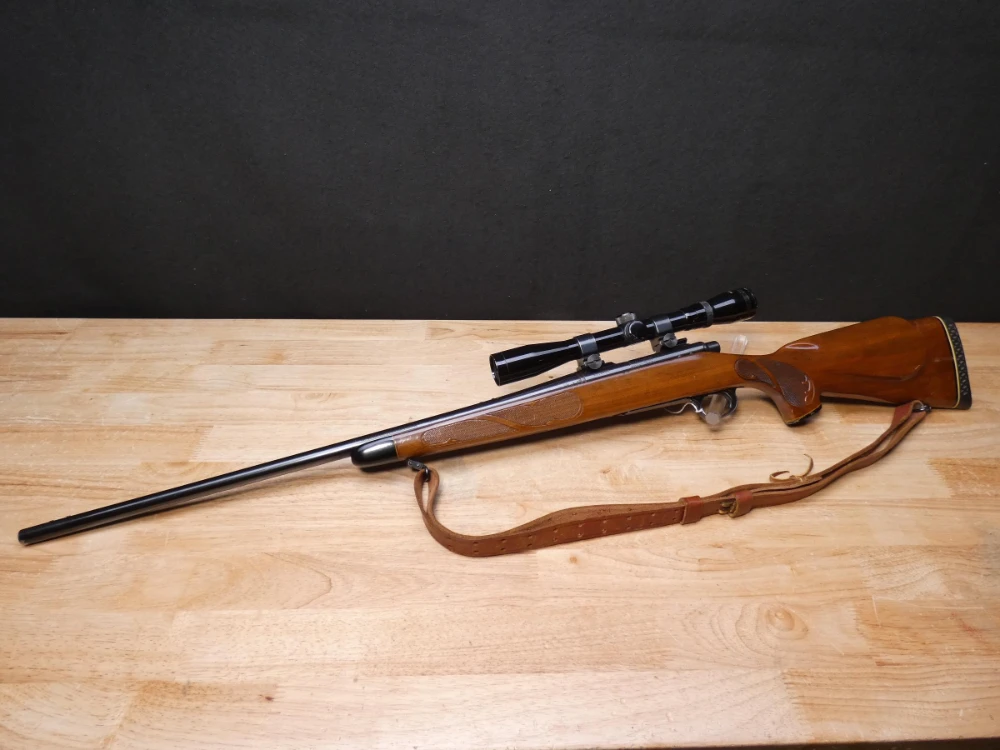
The classic deluxe models, such as the 700 BDL (B-grade Deluxe) and CDL (Classic Deluxe), occupy a higher tier in the valuation hierarchy, with approximate values of $953 and $908 respectively. These models are distinguished by their aesthetic and material upgrades over the standard synthetic versions. Features like high-gloss or satin-finished walnut stocks, polished blued steel, and traditional design elements like jeweled bolts and hinged floorplates contribute directly to their increased worth. These rifles appeal to traditionalists and collectors who appreciate fine craftsmanship alongside proven performance.
The resale value of BDL and CDL models is strongly supported by their visual appeal and perceived quality. A well-maintained example with pristine wood and deep, unscratched bluing will always command a premium. Buyers for these models are often willing to pay more for the classic “look and feel” that synthetic stocks cannot replicate. Therefore, the condition of the wood and metal finish is paramount in achieving the highest possible price, as any significant cosmetic damage can disproportionately reduce their value compared to their utilitarian counterparts.
Premium and Stainless Models (CDL SF)
At the upper end of the factory production spectrum, premium models like the Remington 700 CDL SF (Classic Deluxe Stainless Fluted) can reach values of approximately $1,134. This significant price point is a direct result of its premium features, most notably the use of stainless steel for the barreled action and a fluted barrel. These elements offer superior weather resistance and a slight weight reduction, making the rifle highly desirable for hunters and shooters who operate in harsh environments. The “SF” designation immediately signals a higher-grade firearm to knowledgeable buyers.
The value of these premium models is well-retained due to their enhanced durability and performance characteristics. The investment in stainless steel is a practical upgrade that buyers are willing to pay for, ensuring the rifle’s longevity and reliability against the elements. When selling a CDL SF, its condition is still crucial, but the intrinsic value is higher from the start. These models represent the pinnacle of Remington’s standard production quality, and their worth on the used market reflects their status as a top-tier, highly functional, and durable hunting rifle.
How Modifications Affect Value
When it comes to modifying a Remington 700, certain upgrades are widely seen as beneficial and are unlikely to hurt its resale value. The most common and accepted improvement is upgrading the factory trigger. Installing a high-quality aftermarket trigger from a reputable brand such as Timney, Jewell, or TriggerTech is generally considered a significant enhancement. Shooters actively seek out these triggers to improve accuracy and consistency, so a rifle with one of these professionally installed will be more attractive to discerning buyers and can often command a higher price than a stock equivalent.
While a quality trigger is a safe bet, the market consensus on other modifications adding monetary value is less clear. The return on investment for custom stocks, aftermarket barrels, or specialized optic mounting systems can vary dramatically. The value of such upgrades is highly subjective and depends on the quality of the parts, the gunsmith’s workmanship, and the specific preferences of the potential buyer. A modification that one shooter sees as a premium upgrade, another might view as an undesirable change, making it difficult to state definitively which mods consistently increase the cash value of the rifle.
Regional Price Variations in 2026
The Remington 700’s value benefits from its broad legality across the United States. As a manually operated bolt-action rifle, it is generally not subject to the “assault weapon” feature-based restrictions that impact many semi-automatic rifles in states like California and New York. For example, it is not regulated by New York’s SAFE Act. This widespread acceptance ensures a stable national market, preventing the kind of regional value suppression seen with other types of firearms. A seller in a restrictive state can typically expect to get a similar price as a seller in a more permissive one.
However, while the rifle itself is usually legal at the state level, localized regulations can still play a role in its valuation. Specific jurisdictions, particularly large urban centers like New York City, may impose their own stricter rules, such as limitations on magazine capacity for models that accept detachable magazines. These local ordinances can affect the desirability and thus the value of certain configurations within that specific area. Sellers must be aware of not only state laws but also any municipal codes that could impact the legal transfer and ownership of their particular Remington 700 model.
Online vs Local Sales
When selling a Remington 700 privately, the process differs significantly between a local and an online transaction. For a local, in-state sale, federal law does not require specific paperwork, though a bill of sale is highly recommended to document the transfer of ownership for the protection of both parties. However, it is critical to be aware of state and local laws, as many jurisdictions now mandate that all private firearm sales must be conducted through a Federal Firearms Licensee (FFL), which involves the same federal paperwork as a dealer sale.
Selling online to an out-of-state buyer introduces more stringent logistical requirements. Due to the corporate policies of major carriers like UPS and FedEx, private individuals are now prohibited from shipping firearms. This means a private seller must take their rifle to a local FFL, who will then ship it to the buyer’s designated FFL. This FFL-to-FFL transfer is the only federally compliant method for interstate sales and adds extra steps and costs to the process. The package must be declared as a firearm to the carrier but cannot have any external markings indicating its contents.
Alternatively, selling directly to a local gun dealer offers convenience at the cost of a lower return. A dealer will typically offer between 50% and 65% of the rifle’s private sale market value. This price difference allows the dealer to cover business overhead and still make a profit, which is often targeted at a minimum of 20-25% on used firearms. While you receive less money, you gain the advantage of a quick, simple, and legally compliant transaction without the complexities of finding a private buyer and navigating transfer laws.
The FFL Buying Advantage
Utilizing a Federal Firearms Licensee (FFL) is not just an advantage but a legal necessity for any interstate firearm transaction. When you sell your Remington 700 to a buyer who resides in a different state, federal law strictly prohibits you from shipping the rifle directly to their home. The law mandates that the firearm must be shipped to an FFL in the buyer’s state of residence. This rule ensures that the transfer is handled by a licensed professional who can verify the legality of the sale and the eligibility of the purchaser.
Once the rifle arrives at the buyer’s chosen FFL, the buyer must complete the transfer process in person. This involves filling out ATF Form 4473 and undergoing a National Instant Criminal Background Check System (NICS) check. Only after successfully passing the background check can the buyer legally take possession of the Remington 700. This regulated process provides a crucial layer of legal protection for the seller, creating an official record of the transfer and confirming that the firearm was transferred to a person legally permitted to own it.
What Increases Your Offer
A thorough pre-sale cleaning is one of the most effective ways to increase the appeal and value of your Remington 700. Before taking photos or showing it to a potential buyer, meticulously clean the bore, chamber, and action to ensure it not only looks good but is also in perfect working order. Wipe down all exterior metal and wood surfaces to remove any oil, fingerprints, and dust. A common mistake to avoid is over-lubricating the rifle after cleaning; excess oil can attract dirt and grime, giving the firearm a messy appearance during inspection.
Exceptional photography is non-negotiable for maximizing your offer, especially in an online sale. Use ample, soft natural light and a simple, uncluttered background to make the rifle stand out. Capture numerous high-resolution images from all angles, including close-ups of the muzzle, bolt face, receiver markings, and any unique features or modifications. It is also crucial to transparently photograph any cosmetic blemishes or wear. Clear, honest photos build buyer confidence and demonstrate that the rifle is worth your asking price, reducing haggling and leading to a faster, more profitable sale.
While the market does not assign a specific dollar penalty for missing items, presenting your Remington 700 as a complete package can significantly increase its desirability. If you have the original box, owner’s manual, factory-included scope mounts, or other accessories, be sure to include them in the sale. This suggests that the firearm has been well-maintained and cared for. A complete set differentiates your listing from others and can be the deciding factor for a buyer, often helping you secure your full asking price and facilitating a quicker transaction.
When to Sell Your Remington 700
Timing your sale can have a notable impact on the level of interest and the final price you receive for your Remington 700. Market data suggests two primary periods of increased buyer activity during the year. The first is the holiday season, running from mid-November through mid-January, when individuals may be spending gift money or holiday bonuses. The second key window is tax return season, from February through April, as many people have more disposable income after receiving their tax refunds, leading to a surge in spending on discretionary items like firearms.
While these seasonal trends can be beneficial, they are often overshadowed by the more powerful influence of the political climate. Election years, in particular, or periods when new firearm legislation is being publicly debated, can create significant spikes in demand. Fear of future restrictions often drives consumers to purchase firearms, increasing market prices and creating a seller’s market. An informed seller who monitors political events can often leverage these periods of heightened demand to achieve a much higher sale price than what would be possible during a typical season.
Ultimately, the best time to sell is when you are fully prepared and the market conditions align with your goals. Selling during a peak season or a politically charged period can be advantageous, but only if you have taken the time to properly clean your rifle, take high-quality photographs, and research its current market value. A well-presented firearm will always attract serious buyers, regardless of the time of year, but aligning that preparation with periods of peak demand provides the greatest opportunity to maximize your financial return.
Common Pricing Mistakes
One of the most common and unnecessary mistakes owners make is paying for a professional appraisal on a standard-production Remington 700. For common models, the value is well-established and can be accurately determined for free by researching comparable sales on major online gun marketplaces. A formal appraisal might be warranted for a rare or highly customized version, but for a typical model like an ADL or SPS, which has a clear market value between $300 and $800 depending on condition, the appraisal fee is an avoidable expense that cuts into your final profit.
Another frequent error is improperly accounting for cosmetic damage. While there isn’t a standardized deduction chart for dings, scratches, or finish wear, sellers often either ignore these flaws or fail to adjust their price realistically. Buyers will scrutinize a used rifle and will expect a discount for visible imperfections. Overlooking or failing to be transparent about cosmetic issues will deter knowledgeable buyers and leave your rifle on the market for an extended period. A realistic assessment of the rifle’s condition is essential for setting a fair price that will attract a quick sale.
Misunderstanding the impact of round count is another pricing pitfall. There is no clear market consensus on how a high round count affects the value of a Remington 700, as barrel life depends heavily on the specific caliber and how the rifle was used. A mistake is to either panic about a high round count or to ignore it completely. Instead of focusing solely on the number, sellers should emphasize the rifle’s current state of accuracy and the condition of the bore. Honesty about its history, paired with proof of its current performance, is more valuable to a buyer than a simple number.
Market Outlook for 2026
Forecasting the precise market value of the Remington 700 for 2026 is an inherently speculative endeavor, as there is no industry consensus on future price movements. The firearms market is notoriously volatile and subject to a multitude of unpredictable factors, including shifts in the political climate, changes in firearms legislation, and broader economic trends. These variables make it impossible to definitively state whether the value of a used Remington 700 will increase or decrease, as market conditions can change rapidly and without warning, directly impacting supply and demand.
Despite this uncertainty, the Remington 700’s foundational strengths suggest it will retain a strong position in the used market. Its decades-long reputation for accuracy, reliability, and immense aftermarket support ensures it remains a desirable platform for hunters, sport shooters, and custom builders. This enduring popularity provides a stable floor for its value. While short-term prices will inevitably fluctuate with market pressures, the fundamental demand for the Model 700 action and its various factory configurations is unlikely to diminish significantly, ensuring it remains a relevant and valuable firearm.
Frequently Asked Questions
Does the caliber of my Remington 700 affect its value?
Yes, the caliber of your Remington 700 can have a significant impact on its resale value and marketability. Widely popular and available cartridges like .308 Winchester, .30-06 Springfield, and .270 Winchester tend to have broad appeal, ensuring a large pool of potential buyers and a stable value. Conversely, rifles chambered in currently trending or high-performance calibers like 6.5 Creedmoor or .300 Winchester Magnum may command a premium from buyers seeking specific long-range capabilities. Less common or obscure calibers might narrow the market, potentially requiring a lower price to attract a buyer.
Will I get more money if I sell my rifle with the scope?
Including a scope can be a double-edged sword and does not guarantee a higher net return. If the scope is a high-quality, desirable brand like Leupold, Vortex, or Nightforce, it may make the package more attractive. However, you will rarely recoup the full retail value of the optic in a package deal. Many experienced shooters have specific preferences and may prefer to buy the rifle alone. It is often more financially advantageous to sell the rifle and the scope separately, allowing each item to be priced according to its own market value.
How much does the specific model (e.g., ADL vs. CDL) impact the price?
The specific model is one of the most critical factors determining a Remington 700’s value. A utilitarian base model like an ADL or SPS with a synthetic stock will always be on the lower end of the price range. In contrast, a premium model like a CDL, which features a polished blued finish and a high-grade walnut stock, will command a substantially higher price. This difference is directly tied to the materials, finish, and features offered from the factory, which established a higher initial MSRP and translates to a higher value on the used market.
Is an older Remington 700 worth more than a new one?
Generally, value is tied more to the specific model and its condition than its age alone. However, there is a segment of the market that places a premium on older, “pre-Freedom Group” rifles manufactured before 2007, citing a perceived higher quality of fit and finish. A pristine example from this era can sometimes fetch a higher price than a comparable new model. Ultimately, a new, modern rifle with desirable features will typically be valued higher than a heavily used older rifle, but a well-preserved vintage model can be highly sought after by collectors and enthusiasts.
Does not having the original box and paperwork hurt the value?
For a common, standard-production Remington 700, the absence of the original box and paperwork is unlikely to significantly decrease its monetary value. Most buyers of standard hunting rifles are focused on the firearm’s condition and functionality. However, including these items can enhance the overall package, making your rifle seem more complete and well-cared-for, which can lead to a faster sale at your asking price. For any limited edition, commemorative, or particularly rare models, the original box and documents become far more important and can substantially increase the firearm’s collectible value.
Get a Cash Offer Today
Ready to sell your Remington 700? We take the guesswork out of the process. Our streamlined system ensures you receive a fair, competitive cash offer based on the current market value of your specific model and its condition. Avoid the hassle of private listings and shipping complexities.
Simply submit the details of your firearm, and our team of experts will provide you with a prompt and transparent valuation. The process is safe, legal, and designed to get you paid quickly. Click here to begin and discover what your Remington 700 is truly worth today.