
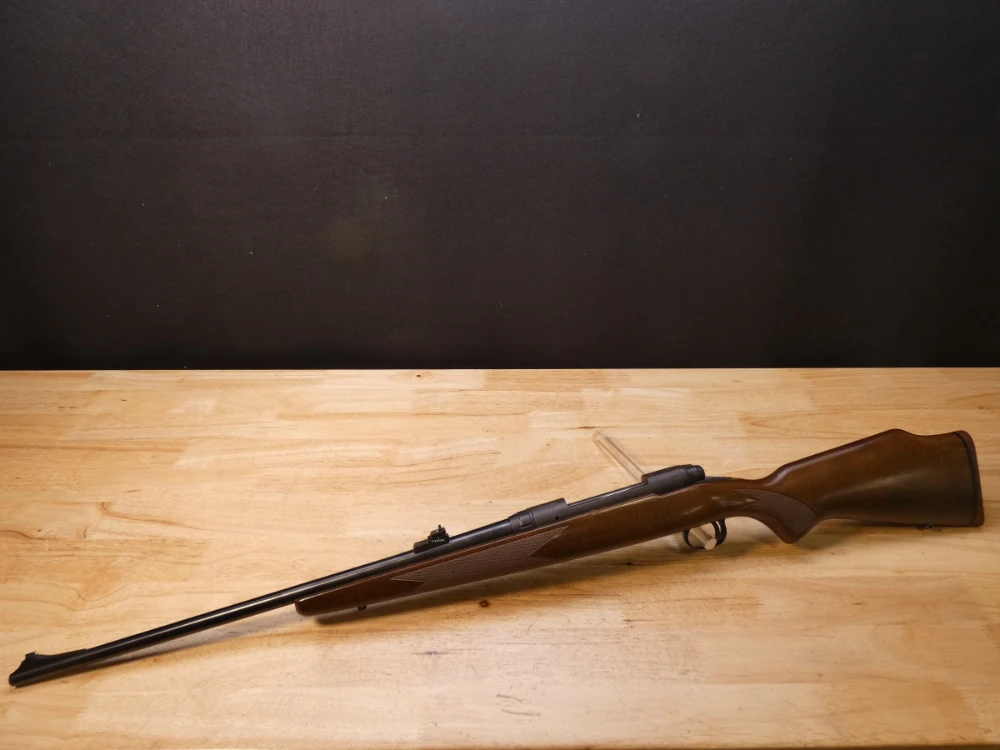
The Savage 10/110 series stands as a cornerstone of the bolt-action rifle market, prized for its accuracy, reliability, and value. Primarily classified as a long gun, its worth is determined by factors including its specific configuration, action length, and overall condition. With variants ranging from standard hunting rifles to the specialized 110 PCS bolt-action handgun, understanding these key differences is crucial for any owner looking to assess their firearm’s current market price and potential resale value.
What Determines Your Savage 10/110’s Worth
The primary drivers of a Savage 10/110’s value are its physical condition and mechanical integrity. Cosmetic appearance plays a significant role; a rifle with heavy damage, placing it in a “Fair” condition rating, can see its price reduced by 30% to 50% compared to one in “Excellent” condition. Furthermore, while a high round count can diminish accuracy due to throat erosion, it doesn’t catastrophically devalue the rifle. The Savage 110 action is a robust platform, and since barrels are easily replaceable, the impact on value is often limited to the cost of a new barrel and its installation.
2026 Price Breakdown by Generation
Short Action Models (Savage 10)
A key value driver for this platform is not generational change but action length. The Savage Model 10 is the short-action variant, designed for popular cartridges like the .308 Winchester. This configuration provides a slightly shorter bolt throw and a more rigid receiver, which is highly desirable for certain precision shooting disciplines and hunting applications. Its value is assessed separately from its long-action sibling, as it caters to a specific segment of the market that prioritizes the benefits of a compact and efficient short-action design, influencing its demand and resale price.
According to pricing data from late 2025, a new Savage 10 holds an average value of approximately $491, while a used model is valued closely at $483, demonstrating excellent value retention. This stability is notable within the broader Savage 10/110 category, where the average used price has fluctuated between $452 and $511 over the last year. The consistent pricing of the Model 10 underscores its steady demand among shooters who specifically seek out the performance characteristics inherent in a short-action platform, making it a reliable asset in the used firearms market.
Long Action Models (Savage 110)
The Savage 110 is the quintessential long-action model, built to accommodate larger and more powerful cartridges such as the .30-06 Springfield and .300 Winchester Magnum. This capability makes it an exceptionally versatile choice for North American big-game hunting, significantly broadening its appeal. The action length is a more critical value determinant than minor year-to-year updates, as it directly dictates the rifle’s potential chamberings and, consequently, its suitability for various hunting pursuits. This versatility is a major factor that underpins its market value and widespread popularity among sportsmen.
While data for the 110 is often combined with the 10, the blended category shows an average new price of around $595 and a used price of $479. The higher new price point suggests that long-action models, with their broader caliber options, often start at a higher MSRP. A common used Savage 110 typically fetches an average price of about $540, with the final value depending heavily on its specific chambering, features, and overall condition. This positions the long-action 110 as a consistently valuable and sought-after rifle in the secondhand market.
Specialty & Precision Models
Beyond the standard hunting configurations, the Savage 110 platform extends into the high-performance realm with models like the 110 Precision and 110 Elite Precision. These rifles are factory-built for long-range competitive shooting, featuring heavy-contour barrels, fully adjustable chassis systems, and other enhancements that deliver superior accuracy. These factory upgrades place them in a different value tier entirely, appealing to a niche market of dedicated marksmen who demand peak performance. Their value is driven by these specialized features rather than the base model’s utility, commanding a significant premium.
Reflecting their advanced capabilities, the manufacturer’s suggested retail price for these specialized variants can range from the high hundreds to over $2,000. This elevated initial cost translates directly to a higher resale value. While a standard used 110 might sell for around $500, a used 110 Precision model will command a substantially higher price. Its value is benchmarked against other precision rifles, not standard hunting guns, making it a distinct and more valuable asset within the Savage 110 family and the broader resale market.
Pistol & NFA Variants (110 PCS)
The Savage 110 platform’s versatility is showcased in unique configurations like the 110 PCS (Pistol Chassis System), which is legally classified as a bolt-action handgun. This model, along with any custom short-barreled rifle (SBR) builds based on the 110 action, is regulated under the National Firearms Act (NFA). This special legal status creates a distinct market and value proposition. These firearms are not considered typical long guns, and their transfer process is more complex, which isolates their value from the trends affecting standard hunting rifles and appeals to a very specific collector and enthusiast audience.
The NFA designation means that a transfer requires additional paperwork, a $200 tax stamp, and significant ATF processing times. This complexity creates a smaller, more dedicated market. Consequently, the value of a 110 PCS is influenced more by the demand within the NFA community than by general firearm market trends. Sellers must factor in the intricacies of a legal NFA transfer, as the process itself can influence a buyer’s willingness to pay a premium for these unique and highly regulated firearms.
How Modifications Affect Value
Modifications to a Savage 10/110 can significantly influence its resale value, though not always as the owner might expect. One of the most common and widely accepted upgrades is replacing the factory trigger. Installing a quality aftermarket trigger is almost universally viewed as a substantial improvement over the stock AccuTrigger. Because this enhancement directly improves the rifle’s shootability and is highly desirable among enthusiasts, it is very unlikely to harm the firearm’s value. While it may not add the full cost of the part to the final price, it can make the rifle sell faster and for a better price.
Although specific data on which modifications add the most value is currently unavailable due to a data retrieval error, general principles still apply. Functional upgrades that improve accuracy or ergonomics, such as professional bedding jobs or high-quality aftermarket stocks, are typically well-received. Conversely, irreversible or highly personal alterations like custom paint jobs or amateur gunsmithing can severely detract from the value. Sellers should remember that the market for heavily customized firearms is smaller, and they may not recoup their full investment in such modifications upon resale.
Regional Price Variations in 2026
The Savage 10/110 enjoys relatively stable value across the United States, largely because its bolt-action design exempts it from many of the “assault weapon” restrictions that impact semi-automatic rifles in states with strict gun laws. In California, for example, retailers commonly offer “California Legal” versions of the 10/110. These models comply with state regulations, such as having a magazine capacity of 10 rounds or less, ensuring a consistent and legal market for the rifle within the state without the need for significant modifications that could alter its value.
Similarly, New York’s SAFE Act primarily targets features common on semi-automatic rifles, such as pistol grips and threaded barrels on non-compliant configurations. Most Savage 10/110 models do not possess these restricted features, making them fully compliant and readily available in the state. This broad legality means that regional price fluctuations are more likely to be influenced by local market factors, such as hunting season demand or economic conditions, rather than a patchwork of prohibitive state laws. This consistency helps maintain a predictable national baseline value for the firearm.
Online vs Local Sales
When selling a Savage 10/110 locally, the transaction can be relatively straightforward, depending on state regulations. A private sale often utilizes a bill of sale to document the transfer of ownership. This document typically records the names and addresses of the buyer and seller, as well as the firearm’s essential details like its make, model, caliber, and serial number. It is imperative for both parties to thoroughly research and adhere to their state and local laws to ensure the private transfer is conducted legally and responsibly.
Selling online to a buyer in another state requires adherence to strict federal laws. A private seller cannot ship a firearm directly to an out-of-state buyer. Instead, the seller must ship the rifle to a Federal Firearms Licensee (FFL) located in the buyer’s state of residence. That FFL will then conduct the mandatory background check on the buyer before legally transferring the firearm. This federally mandated process adds shipping costs and FFL transfer fees, which should be factored into the final sale price and agreed upon beforehand.
Shipping the firearm also comes with its own set of rules. Federal law mandates that the seller must provide written notification to the common carrier (like UPS or FedEx) that the shipment contains a firearm. It is also crucial to be aware that both of these carriers have corporate policies that may restrict firearm shipments to FFL holders only. For safety and security, the rifle must be shipped unloaded, separate from any ammunition, and in a discreet package with no external markings indicating its contents.
The FFL Buying Advantage
Opting to sell your Savage 10/110 to a Federal Firearms Licensee (FFL) provides a path of maximum convenience and legal security. This route eliminates the uncertainties and potential risks associated with finding a private buyer, verifying their eligibility, and navigating local transfer laws. The FFL, typically a gun store, handles all required paperwork and assumes all liability for the firearm upon purchase. For sellers who value a quick, guaranteed, and hassle-free sale, transacting with an FFL is often the most advantageous choice, ensuring the process is both simple and compliant.
The clear trade-off for this convenience is a lower cash offer compared to what might be achieved in a private sale. Dealers must account for business overhead, shelf time, and profit margin, so they typically offer between 50% and 65% of a firearm’s private market value. For a Savage 110 rifle, the estimated trade-in value is around 65% of its private party price. This means if your rifle is worth $500 in a private sale, you can reasonably expect a dealer to offer approximately $325 for it.
What Increases Your Offer
To secure the best possible offer for your Savage 10/110, presentation is key. Before listing it for sale, conduct a thorough pre-sale cleaning. After ensuring the rifle is completely unloaded, meticulously clean the barrel, breech, and bolt to remove all carbon fouling, copper residue, and dirt. A firearm that is clean and well-maintained is immediately more appealing to prospective buyers, as it suggests proper care and reliable function, which can directly translate into a higher offer and a more confident purchase for the buyer.
If you are selling online, high-quality photographs are absolutely essential. Use a simple, neutral background that won’t distract from the rifle, and utilize soft, natural light to avoid harsh glare and shadows. Capture sharp, high-resolution images from various angles, including full-length shots of both sides and detailed close-ups of the receiver markings, bolt face, and muzzle crown. Using a tripod will help ensure clarity and professionalism, making your listing stand out and command a better price. For many platforms, using a square aspect ratio for photos is ideal.
While a definitive market consensus on the value penalty for missing original components is not available, retaining all factory items is a proven strategy to maximize your offer. This includes the original box, owner’s manual, lock, and any other accessories that came with the rifle. A complete package is far more attractive to discerning buyers and collectors, as it demonstrates care and completeness. This attention to detail can set your rifle apart from others on the market and help justify a price at the top end of its value range.
When to Sell Your savage 10 110
Strategically timing the sale of your Savage 10/110 can have a direct and positive impact on the final price you receive. One of the most opportune times to sell is during tax return season, which generally runs from February through April. During this window, many consumers have more disposable income and are actively looking to make purchases they may have put off. This surge in buying power creates a seller’s market, increasing overall demand for firearms and allowing you to price your rifle more competitively.
The second prime selling period is in the months directly preceding hunting season, typically from August to October. During this time, there is a significant spike in demand for hunting rifles as sportsmen and women gear up for the fall and winter seasons. Listing your Savage 10/110, a popular hunting platform, during this period ensures it is seen by a large, motivated audience actively seeking to purchase a reliable rifle. This targeted demand can lead to a faster sale and a higher selling price compared to other times of the year.
It is important to recognize that this seasonality primarily affects certain types of firearms. While hunting rifles and shotguns experience predictable demand spikes, other firearms like handguns and AR-style rifles are less influenced by the calendar. The value and sales velocity of these latter categories are often more closely tied to political events and news cycles rather than seasonal activities. Understanding these distinct market drivers can help you better position your firearm for a successful sale, depending on what you are selling and when.
Common Pricing Mistakes
One of the most common mistakes when pricing a Savage 10/110 is basing the price on its original MSRP or personal attachment. The used firearm market operates on current supply and demand, not what was paid years ago. While a new Savage 110 averages around $731, the used market value is significantly lower, with a typical price of about $540. Sellers must research current, real-world sale prices on auction sites and forums to establish a realistic starting point that will attract serious buyers.
Failing to accurately assess and transparently represent the rifle’s condition is another frequent error. A firearm with significant cosmetic damage, which would be graded as “Fair,” can lose 30% to 50% of its value compared to a model in “Excellent” condition. Overpricing a well-used rifle by ignoring scratches, dings, or finish wear will only deter knowledgeable buyers and stall the sale. Honesty about the rifle’s condition, backed by clear and detailed photographs, builds trust and facilitates a much smoother transaction at a fair price.
For a standard-model Savage 10/110, investing in a professional appraisal is an unnecessary expense that cuts directly into your profit. With the rifle’s typical used value falling between $440 and $525, the cost of a formal appraisal could easily consume a large portion of its worth. Sellers can arrive at an accurate valuation for free by consulting online resources, checking completed auction results, and comparing their rifle to similar listings. This due diligence makes a paid appraisal redundant for this type of firearm.
Market Outlook for 2026
While a precise, data-driven price prediction for the Savage 10/110 in 2026 is not available due to a lack of market consensus, we can project its trajectory based on established strengths. The Savage 110 platform is renowned for its out-of-the-box accuracy, rugged dependability, and accessible price point. These fundamental qualities ensure its lasting appeal in the competitive bolt-action rifle market. This strong foundation suggests that the rifle will continue to hold its value well, remaining a popular and stable choice for both new and experienced hunters and shooters.
The market for traditional bolt-action hunting rifles like the Savage 10/110 tends to be more insulated from the volatility that affects other firearm categories. Its value is more closely linked to hunting season participation and general economic conditions rather than reactionary political climates. Barring any major industry-wide disruptions, the Savage 10/110 is expected to maintain its status as a solid, high-value firearm, with its resale price continuing to reflect a healthy percentage of its new cost, ensuring its place in the market for years to come.
Frequently Asked Questions
Does a high round count significantly devalue a Savage 10/110?
A high round count does not devalue a Savage 10/110 as severely as some might expect. The primary impact is on the barrel’s lifespan, where throat erosion can eventually lead to a decrease in accuracy. However, the Savage 110 action is widely respected as a durable and reliable platform, often used for custom builds. Because the barrels are designed to be easily replaced by a gunsmith, the reduction in the rifle’s overall value is typically limited to the cost of a new barrel and the labor for installation, not a major depreciation of the entire firearm.
Is a short-action Model 10 worth more or less than a long-action Model 110?
The value difference between a short-action Model 10 and a long-action Model 110 is more dependent on the specific caliber and market demand than the action length itself. Data from late 2025 shows a new Model 10 averages around $491, while the combined 10/110 category averages $595 new, suggesting long-action models often have a higher initial price. However, in the used market, their values are very close, both hovering around the $480 mark. Ultimately, desirability is driven by the popularity of the cartridge it is chambered for.
How much does heavy cosmetic damage affect the price?
Heavy cosmetic damage has a substantial negative impact on a Savage 10/110’s price. A rifle with significant wear, such as deep scratches, rust, or large portions of missing finish, would likely be rated in “Fair” condition. This can result in a price reduction of approximately 30% to 50% compared to a similar model in “Very Good” or “Excellent” condition. According to National Rifle Association grading standards, a “Fair” firearm is functional but may retain as little as 30% of its original finish, which severely diminishes its market value.
Will adding an aftermarket trigger increase my rifle’s value?
While adding an aftermarket trigger may not increase the cash value on a dollar-for-dollar basis, it is a highly desirable upgrade that is unlikely to hurt its resale potential. A quality aftermarket trigger is widely recognized as a significant improvement over the stock AccuTrigger, enhancing the shooting experience. This modification can make your rifle much more appealing to discerning buyers compared to a standard model, potentially resulting in a quicker sale at your full asking price, thereby adding value through increased marketability.
Is it worth getting a professional appraisal for my Savage 110?
For a standard-production Savage 10/110 rifle, obtaining a professional appraisal is generally not a worthwhile investment. These firearms typically have a used market value in the $440 to $525 range. The fee for a formal appraisal could easily represent a significant percentage of the rifle’s total value, diminishing your net profit from the sale. Owners can determine a fair and accurate market price by utilizing free online valuation tools and researching the prices of recently sold comparable rifles on auction websites.
Get a Cash Offer Today
Ready to sell your Savage 10/110? We make the process simple and secure. Avoid the hassle of private listings and negotiations. Submit your firearm’s details through our easy-to-use online portal, and our experts will provide you with a fair, no-obligation cash offer based on current market data.
We are a licensed FFL dealer, ensuring every transaction is 100% legal and compliant. Once you accept our offer, we provide a prepaid shipping label for you to send your unloaded firearm to us. Get paid quickly and confidently without ever leaving your home. Start today!