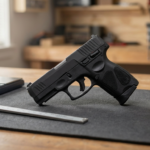

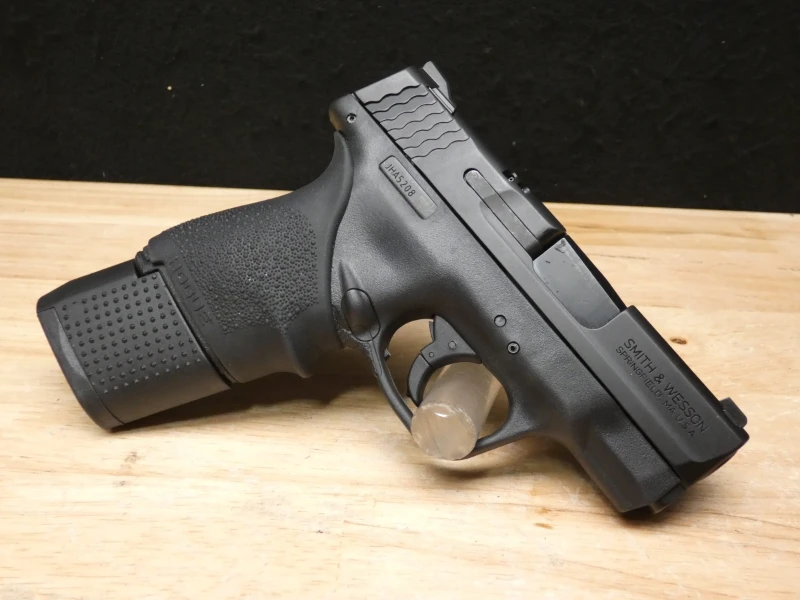
The Smith & Wesson M&P Shield is a cornerstone of the concealed carry market, prized for its reliability and compact design. Its immense popularity ensures a robust used market, but also creates significant competition for sellers. Understanding your Shield’s true value requires looking beyond its base model to factors like its specific generation, overall condition, included accessories, and the current market demand. This guide will break down these key elements to help you accurately price your firearm for a successful sale.
What Determines Your Smith & Wesson M&P Shield’s Worth
The value of a used Smith & Wesson M&P Shield is well-documented, typically falling within a range of $200 to $450. The primary factors determining its specific price are its generation, condition, and any included accessories. First-generation models occupy the lower end of this spectrum, while the M2.0 and newer Shield Plus variants command higher prices due to their enhanced features. Because this market value is so clearly established, a professional appraisal is generally not worth the cost. Sellers can accurately gauge their pistol’s worth by comparing it to similar models available in online marketplaces.
2026 Price Breakdown by Generation
First Generation M&P Shield
The original M&P Shield models represent the most affordable entry point into this popular firearm family, typically valued at the lower end of the $200 to $450 range. While known for their steadfast reliability, the market is heavily saturated with these first-generation pistols. Subsequent improvements in the M2.0 and Shield Plus series, such as better triggers and grips, have made these earlier models a budget-friendly choice for buyers. Their value is stable but unlikely to appreciate, reflecting their position as a proven but now technologically surpassed design in the competitive concealed carry market.
Maximizing the value of a first-generation Shield depends heavily on its condition and completeness. A pistol in excellent cosmetic shape with its original box, manual, and all factory magazines will always be more appealing to a prospective buyer. While a high round count is a lesser concern compared to visible wear and tear, proper function is paramount. Buyers of this common model are more focused on its observable condition and reliability than a specific round count, which is often difficult to verify and has a minimal impact on the price of such a durable firearm.
M&P Shield M2.0
The M&P Shield M2.0 commands a higher price than its predecessor, placing it in the mid-to-upper portion of the established value range. This increase is directly attributed to its significant factory upgrades, including a more refined trigger with a crisp break and a more aggressive grip texture for enhanced control. These features are highly valued by shooters and make the M2.0 a desirable option for those seeking improved performance without paying the premium for a brand-new pistol. Its market position is strong, appealing to buyers who recognize the tangible benefits over the first-generation model.
Having already undergone the initial 15-25% depreciation typical of a new firearm, the M2.0’s value is relatively stable. Sellers with a well-maintained example can expect consistent interest from the market. As with other Shield models, its resale price is more heavily influenced by its cosmetic appearance and proper mechanical function than by its specific round count. A clean, well-cared-for M2.0 is a compelling product, representing a significant upgrade in user experience that justifies its price premium over the original Shield, making it a competitive offering in the used handgun marketplace.
M&P Shield Plus
As the most recent evolution, the M&P Shield Plus commands the highest resale value, frequently pushing the upper limit of the $200 to $450 spectrum. Its primary value drivers are the substantially increased magazine capacity and the improved flat-faced trigger, features that directly address the main limitations of its predecessors. With a new MSRP generally falling between $519 and $549, a used Shield Plus in excellent condition offers a compelling discount for buyers seeking the latest technology. This makes it the most sought-after model on the used market, holding its value exceptionally well compared to older generations.
Given its relatively new status, potential buyers of a used Shield Plus will have high expectations regarding its condition. Any significant cosmetic wear or signs of neglect can have a more pronounced negative impact on its value compared to an older, more common model. While the overall high supply of Shield pistols creates a competitive environment, the modern, high-capacity design of the Shield Plus ensures it remains a premium choice that attracts serious buyers willing to pay more for its advanced features and enhanced performance right out of the box.
Performance Center Models
Performance Center (PC) variants of the M&P Shield consistently occupy the highest tier of the resale market, often valued at or even slightly above the $450 mark. These specialized models are factory-tuned for enhanced performance, boasting features such as ported barrels and slides for recoil reduction, upgraded triggers for a smoother pull, and premium fiber-optic or night sights. These out-of-the-box enhancements appeal to discerning shooters who want a competition-ready or highly optimized carry pistol without the need for aftermarket modifications, justifying the premium price tag these models command.
When selling a Performance Center Shield, it is crucial to highlight the specific factory upgrades that set it apart from standard models. Buyers for these pistols are typically more knowledgeable and will scrutinize the firearm’s condition closely. Therefore, retaining the original box, documentation, and any included accessories is especially important, as it reinforces the firearm’s premium status and authenticity. Presenting a complete and well-maintained PC package is the key to justifying its higher asking price and achieving its full market potential, distinguishing it from the more common standard Shield offerings.
How Modifications Affect Value
Certain modifications can increase the appeal and potential value of your M&P Shield, with sight upgrades being the most prominent example. Installing premium night sights from trusted brands like Trijicon, TRUGLO, or XS Sights, or adding a micro red dot optic from a reputable manufacturer such as Vortex or Holosun, provides a tangible functional improvement. While you are unlikely to recoup the full retail cost of these parts, they can make your pistol more attractive to buyers and help it command a higher price than a stock model, effectively setting it apart in a crowded market.
Conversely, many modifications do not add monetary value and can sometimes be a neutral factor. An aftermarket trigger, for instance, will not allow you to recover its cost in the final sale price. Many potential buyers are cautious about internal modifications made by previous owners and may prefer the reliability of factory components. They would often rather purchase a newer stock model with a better factory trigger, like the Shield Plus, than pay extra for an older, modified firearm. Such personal upgrades are best considered an expense for your own enjoyment rather than a financial investment.
Regional Price Variations in 2026
The value and ease of selling a Smith & Wesson M&P Shield can be significantly influenced by state and local firearm laws. In a highly restrictive state like California, only specific models listed on the state’s Roster of Handguns Certified for Sale can be purchased new from a dealer. These roster-compliant versions often include features like a 10-round magazine limit and a loaded chamber indicator. Because newer models like the Shield Plus and M2.0 are generally not on this roster, the approved first-generation models can sometimes hold their value better within that specific market due to limited availability of alternatives.
In other states with specific regulations, such as New York, the M&P Shield is generally legal to own, but restrictions on magazine capacity can affect its sale. If your pistol includes magazines that exceed the state’s legal limit, their value is negated for in-state buyers, potentially lowering the overall value of the package. Sellers must be acutely aware of these regional legal nuances, as they directly impact the size of the potential buyer pool and can dictate the demand and pricing for compliant versus non-compliant configurations of the firearm.
Online vs Local Sales
Conducting a local, private sale of your M&P Shield can be an effective way to maximize your return, but it requires strict adherence to state and local laws. While federal law does not require a bill of sale for a private transaction, the ATF strongly recommends creating one to document the transfer of ownership. It is crucial to remember that laws vary dramatically by jurisdiction; some states mandate that all private firearm transfers must be processed through a Federal Firearms Licensee (FFL), which includes a formal background check on the buyer, adding a necessary step to the process.
Selling your handgun to a buyer in another state is a more complex process governed by federal law. Direct private party sales of handguns across state lines are strictly prohibited. To complete the sale legally, you must ship the M&P Shield to an FFL in the buyer’s state of residence. The buyer must then go to that FFL, complete the required ATF Form 4473, and pass a background check before they can legally take possession of the firearm. This method broadens your potential market but introduces additional costs like shipping and FFL transfer fees.
When shipping your M&P Shield, you must use a common carrier such as FedEx or UPS, as the United States Postal Service (USPS) forbids non-licensees from mailing handguns. You are legally required to inform the carrier in writing that the package contains a firearm, which must be unloaded. Furthermore, carrier policies typically impose their own strict rules, often requiring that handguns be shipped via an expedited service like Next Day Air, mandating an adult signature upon delivery, and sometimes restricting firearm shipments to only occur between licensed FFL holders.
The FFL Buying Advantage
Selling your Smith & Wesson M&P Shield to a Federal Firearms Licensee (FFL), such as a local gun store, offers the most convenient and expedient path to a sale. This method eliminates the challenges of finding a private buyer, navigating complex transfer laws, and dealing with shipping. The transaction is immediate and legally sound. However, this convenience comes at a significant cost to your financial return. Dealers must account for their business overhead and profit margin, which is reflected in their offer price for your used firearm.
Typically, a gun dealer will offer between 35% and 65% of a firearm’s current private market value. For an exceedingly common model like the M&P Shield, the high supply in the used market often pushes these offers toward the lower end of that range, frequently settling around 40% to 50%. While this is substantially less than what could be achieved in a private sale, it is a guaranteed, hassle-free transaction. This option is ideal for sellers who prioritize speed, security, and simplicity over achieving the absolute maximum resale price for their handgun.
What Increases Your Offer
Presenting a meticulously cleaned firearm is a fundamental step in maximizing its value. Before listing your M&P Shield, you should field strip it and thoroughly clean the barrel, slide, and frame to remove all carbon fouling and debris. A critical mistake to avoid is over-lubrication; apply only a few small drops of high-quality gun oil to the slide rails and key metal-on-metal contact points. It is also essential to prevent cleaning solvents or lubricants from entering the firing pin channel, as this can trap residue and potentially lead to light primer strikes or other malfunctions.
High-quality photography is non-negotiable for attracting serious buyers and justifying your asking price, particularly in an online sale. Use bright, diffuse natural light and a simple, uncluttered background that contrasts with the firearm to make it stand out. Capture multiple high-resolution images from all critical angles, including close-ups of the manufacturer’s markings, any modifications, and, most importantly, any signs of wear. Using a tripod will help ensure your photos are sharp and professional, building buyer confidence by accurately and transparently representing the pistol’s true condition.
While the provided data shows no industry consensus on a specific financial penalty for incompleteness, offering the firearm as a complete package greatly enhances its appeal. Including the original factory box, owner’s manual, lock, and all magazines that came with the gun suggests it has been well cared for. This comprehensive presentation can make your listing more attractive than others, often leading to a faster sale and helping you secure a price at the higher end of your firearm’s value range. It provides a better experience for the buyer and reinforces the perception of a well-maintained firearm.
When to Sell Your Smith & Wesson m p shield
While some firearms, like hunting rifles, have distinct seasonal sales peaks, the market for concealed carry handguns such as the M&P Shield is generally more consistent throughout the year. However, many in the industry point to the period from February to April as a particularly advantageous time to sell. This window aligns with tax return season, a time when many consumers have more disposable income. Listing your firearm during this period can increase the number of potential buyers who are actively looking to make a purchase, potentially leading to a faster sale at a better price.
Beyond seasonal trends, it is important to consider the market’s high level of saturation. The M&P Shield is an incredibly common handgun, meaning your listing will always face stiff competition. To make your pistol stand out, your timing should be complemented by impeccable presentation, including thorough cleaning and high-quality photographs. Monitoring online gun exchanges to see what similar models are currently listed for will help you price yours competitively. Understanding the current supply and demand dynamics is key to positioning your firearm effectively in a crowded marketplace.
Ultimately, the best time to sell is when you are fully prepared and not in a rush to liquidate the asset. Hasty sales often result in accepting lowball offers. Take the necessary time to properly clean the firearm, take excellent photos, and gather the original box and all accessories. This preparation allows you to create a compelling listing and negotiate from a position of strength. Being patient and well-prepared empowers you to wait for the right buyer who is willing to meet your fair asking price, ensuring you receive the best possible return for your M&P Shield.
Common Pricing Mistakes
One of the most frequent pricing errors is overvaluing aftermarket modifications. Sellers often mistakenly believe they can recoup the full cost of upgrades like triggers, sights, or custom frame work. While a set of premium night sights might add some value, you will rarely get back your entire investment. For internal modifications like an aftermarket trigger, the added value is often zero, as many buyers prefer factory-stock internals for proven reliability. Price your Shield based on its core model and condition, viewing most modifications as a potential bonus to attract a buyer, not as a direct addition to the price tag.
Another common mistake is failing to research the current market and ignoring the high level of saturation for this model. The Smith & Wesson M&P Shield is one of the best-selling pistols of all time, meaning the used market is flooded with them. Pricing your firearm based on its original purchase price or sentimental value without considering its widespread availability will likely result in a listing that languishes for weeks or months. A quick search of online forums and marketplaces will provide a realistic snapshot of current going rates, which is essential for setting a competitive and fair price.
Underestimating the power of good presentation is a costly error. A firearm that is dirty or photographed poorly gives the impression of neglect, which will deter buyers and lead to lower offers. A clean, well-maintained pistol showcased with sharp, well-lit photos from multiple angles inspires confidence and signals a responsible owner. Taking an hour to thoroughly clean the gun and take quality pictures is a simple, no-cost action that can directly translate into a faster sale at a higher price, making it one of the most critical steps in the selling process.
Market Outlook for 2026
Forecasting the precise future value of any firearm is inherently difficult, and there is no established industry consensus on the price trajectory of the Smith & Wesson M&P Shield leading into 2026. However, its market position is likely to remain exceptionally stable. The pistol’s sterling reputation for reliability and its ubiquitous presence in the concealed carry world will anchor its value. The sheer volume of Shields in circulation will act as a ceiling, preventing any significant price appreciation and ensuring it continues to be a highly accessible and affordable option on the used market.
The pricing structure for used Shields will almost certainly continue to be defined by the value gap between its different generations. First-generation models will solidify their place as the most budget-friendly option, while the M2.0 and particularly the Shield Plus will retain their value more effectively due to their modern, sought-after features. While major market shifts or the introduction of a new, groundbreaking model could alter this landscape, the M&P Shield is expected to follow a predictable, slow depreciation curve, making it a firearm that holds its modest value well over time.
Frequently Asked Questions
Is it worth getting a professional appraisal for my M&P Shield?
No, a professional appraisal is generally not a worthwhile expense for a standard Smith & Wesson M&P Shield. The market for this handgun is very large and its value is well-documented across numerous online platforms and forums. A used Shield in very good condition typically sells for between $200 and $450, depending on the specific model and generation. The cost of a formal appraisal would consume a significant portion of the firearm’s value, making it an unnecessary expenditure for a non-collectible, mass-produced pistol.
How much does a high round count affect the resale value?
A high round count has less of an impact on the M&P Shield’s value than its overall cosmetic condition and observable wear. Once a new firearm experiences its initial depreciation of about 15-25%, its value tends to stabilize. For a common and durable pistol like the Shield, buyers are more concerned with how the gun was maintained than the specific number of rounds fired, which is often impossible to verify accurately anyway. A well-cared-for pistol will hold its value better than a neglected one, regardless of round count.
Will I get my money back on an upgraded trigger?
You should not expect to recoup the cost of an aftermarket trigger when you sell your M&P Shield. While the modification may enhance the shooting experience for you, it does not necessarily translate to a higher resale price. Many potential buyers are hesitant to purchase firearms with internal modifications or would simply prefer to buy a newer model, like the M2.0 or Shield Plus, which already come with an improved factory trigger. The modification is best considered a personal expense rather than an investment in the firearm’s value.
Does having the original box and papers really matter?
While there isn’t a universal, quantifiable financial penalty for not having the original box and paperwork, their inclusion significantly enhances the firearm’s appeal and can lead to a higher selling price. A complete package suggests that the pistol was well-maintained and cared for by the owner. It adds a layer of professionalism to the sale and provides the buyer with a better overall experience, often resulting in a faster sale and helping you achieve the higher end of your firearm’s potential value range.
How much less will a gun dealer offer me compared to a private sale?
When selling to a gun dealer, you can expect to be offered between 35% and 65% of the M&P Shield’s current private market value. Because this model is extremely common and the used market has a high supply, offers from dealers are frequently on the lower end of that spectrum, typically around 40% to 50%. While this is a significant reduction compared to a private sale, it offers the benefit of an immediate, hassle-free transaction without the need to find a buyer or handle transfer logistics.
Get a Cash Offer Today
Ready to sell your Smith & Wesson M&P Shield? We make the process simple and secure. Avoid the hassle of private listings and legal complexities. Click here to submit your firearm’s information and our team of experts will provide you with a fair, competitive cash offer based on its condition.
Our streamlined process ensures you get paid quickly and legally. We handle all the necessary FFL paperwork and provide a prepaid shipping label, making the sale of your handgun effortless. Get started now to see what your M&P Shield is worth and turn your used firearm into cash today.