
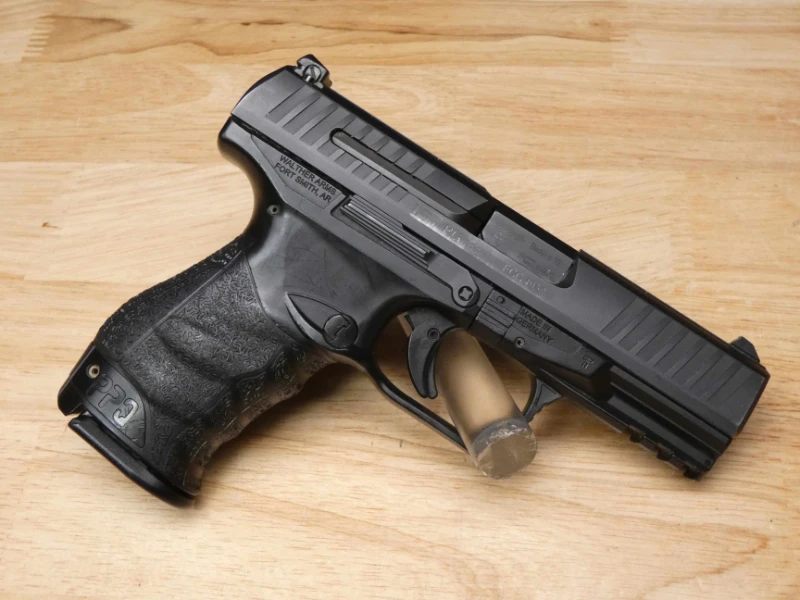
The Walther PPQ is a highly regarded semi-automatic pistol known for its exceptional trigger and ergonomic design. As a handgun, it is not regulated under the National Firearms Act (NFA). While it has been largely succeeded by the newer Walther PDP, the PPQ remains a popular choice on the used market. Understanding the key factors that influence its resale value—from specific model and condition to regional laws and modifications—is essential for any owner looking to sell.
What Determines Your Walther PPQ’s Worth
Several key factors determine the resale value of a Walther PPQ. While a professional appraisal is generally not cost-effective for a standard model, its market worth is well-established, typically falling between $300 and $500 for a pistol in very good to excellent condition. The specific model, such as the M1 versus the M2, and its caliber play a significant role. Furthermore, the firearm’s overall cosmetic condition and maintenance history are more influential than its round count. The PPQ is known for its durability, capable of handling tens of thousands of rounds with minimal wear, making appearance and included accessories the primary drivers of its final price.
2026 Price Breakdown by Generation
PPQ M1 (Paddle Release)
The Walther PPQ M1, distinguished by its ambidextrous paddle-style magazine release integrated into the trigger guard, represents the original design of the series. While some shooters prefer this European-style release for its snag-free profile, the market value is not significantly different from its button-release counterpart based on this feature alone. The value of an M1 is more heavily influenced by its overall condition, caliber, and whether it is a standard or a specialized variant. A typical used PPQ, regardless of release style, averages around $389, but this can fluctuate based on local demand and included accessories like extra magazines or holsters.
When selling a PPQ M1, owners should focus on its unique appeal to a specific subset of buyers who actively seek out the paddle release. Highlighting its reliability and the ergonomic benefits of the release mechanism can be a strong selling point. Pricing should be competitive with comparable M2 models, as the primary value differentiators lie elsewhere. For instance, a well-maintained M1 in a common caliber like 9mm will follow the general used market range of approximately $375 to $390, with certified or pristine examples potentially fetching closer to $500, especially if they come with the original case and paperwork.
PPQ M2 (Button Release)
The PPQ M2 was introduced to appeal to the American market with its more conventional push-button magazine release. This change made it more familiar to a broader audience, and as a result, the M2 is often more commonly found on the used market. However, this prevalence does not inherently make it more or less valuable than the M1. The core value determinants remain consistent across both models: condition, caliber, and any included performance-oriented features. A new PPQ M2 in 9mm was listed for around $639, while its used counterpart settles into the average $389 price point, demonstrating standard depreciation for a modern firearm.
Sellers of the PPQ M2 benefit from a larger pool of potential buyers who are accustomed to the button release. Its value is firmly established, with the average used price hovering between $375 and $390. Premium pricing can be achieved for models in excellent condition or those bundled with valuable extras. It is important to remember that the PPQ line has been succeeded by the PDP (MSRP $649), which puts gentle downward pressure on PPQ prices. Therefore, positioning an M2 competitively within the established used market range is crucial for a timely and successful sale in the current firearms landscape.
Specialty Calibers (.45 ACP)
The value of a Walther PPQ can change significantly when chambered in a less common but desirable caliber like .45 ACP. These models often command a higher price on the used market compared to their 9mm or .40 S&W counterparts. According to market data, a used PPQ in .45 ACP can range in price from approximately $470 to as high as $720. This premium is driven by lower production numbers and strong demand from enthusiasts who appreciate the combination of the PPQ’s renowned ergonomics and trigger with the classic .45 ACP cartridge. Condition and included accessories remain critical factors in achieving a price at the higher end of this range.
When listing a PPQ in .45 ACP, it is essential to highlight the caliber as a key feature, as it sets the firearm apart from the more common offerings. Sellers should research recent sales of the same model to price it accurately within its specific market segment, rather than relying on general PPQ pricing. The wider value range for this model reflects its relative rarity. A pristine example with its original box, documents, and multiple magazines is more likely to fetch a price over $600, whereas a model with visible wear might fall closer to the sub-$500 mark, which is still a notable premium over a standard 9mm version.
Performance Models (Q5 Match)
Performance-oriented variants like the Walther PPQ Q5 Match exist in a different pricing tier altogether. These models are factory-equipped with features designed for competitive shooting, such as an enhanced trigger, a longer 5-inch barrel, slide cuts for weight reduction, and an optics-ready mounting system. Due to these specialized features and higher initial cost, the Q5 Match retains its value exceptionally well. On the used market, it is not uncommon to see these competition pistols command prices well over $1,800, depending on their condition, specific configuration (steel frame vs. polymer), and any included high-end optics or accessories. Their value is less tied to the general PPQ market and more aligned with other high-performance competition handguns.
Selling a Q5 Match requires targeting a more niche audience of competitive shooters and serious enthusiasts. Marketing should focus on its factory upgrades and performance capabilities. The value is heavily influenced by its condition, as competitive firearms can see high round counts, but as with standard PPQs, cosmetic appearance and proper maintenance are paramount. Any included accessories, such as additional optics plates, magazines, or a high-quality red dot sight, will significantly bolster the asking price. Its value is far less about being a “PPQ” and more about its function as a ready-to-race competition tool, justifying its substantial price premium.
How Modifications Affect Value
Certain modifications can consistently increase the resale value of a Walther PPQ. Upgrading the stock sights to high-quality night sights from reputable brands like Trijicon or TRUGLO is a widely recognized enhancement that appeals to a broad range of buyers. Similarly, adding a red dot optic from a popular manufacturer such as Holosun can also add value. However, the installation method is critical. Using a versatile optics mounting plate system is often preferable for resale over having the slide permanently milled for a specific optic footprint, as the former offers greater flexibility for the new owner and preserves the firearm’s original configuration.
When it comes to modifications that may hurt the value of a Walther PPQ, there is no clear market consensus. Unlike permanent, irreversible changes like custom stippling or unconventional Cerakote finishes that can be highly subjective, most common modifications are not seen as universally negative. The ultimate impact of any alteration often depends on the quality of the parts used and the professionalism of the installation. Because buyer preferences vary so widely, a modification that one person sees as a detriment, another may view as a desirable upgrade. Therefore, it is difficult to define specific modifications that consistently penalize the firearm’s resale price.
Regional Price Variations in 2026
State-level firearm regulations can create significant regional price variations for the Walther PPQ. In California, the pistol is generally not on the state’s roster of handguns certified for sale. This restriction means it cannot be purchased new from a dealer by the general public. As a result, the supply of PPQs is limited to those brought in by new residents or available through private party transfers. This scarcity can create a premium market, where an off-roster handgun like the PPQ may sell for a higher price than it would in a state with fewer restrictions, as buyers have limited options for acquiring one.
In other states like New York, the primary restriction impacting the Walther PPQ’s value is magazine capacity. New York law requires handgun magazines to be limited to 10 rounds. A PPQ sold with its standard capacity magazines may need to be modified or sold without them to a New York resident, potentially lowering the overall value of the package. Conversely, a PPQ that already includes compliant 10-round magazines may be more appealing and easier to sell in such states. These legal nuances mean sellers must be aware of local laws, as they directly affect market demand and the final sale price.
Online vs Local Sales
Conducting a local, private sale of a Walther PPQ requires careful attention to legal documentation. A comprehensive bill of sale is a crucial document to record the transfer of ownership. This legal record should meticulously detail the contact information for both the buyer and seller, a full description of the firearm including its make, model, and serial number, the final sale price, and the transaction date. Both parties should sign the document. Depending on state and local laws, the sale may have additional requirements, such as using a licensed dealer to facilitate a background check, even for a private transaction.
Selling a handgun online introduces significant logistical and legal complexities, particularly concerning shipping. Federal law and carrier policies heavily regulate this process. Private sellers are generally prohibited from shipping handguns directly through common carriers like UPS and FedEx, as these companies require the shipper to be a Federal Firearms Licensee (FFL) with a specific shipping agreement. Furthermore, federal law mandates that the shipper must notify the carrier that the package contains a firearm. It is crucial to follow these rules precisely to avoid legal trouble, which almost always means using an FFL to ship the handgun to the buyer’s FFL.
Selling your Walther PPQ to a local gun dealer offers a trade-off between convenience and price. Dealers typically offer between 50% to 65% of a used firearm’s retail market value. For a popular and fast-selling model like the PPQ, this offer might increase to as high as 70%. However, some offers can be as low as 40%. While this is significantly less than you might get in a private sale, the dealer handles all paperwork and assumes the risk of finding a buyer, making it a quick and hassle-free option for those prioritizing speed and simplicity over maximizing their return.
The FFL Buying Advantage
Utilizing a Federal Firearms Licensee (FFL) provides a critical layer of legal protection and compliance for both buyers and sellers. Under federal law, the transfer of a handgun like the Walther PPQ to a buyer who resides in another state must be facilitated through an FFL. The seller is legally required to ship the firearm to a licensed dealer in the buyer’s home state. At the destination FFL, the buyer must then complete all necessary paperwork, including the ATF Form 4473, and pass a background check before they can legally take possession of the pistol. This process ensures the entire transaction adheres to federal regulations.
Even for in-state sales where it may not be legally mandated, using an FFL is a highly advantageous practice. The FFL dealer acts as a neutral third party, verifying the buyer’s eligibility to own a firearm through a proper background check. This shields the seller from unknowingly transferring a handgun to a prohibited person, a serious federal offense. By managing the paperwork and background check, the FFL provides an official record of the transfer, offering peace of mind and a significant legal safeguard for both parties involved in the transaction, ensuring the sale is conducted responsibly and above board.
What Increases Your Offer
A thorough pre-sale cleaning is one of the most effective ways to increase the perceived value of your Walther PPQ. Begin by field-stripping the pistol according to the owner’s manual. Meticulously clean the slide, barrel, feed ramp, and frame to remove all carbon buildup and firing residue. A common mistake is leaving behind lint from cotton swabs or paper towels, so using proper cleaning patches and brushes is recommended. After cleaning, apply a very light coat of quality gun oil to the barrel’s exterior and the key contact points where the slide and frame rails interact to ensure smooth function and present a well-maintained firearm.
High-quality photographs are essential for attracting buyers and justifying your asking price, especially in online listings. Use bright, diffused natural light to avoid harsh shadows and accurately represent the pistol’s condition. Place the Walther PPQ against a simple, uncluttered background that provides contrast. To ensure sharp, clear images, mount your camera or smartphone on a tripod. Capture the firearm from multiple angles, including close-ups of important markings, the sights, the muzzle, and any areas of wear. Filling the frame with the pistol and using a square aspect ratio can improve its presentation on many online marketplace platforms.
The overall condition and completeness of your firearm package are major value drivers. Since the Walther PPQ is known for its durability, a high round count is less of a concern to buyers than its cosmetic condition. A pistol with a clean finish, free of significant scratches or holster wear, will always command a higher price. Furthermore, including the original factory case, owner’s manual, all included backstraps, and any extra magazines significantly increases the offer. A complete, well-cared-for package signals to a potential buyer that the firearm has been properly maintained, making it a more attractive and valuable purchase.
When to Sell Your Walther ppq
The market for handguns like the Walther PPQ is generally less seasonal than it is for hunting firearms. While rifles and shotguns see a surge in demand during the late summer and early fall leading up to hunting seasons, the market for pistols remains relatively stable throughout the year. This consistency means there is no single “best” month to sell. Instead, sellers should focus on other market dynamics and economic factors that can influence buyer behavior. The steady demand for personal defense and recreational shooting handguns provides flexibility in choosing when to list the firearm for sale without facing a significant seasonal slump.
Although the handgun market lacks a distinct “season,” sales can see an uptick during periods when potential buyers have more disposable income. One such period is in the spring, typically from March to May, when many people receive their tax refunds. This influx of cash can lead to increased spending on discretionary items, including firearms. Another potential window is around the Christmas holiday season, as people may be looking to spend holiday bonuses or cash gifts. Listing your Walther PPQ during these times could potentially lead to a quicker sale as more buyers are actively looking to make a purchase.
A crucial factor in timing the sale of your Walther PPQ is its position in the market relative to its successor, the Walther PDP. The PDP was introduced with an MSRP of $649 and has been widely adopted, effectively making the PPQ a discontinued model. While the PPQ is still highly respected, its value may face gradual downward pressure as more PDPs enter the new and used markets. Therefore, selling sooner rather than later may be advantageous to capitalize on its strong reputation before it becomes further overshadowed by the newer model and its perceived technology, potentially maximizing your financial return.
Common Pricing Mistakes
One of the most frequent errors sellers make is overvaluing their Walther PPQ based on sentimental attachment or its original purchase price. The used handgun market is driven by current supply and demand, and the PPQ’s value is well-established. A standard model in very good condition typically sells for between $375 and $390. Spending money on a professional appraisal is rarely necessary, as pricing information is readily available through online forums and vendors. Sellers should research current and completed sales of comparable models to set a realistic price that reflects the firearm’s actual market worth, not its personal value.
Another common mistake is failing to accurately assess and disclose the firearm’s cosmetic condition. Many sellers mistakenly believe that a low round count automatically equates to a high value. However, for a durable pistol like the Walther PPQ, cosmetic wear from holstering, improper storage, or cleaning has a much greater impact on its price. Scratches on the slide, wear on the frame, or dings on the sights will significantly lower offers. An honest and detailed description, accompanied by clear photos of any imperfections, builds trust with buyers and prevents disputes or renegotiations later in the process.
Misunderstanding the difference between private party value and a dealer’s offer can lead to unrealistic expectations. A gun dealer must cover overhead costs like rent, insurance, and employee salaries, while also needing to make a profit on the resale. Consequently, their cash offer will be substantially lower than the firearm’s private market value, typically ranging from 50% to 65%. While a desirable model like the PPQ might fetch an offer closer to 70%, sellers should not expect to receive full retail value. Accepting a dealer’s offer is a choice of convenience and speed over maximizing financial return.
Market Outlook for 2026
While a precise future price prediction for the Walther PPQ is not available due to fluctuating market dynamics, its value trajectory will likely be closely tied to the ongoing success and market penetration of its successor, the Walther PDP. As the PDP becomes more established and more widely available on the used market, it will continue to put gentle, consistent pressure on the pricing of the entire PPQ line. The PPQ is not expected to plummet in value, but sellers should anticipate that it will settle into a stable price point as a respected but ultimately discontinued model in the coming years.
The long-term value of the Walther PPQ will be sustained by its excellent reputation for reliability, ergonomics, and having one of the best factory triggers in its class. These qualities will ensure it remains a desirable option for budget-conscious buyers seeking a high-performance pistol. Unlike less popular models that fade into obscurity, the PPQ has a strong following that will help it retain a respectable value. Its price will likely stabilize, making it a solid, affordable alternative to newer models, but significant appreciation in value is highly unlikely for standard production versions in the foreseeable future.
Frequently Asked Questions
Is it worth getting a professional appraisal for my PPQ?
For a standard Walther PPQ model, a professional appraisal is likely not worth the associated cost. The market value for this firearm is well-established and readily accessible through online marketplaces, forums, and vendors who often provide free valuations. A used PPQ in very good to excellent condition typically falls within the $300 to $500 range. Factors like the specific model (M1 vs. M2), condition, and included accessories are the primary value drivers, and this information can be easily researched by checking current and recently completed sales listings online, making a formal appraisal redundant for most sellers.
How much does a high round count affect my PPQ’s value?
A high round count does not significantly lower the resale value of a Walther PPQ. The pistol is renowned for its robust construction and durability, with the ability to handle tens of thousands of rounds with minimal internal wear. Consequently, potential buyers are generally more concerned with the firearm’s external cosmetic condition and its maintenance history. A well-maintained PPQ with a clean finish will hold its value much better than a low-round-count pistol that shows significant holster wear, scratches, or signs of neglect. Therefore, appearance is a far more critical factor than the number of rounds fired.
Will adding a red dot sight increase the resale price?
Yes, adding a red dot sight from a reputable brand like Holosun can increase the resale value, but the method of installation is a crucial factor. If the slide was permanently milled to fit a specific optic footprint, it might limit the pool of interested buyers to only those who prefer that exact model. A more valuable approach is using a high-quality, versatile mounting plate system that replaces the rear sight. This method is non-permanent, preserves the original slide, and allows a new owner to easily switch to a different optic or revert to iron sights, maximizing its appeal and resale value.
Does the M1 paddle release model hold its value differently than the M2?
The value difference between the PPQ M1 (paddle release) and the M2 (button release) is generally negligible for standard models. The firearm’s worth is influenced more significantly by its specific variant and caliber rather than its generation or magazine release style. For example, a PPQ chambered in .45 ACP or a performance model like the Q5 Match will command a much higher price than a standard 9mm model, regardless of whether it is an M1 or M2. Both release styles have their own followers, leading to a balanced market demand that keeps their base values nearly identical.
What percentage of my PPQ’s value can I expect from a gun dealer?
When selling a Walther PPQ to a gun dealer, you can typically expect to be offered between 50% and 65% of its current used retail value. Because the PPQ is a desirable and relatively fast-selling model, some dealers may increase their offer to as high as 70% to secure the inventory. However, these offers account for the dealer’s need to cover business overhead and make a profit on the eventual sale. This is a trade-off for a quick, secure, and hassle-free transaction, but it will always be less than what you could achieve through a private party sale.
Get a Cash Offer Today
Ready to sell your Walther PPQ? We make the process simple, safe, and transparent. Click here to submit your firearm’s information and our team of experts will provide you with a fair, market-based cash offer. Eliminate the hassle of private listings and shipping regulations.
Our streamlined process ensures you get paid quickly and legally. We are a fully licensed FFL dealer, guaranteeing a secure and compliant transaction from start to finish. Find out what your Walther PPQ is worth and turn your used firearm into cash today.