
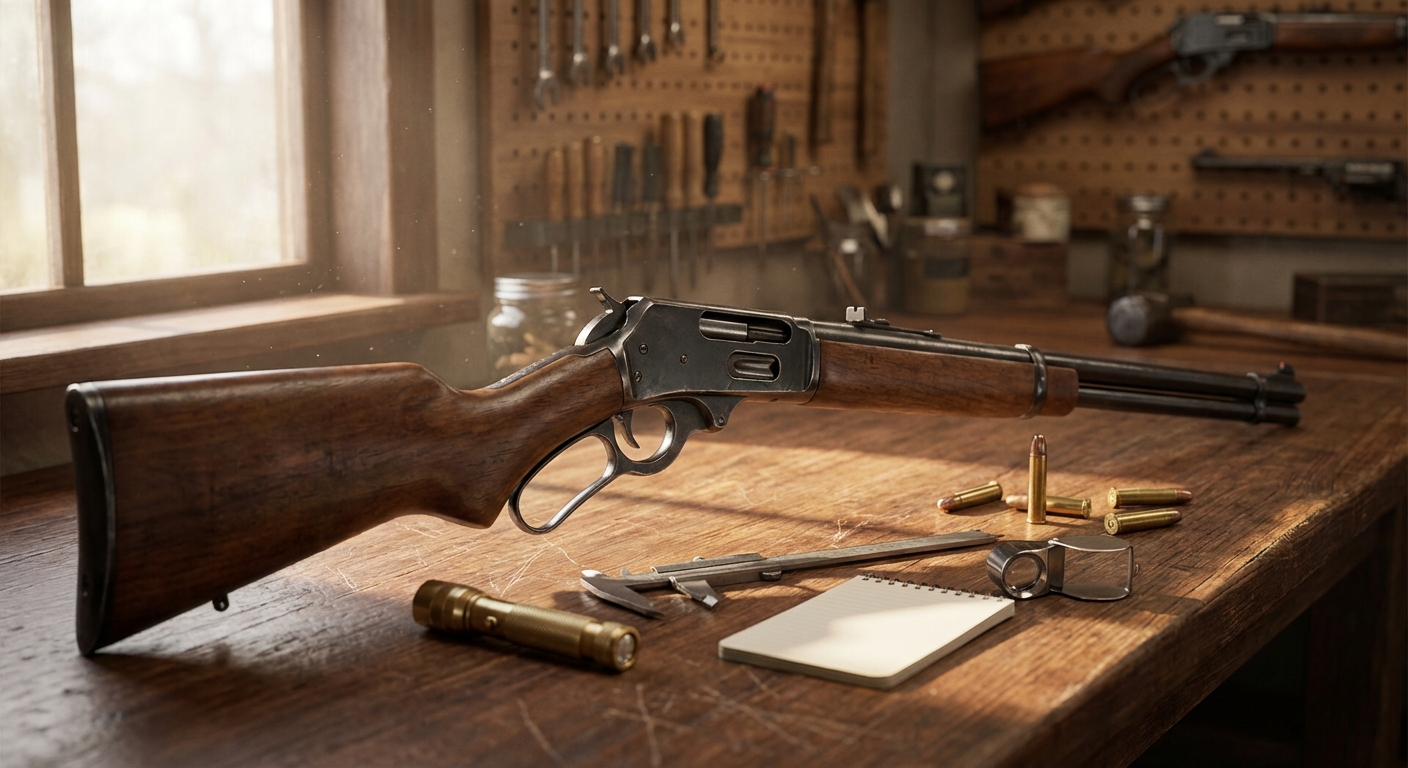

Marlin 336 prices aren’t random, but they sure look that way when you’re staring at listings. You look up “Marlin 336 value” and see $500… $1,500… and nothing explains the gap, even though the rifles look almost identical at a glance.
You don’t want to underprice a good rifle and leave money on the table. You also don’t want to anchor on a high, collector-leaning number and watch your listing sit forever.
Most of the “all over the place” feeling comes from three things buyers actually sort by: production era (the big buckets people use to group the rifle’s manufacturing period), collector shorthand in listings, and a noisy post-2020 used-gun market. Collectors commonly use the JM barrel stamp as shorthand for pre-Remington North Haven production, and that one keyword can shift a 336 from “shooter” pricing to “collector” attention fast. On the flip side, Marlin added a cross-bolt safety to the 336 line in the early 1980s, commonly cited as 1983, so the presence or absence of that visible feature becomes a quick value-related identifier. Then you add demand whiplash, FBI NICS totals hit 39,695,315 (2020), 38,036,725 (2021), and 36,680,147 (2022), and clean pricing signals get distorted.
You’ll leave with a quick framework to identify what you have and pin it to a realistic, believable value range.
That starts by making sure you’re comparing your rifle to the right “Marlin 336” listings, because one small mismatch can make a normal price range look like chaos.
Identify Your Exact 336
Wrong comps are the #1 reason people misprice a 336, and the fix is simple: lock down your exact rifle ID before you start comparing listings.
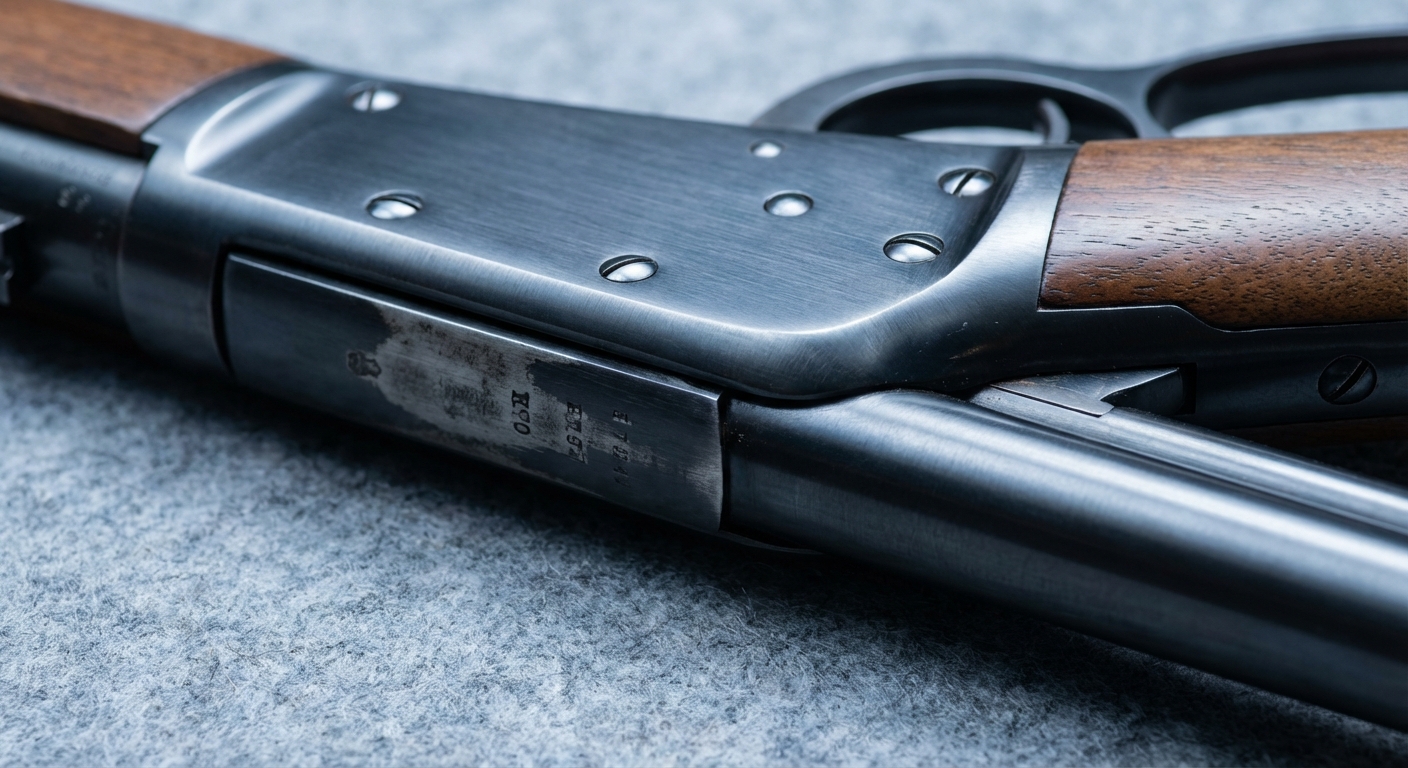
Start with the model marking, because “Marlin 336” is a family name, not a single configuration. Write down the rollmark exactly as it appears, including letters: 336, 336C, 336W, 336SS, 336ER are all common examples you’ll see in listings, and those suffixes are what separate a fair comparison from an apples-to-oranges mess. If your rifle just says “336” but the listing says “336SS,” treat them as different rifles until you’ve confirmed the same finish and features.
Also record any extra wording that changes what buyers search for, like “CS” (carbine) style descriptions in listings, commemoratives, or retailer-exclusive runs. You’re not trying to be exhaustive here, you’re creating a clean label you can match against.
Caliber is non-negotiable for comp matching because demand clusters by chambering. .30-30 Winchester is the highest-volume 336 chambering, so it has the deepest pool of comparable sales and listings. .35 Remington was produced in lower overall numbers than .30-30, which often boosts interest for certain sub-variants, but only if you’re comparing it to other .35 Rem guns.
Don’t gloss over barrel length either. A 20-inch carbine listing is not a clean comp for a longer-barreled rifle, even if everything else looks close in photos. Write down the marked chambering and the barrel length the listing claims, then verify yours so you’re not matching to the wrong format.
Quick visual tie-breakers that frequently split listings: checkered vs plain wood, sight setup (buckhorns, ramps, or receiver sights), and special-edition markings.
For many Marlin rifles made 1973-1999, you can estimate the year by subtracting the first two serial digits from 100. Example: 25xxxxxx, 100 minus 25 equals 75, so 1975.
Ambiguity warning: the subtract-from-100 method does not cleanly identify post-1999 rifles. Later prefix systems can reuse similar starting digits, so you need corroborating context like other markings and the full serial pattern, not just the first two numbers.
- Copy the exact model/variant marking (example: “336W” not just “336”).
- Confirm the chambering (.30-30, .35 Rem, .444).
- Measure and note barrel length.
- Note standout features (checkering, sight setup, special-edition text).
- Estimate year if it’s in the 1973-1999 range, and flag “post-1999 ambiguous” if it isn’t.
Once your ID is solid, the next separator is how the rifle presents in the real world: condition, and whether it still looks like what Marlin originally shipped (use a guide to identifying your gun by markings and features if you need a second check).
Condition, Originality, and Add-Ons
Condition and originality are where two “same model” rifles quietly separate.
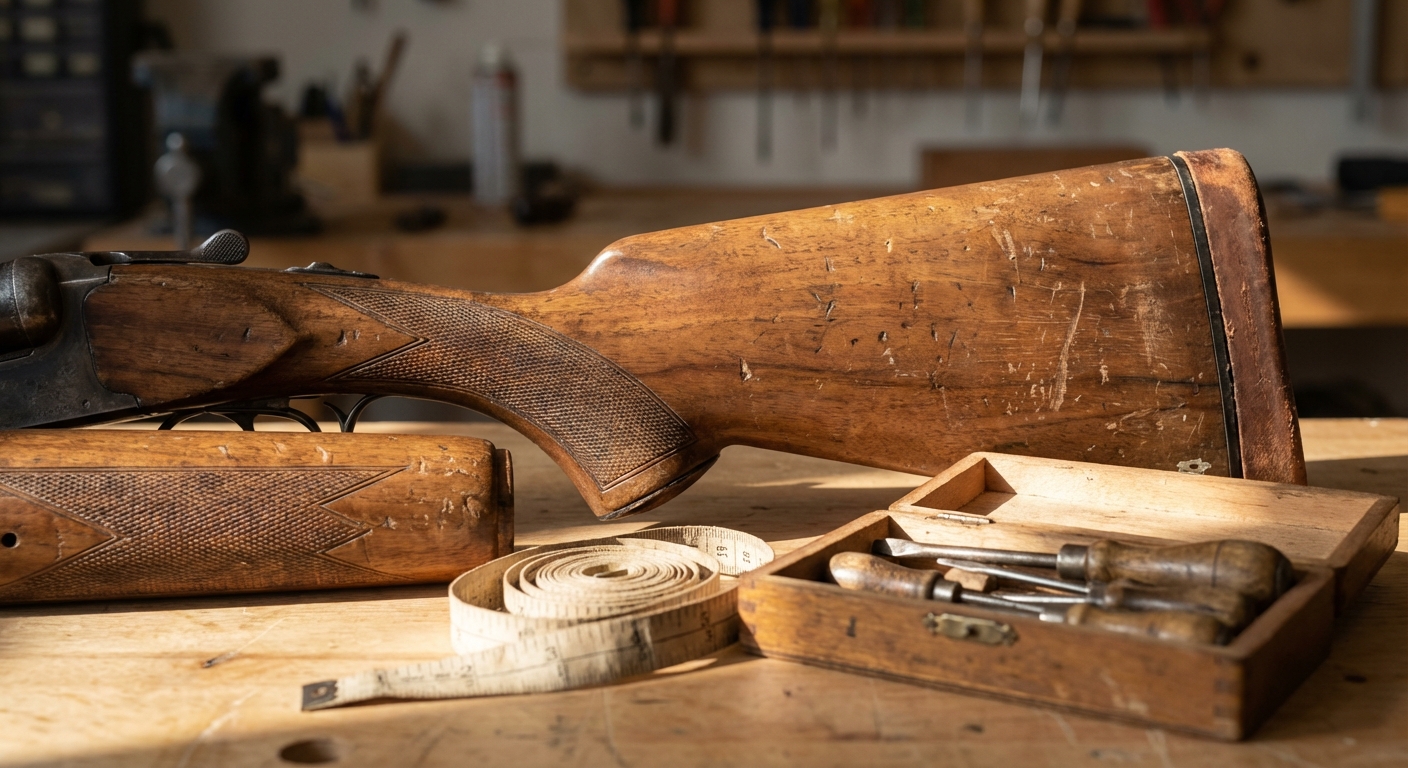
A buyer needs a shared shorthand, so choose a condition tier and stick to what’s visible and testable. Excellent is sharp bluing with only faint edge wear, no active rust, a clean bore with strong rifling, an undamaged crown, solid wood with no cracks or glued repairs, and an action that runs smoothly without gritty spots or odd hitches. Very good allows more honest carry wear at the muzzle and receiver, light freckling that hasn’t turned into pitting, and a bore that’s still bright even if it shows light frosting. Good is where wear turns obvious, small pits show up under the bluing, the bore looks duller, the crown might show dings, and the stock may have stable cracks or older repairs. Fair is active rust, pitting you can feel, a rough bore, a visibly battered crown, loose wood, or an action that feels sticky, inconsistent, or out of time.
Collector money follows original configuration (factory correct for that year and variant), not just “still works.” Buyers look for period-appropriate sights, an uncut barrel and magazine tube, and parts that appear factory, not swapped. Cash My Guns lists finish condition and bore condition as core drivers of value, and it also considers aftermarket parts and whether parts are matching (matching numbers) when weighing desirability and collector value.
A scope can make a 336 easier to hunt with, but it can also telegraph extra holes, non-original bases, or a changed sight setup. A sling and swivels help in the field, yet added studs or mismatched hardware read as personalization. Recoil pads are the classic tradeoff: a softer pad improves usability, but a non-factory pad often means the stock was cut, which buyers price in fast. The right move is simple: disclose every add-on and show it clearly in photos.
Marlin 336 configurations vary across catalog years, and 1948-2020 catalogs are often used as reference points. Special-run variants can deviate from those pages, so don’t guess based on a single chart or a friend’s rifle. Make originality claims only from evidence you can show: roll marks, proof marks, barrel stampings, receiver drilling patterns, and clear, close photos. Your goal is to state your condition tier, whether it appears to stay in original configuration, and the short list of modifications or accessories that come with it.
With that snapshot in hand-what it is, and what shape it’s in-you’re ready for the part that keeps pricing honest: what similar rifles actually sold for.
Market Benchmarks That Actually Matter
A listing price is a wish; sold comps are receipts. If you anchor your Marlin 336 value to active “Buy Now” asks, you’ll chase the most optimistic seller on the internet instead of the buyers who actually showed up with money.
Build your baseline from completed sales (sold comps), meaning ended listings that show what buyers really paid, not what someone hopes to get. That’s where inflated asks get exposed, because unsold rifles don’t set a market-they just take up space.
GunBroker’s “Completed Items” is the cleanest example of true finished outcomes. It shows whether a listing sold vs ended unsold, plus the realized price and bid count, so you can tell the difference between “priced to move” and “priced to sit.” Condition is the messy part: it isn’t standardized in a neat field, it lives in the description and photos, so you have to read for things like finish wear, bore notes, and what’s actually included.
Sold prices still spread, because demand moves. Deer-season timing drives more eyeballs to lever guns in many areas, and seasonality and regional demand are real valuation inputs. Ammo matters too: .30-30 Winchester stays a high-volume, widely cataloged cartridge across major manufacturers, which keeps availability steadier. .35 Remington and .444 Marlin run lower-volume with more sporadic availability, so interest in those chamberings can spike or sag depending on what’s on shelves in your region.
One reality check: SCOPE puts lever-gun prices up nearly 12% over the past year (see the latest gun market report for broader context).
Pull a tight set of sold comps, note sold vs unsold, realized price, and bids, then sanity-check the spread with season, ammo availability, and local preferences. Once your anchors are real, you can fine-tune later without getting dragged around by fantasy asks.
Those sold comps are the raw material. The next step is turning them into a range you can defend in a message thread, at a gun counter, or in an online listing—using a current Marlin 336 worth guide as a benchmark.
A Simple 10-Minute Valuation Method
You don’t need a ‘perfect’ number, you need a defensible range that matches your timeline. The spread you see on Marlin 336 sold listings usually isn’t random; it’s small differences in condition, originality, and configuration showing up in the final price.
- Confirm your identification basics (exact 336 variant, era, and caliber), then write down the key configuration that affects matching, like barrel length, sight setup, safety presence, and finish.
- Choose your condition tier (the one you already used earlier), so you’re comparing like to like.
- Pull 3 to 10 recent sold comps that match your rifle as tightly as you can, then anchor your baseline with the middle of that cluster, not the single highest sale.
Comp matching lives or dies on the details buyers actually pay for: finish wear, bore condition, matching numbers (where applicable), and any aftermarket parts, which lines up with the same valuation factors used to estimate what a Marlin lever-action rifle is worth. If your comp doesn’t match those, it’s the wrong comp.
Make a few small, disciplined adjustments instead of “gut feel” pricing:
- Condition gap: Move down if your finish and bore are visibly worse than the comp set, move up if they’re clearly better.
- Caliber demand: If your chambering sells faster in your comp pool, price toward the top of your range. If it lags, price toward the bottom.
- Originality: All-original guns price cleaner. Non-original parts push you toward the low end because buyers price in uncertainty.
- Accessories: Count only what repeatedly sells in your comps. If the add-on doesn’t move sold prices, treat it as “nice to have,” not value.
Three numbers to output (and how to set them):
- Quick-sale price: Start near “wholesale” behavior: commonly ~50%-70% of expected retail, depending on demand and condition. What it’s for: Fast cash, minimal waiting.
- Fair-market price: Your best-matched sold-comp middle, plus your small adjustments. What it’s for: Reasonable time to sell, solid probability of closing.
- Premium/collector price: Top end of your best-matched comps, only if your rifle truly matches the best examples. What it’s for: Maximum price, you’re willing to wait.
That three-number framing is also why Blue Book of Gun Values publishes separate Retail and Wholesale values, because both price points are legitimate depending on how you sell.
If your range is wildly outside your comp cluster, you almost always missed one of these:
- Your comps aren’t the same variant/era/caliber, or the configuration is off (sights, safety, finish, barrel length).
- You overestimated condition versus what the photos show on sold listings, especially finish and bore.
- You treated aftermarket parts as upgrades when the market priced them as deductions.
When those are corrected, the spread tightens fast, and you’ll know exactly which number to use based on urgency and how long you’re willing to wait for the buyer who pays top dollar.
Of course, the number you pick on paper isn’t the same as what you net in your pocket. The selling route you choose changes fees, timelines, and how much hassle you absorb.
Where to Sell and What You’ll Net
Where you sell matters as much as what you sell, because it changes your net and your stress level.
A private sale (where legal) is usually the highest-control option: you set the price and negotiate directly. The catch is time and personal risk, you’re screening strangers, handling payment safely, and making sure the transfer is lawful in your state.
Consignment trades margin for convenience. A shop does the photos, the tire-kickers, and the paperwork, but their cut and any add-on fees come out of what you net, and you’re on their timeline for when the right buyer walks in.
Online marketplaces via an FFL widen your buyer pool fast, especially for common models, but the “headline sale price” isn’t your take-home. Listing fees, shipping, and the receiving dealer’s transfer cost all eat into net, and you still manage photos, messages, and returns.
Direct-to-buyer services prioritize speed and low hassle. For example, Cash My Guns is operated by Dunlap Gun Buyers (a federally licensed firearms dealer, FFL), positions the service as “Safe • Legal • Hassle-Free,” and buys guns, ammunition, and accessories directly from private parties nationwide, which skips the listing and consignment grind.
Comparison of selling paths:
- Private sale — Speed: Medium. Expected net: Highest (if priced right). Hassle and risk: Highest effort, highest scam and safety exposure.
- Consignment — Speed: Slow to medium. Expected net: Medium (shop takes a cut). Hassle and risk: Low effort, low personal risk.
- Online marketplace + FFL — Speed: Medium. Expected net: Medium to high (after fees). Hassle and risk: Medium effort, admin-heavy.
- Direct buyer — Speed: Fast. Expected net: Lower than top-dollar listing. Hassle and risk: Lowest effort, standardized process.
State rules vary, so confirm your local requirements through official state resources and or an in-state FFL, especially if you’re searching how to sell a gun in Texas, Florida, California, Georgia, Pennsylvania, Ohio, Arizona, New York, North Carolina, or Illinois. Federally, under 18 U.S.C. § 922(a)(5), nonlicensees generally can’t transfer a firearm to a nonlicensee in another state, so interstate sales typically run through an FFL transfer, meaning a licensed dealer handles the handoff and required paperwork.
If you need speed, go with a direct buyer or a shop that can take it immediately. If you want max dollars, a compliant private sale (in-state) or a well-run online listing usually gives you the most control, as long as you can absorb the time and admin. If you want simplicity and fewer ways to get burned, consignment or an FFL-routed sale is the sane play, and an FFL transfer is the normal solution anytime a buyer is across state lines.
Once you’ve picked a lane, the last piece is packaging your details so your price reads as reasonable instead of random-especially when buyers are scanning for era cues like the JM stamp or the cross-bolt safety.
Your Next Step for a Confident Price
You’re not chasing a magic number. You’re proving your price.
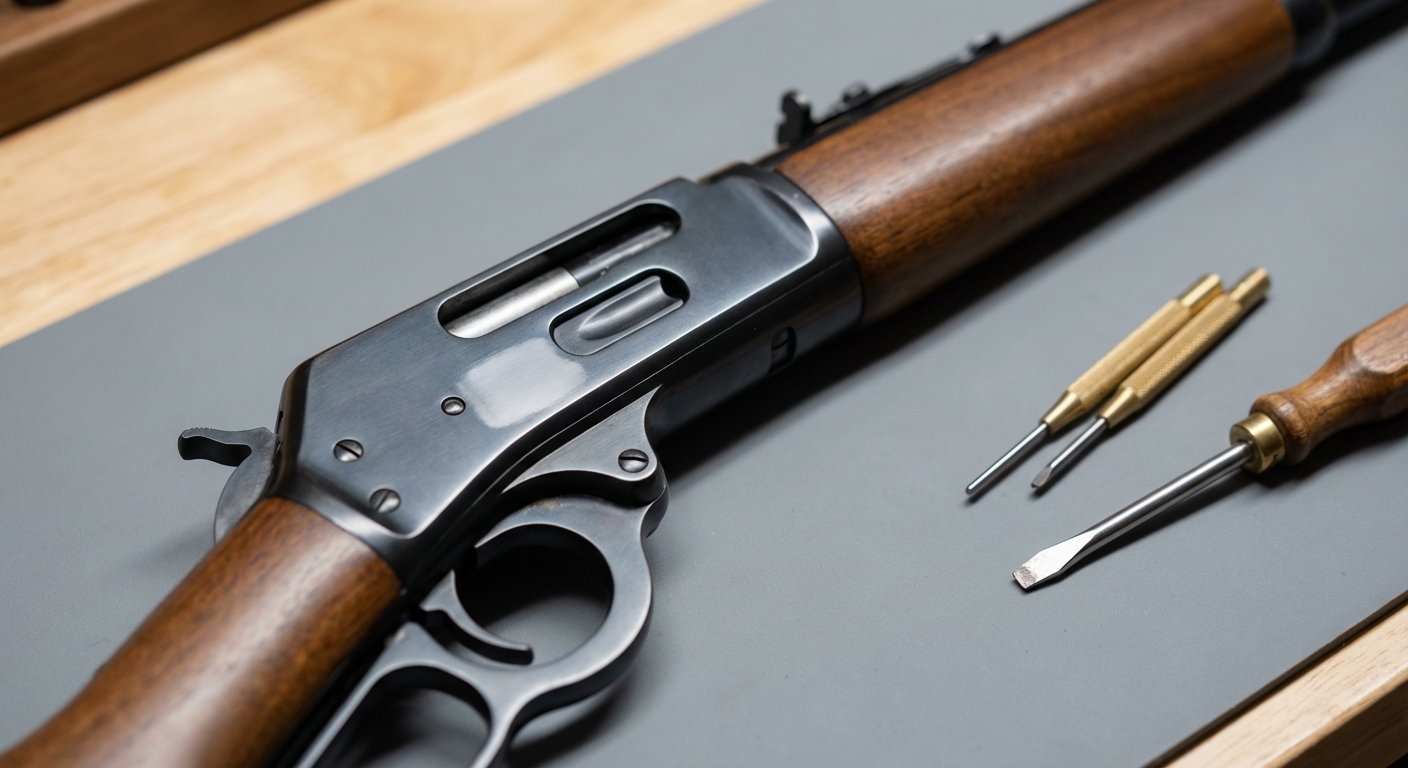
Lock in the exact variant and era signals, because one wrong detail can put your Marlin 336 in the wrong value bracket. Get real about condition and originality, the market pays for what’s actually there, not what you meant to keep original. Anchor everything to sold-market benchmarks that match your specifics, asking prices are just noise.
Grab a few clear photos and quick notes on the details that move value, then pull five to ten recent sold comps that truly line up. If you need a credible valuation, consider when an expert appraisal is worth it. Decide if you want to list or consign to maximize, or take a fast, credible offer to finish the sale cleanly.
Cash My Guns warns about common online traps, especially bait-and-switch tactics and unrealistic offers meant to pull you off your plan. Keep payments practical too; Cash My Guns cautions about risks of using Venmo or PayPal for firearm-sale payments.
If you want Safe • Legal • Hassle-Free through a nationwide online purchasing service, Cash My Guns is Trusted Since 2013.
Conclusion
The right Marlin 336 number is a range, not a single price, and your timeline decides where you land inside it-faster sales trade a little upside for certainty. The big gaps you saw in listings make more sense once you sort by the details buyers actually key on, like production-era cues (including the JM stamp and cross-bolt safety), honest condition/originality, and sold comps instead of hopeful asking prices. If you want more guidance, start at https://www.cashmyguns.com/blog/, then head to https://www.cashmyguns.com/ to take the next step.