
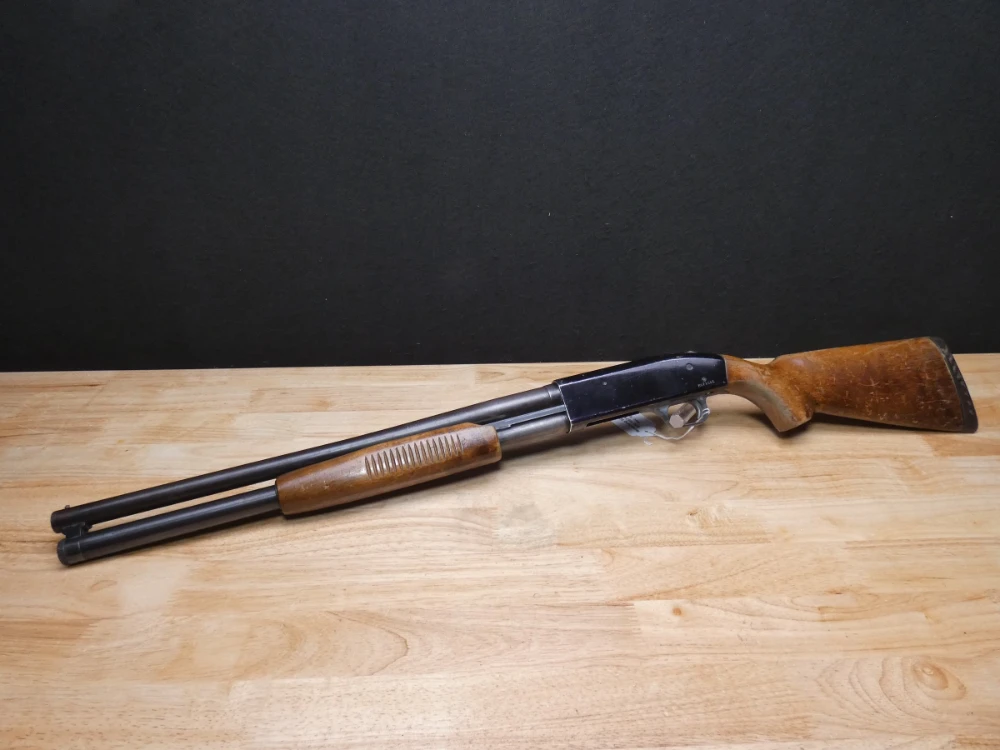
As one of America’s most popular and trusted pump-action shotguns, the Mossberg 500 holds its value due to its proven reliability and versatility. Understanding its worth involves looking beyond the original price tag and considering factors like its specific model, condition, and current market demand. Whether configured for hunting, home defense, or tactical applications, the 500’s value is well-established, with new models retailing from $350 to $600 and used examples typically selling for around $218.
What Determines Your Mossberg 500’s Worth
The primary factors determining a Mossberg 500’s value are its specific model, overall condition, and included accessories. Unlike some firearms, a high round count rarely diminishes its worth, as the shotgun is renowned for its durability. Instead, buyers focus on cosmetic and functional condition. A Field/Deer combo package will command a higher price than a basic Persuader or Cruiser model due to its added versatility. The Manufacturer’s Suggested Retail Price for new models ranges from approximately $350 to $600, while the used market sees an average price of about $218, with final values fluctuating based on these key attributes.
2026 Price Breakdown by Generation
Early Production Models
Unlike collectible firearms where vintage status adds a premium, the Mossberg 500 market does not assign a significant value distinction based on manufacturing generation. Early production models are valued almost entirely on their functional condition and specific configuration rather than their age. A well-maintained shotgun from decades ago can hold a value comparable to a more recent used model, as buyers prioritize the platform’s legendary reliability and utility over any historical or collector-based significance. The key determinants remain wear, finish, and model type.
Because the Mossberg 500 has seen continuous production with minimal fundamental design changes, its value remains consistent across different eras. An older field model in excellent condition will be assessed similarly to a newer one, with the average used value hovering between $255 and $268. Specific sales can range from $165 to $255, a variation driven by the shotgun’s cosmetic state and included features like extra barrels or specialized stocks, not its production year. Durability, not date of manufacture, is what sustains its worth.
Mid-Era Variants
For Mossberg 500s produced in the intermediate years, the valuation principle remains unchanged: model and condition are paramount. The market for these workhorse shotguns is driven by practical application, not collectibility. A potential buyer is far more interested in whether the firearm is a tactical Persuader model or a versatile Field/Deer combo than what year it was manufactured. This utilitarian focus keeps pricing stable and predictable across different production periods, provided the firearm is in good working order and has been properly maintained by its previous owner.
The consistent design of the Mossberg 500 means that parts and accessories are often interchangeable between different production runs, further diminishing any value impact based on age. A mid-era variant in good shape will fall within the same established used price range of approximately $180 to $255. The value proposition for a buyer is acquiring a dependable pump-action shotgun, and as long as a mid-era model fulfills that role effectively, its price will align closely with its newer and older counterparts in similar condition.
Recent Production Models
Even with the most recent Mossberg 500 models, value is still primarily dictated by the specific package and configuration rather than its newness. For instance, a recently manufactured Field/Deer combo can retail for over $400 new, while a basic Cruiser model from the same year may have an MSRP closer to $320. This price difference is based entirely on the included features—such as multiple barrels, sights, and stock types—that tailor the shotgun for a specific purpose. The value is in the utility offered, not simply the date it left the factory.
On the used market, a recent production model will only command a higher price if it is in pristine, like-new condition. However, once used, it enters the same general price bracket as older models, typically averaging around $218. A seller cannot expect to recoup a significant portion of the new price just because the shotgun is only a few years old. The market for the 500 is so robust and consistent that condition and configuration will always be the most critical factors in its resale value.
Specialized Configurations (e.g., Shockwave)
Specialized factory models like the Mossberg Shockwave exist in their own unique value category, separate from the traditional shotgun lineup. Federally classified as a “firearm” rather than a shotgun due to its 14-inch barrel and pistol grip-style “Raptor” grip, the Shockwave’s value is driven by its distinct legal status and compact design. Its pricing, both new and used, is determined by its specific market niche and is not directly comparable to a standard 18.5-inch barrel Mossberg 500, even if manufactured in the same year. This further illustrates that configuration trumps all other factors.
Similarly, rare factory configurations or NFA-regulated items like the ‘Compact Cruiser’ AOW (Any Other Weapon) have their own valuation rules. These models are subject to NFA regulations, including a tax stamp for transfer, which significantly impacts their market value and potential buyer pool. Their worth is determined by the niche demand from collectors and enthusiasts familiar with NFA laws, placing them outside the standard pricing structure of common Mossberg 500 shotguns and reinforcing the idea that a model’s specific design is the ultimate determinant of its price.
How Modifications Affect Value
The impact of modifications on a Mossberg 500’s value is highly subjective, and there is no clear market consensus that specific aftermarket parts consistently increase or decrease its worth. The platform is popular for customization, with owners often adding new stocks, forends, side saddles, or optics to suit their personal preferences. However, a potential buyer may not share the same taste or find the same utility in these upgrades, making it difficult for a seller to recoup the full investment in custom parts. The value of modifications is ultimately in the eye of the beholder.
Because of this subjectivity, sellers often achieve a better return by restoring the shotgun to its original factory configuration before listing it for sale. Selling the aftermarket components separately allows the owner to target buyers specifically looking for those parts, while the standard firearm appeals to a broader audience. Attempting to sell a heavily modified Mossberg 500 as a complete package risks narrowing the pool of interested buyers and may not yield a higher price than a stock version in similar condition, as many prefer a blank slate for their own customization.
Regional Price Variations in 2026
Regional firearm laws can create significant price variations for the Mossberg 500. In states with stringent regulations on semi-automatic firearms, such as California and New York, the pump-action 500 remains a popular and legally straightforward choice for defense and sporting activities. This sustained demand in heavily regulated markets can keep local prices firm and stable compared to regions with fewer restrictions. The Mossberg 500’s status as a reliable, non-restricted option often makes it a go-to firearm, supporting its value in these areas where other platforms are banned or heavily controlled.
However, specific configurations of the Mossberg 500 can be illegal in certain states, directly impacting their local value. For example, New York’s SAFE Act may prohibit pistol-grip-only or folding-stock configurations, rendering them unsellable or less valuable within the state. Similarly, some states may classify shorter models like the Shockwave as handguns based on overall length. These legal nuances mean that a model that is highly desirable in one state could be worthless or legally problematic in another, creating distinct regional markets and price ceilings based on local legislation.
Online vs Local Sales
Engaging in a private sale, whether online or local, will typically yield the highest financial return for a Mossberg 500. By selling directly to another individual, you can expect to receive the full private market value, which averages around $218 but can range from $180 to over $250 depending on the model and condition. This approach requires the seller to manage the listing, communicate with buyers, and ensure the transaction complies with all state and local laws, which may necessitate meeting at a licensed dealer to perform a background check for the transfer.
Conversely, selling to a local gun store or pawn shop offers speed and convenience at a considerable cost. These businesses must cover overhead and generate profit, so their offers are typically between 33% and 50% of the firearm’s private sale value. While this is a quick way to get cash, it means sacrificing a significant portion of the shotgun’s worth. This option is best for sellers who prioritize an immediate, hassle-free transaction over maximizing their financial return, as the trade-off between price and convenience is substantial.
Selling online to a buyer in another state broadens your market but introduces strict legal requirements. Federal law mandates that the firearm must be shipped to a Federal Firearms Licensee (FFL) in the buyer’s state of residence. The seller is responsible for properly packaging the unloaded firearm, notifying the carrier that the package contains a firearm, and ensuring it is sent to a valid FFL. The buyer then completes all required paperwork and a background check at their dealer before taking legal possession, a process that ensures the interstate transfer is fully compliant with federal law.
The FFL Buying Advantage
Using a Federal Firearms Licensee (FFL) for a firearm transfer is a critical step that provides legal protection for both the buyer and the seller. For any sale that crosses state lines, it is a federal requirement to ship the Mossberg 500 to an FFL in the buyer’s state. This ensures the transaction is compliant with federal law, as the FFL will verify the buyer’s eligibility and conduct a mandatory background check before transferring ownership. This non-negotiable process prevents illegal interstate transfers and protects the seller from potential liability.
Even for private sales within the same state, conducting the transfer through an FFL is highly advantageous. While a simple bill of sale is recommended to document the transaction, having an FFL handle the transfer creates an official, indisputable record of the change in ownership via the ATF Form 4473. This formally absolves the seller of legal responsibility for the firearm moving forward. This layer of protection is invaluable, as it provides clear evidence that the seller is no longer the owner should the firearm ever be lost, stolen, or used in a crime.
What Increases Your Offer
Presenting a thoroughly cleaned Mossberg 500 is one of the easiest ways to increase its appeal and justify a higher offer. Before listing it, ensure the firearm is completely unloaded and perform a detailed cleaning. Use a quality solvent and brushes to remove all carbon buildup and residue from the bore, action, and trigger components. Afterward, wipe down all metal surfaces with a lightly oiled cloth to protect against rust and give the shotgun a well-maintained appearance. This simple step signals to buyers that the firearm has been cared for properly.
High-quality photographs are crucial for attracting serious buyers and securing top-dollar offers, especially in online listings. Use bright, diffused lighting—such as on an overcast day or near a large window—to avoid harsh glare and shadows that can hide details. Place the shotgun against a simple, neutral background like a white sheet to make it the focus of the image. Capture clear, high-resolution photos of both sides, the serial number, any manufacturer markings, and close-ups of any notable features or imperfections to build trust through transparency.
While there is no consensus on which modifications add value, including the original factory parts with the sale can significantly increase your offer. Many potential buyers prefer a stock configuration or want the option to restore the firearm to its original state. If you have customized your Mossberg 500, providing the original stock, forend, and any other replaced components allows the new owner to choose their preferred setup. This added flexibility broadens the shotgun’s appeal and can be a strong negotiating point to command a better price.
When to Sell Your Mossberg 500
The optimal time to sell a Mossberg 500 often depends on its specific configuration. For hunting models, such as those with longer barrels or in camouflage patterns, the best selling window is in the months leading up to hunting season. Demand for sporting shotguns surges from August through October as hunters prepare for the field. Listing your firearm during this peak period increases the likelihood of a quick sale at a favorable price, as more buyers are actively searching for a reliable field gun.
For tactical or home-defense versions of the Mossberg 500, the market is less seasonal but still has peak periods. A particularly advantageous time to sell is during tax return season, which generally runs from February through April. During these months, many consumers have more disposable income and are more inclined to make significant purchases. This influx of cash into the market can stimulate demand for personal defense firearms, helping you connect with a motivated buyer and achieve your asking price more easily.
Conversely, the summer months, particularly July, are widely considered the slowest period for firearm sales. With potential buyers often focused on vacations, family activities, and outdoor recreation, the market for firearms tends to cool down. Listing your Mossberg 500 during this time may result in fewer inquiries and less competition among buyers, potentially forcing you to lower your price to make a sale. To maximize your return, it is generally best to avoid this seasonal lull and wait for a period of higher market activity.
Common Pricing Mistakes
A frequent mistake sellers make is pricing their used Mossberg 500 based on its original retail price or sentimental value. A new model may cost between $350 and $600, but the used market operates independently, with average values closer to $218. It is crucial to research recent sales of comparable used models on online forums and marketplaces to set a realistic asking price. Overpricing your shotgun will deter knowledgeable buyers and lead to a prolonged, unsuccessful sale, regardless of what you initially paid for it.
Another common error is attempting to add the full retail cost of aftermarket modifications to the firearm’s asking price. While a custom stock, forend, or optic may have been expensive, these upgrades are highly subjective and may not appeal to every potential buyer. A seller should not expect to recoup their investment in customization. A more effective strategy is to price the shotgun based on its base model value and either include the modifications as a bonus or sell them separately to a buyer who specifically wants them.
Paying for a professional appraisal on a standard Mossberg 500 is an unnecessary expense and a pricing misstep. The value of these common, mass-produced shotguns is well-documented and easily verifiable through publicly available sales data, with most used examples falling within a $150 to $250 range. The cost of a formal appraisal would be disproportionate to the firearm’s overall value and would not provide any information that a savvy seller couldn’t find with a bit of online research, making it a poor use of funds.
Market Outlook for 2026
Forecasting the precise future value of the Mossberg 500 is difficult, as there is no definitive market consensus on its long-term price trajectory. Historically, its value has been anchored by its reputation as an affordable, durable, and highly functional utility shotgun. This position is unlikely to change. Its price in the coming years will likely be influenced more by broader economic factors like inflation and manufacturing costs rather than by shifts in collector demand, which is minimal for this platform. The 500’s value is in its utility, not its rarity.
Given its enduring popularity for hunting, sport shooting, and home defense, the demand for the Mossberg 500 is expected to remain stable and consistent. It is not a firearm that typically sees significant appreciation in value over time. Instead, it holds its value well relative to its initial cost. Barring any unforeseen and sweeping legislative changes that specifically target pump-action shotguns, the market outlook for 2026 suggests that the Mossberg 500 will continue to be a dependable and accessible firearm with a predictable and stable resale value.
Frequently Asked Questions
Does a high round count significantly lower a Mossberg 500’s value?
No, a high round count generally does not have a significant negative impact on the resale value of a Mossberg 500. The platform is renowned for its robust design, durability, and longevity, and it is built to withstand extensive use. Buyers are typically more concerned with the shotgun’s overall cosmetic and functional condition, such as the state of the finish and the smoothness of the action, rather than a specific number of rounds fired. A well-maintained 500 will hold its value regardless of its usage history.
Is it worth getting a professional appraisal for my Mossberg 500?
For a standard, common model of the Mossberg 500, a professional appraisal is generally not a worthwhile investment. The market value for these shotguns is well-established and typically ranges from $150 to $250, a figure that can be easily confirmed by checking recent sales on online marketplaces. The cost of a formal appraisal would likely be a significant percentage of the firearm’s total value, making it an impractical expense for a firearm whose worth is already so transparent and easy to determine.
Will I get more money from a private sale or by selling to a dealer?
You will almost always get a significantly higher price through a private sale. Gun dealers and pawn shops must account for their business overhead and profit margins, so they typically offer between 33% and 50% of a used Mossberg 500’s private market value. While selling to a dealer is faster and more convenient, a private sale is the best route if your primary goal is to maximize your financial return. The trade-off is convenience for a substantially lower cash offer.
How much does the specific model affect the price of a used Mossberg 500?
The specific model and configuration are the primary drivers of a Mossberg 500’s value, far more than its manufacturing date. For example, Field/Deer combo packages with multiple barrels will command a higher price than a basic Cruiser or Persuader model. Recent used sales reflect this, with prices ranging from as low as $165 for simple configurations to over $255 for more feature-rich versions, demonstrating a clear value distinction based on the model’s intended use and included accessories from the factory.
Are certain Mossberg 500 models considered NFA items and how does that affect value?
Yes, and this classification drastically affects value and transferability. While most Mossberg 500s are standard shotguns with barrels 18.5 inches or longer, certain factory models like the ‘Compact Cruiser’ are classified as an “Any Other Weapon” (AOW) under the National Firearms Act (NFA) due to their short barrels. These NFA items require tax stamps and a more complex transfer process, which can increase their value to specialized collectors but also significantly narrows the pool of eligible buyers due to the added legal hurdles.
Get a Cash Offer Today
Ready to sell your Mossberg 500? We make the process simple and secure. Avoid the hassle of private listings and lowball offers from local shops. Submit your firearm’s details through our easy-to-use online portal, and our team will provide a fair, competitive cash offer based on current market data.
Our streamlined process ensures you get paid quickly. Once you accept our offer, we provide a prepaid shipping label and guide you through the legal transfer process. Turn your used shotgun into cash today with a trusted, professional buyer. Click here to get started and receive your no-obligation offer.