
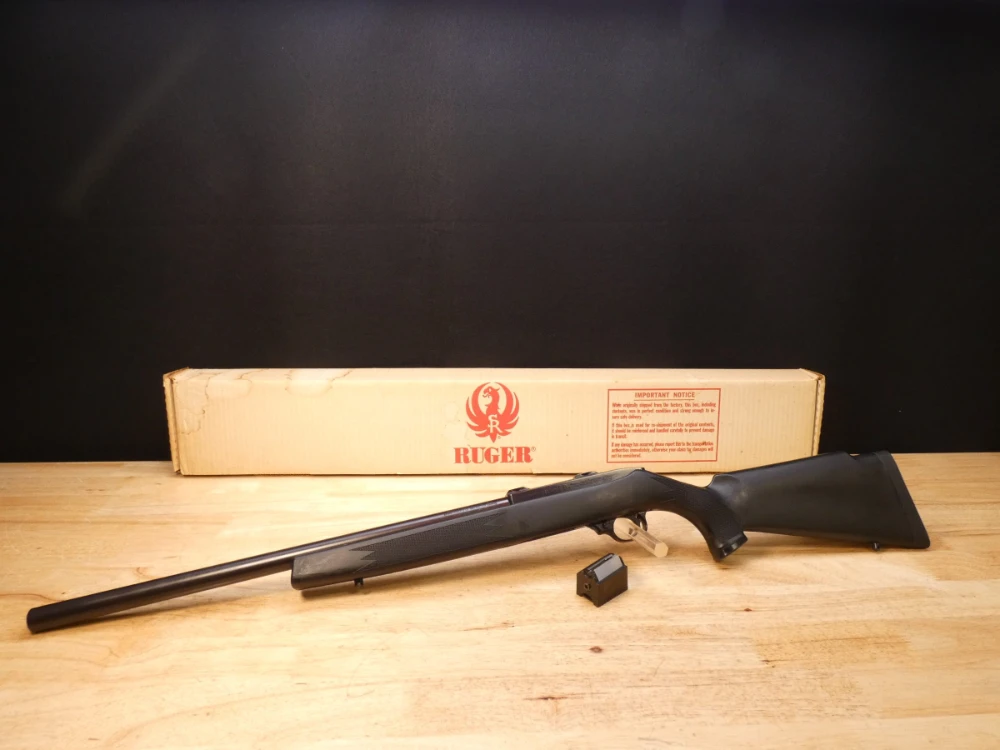
The Ruger 10/22 stands as one of the most popular and enduring .22 LR rifles ever made, prized for its reliability, affordability, and vast customization potential. Understanding its market value is key for any owner looking to sell. The worth of a 10/22 is influenced by its specific model, condition, and included accessories. While a new carbine has an MSRP of $395.00, the used market sees prices average around $307, making it an accessible firearm for many.
What Determines Your Ruger 10/22’s Worth
The primary factors determining your Ruger 10/22’s value are its specific model, manufacturing era, and overall condition. While there isn’t a formal generation system, older rifles made before 2008 with genuine walnut stocks and metal trigger assemblies are often considered more desirable than newer versions featuring plastic components, though this may not always command a significant premium. The most critical value driver is the model variant; standard carbine models typically fetch between $300 and $400, whereas specialized versions like the Target or Competition models can command much higher prices, ranging from $500 to over $950 depending on their features and rarity.
2026 Price Breakdown by Generation
Standard & Classic Models
In 2026, the standard carbine version of the Ruger 10/22 is expected to maintain its position as a highly affordable entry point into shooting sports, with projected prices starting at approximately $279. This model’s enduring popularity is rooted in its simplicity, reliability, and function as a blank canvas for customization. Its consistent availability and low price point ensure it will remain a top choice for first-time buyers, young shooters, and those looking for a dependable plinking rifle, keeping its resale value stable and predictable within the broader firearms market.
For enthusiasts who appreciate a more traditional aesthetic, classic models featuring wood stocks or stainless steel finishes are anticipated to command a slightly higher price in 2026, with estimates placing them in the $320 to $350 range. These versions appeal to buyers seeking the timeless look and feel of quality materials over the purely functional design of polymer stocks. The modest price increase reflects the higher manufacturing cost and perceived quality of these materials, attracting a segment of the market willing to pay a small premium for enhanced style and a more classic rifle experience.
Takedown Models
The innovative Ruger 10/22 Takedown model is projected to hold a strong market position in 2026, with an anticipated price range of $400 to $450. This model’s key feature—the ability to be quickly and easily separated into two subassemblies for convenient storage and transport—is its primary value driver. This functionality makes it exceptionally popular among hikers, backpackers, and anyone with limited storage space. The clever engineering and added utility ensure it remains a premium option within the 10/22 family, justifying its higher cost compared to the standard fixed-barrel carbine models.
The sustained value of the Takedown model is a direct result of its specialized design solving a common problem for firearm owners: portability. Unlike its standard counterparts, the Takedown fits neatly into a compact carry bag, making it an ideal “truck gun” or survival rifle. This enhanced convenience and versatility appeal to a broad spectrum of shooters who prioritize mobility and discreet transport. As such, its price point reflects not just the rifle’s inherent reliability but also the significant practical advantage offered by its unique and well-executed takedown mechanism, a feature that continues to be in high demand.
Tactical Models
By 2026, tactical variants of the Ruger 10/22 are expected to be priced in the $500 to $550 range, catering to a growing market of shooters who desire modern features straight from the factory. These models often come equipped with threaded barrels for suppressors, adjustable stocks, and M-LOK or other modular handguards for mounting accessories like lights and grips. This factory-upgraded configuration saves buyers the time and expense of sourcing and installing these components themselves, making it an attractive package for those seeking a more contemporary, AR-style training platform or a feature-rich rimfire rifle for versatile use.
The higher price point of tactical models is justified by the inclusion of premium components that enhance both ergonomics and functionality. Features that are heavily regulated in states like New York, such as pistol grips and threaded barrels, are key selling points in less restrictive regions. These rifles appeal directly to enthusiasts who appreciate the modularity and aesthetics of modern sporting rifles. By offering these popular upgrades in a factory-built package, Ruger provides a turnkey solution that commands a higher value than a basic carbine that would require significant aftermarket investment to achieve the same level of performance.
Special & Competition Editions
The upper echelon of the Ruger 10/22 lineup, including special and competition editions, will continue to command the highest prices in 2026, with some models potentially exceeding $600, especially those bundled with quality optics. These firearms are designed for specific disciplines, from precision target shooting to competitive events. They often feature heavy barrels, upgraded triggers, and specialized stocks to maximize accuracy and performance. Their value is derived from their high-end components and factory-tuned capabilities, appealing to serious marksmen who demand performance beyond what a standard model can offer right out of the box.
Specialized versions like the Target or Competition models can see their values range from $500 to over $950, reflecting their purpose-built nature. These rifles are not intended for casual plinking but for achieving the tightest possible groups on paper. Their premium price is a direct reflection of the superior materials and precision engineering invested in their construction. For buyers in this segment, the cost is justified by the competitive edge these rifles provide, making them a distinct and valuable category within the expansive Ruger 10/22 family, far removed from the pricing of the common carbine.
How Modifications Affect Value
Determining how modifications affect the value of a Ruger 10/22 is challenging, as there is no clear market consensus on what constitutes a value-adding or value-hurting modification. The 10/22 is one of the most customized firearms in the world, and personalization is highly subjective. An expensive aftermarket stock or trigger that one shooter sees as a critical upgrade might be undesirable to another who prefers a different brand or a classic appearance. Consequently, sellers often find that the money invested in aftermarket parts is rarely fully recovered upon resale, as the pool of buyers seeking that exact configuration is limited.
While the value of specific modifications is debatable, one action is universally seen as a significant value-add: including the original factory parts with the sale. Providing the original stock, barrel, trigger group, and other components gives the new owner maximum flexibility. It allows them to revert the rifle to its stock configuration, sell the aftermarket parts separately, or even use the leftover components to start an entirely new build. This simple act of inclusion broadens the rifle’s appeal to a much wider range of potential buyers and is one of the most effective ways to preserve its value.
Regional Price Variations in 2026
In 2026, the value and saleability of a Ruger 10/22 will continue to be influenced by state-level firearm regulations, creating distinct regional price variations. In restrictive states like California and New York, the primary legal constraint is a maximum magazine capacity of 10 rounds, which aligns with the standard factory magazine for the 10/22. This makes the rifle inherently compliant in that regard. However, these regulations can still affect the desirability and pricing of certain models and aftermarket accessories, particularly high-capacity magazines, which would be illegal to sell or possess in these jurisdictions, impacting the value of any package deals.
The regulatory differences between states like California and New York create further market nuances. In California, rimfire rifles are largely exempt from the state’s feature-based “assault weapon” regulations, meaning models with pistol grips or adjustable stocks are generally legal. In contrast, New York law is much stricter; a semi-automatic rifle like the 10/22 can be classified as an illegal “assault weapon” if it has certain features like a pistol grip or a threaded barrel. This makes standard carbine models more valuable in New York, while tactical versions may be unsellable or require modification, directly impacting their regional market price.
Online vs Local Sales
When selling a Ruger 10/22 locally as a private party, the transaction can be relatively straightforward, though state laws vary significantly. In many jurisdictions, the only required documentation is a Bill of Sale to record the transfer of ownership, although this is not a federal mandate. This method often yields the highest sale price, as you are selling directly to the end-user. However, the seller is responsible for verifying the buyer’s eligibility and complying with all state and local ordinances, which can sometimes require the transaction to be conducted through a licensed dealer for a background check.
Opting to sell to a local gun dealer or pawn shop offers a much faster and simpler process, but at a significant cost. Dealers will typically offer around 65% of the private party market value to account for their overhead and profit margin. For example, a used 10/22 with a private sale value of approximately $307 might only receive a trade-in offer of about $200. This route eliminates the hassle of finding a buyer and navigating legal requirements, but it provides the lowest financial return for the seller and is best suited for those prioritizing speed and convenience.
Selling online to a buyer in another state expands your potential market but introduces federal regulations. Legally, the transaction must be processed through a Federal Firearms Licensee (FFL). The seller is required to ship the rifle to an FFL dealer in the buyer’s state, where the buyer will complete the necessary paperwork and background check. The seller must also adhere to the carrier’s shipping policies, which include declaring the firearm and using discreet packaging. Many carriers now require private individuals to have an FFL handle the shipment, adding another layer of complexity and cost to the process.
The FFL Buying Advantage
For a seller, utilizing a Federal Firearms Licensee (FFL) for any firearm transaction, especially an interstate sale, provides a critical layer of legal protection and ensures full compliance with the law. When selling a Ruger 10/22 to a resident of another state, federal law mandates that the rifle be shipped to an FFL in the buyer’s home state. This FFL dealer then handles the required background check and all necessary transfer paperwork. This process formally and legally removes the firearm from the seller’s name, effectively ending their liability and creating a clear, traceable record of the ownership change.
The advantage of this system is the peace of mind it offers. By letting the FFL manage the final transfer, the seller is not responsible for interpreting complex state laws in the buyer’s location or verifying their eligibility to own a firearm. The FFL serves as a professional, regulated intermediary who ensures every step of the process is conducted correctly. This formal transfer, documented by the dealer’s records, is the most secure and responsible method for selling a firearm, protecting both the seller and the buyer while ensuring the rifle is transferred in accordance with all applicable laws.
What Increases Your Offer
To maximize the offers you receive for your Ruger 10/22, professional presentation is paramount. High-quality photographs are the single most important element of an online listing. Use a simple, non-reflective background and ensure the lighting is soft and even, such as on an overcast day, to eliminate harsh shadows and glare. A modern smartphone is more than capable of capturing clear, in-focus images. Be sure to photograph the rifle from multiple angles, fill the frame to minimize distracting empty space, and include detailed close-ups of any markings, unique features, or signs of wear to build trust with potential buyers.
A thoroughly cleaned firearm signals to a buyer that it has been well-maintained, which can directly lead to higher offers. Before listing your 10/22 for sale, first ensure it is completely unloaded, then disassemble the action from the stock for a deep cleaning. Clean the barrel from the breech end to protect the muzzle’s crown, which is critical for accuracy. Use a rimfire-safe solvent to scrub the bolt and receiver, then lightly lubricate all moving parts before reassembly. Don’t forget to clean the magazine, as a dirty magazine is a frequent cause of malfunctions and an oversight that knowledgeable buyers will notice.
Completeness is another key factor that can significantly increase your rifle’s value. Even if your Ruger 10/22 has been modified, including all of the original factory parts is a major selling point. This provides the new owner with the option to restore the firearm to its stock configuration or use the parts for another project. Furthermore, presenting the rifle with its original box, owner’s manual, and any accessories that came with it from the factory creates a more complete and desirable package, often justifying a higher asking price and setting your listing apart from others.
When to Sell Your Ruger 10 22
Determining the optimal time to sell a firearm often depends on its intended use. For dedicated hunting rifles and shotguns, the market typically sees a surge in demand during the late summer and early fall, as hunters prepare for upcoming seasons. While the Ruger 10/22 can be used for small game hunting, its primary appeal is as a versatile plinking, training, and general-purpose rifle. Because of this broad utility, its sales are less tied to the hunting season and are more influenced by general market trends affecting all types of firearms throughout the year.
A more consistent and advantageous time to sell a popular firearm like the Ruger 10/22 is during the spring season, specifically from February through April. This period often coincides with buyers having more disposable income due to tax refunds, which frequently leads to increased spending on hobbies and recreational goods, including firearms. The general uptick in market activity during these months can result in a larger pool of potential buyers, a quicker sale, and a greater likelihood of receiving your full asking price compared to other times of the year when consumer spending may be lower.
Beyond predictable seasonal trends, sellers should also remain aware of broader market conditions. The demand for firearms can fluctuate based on current events, proposed legislation, and economic factors. While these periods can create a seller’s market, they are often unpredictable. For a consistently popular and readily available model like the Ruger 10/22, relying on the established spring buying season provides a more reliable and strategic window to list your rifle for sale, capitalizing on a predictable increase in consumer activity rather than waiting for a volatile market spike that may not occur.
Common Pricing Mistakes
One of the most common pricing mistakes is overvaluing a standard, mass-produced Ruger 10/22. Due to its high production numbers, a basic carbine model is not a rare collector’s item, and its value is well-established in the used market, typically ranging from $150 to $450. Sellers often make the error of pricing their used rifle too close to its original MSRP without accounting for depreciation. For this reason, a professional appraisal is generally not worth the cost. Instead, sellers should research recent sales of comparable models online to set a realistic and competitive price.
Another frequent error is misjudging the impact of round count. Many sellers mistakenly believe that a high round count significantly lowers the value of a 10/22, but this is simply not the case for this particular rifle. The platform is legendary for its durability, with many examples capable of firing tens or even hundreds of thousands of rounds with only minor, inexpensive parts replacement. Knowledgeable buyers understand this and consider the round count to be almost meaningless. Therefore, offering a steep discount for a “high-mileage” 10/22 is an unnecessary loss of potential profit.
Failing to understand the difference between private sale value and dealer trade-in value is a crucial mistake that leads to unrealistic expectations. A private sale will almost always yield a higher price, but it requires more effort. When selling to a dealer, it’s essential to remember they are a business that needs to make a profit. They will typically offer around 65% of the private market value. For a rifle worth $307 in a private transaction, a dealer’s offer will likely be closer to $200. Expecting to receive the full private party value from a dealer is a common but misguided assumption.
Market Outlook for 2026
The market forecast for the Ruger 10/22 in 2026 indicates that its value will remain strongly segmented by its various models, reflecting the diverse needs of the shooting community. The standard carbine version is expected to maintain its accessible price point, starting at around $279. This will ensure its continued dominance as a first-choice rifle for new shooters, youth programs, and anyone seeking an affordable and reliable firearm for recreational shooting. Its position as a market staple appears secure, with its value anchored by its widespread availability and reputation for dependability and ease of use.
Moving up the product line, more specialized models are projected to hold higher values. Classic versions with wood stocks or stainless steel components are anticipated to sell in the $320 to $350 range, appealing to those with traditional tastes. The ever-popular Takedown model will likely command between $400 and $450 due to its unique portability. Furthermore, tactical and special edition models, often equipped with modern stocks, threaded barrels, or bundled optics, are expected to be priced from $500 to over $600, catering to buyers who want advanced features directly from the factory.
Frequently Asked Questions
Does an older Ruger 10/22 command a higher price?
While there is no formal generation system, older Ruger 10/22 rifles produced before 2008 are often considered more desirable by some enthusiasts. These models typically feature walnut stocks and metal trigger assemblies, which are often preferred over the plastic components used in more recent production. However, this preference does not always translate into a significant price premium. The primary driver of value remains the specific model type—such as a Target or Sporter model versus a standard Carbine—and its overall physical condition, rather than its age alone.
Is it worth getting a professional appraisal for my 10/22?
For a standard used Ruger 10/22, a professional appraisal is generally not a worthwhile expense. The firearm’s value is typically in the predictable range of $150 to $450, and the cost of the appraisal itself could be a significant portion of the rifle’s total worth. The affordability and sheer number of these rifles in circulation keep their resale prices relatively low and easy to determine by researching comparable online sales. A formal appraisal should only be considered for truly rare, vintage, or uniquely customized editions where the value is not readily apparent.
How much does a high round count affect the resale value?
A high round count has almost no significant negative impact on the resale value of a Ruger 10/22. The firearm is widely regarded as exceptionally durable and is capable of functioning reliably after tens or even hundreds of thousands of rounds. Key wear components like the barrel and small action parts are easily and inexpensively replaced thanks to a massive aftermarket. Because of this legendary longevity and serviceability, most knowledgeable buyers in the market consider the round count on a 10/22 to be practically meaningless when assessing its condition and value.
Will adding aftermarket parts increase my rifle’s value?
Adding aftermarket parts to a Ruger 10/22 does not guarantee an increase in its resale value. Customization is a highly personal endeavor, and a potential buyer may not share your taste in stocks, barrels, or triggers, making them unwilling to pay a premium for your specific modifications. In some cases, heavy modification can even deter buyers who are seeking a rifle in its original factory configuration. The most effective way to preserve value is to always include the original parts with the sale, which gives the new owner the flexibility to choose their own setup.
Does the rifle being an NFA item affect its value?
Yes, its NFA status drastically affects its value. A standard Ruger 10/22 is not an NFA item. However, if it has been legally modified and registered as a Short-Barreled Rifle (SBR) by shortening the barrel to less than 16 inches, its market changes completely. An NFA-registered 10/22 will command a significantly higher price due to its specialized nature and the associated costs, including the $200 tax stamp. However, its potential buyer pool becomes much smaller, as the new owner must also undergo the lengthy and complex NFA transfer process before taking possession.
Get a Cash Offer Today
Ready to sell your Ruger 10/22? We make the process simple and secure. Submit your firearm’s details on our easy-to-use platform, and you’ll receive a fair, no-obligation cash offer. We handle all the paperwork and ensure a legally compliant transfer, providing you with a hassle-free way to get top dollar for your rifle.
Don’t let your firearm collect dust. Whether it’s a standard carbine, a modified tactical build, or a classic wood-stocked model, we’re interested. Click here to start the process now and see what your Ruger 10/22 is worth. Turn your used rifle into cash quickly and safely with a trusted buyer.