
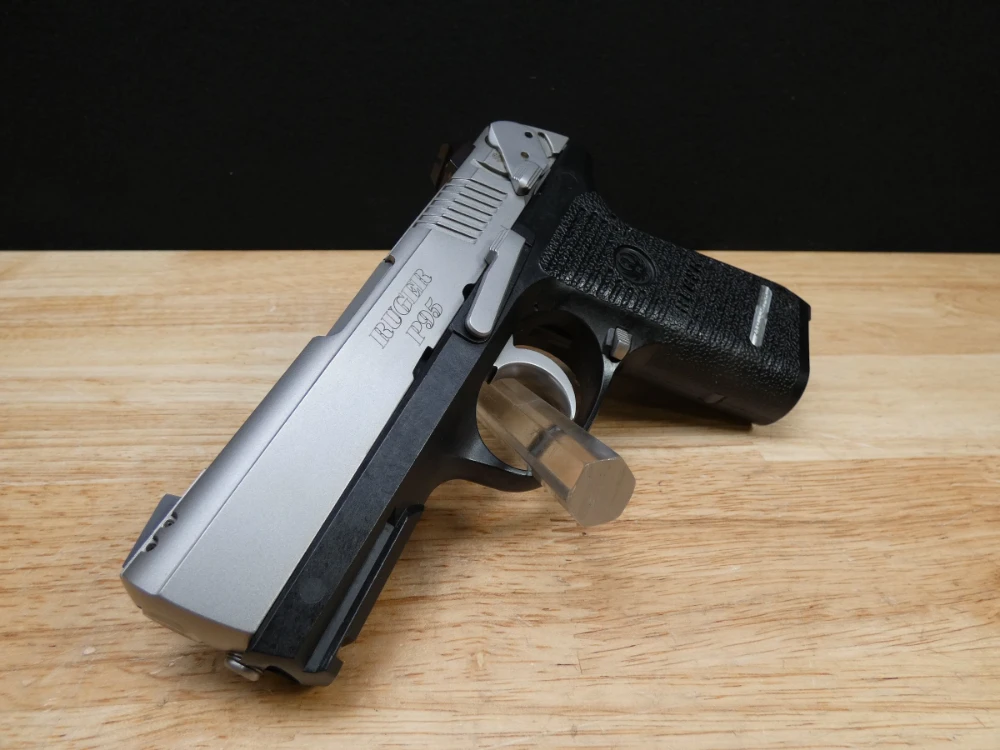
The Ruger P95 is a full-size, semi-automatic pistol renowned for its rugged durability and exceptional value. Discontinued in 2013, this polymer-framed handgun remains a popular choice on the used market for its reliability and straightforward design. Originally retailing for around $399 to $429, its accessible price point and tank-like construction have cemented its legacy as a dependable workhorse. Understanding the factors that influence its current market price is key for both buyers and sellers.
What Determines Your Ruger P95’s Worth
The value of a Ruger P95 is primarily determined by its physical and mechanical condition, included accessories, and specific model features rather than its production date or round count. As a firearm celebrated for its durability, a P95 with a high round count that has been well-maintained can still command a strong price. Key value drivers include whether the model features a blued or more desirable stainless steel slide, and if it is a later variant equipped with a Picatinny-style accessory rail. The presence of the original factory case and magazines also significantly impacts its final worth, as replacing these items incurs a notable cost.
2026 Price Breakdown by Generation
Early Production (Blued Slide)
While the Ruger P95 doesn’t have distinct “generations” in the traditional sense, its production history can be categorized by key features. The earliest and most common models feature a standard blued steel slide. These foundational pistols established the P95’s reputation for reliability and are the most accessible on the used market. In 2026, a well-maintained example of this base model can be expected to fall within the lower end of the value spectrum, typically ranging from approximately $223 to $285. This price point reflects its status as a high-value, budget-friendly handgun, making it an attractive option for first-time buyers or those seeking a durable utility pistol.
The value of these early blued models is heavily dependent on cosmetic condition. Because of their workhorse nature, many were used extensively as truck guns or daily carry pieces, leading to common holster wear and surface scratches. A firearm in “Very Good” or “Excellent” condition with minimal cosmetic flaws will always command a higher price than one classified as “Good” or “Fair.” Sellers should accurately assess and photograph any imperfections, as a 30% to 50% price reduction for heavy cosmetic damage is a reasonable expectation in the market, directly impacting the final offer you may receive for the firearm.
Stainless Steel Slide Variants
A significant variation that influences the P95’s value is the stainless steel slide model. When new, these versions were offered at a slightly higher MSRP, approximately $429, compared to the standard blued models. This premium often translates to the used market, where the stainless slide is sought after for its enhanced corrosion resistance and distinct two-tone appearance. For these reasons, a stainless P95 in comparable condition to its blued counterpart will generally fetch a higher price. These models represent a step up in both aesthetics and durability, appealing to buyers willing to pay a little more for those features.
In 2026, a stainless steel P95 is expected to be valued in the mid-to-upper range for the model, typically between $250 and $350. The price is justified by the material upgrade and perceived longevity. As with all P95s, the overall value is still contingent on its mechanical condition and the completeness of the package. A stainless model with its original box, paperwork, and two factory magazines will be positioned at the top of this price bracket, as it presents a more complete and desirable package for both shooters and collectors who appreciate the P-series lineage.
Later Models with Accessory Rail
Later in its production run, Ruger updated the P95’s polymer frame to include an integrated Picatinny-style accessory rail. This enhancement significantly increased the pistol’s utility, allowing owners to easily mount modern lights and lasers. This feature is a key value differentiator on the used market, as it appeals to buyers focused on home defense or tactical applications. A P95 with an accessory rail, whether blued or stainless, is generally considered more desirable than a non-railed version and will command a higher price. This feature alone can place the firearm in the upper tier of its market value, often from $285 to $429.
The inclusion of the rail marks the most modern iteration of the P95, and its value reflects this added capability. When selling a railed model, it is crucial to highlight this feature in any listing. Buyers specifically searching for a budget-friendly but capable defensive handgun will prioritize this version. A clean, railed P95, especially a stainless one, represents the peak of the model’s development and, consequently, its highest potential resale value. Its price is further bolstered if it is accompanied by its original accessories, creating the most sought-after configuration for this particular firearm.
Special Configurations & Complete Kits
The ultimate value of any Ruger P95 is realized when it is sold as a complete and original kit. A firearm accompanied by its original factory hard case, owner’s manual, and, most importantly, both original magazines will always achieve the highest market price. The absence of these items can result in a significant “completeness penalty,” with an estimated deduction of $50 to $100 from the firearm’s value. This reduction primarily reflects the cost and inconvenience a new owner would face in sourcing two replacement factory magazines, which are essential for the full experience and are often preferred over aftermarket alternatives.
Therefore, a P95 that might otherwise be valued at $300 could see its offer reduced to $200-$250 if it is sold as a bare firearm. Conversely, a later-production, railed stainless model with a complete factory kit could push the upper limits of its value range, approaching or even exceeding $400 in some markets. Sellers should make every effort to locate these original components before listing the firearm for sale, as presenting a complete package is one of the most effective ways to maximize the final selling price and attract serious, discerning buyers looking for a well-preserved example.
How Modifications Affect Value
For the Ruger P95, investing in aftermarket modifications is unlikely to increase its resale value or provide a return on the investment. The platform has a very limited selection of aftermarket upgrades available, and customizations are not commonly sought by potential buyers. While a qualified gunsmith can perform a trigger job to improve the trigger pull, this type of modification is not considered a standard or value-adding feature for this model. Any money spent on such custom work should be considered a personal expense for enhancing the shooting experience, not an investment that will be recouped during a future sale of the firearm.
While consensus on specific value-adding modifications for the Ruger P95 is not well-established in the market, the general rule is that originality is preferred. Buyers are typically looking for a reliable, factory-standard pistol rather than someone else’s project. Therefore, any non-permanent additions should be removed, and the firearm should be returned to its original configuration before sale. Keeping the pistol as close to its factory state as possible is the safest and most effective strategy to preserve its market value and appeal to the widest range of potential purchasers who appreciate the P95 for its original, robust design.
Regional Price Variations in 2026
The value and legality of a Ruger P95 can fluctuate significantly based on state and local laws. For instance, the P95 is not on the California Roster of Handguns Certified for Sale. This means it cannot be purchased from a dealer by a typical resident, making it a more sought-after item in private party transfers within the state. In such a restricted market, its value can be higher than the national average. Similarly, in New York, the P95 is generally legal for possession, but only if its magazines comply with the state’s 10-round capacity limit, a factor that directly influences its saleability and price in that region.
Beyond specific state regulations, general market saturation and local demand also play a crucial role in determining price. In areas with a high concentration of gun stores and a saturated market for used polymer handguns, the price for a P95 might be lower due to intense competition. Conversely, in more rural areas where it might be one of the few durable, budget-friendly options available, it could command a slightly higher price. Understanding these local market dynamics is essential for setting a realistic asking price and ensuring a timely sale, whether you are buying or selling the firearm.
Online vs Local Sales
Selling a Ruger P95 through a private transaction requires careful attention to legal paperwork, which varies dramatically by state. While not a federal requirement, creating a Bill of Sale is a highly recommended practice to document the transfer for the protection of both the buyer and seller. However, the most critical step is to research and comply with your specific state and local laws. Some states have no requirements for private firearm sales, while others mandate that all transfers, even between private citizens, must be conducted through a Federal Firearms Licensee (FFL) to perform a background check.
Alternatively, selling to a local gun dealer or pawn shop offers convenience at the cost of profit. A gun dealer will typically offer between 50% and 65% of the P95’s used retail value if you are trading it toward another purchase. If you are selling it outright for cash, the offer will likely be lower, closer to 30% to 40% of its resale value. Pawn shops operate similarly, often offering around 50% of what they can sell it for, though some offers can be as low as 15-25%. This route eliminates the complexities of a private sale but yields a significantly lower return.
Selling online introduces shipping challenges for private individuals. Due to restrictive corporate policies, common carriers like UPS and FedEx generally prohibit non-licensed individuals from shipping handguns. While federal law technically allows it with proper notification, these carriers now require the shipper to hold an FFL. Consequently, a private seller must use the services of a local FFL to package and ship the Ruger P95 to the buyer’s designated FFL. This process adds an extra layer of cost and logistics that must be factored into the final sale price and arrangements with the buyer.
The FFL Buying Advantage
Utilizing a Federal Firearms Licensee (FFL) is a mandatory component for any interstate firearm transaction. If you sell your Ruger P95 to a resident of another state, federal law requires that the handgun be shipped to an FFL in the buyer’s state of residence. The buyer must then visit that FFL, complete all necessary federal and state paperwork, and pass a background check before they can legally take possession of the firearm. This regulated process ensures that the transfer is compliant with all applicable laws, providing a crucial layer of legal protection and peace of mind for both the seller and the buyer.
The FFL system offers a distinct advantage by professionalizing the transaction and mitigating risk. For the seller, using an FFL to handle the transfer ensures that the firearm is not handed over to a prohibited person, which can prevent significant legal liability. For the buyer, it guarantees that the firearm is transferred according to established legal procedures. This structured process builds trust and security, making online or long-distance purchases viable and safe. By managing the legal requirements, the FFL serves as an essential and trustworthy intermediary that legitimizes and secures the entire sale from start to finish.
What Increases Your Offer
The single most important factor for increasing an offer on a Ruger P95 is its cosmetic condition. Given its reputation for mechanical longevity, buyers focus heavily on its external appearance. A firearm with heavy holster wear, deep scratches, or dings in the polymer frame can see its value reduced by 30% to 50%. A well-preserved P95 that aligns with the NRA’s “Excellent” or “Very Good” condition grades will always command a premium. Presenting a clean, well-cared-for pistol demonstrates pride of ownership and assures the buyer of its overall condition, leading to a higher and faster offer.
Presenting the Ruger P95 as a complete, factory-original package is another way to maximize its value. A significant deduction of $50 to $100 is common for pistols missing the original hard case and, more critically, the two factory magazines. Before listing the firearm, sellers should gather all original items, including the manual and any other included accessories. This completeness not only prevents a value penalty but also makes the firearm more attractive to collectors and discerning buyers who appreciate an unadulterated example, thereby justifying a higher asking price and setting it apart from competing listings.
High-quality presentation through cleaning and photography is essential for securing a top-dollar offer. Before taking pictures, perform a thorough pre-sale cleaning, ensuring the firearm is completely unloaded and following proper disassembly procedures like flipping the ejector down. Photograph the P95 using bright, natural light against a simple, neutral background. Take numerous sharp, clear photos from all angles, including close-ups of markings, the serial number, and any imperfections. Excellent photos build buyer confidence and transparency, making your firearm appear more valuable than one shown in poorly lit, cluttered images.
When to Sell Your Ruger p95
For handguns like the Ruger P95, one of the most opportune times to sell is during tax return season, which generally runs from February through April. During this period, many potential buyers have more disposable income and are actively looking to make purchases they may have postponed. This annual surge in consumer spending power can increase demand across the firearms market, creating a more favorable environment for sellers. Listing your P95 during these months can lead to a quicker sale and potentially a higher selling price as more buyers are actively competing for available firearms.
Conversely, the months leading up to major hunting seasons, typically from August through October, see the strongest market for hunting rifles and shotguns. While the P95 is not a hunting handgun, this period still presents an opportunity. Gun stores and online marketplaces experience a general increase in traffic from enthusiasts preparing for the season. This heightened activity can create a spillover effect, bringing more eyes to all types of firearm listings. Selling during this time allows you to capitalize on the overall increased market engagement, even if your specific firearm is not seasonal.
Considering the Ruger P95’s discontinued status, its value has shown a modest upward trend. This creates a strategic choice for sellers. Selling in the current market allows you to capitalize on its well-established reputation and current demand. However, as fewer pristine examples remain in circulation over time, its value may continue to appreciate slowly. The decision of when to sell depends on your financial needs; selling now provides a predictable return, while waiting could potentially yield a slightly higher price in the future, though this is subject to unpredictable market shifts and is not guaranteed.
Common Pricing Mistakes
One of the most frequent mistakes owners make is overvaluing their Ruger P95. It is essential to recognize that this firearm was designed and marketed as a durable, budget-friendly pistol. A professional appraisal is generally not worth the expense, as the cost of the service could be a significant fraction of the gun’s total value, which typically falls in the $200 to $350 range. Sellers must be realistic and research current market data for comparable sales rather than pricing based on sentimental value or the original MSRP, which is no longer relevant for a discontinued, used firearm.
Failing to accurately assess and disclose the firearm’s cosmetic condition is another critical error. Many sellers list a well-used pistol as “like new” or “excellent” when it more accurately fits the “good” or “fair” category according to NRA grading standards. Heavy cosmetic damage, such as significant holster wear or deep scratches, can warrant a price reduction of 30% to 50%. Being transparent about the condition by providing clear photos and an honest description builds trust with potential buyers and prevents disputes or renegotiations later, ensuring a smoother and more successful transaction.
Ignoring the impact of missing original accessories is a mistake that directly reduces the final offer. A Ruger P95 sold without its factory hard case and, more importantly, its two original magazines, is an incomplete package. Buyers will immediately factor in the replacement cost, which can be between $50 and $100, and deduct it from any offer they make. To avoid this automatic devaluation, sellers should price their firearm accordingly from the outset if these items are missing, or better yet, make an effort to locate them before listing the pistol for sale to present the most valuable configuration possible.
Market Outlook for 2026
The market outlook for the Ruger P95 in 2026 appears positive, with expectations of a continued modest increase in value. Based on late 2025 market data, the average used price for a P95 was approximately $248, which represented an increase of about $21 over the preceding year. This steady upward trend is largely fueled by the firearm’s discontinued status, which limits the available supply, coupled with its enduring reputation for being an exceptionally durable and reliable handgun. As fewer examples become available on the market, especially in good condition, demand from enthusiasts and budget-conscious buyers is likely to sustain this price growth.
Looking ahead to 2026, it is projected that the average price for a used Ruger P95 will likely fall within the $250 to $285 range. This forecast is contingent on continued market demand and the overall economic climate. The pistol’s legacy as a “tank-like” workhorse ensures it remains relevant for those seeking a dependable firearm without a high price tag. Its simple mechanics and robust construction appeal to a segment of the market that values function over modern features, suggesting that the P95 will continue to be a sought-after item on the used market, holding its value well and appreciating slowly over time.
Frequently Asked Questions
Does a high round count hurt the Ruger P95’s value?
A high round count does not significantly lower the value of a Ruger P95. The pistol is widely regarded for its exceptional durability and longevity, with many users reporting reliable function even after tens of thousands of rounds. Consequently, the market places a much higher emphasis on the firearm’s overall cosmetic and mechanical condition rather than the sheer number of rounds fired. A well-maintained P95 with visible signs of heavy use but perfect mechanical function can still be considered a dependable and valuable handgun, with its price reflecting its physical state more than its history.
Is it worth getting a professional appraisal for my P95?
No, a professional appraisal is generally not worth the cost for a standard used Ruger P95. The value of the firearm typically falls within the $200 to $350 range, and the fee for a formal appraisal would likely consume a significant portion of that value. The P95’s market price is well-documented through online sales and auction sites, allowing owners to determine a realistic value through simple market research. An appraisal is better suited for rare, high-value, or collectible firearms where authenticity and condition assessment require expert evaluation to determine a much higher price.
How much does missing the original case and magazines affect the price?
Missing the original factory case and magazines will result in a notable deduction from the Ruger P95’s potential value. The estimated penalty for this incompleteness is typically between $50 and $100. This amount directly reflects the cost and hassle a new owner would incur to source two replacement factory magazines and a suitable case. Presenting the firearm as a complete, original package is one of the easiest ways to maximize its value and avoid this automatic price reduction, as buyers strongly prefer a full kit over a standalone firearm.
Will a custom trigger job increase my P95’s resale value?
No, any money invested in aftermarket modifications like a trigger job will likely not add to the Ruger P95’s resale value or provide a return on investment. The platform has very few aftermarket upgrades, and buyers are typically seeking the P95 for its factory-standard reliability and simplicity, not for custom features. Such modifications are considered personal preferences, and a potential buyer may not value the change or may even prefer the original factory trigger. Therefore, it is best to consider any customization costs as sunk expenses for personal enjoyment rather than a value-adding investment.
Does the type of slide (blued vs. stainless) change the value?
Yes, the slide finish does influence the Ruger P95’s value. Models with a stainless steel slide generally command a higher price on the used market compared to the standard blued versions. When the P95 was in production, the stainless models had a higher MSRP, and this premium has carried over. The stainless steel is sought after for its superior corrosion resistance and its appealing two-tone aesthetic. As a result, a stainless P95 in good condition will typically be valued at the higher end of the model’s price spectrum.
Get a Cash Offer Today
Ready to sell your Ruger P95? We make the process fast, safe, and simple. Click here to submit your firearm’s information and our team of experts will provide you with a fair, market-based cash offer. Eliminate the hassle of private sales and get paid quickly.
With us, you can be confident you’re getting a competitive price without the uncertainty of dealing with strangers or lowball offers from pawn shops. Let us show you the easiest way to turn your used firearm into cash. Get your no-obligation offer today!