
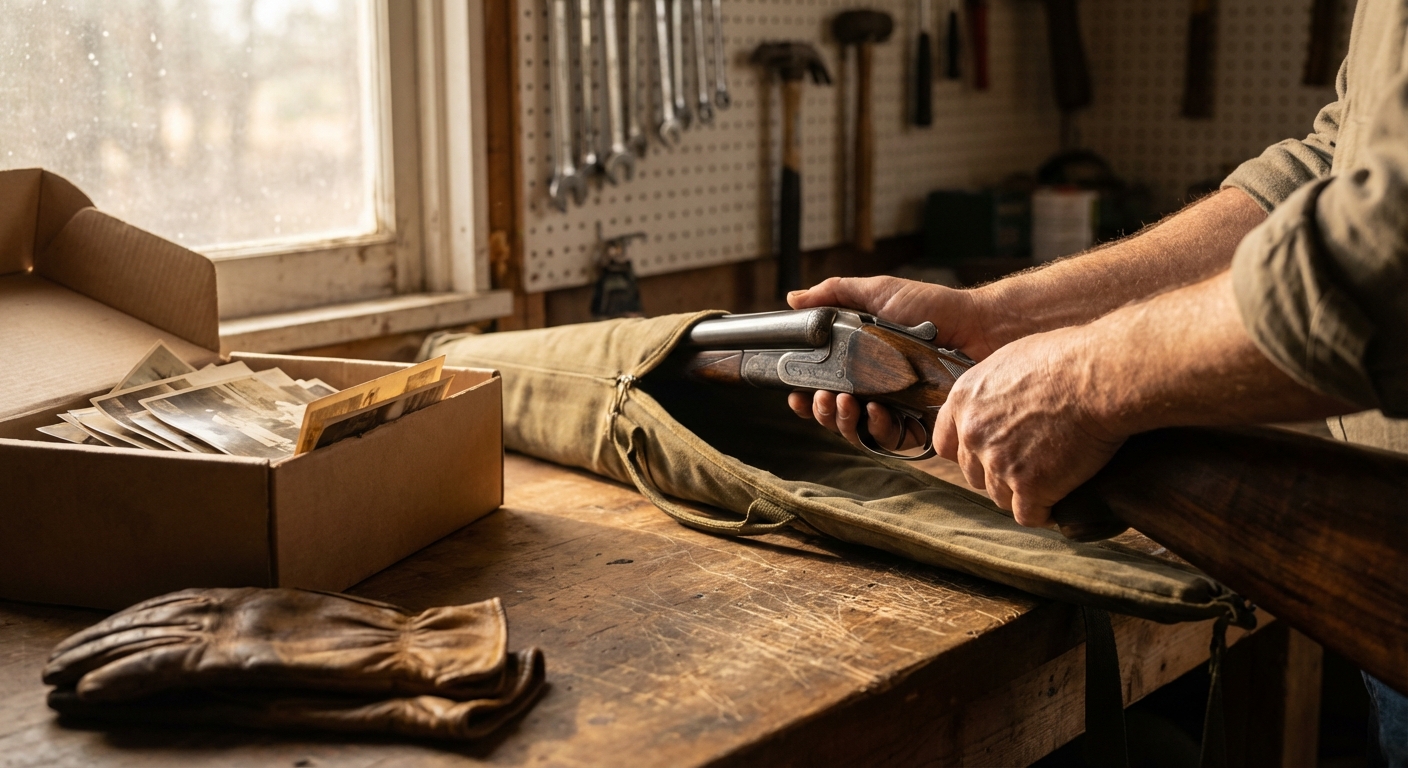

You open the closet and there it is, Grandpa’s old shotgun, still in the case, still smelling like oil and seasons you weren’t alive for. The problem hits fast: you feel the sentiment, but you also feel the risk, because this is the one heirloom you can’t treat casually.
Family expectations pile on, and so does uncertainty. Is it valuable, or just old? Is it safe to have in the house? Are you even allowed to move it across state lines without turning a cleanout into a legal mess? With firearms, emotion, regulation, and safety collide in one object.
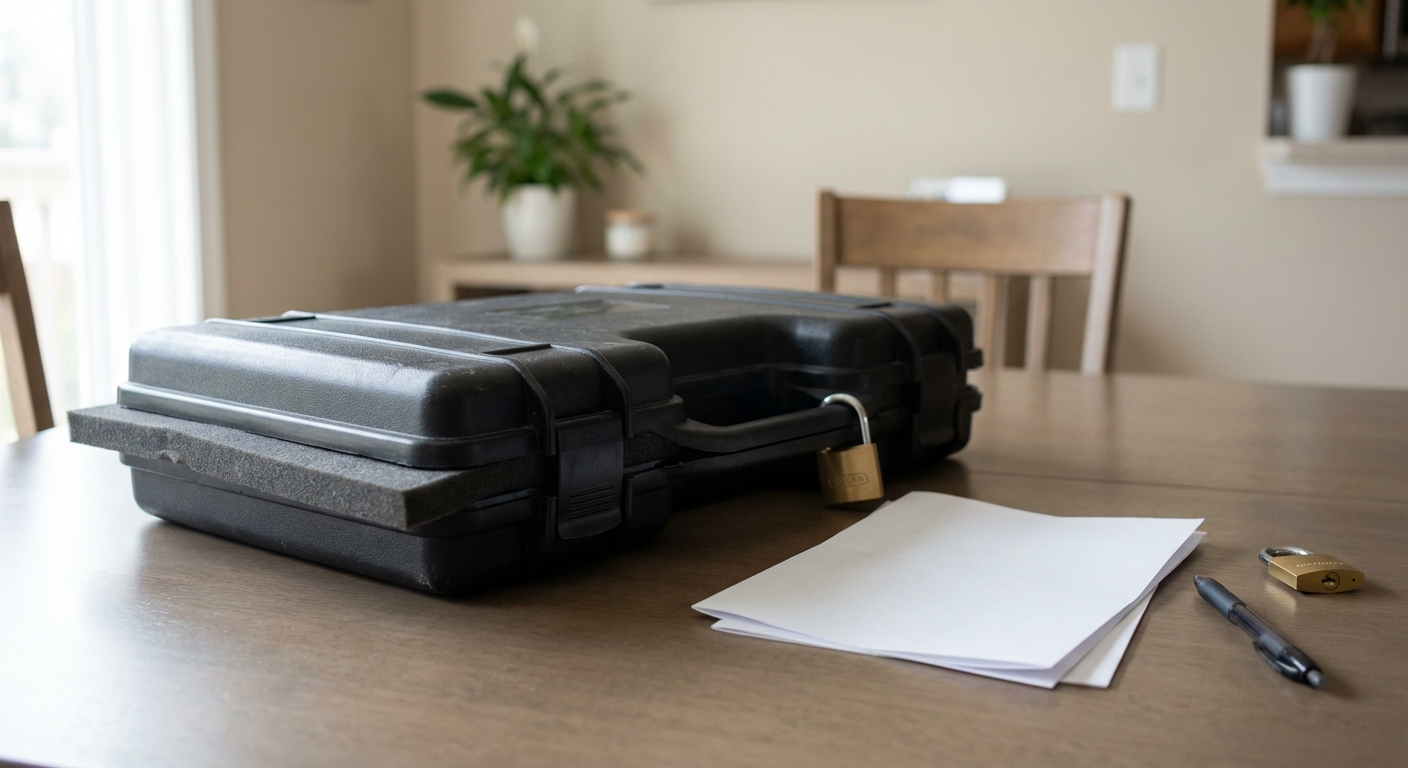
It helps to think in three paths, sell it, keep it, or restore it, but use a “first 24 hours” mindset before you choose. Project ChildSafe’s baseline is non-negotiable: treat every firearm as loaded until you personally verify it, then store it unloaded, locked, and keep ammo separate.
Two quick “pause and verify” flags keep you out of trouble: inheritance can be a federal exception for interstate transfer when it’s a legal inheritance transfer by bequest or intestate succession and the recipient can lawfully possess the firearm, and an NFA-regulated shotgun like a Short-Barreled Shotgun (SBS) is a hard stop if the barrel is under 18 inches or overall length is under 26 inches. When you’re unsure, a Federal Firearms Licensee (FFL), a federally licensed dealer/entity, can help keep the handoff clean while you confirm state and local rules.
Identify It and Make It Safe
Your first job isn’t deciding whether to sell, keep, or restore. It’s making the shotgun safe to handle (review the firearm safety rules every owner should know), then figuring out exactly what you have.
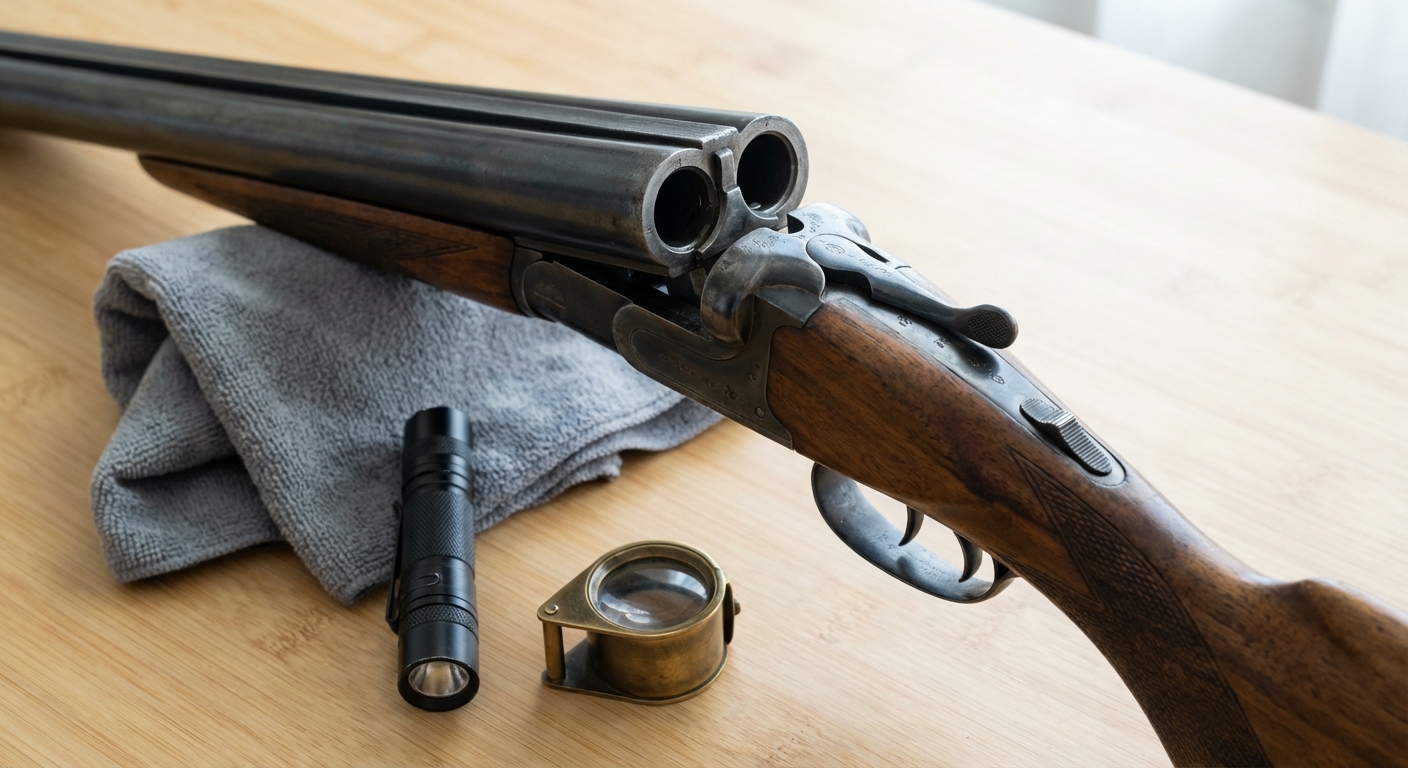
For a typical break-open shotgun, a single-shot, side-by-side, or over/under, stick to the basics every time: keep the muzzle pointed in a safe direction and keep your finger off the trigger while you clear it.
- Open the action fully (use the top lever and hinge it all the way open).
- Remove or eject any shells from the chamber(s).
- Check the chambers twice, first visually (look into each chamber) and then physically (feel each chamber with a fingertip) to verify they’re empty.
Don’t close it back up until you’ve done the visual-and-physical chamber check. That one habit prevents most scary surprises.
Old shotguns hide problems well, especially when the history is unknown. If you see visible damage, heavy rust, loose parts, a loose lockup when the action is closed, or anything that just feels “wrong” mechanically, don’t shoot it yet.
The biggest classic red flag is a Damascus or twist barrel. You’ll often see a distinctive watered, swirl, or twist pattern in the metal instead of a uniform modern-steel look. Those barrels were made from forge-welded layers, and they can hide weld-line flaws or corrosion between layers that you can’t judge from the outside. Get a qualified gunsmith evaluation before firing, period.
Small markings drive big decisions: safety, legality, and value. Write down the make/manufacturer, model, gauge, serial number, barrel length, choke markings, proof marks, and any matching numbers (if present). Add notes on visible modifications, original-finish cues (or obvious refinishing), and any accessories that came with it.
Take clear photos in good light, especially close-ups of receiver and barrel markings and wide shots that show overall condition. A simple photo set plus a written list of make, model, serial number, and key markings makes appraisals and listings faster and more accurate—and it helps to identify your gun by make, model, and serial details.
One last practical note: laws vary by state, and an FFL can answer transfer questions quickly.
Once it’s verified empty and documented, you’re not just guessing anymore-you can make a decision based on what the gun actually is and what shape it’s in.
Value Without Guessing or Sentiment
You can get a realistic value read on Grandpa’s shotgun without guessing, or letting family sentiment set the number. The market prices three things first: demand for that exact make and model (and how supply and demand affects firearm resale prices), rarity or variant features, and condition, often called the gun’s “grade.” Those three levers explain why two shotguns that look “about the same” in a closet can land hundreds or thousands apart.
Originality is where people get surprised. Collector money follows original barrels, original finishes, and correct parts, and changes like rebluing or stripping the finish reduce collector value even if the gun looks prettier afterward.
Condition grading is the shared shorthand buyers use to describe wear and originality in a single, comparable label, so you don’t accidentally compare a refinished wall-hanger to an original example and call it “the same gun.” The NRA condition standards are a common reference point in listings and appraisals, and their “Factory New” example is strict: 100% original finish and parts, perfect inside and out.
Asking prices are optimism. Comps that actually anchor a value come from completed, realized prices, like auction results or completed listings, then matched tightly to critical details: exact variant, barrel length, choke setup, grade, and any documented history or paperwork that affects collectibility. If any of those details differ, the price you’re looking at is a different product.
One shotgun can have several “right” numbers. Insurance or estate appraisal value aims to document replacement or fair market value. Private-party value targets what a typical buyer will pay in a direct sale. Dealer or instant-offer value prices in overhead and resale risk. A shop-sold-on-your-behalf net value starts higher, but your take-home drops after commission and fees. If you’re unsure which number you need, the role of expert appraisers in valuing firearm collections can help clarify when a formal appraisal is worth it. Regulated configurations can also change what’s feasible to transfer, which affects value in practice.
Pros typically start with make and model, then finish and bore condition, matching numbers versus aftermarket parts, current market data from dealer listings and auctions, plus seasonality and regional demand.
Once you’ve got a defensible range (see how to value a shotgun), the decision gets clearer: is this a “keep it in the family” gun, a “make it usable” gun, or a “sell it and move on” gun?
When Keeping It Makes Sense
Sometimes “highest value” isn’t the check you’d cash, it’s the story you keep. Holding onto Grandpa’s shotgun makes sense when the personal meaning or your actual plans for it beat whatever cash you’d net after the hassle.
- It has a real family story you’d hate to see leave the family, a first hunt, a service connection, a passed-down tradition.
- You’ll actually use it for hunting or clays, not just talk about it.
- The market value is modest compared to the sentimental hit you’d take by selling.
- It’s part of a broader family collection that only makes sense as a set.
- Store it responsibly. Use the same safety baseline: store it unloaded and locked, and store ammunition separately (see responsible gun storage best practices).
- Document it like you mean it. Build an inventory record with make, model, serial number, and current value, plus clear photos and any related paperwork in one place. Keep provenance practical: who owned it, when it was used, old hunting photos-anything that preserves the family history now and supports a future appraisal later.
- Get the family aligned. If multiple heirs are involved, agree on the goal (keep in the family vs sell and split), name one temporary custodian, and write down what’s decided. If ownership or transfer details get messy, use an FFL to keep it clean.
Shopping for storage? Many “gun safes” are UL 1037 RSC, which means they passed a 5-minute net working time tool-attack test. UL 687 TL-15 and TL-30 are higher burglary ratings, measured in net working time, with 15 or 30 minutes of tool attack resistance.
Two guardrails keep you out of trouble fast: don’t transfer a firearm to someone you know or reasonably believe is prohibited from possessing one (the 18 U.S.C. §922(d) concept), and interstate transfers generally require an FFL unless a specific exception applies (ATF FAQ concept). When in doubt, call a local FFL and ask what your state requires.
Keeping it doesn’t have to mean “do nothing.” It just means the plan starts with storage and documentation instead of listings and offers.
Restore, Repair, or Leave It Alone
With old shotguns, the smartest “restoration” is usually conservative: fix what’s unsafe, preserve what’s original. Think of it as a spectrum, not a binary choice. At the lightest end is cleaning and conservation, removing grime, neutralizing active rust, then protecting the metal and wood. Next is mechanical repair, the unglamorous stuff like springs, extractors, ejectors, and timing so it runs correctly. After that comes functional work, chamber and choke work that changes how it shoots. Full refinishing, rebluing, re-checkering, and a stock refinish is the point where you’re no longer preserving history, you’re replacing it.
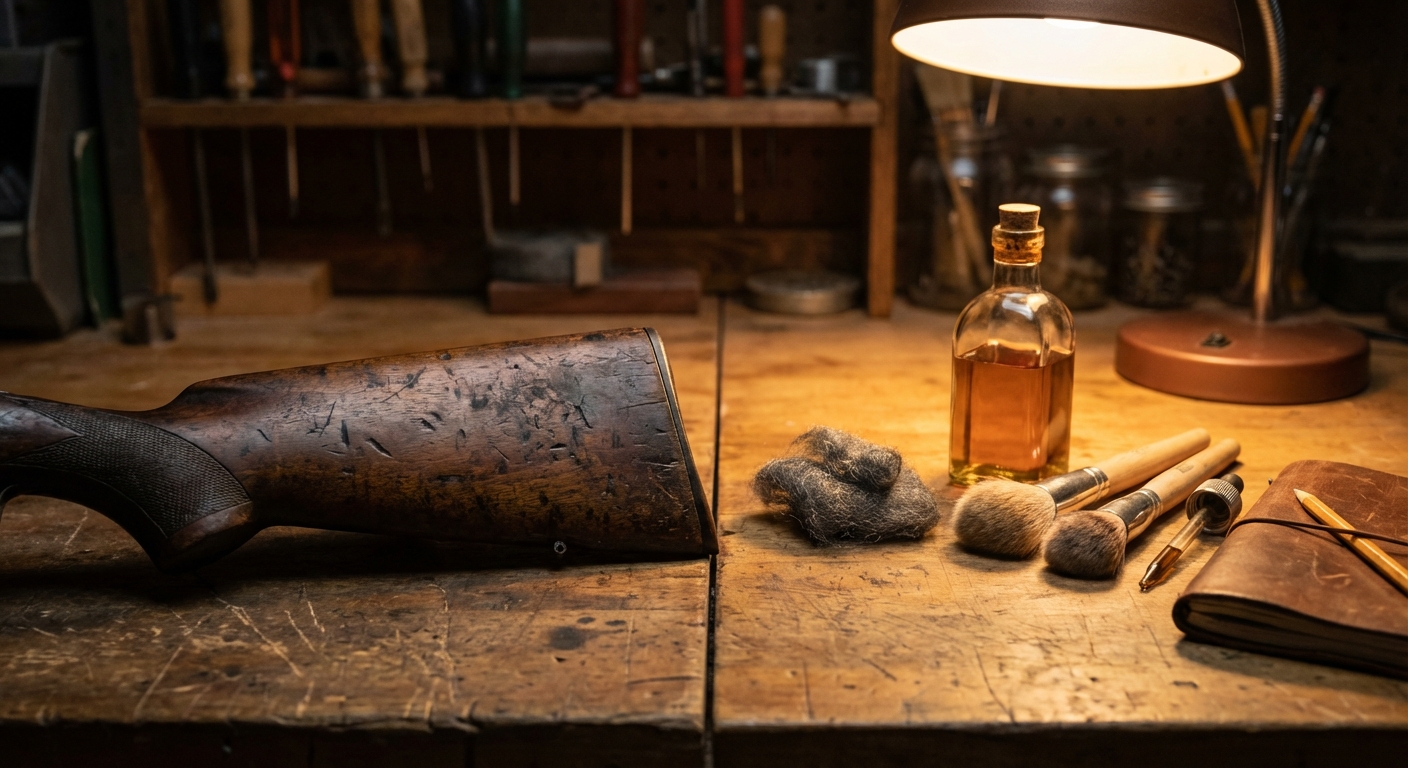
Question one: is it safe and functional? If lockup, the way the action closes and stays tight at the breech, is loose, cosmetics don’t matter until the gun is made safe. Question two: is originality part of its value?
Collector guns carry a real originality premium, and refinishing, rebluing, and major alterations commonly reduce collector value—especially when you remove natural patina. If you’re not 100% sure what you have, “do no harm” is the default.
- Display piece: conserve, avoid irreversible work.
- Occasional use: prioritize mechanical safety, keep finishes as-is.
- Preparing to sell: preserve originality unless you’re certain it’s a non-collector shooter.
A reputable gunsmith focuses on safety first: tight lockup, headspace where applicable, chamber length verification, and structural concerns in the barrels and receiver, dents, bulges, deep pitting, cracks, and thin spots. If it’s an unknown shotgun, get that evaluation before you fire it.
Price sheets vary, but these line-items show up a lot:
- Polish chamber or bore: around $75
- Open or modify choke: around $80
- Common barrel work: often listed around $150 per operation (for example, open choke or cut and crown)
If you’re torn between “restore it” and “leave it alone,” a safety inspection is the clean middle ground: it protects you without forcing irreversible cosmetic choices.
Skip DIY disassembly and metal refinishing unless you’re trained. Start with an inspection, then choose the least invasive work that hits your goal.
How to Sell It Safely
How you sell matters as much as whether you sell, because price, speed, and legal exposure pull in different directions. A local dealer cash offer is the “walk in, walk out” option, it’s usually the fastest and simplest, but your net is typically lower because the shop has to leave room for overhead and resale margin. Consignment is the middle lane: the dealer sells it for you for a fee or percentage, so you often clear more than an instant cash offer, but you wait for the right buyer.
Where it’s legal, a private sale usually brings the highest price, but you’re doing the legwork, screening, meetups, and paperwork expectations, and you own the risk if you get the rules wrong. Online marketplaces widen your buyer pool, but most deals still end with an FFL transfer, plus shipping and process details. If you want speed without meeting strangers, direct-buy services exist; for example, some nationwide online purchasing services outline how to sell an inherited gun legally and what compliance steps to follow.
Treat any “too easy, too much money” offer as a red flag. Avoid payment methods that don’t protect you, and walk away from buyers who pressure you to skip normal verification steps.
Buyers pay faster when you hand them a clean packet: clear, well-lit photos of both sides, markings, and any wear; an accurate description (make, model, gauge, barrel length, chamber, choke if known); straight condition notes; and what’s included (case, spare barrels, sling, ammo, manuals). If you have provenance (documented history), mention it briefly and attach the documents, don’t tell a story without receipts.
Federal baseline: a non-FFL generally cannot transfer a firearm directly to an out-of-state resident; interstate private-party transfers generally go through an FFL in the recipient’s state (18 U.S.C. §922(a)(5)). If an FFL is doing the transfer, an FFL may transfer a long gun to an out-of-state resident only if it complies with federal law and both states’ laws (18 U.S.C. §922(b)(3)). State rules can be stricter, California is the classic example: private-party transfers generally must be processed through a CA-licensed dealer as a PPT, with DROS/background check and a waiting period before delivery.
Selling is mostly paperwork and process, but the same first step still applies: if anything about the gun’s condition or configuration feels off, stop and verify before it changes hands.
A Simple Decision Checklist
You don’t need perfect certainty about Grandpa’s shotgun, you just need the lowest-stress next step that matches what you learned about its condition, history, and value.
If meaning or use is high, keep it and accept the responsibility: store it unloaded and locked, and document what it is plus its provenance. If the goal is usability or preservation, start with a gunsmith safety check for basics like lockup and chamber length, then do the least invasive work that gets you where you want to be. If you’d rather convert it to cash, choose the selling route that fits your hassle tolerance and use an FFL when needed. Before any of that, re-check the SBS/NFA red-flag thresholds described earlier, because that’s the gating factor.
Today: make it safe and don’t fire until it’s inspected if you’re uncertain, take clear photos and write down markings and measurements, then either get an appraisal or offer, or book that gunsmith check. That “first 24 hours” approach keeps the emotion and the urgency from pushing you into a mistake you can’t undo.