
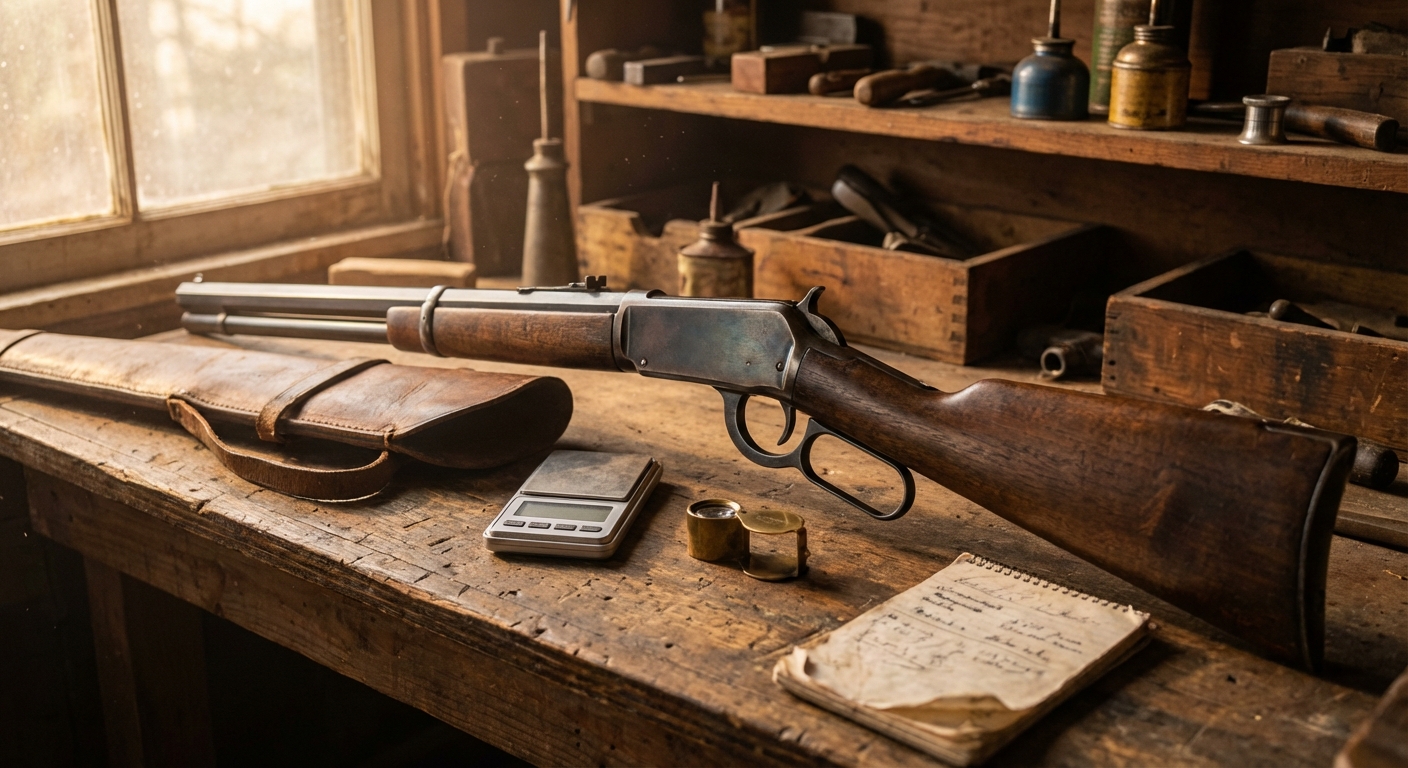

Those Henry price swings you’re seeing aren’t random, they’re almost always configuration plus demand colliding in public.
If your buddy says his Golden Boy is “worth” way more than your H001, he’s not wrong, and you’re not getting lowballed by the internet. You’re looking at two rifles that can share a brand name and lever gun silhouette, but sit in totally different price lanes.
The real trap is trying to price yours fast with whatever asking prices pop up first. That’s how you underprice a clean, desirable setup, or overprice a common one and watch it sit for weeks.
Start with the baseline bands: the H001.22 line is typically Henry’s lowest-priced family new; Golden Boy models are positioned above the standard H001; and Big Boy Brass centerfire guns generally live higher than the rimfire lines. Then layer in what buyers are actually snapping up right now, pricing follows demand, and demand shows up in volume, like 6,474 sold Henry items in the past year, including 1,526 sold Henry Big Boy items.
If you want a Henry lever action value you can trust, meaning an evidence-based estimate of what your specific configuration typically sells for right now, adjusted for condition and selling channel, you have to stop using random asking prices as your yardstick, because what you take home can change with how you sell.
Your next step is simple: pin down your exact model and configuration before you put a number on it.
What Drives Henry Lever Action Value
The biggest pricing mistakes happen when you treat “a Henry lever action” like one category instead of a specific configuration. Online buyers don’t shop “lever guns” in the abstract, they filter down to the exact variant that matches what they already want. If your comparison is even slightly off, you’ll anchor to the wrong number and wonder why your rifle isn’t getting bites.
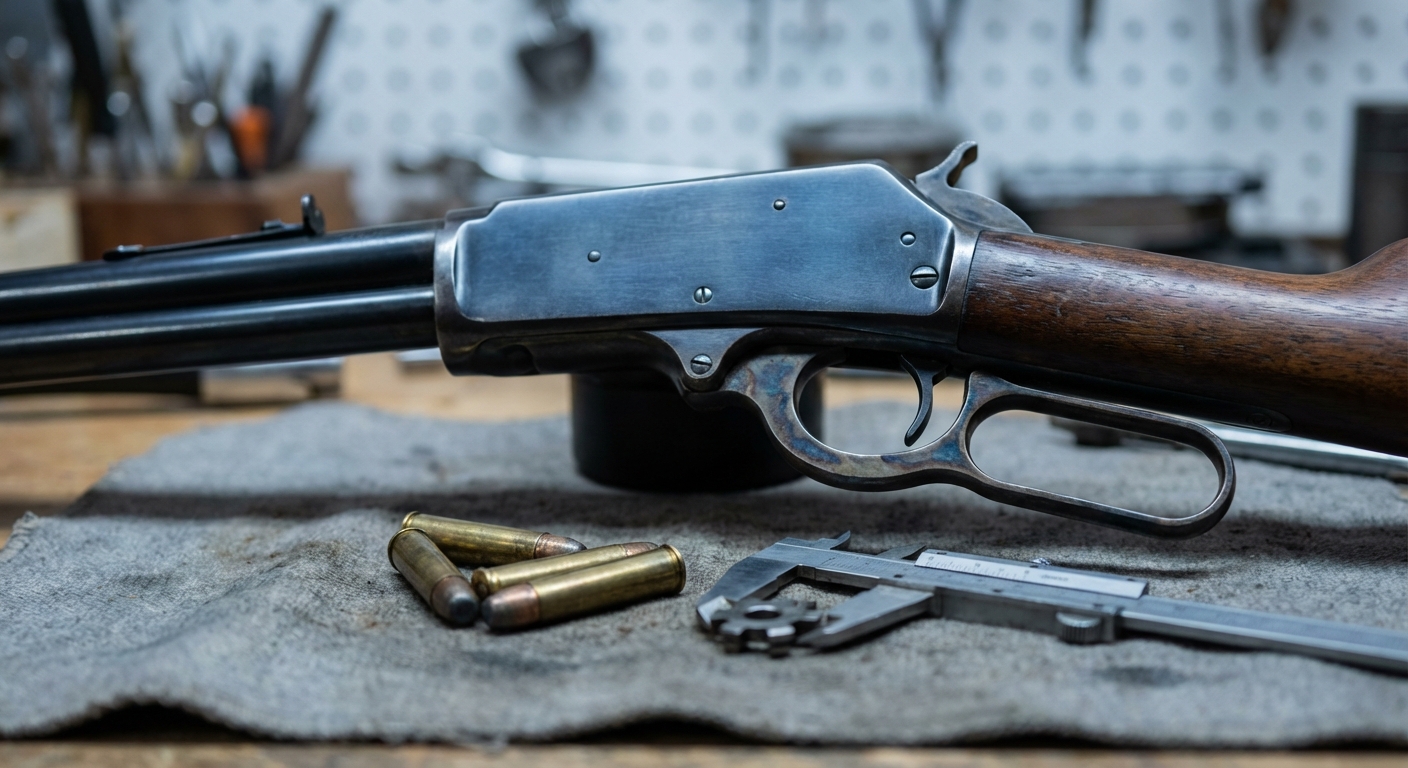
Start by thinking like the market: model or series family first, then the details that change what listings are truly comparable. A rimfire and a pistol-caliber centerfire can share the same classic profile, but they don’t compete in the same buyer searches, budgets, or use cases. The same goes for “Big Boy” style families where multiple SKUs can look close in photos but sort into different buckets once someone clicks the filters.
The Side Gate feature is a big one because it changes how the rifle loads. Henry Side Gate rifles add a side loading gate while retaining a tube-fed magazine, so you’ll see Side Gate and non Side Gate versions listed separately even when the rest of the rifle looks similar.
Barrel length and barrel profile also split demand fast because many marketplaces separate them in the title. For example, the Henry Big Boy Brass Rifle configuration includes a full-length 20-inch barrel and may come with either a standard loop or large loop lever, which means two “20-inch brass” listings can still be different matches depending on lever style.
Finish and material cues matter for the same reason: buyers filter for the look and feel they want. Don’t assume there’s an automatic premium, just recognize that “brass,” “steel,” “blued,” and similar descriptors change which shoppers even see your listing.
One line of specs can quietly mean you’re looking at a different SKU. An octagon, blued-steel barrel with a 1:16 rate of twist is the kind of “small spec” detail that separates two rifles that otherwise seem interchangeable at a glance.
Also, don’t build your expectations around the first high asking price you see. If the variant doesn’t match, the number doesn’t apply. And while you’ll hear talk about special runs, distributor exclusives, and commemoratives, the provided context includes no documented premiums for those, so don’t price yours as if it automatically carries one.
- Exact model or series family
- Caliber (rimfire vs pistol-caliber centerfire)
- Barrel length and barrel profile (octagon vs round)
- Finish and material descriptors used in listings
- Side Gate vs non Side Gate
- Lever style (standard loop vs large loop)
- Key “small specs” called out in listings (example: twist rate, blued-steel barrel wording)
- Included accessories and paperwork (as listed)
Once you know which features actually split your rifle into a different listing bucket, you can do the part that really moves the needle: figure out what your Henry lever-action rifle is worth by identifying your exact model the same way the market does.
Identify Your Exact Henry Model
If you can’t describe your rifle the same way buyers and listings do, you can’t price it correctly. One swapped model name or one wrong barrel-length number, and you’ll end up comparing your rifle to the wrong category entirely, even if the photos “look close.”
Start by building a clean ID card for your rifle (use a guide to identifying your gun if you’re unsure). Henry owner documentation tells you to record the serial number for future reference, and notes the serial is on the underside of the receiver. It also commonly asks that any service correspondence include your contact info and the serial number, so having it written down saves time later.
- Model/series name exactly as marked or documented
- Caliber as stamped on the barrel
- Barrel length (measured correctly, see below)
- Barrel profile (round, octagon, etc.)
- Major features present (side gate vs tube-only loading, finish family, sight type, etc.)
- Serial number for your private records only
Keep the serial number out of public photos and forum posts. You want it for identification and service, not broadcast to strangers.
Lever actions are easy to mis-measure if you start at the receiver face. The chamber and throat sit back into the receiver area, so receiver-face measuring can overstate what listings consider “barrel length.”
- Close the action fully.
- Insert a wood dowel or cleaning rod down the bore until it stops on the bolt face.
- Mark the rod right at the muzzle.
- Measure from the rod’s end to your mark.
If there’s a muzzle device, it only counts toward barrel length when it’s permanently attached, pinned and welded or high-temp silver soldered. Screw-on parts do not count.
Write down the features that change how the rifle is grouped in listings: loading method (side gate vs not), finish family, stock material, and any obvious configuration differences you can verify by markings and what’s physically on the gun.
- Listing a rimfire Golden Boy as a Big Boy because the receivers look “brassy”
- Measuring barrel length from the front of the receiver and calling it “20 inch” when listings measure to the bolt face
- Assuming a feature is “standard,” then missing that your rifle is the side-gate (or non-side-gate) version
- Trying to use a historic serial lookup for modern Henrys, the well-known database covers original Henry rifles only through serial 14,000, and that range ended in 1866
Ready-for-pricing checklist: you can state the exact model/series, caliber, measured barrel length, barrel profile, key features, and you have the serial recorded privately (but not published).
With that ID card in hand, the next separation in price is usually less about the model name and more about what shape the rifle is actually in.
Condition, Original Parts, and Upgrades
Condition and originality are where “same model” prices separate fast, even when two Henrys look identical in a quick photo. Buyers aren’t just paying for a name on the barrel, they’re paying for how much honest life the rifle has left in it, and how confident they feel that nothing hidden is waiting to surprise them.
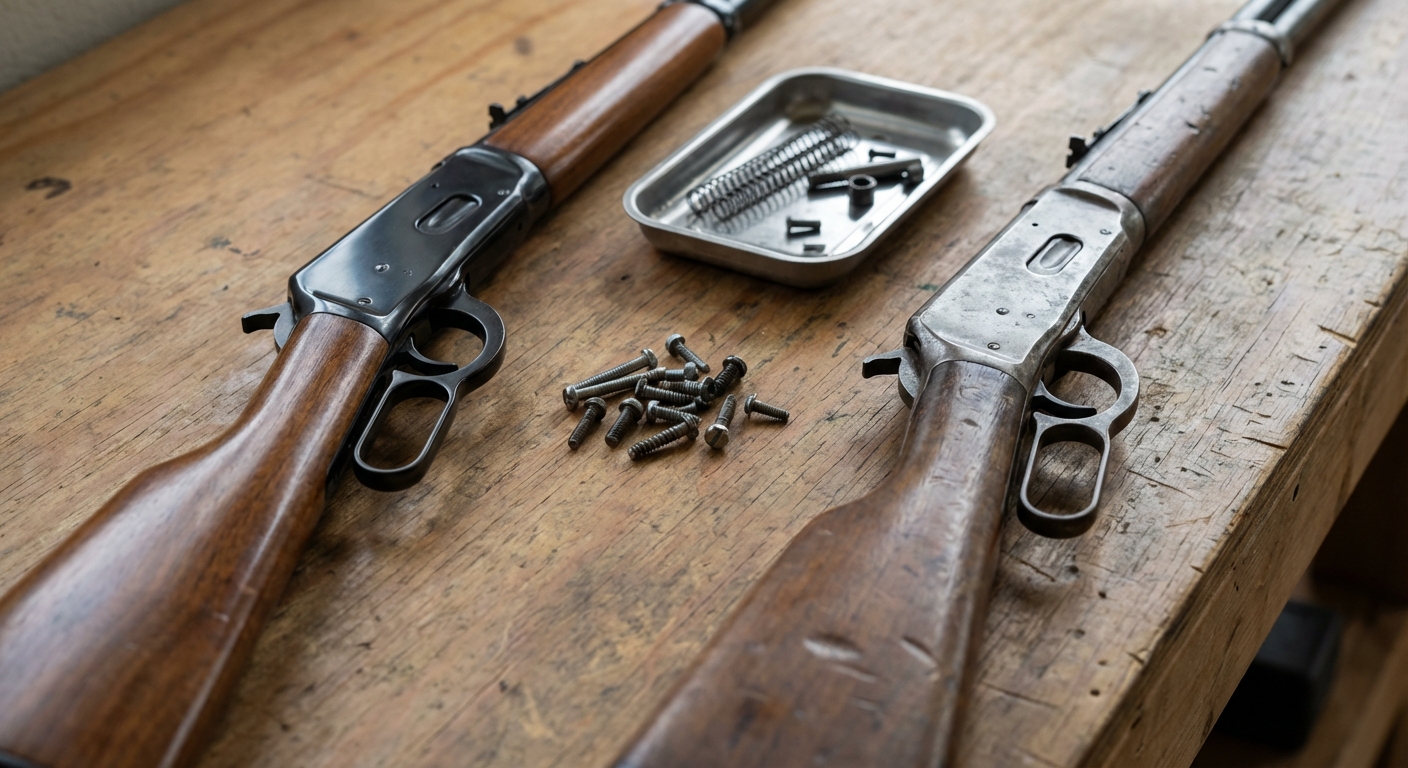
The easiest way to keep condition from turning into an argument is to describe it using the NRA Modern Gun Condition Standards, a shared grading language buyers and appraisers recognize. Under that standard, New means factory new and unfired with no wear, and Excellent means minimal wear, nearly all original finish, and it functions effectively as new.
Instead of writing a novel, think in “finish percentage” checkpoints buyers already use: Excellent is about 98% finish, Very Good about 95%, Good about 80%, and Fair about 30%. You don’t need a microscope, you need a credible bracket: if the receiver has just a little edge wear, you’re probably living in that 95 to 98 zone. If the bluing is thin across high spots and there are clear handling marks, you’re drifting toward 80.
Most buyers scan for the same tells: finish wear on the lever and receiver edges, rust or pitting, dents and bruises in the wood, and whether the action feels smooth and “in time” instead of gritty or sloppy. Then there’s the bore, which can be clean, sharp, and bright, or it can show fouling, frosting, or pitting that a glamor shot never reveals. The more clearly you describe these, the less “risk discount” buyers build into their offer.
Originality, meaning the rifle retains factory-correct parts and finish, drives collector confidence because it answers the big question: “Is this what it’s supposed to be?” Upgrades like an optic rail or different sights can make the rifle easier to use, but they can also shrink the pool of buyers who want factory-correct examples. A practical mindset is “shooter value” versus “collector value”, and how natural patina can matter to collectors, not as hard rules, but as a way to predict who you’re selling to.
Real valuations look past the model name. For example, Cash My Guns explicitly factors in condition (finish and bore condition), aftermarket parts, and matching numbers when appraising firearms.
- Grade it using NRA terms (New, Excellent, Very Good, etc.).
- Estimate remaining finish using the 98, 95, 80, 30 checkpoints.
- Describe bore condition in plain words (bright, frosted, pitted, heavy fouling).
- Call out rust, pitting, wood dents, cracks, and repairs.
- List every non-factory part or modification, even if you think it’s an “upgrade.”
- Confirm matching numbers where applicable, and say when you can’t verify.
Once you’ve got a clear configuration and an honest condition bracket, you’re finally in position to look up prices that reflect what buyers actually paid.
How to Find Real Selling Prices
Once you’ve nailed your exact Henry model and your condition bracket, stop treating asking prices like value. They’re useful for spotting what’s being marketed, but they don’t tell you what actually moved.

Anchor your research on completed/sold listings, meaning finalized transactions where a buyer actually paid, not a current “for sale” post that can sit forever. Pull those sold results from online auction histories, shop records when they’ll share recent sold tags, forum classifieds where the seller marks “SPF” or “SOLD,” and price guides that cite realized sales. The source matters less than the outcome: a closed sale.
If you want a reality check fast, Cash My Guns publishes Henry pricing pages built from sold-item datasets. Those kinds of sold-result pools are the right direction because they’re based on what moved, not what people wished they could get.
Comps (comparables) are recently sold, equivalent examples you can line up against your rifle to build a believable range. “Equivalent” is where most people blow it. Match the exact model and configuration first, then stay in the same condition bracket, then filter for only the key features that actually change the listing into a different product.
Sold prices get distorted by outliers. Treat these as automatic tosses: a clear NIB premium sale, a damaged gun sold as a project, or weird bundles where the final price includes extra gear. What you’re hunting is the middle cluster where most normal, clean transactions land.
Use a defensible workflow: gather 5 to 10 sold comps, match model, configuration, and condition closely, remove the outliers (NIB premium, damage, odd bundles), and average the middle cluster. Then turn that into a range by bracketing slightly above and below the middle, not by chasing the single highest sale.
Keep your comp window tight enough to reflect today’s demand. Seasonality and regional demand move lever-gun prices, so “last month” in your area can beat “last year” nationwide if the market’s shifting (see how supply and demand affects firearm resale prices).
GunBroker trips people up because Quick Search only looks at active listings. To find closed auctions, use Advanced Search and select the Completed Items tab. If you don’t do that, you’re comping against unsold asks.
- Pull 5 to 10 completed/sold listings that match your exact model and configuration.
- Filter them to the same condition bracket and only the key feature matches.
- Delete obvious outliers, NIB premiums, damaged sales, and bundle weirdness.
- Average the middle cluster and set your value range around that center.
That sold-price range is your “market reality,” but how close you get to the top of it depends on the route you take to sell.
Selling Options and Your Net Proceeds
The price range you found is a starting point, not your take-home number. Your net proceeds, the money you actually keep after selling costs, shipping, and transfer handling, changes a lot depending on how you sell and how much legwork you want to do.
- Private sale (where legal)
- What you gain: Best shot at keeping the spread for yourself
- What you pay in friction: Scheduling, vetting buyers, and staying inside your state’s rules
- Best fit: Top dollar with hands-on effort
- Consignment
- What you gain: Shop handles the tire-kickers and display
- What you pay in friction: Less control over timing, smaller cut of the final
- Best fit: Higher price with lower effort
- Online auction
- What you gain: Big audience and competitive bidding
- What you pay in friction: Photos, listings, payments, shipping, returns headaches
- Best fit: Widest buyer pool if you can manage details
- Dealer or online buyer
- What you gain: Fast, predictable, simple
- What you pay in friction: Usually a lower number than top-of-market
- Best fit: Speed and certainty
Federal guardrails can force your route. Under 18 U.S.C. § 922(a)(5), an unlicensed person generally may not transfer a firearm directly to a resident of another state, with limited exceptions. Interstate transfers between unlicensed individuals generally must go through a Federal Firearms Licensee (FFL), the federally licensed dealer who can lawfully receive, record, and transfer the firearm in the recipient’s state. Practically, that often means you ship to an FFL for the handoff and paperwork, not to the buyer’s doorstep.
If you want the “easy button,” Cash My Guns (Dunlap Gun Buyers) is an FFL and positions its process as a nationwide online purchasing service, “Safe • Legal • Hassle-Free,” routing transactions through licensed FFL dealers.
If you want speed, sell to a dealer or direct online buyer. If you want top dollar, start with an in-state private sale or an auction, then sanity-check whether your buyer is out-of-state. If you want low hassle without giving away the whole upside, selling a gun on consignment usually splits the difference.
A Simple Henry Pricing Action Plan
Pricing your Henry isn’t magic, it’s a repeatable process: get the configuration right, read the condition honestly, anchor your number in real sold comps, then pick a selling channel that protects your net.
- Lock in the exact model and configuration (the specific variant is the whole starting point).
- Sanity-check condition and originality, especially finish wear, bore condition, and any parts changes.
- Pull completed and sold listings to set a realistic price range, not a hopeful one.
- Translate that range into net proceeds after fees, shipping, and transfer costs.
- Choose a compliant route that follows the law and matches your timeline and risk tolerance.
If any of the “basics” are fuzzy-what the rifle actually is, how original it is, or how to call the condition-you’ll get more mileage from an expert appraisal for unusual models or larger collections than from forcing a number.
- Your Henry is older, unusual, or the exact variant is unclear.
- You’re dealing with a collection or estate and need consistent, defensible numbers.
- Condition, matching numbers, or “original vs modified” questions feel hard to call confidently.
If you want a straightforward, compliant option, Cash My Guns (www.cashmyguns.com) is a nationwide FFL buyer with an online process. Founder and president John Dunlap has nearly 20 years of hands-on experience and has evaluated tens of thousands of guns, backed by a team of licensed firearms experts, veterans, and seasoned appraisers with decades of combined experience. Before you act on any number, re-check the basics that actually move value: make and model, condition (finish and bore), and matching numbers, then request an appraisal or offer if you want to skip the guesswork.