

You can hit a point where you just don’t want guns in your life anymore, and it doesn’t have to mean you’re “failing” or in a crisis. Plenty of normal, everyday stuff gets you here: a move where you don’t want to haul them, kids in the house, an inherited safe you never asked for, a relationship change, a lifestyle shift, or simply feeling worn down by stress.
You’re allowed to want a clean break. The friction is real, though: you might want them gone fast, but you also don’t want to do something unsafe, illegal, or irreversible out of frustration. The decision usually comes down to one tradeoff, keeping safety and legality locked in while you optimize for your actual priority, speed, privacy, maximum value, or permanent disposal.
If there’s any acute self-harm risk, suicide-prevention guidance commonly recommends getting firearms stored outside the home for now. In safety guidance, temporary off-site storage options can include places like gun shops, shooting ranges, and police departments, and availability varies by location. If that’s not your situation, you’re in the right place too, you’ll leave with a straightforward, safe, legal plan that matches your priority, whether that’s transferring or selling through a dealer, storing them temporarily while you decide, using a surrender or buyback-style turn-in option, or choosing lawful destruction as a true last resort.
Before any of those paths make sense, though, there’s one non-negotiable: the first few minutes of handling and securing the guns safely.
Safety First Before Any Transfer
Safety steps come before paperwork or money. Even the safest disposal option can go sideways if the first 10 minutes are rushed, so your job is simple: stabilize the situation before you transfer anything (review the basic firearm safety rules if you need a refresher).
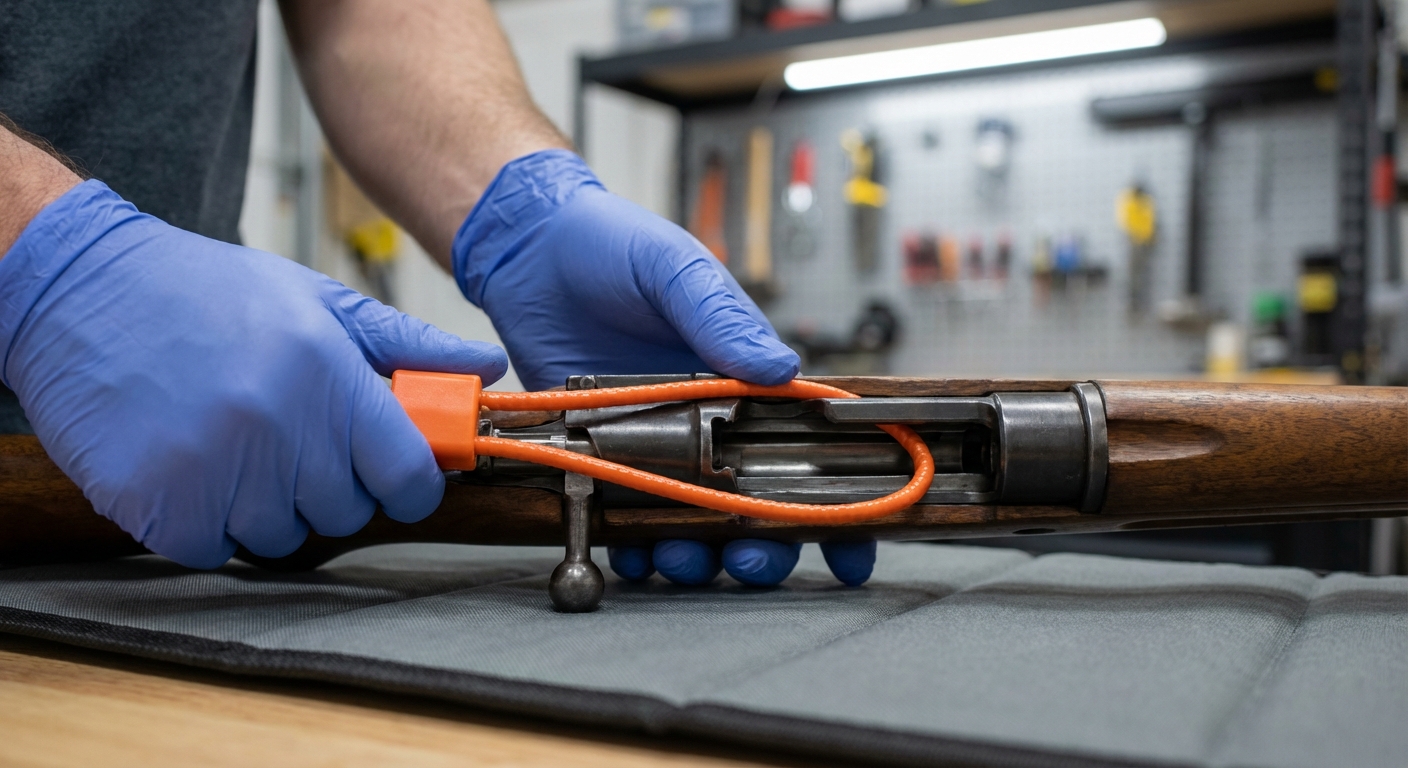
- Unload the firearm.
- Verify it’s empty, twice. Remove the magazine (if it uses one), open the action, and visually and physically check the chamber. If it’s a revolver, open the cylinder and check every chamber.
- Separate all ammunition. Put ammo in a different container and keep it out of the case with the gun.
- Lock it up. Use a gun lock (cable or other style) and place the unloaded firearm in a secure case or container you can close and control.
If anything about this feels unfamiliar, stop right there and get help before you handle it more.
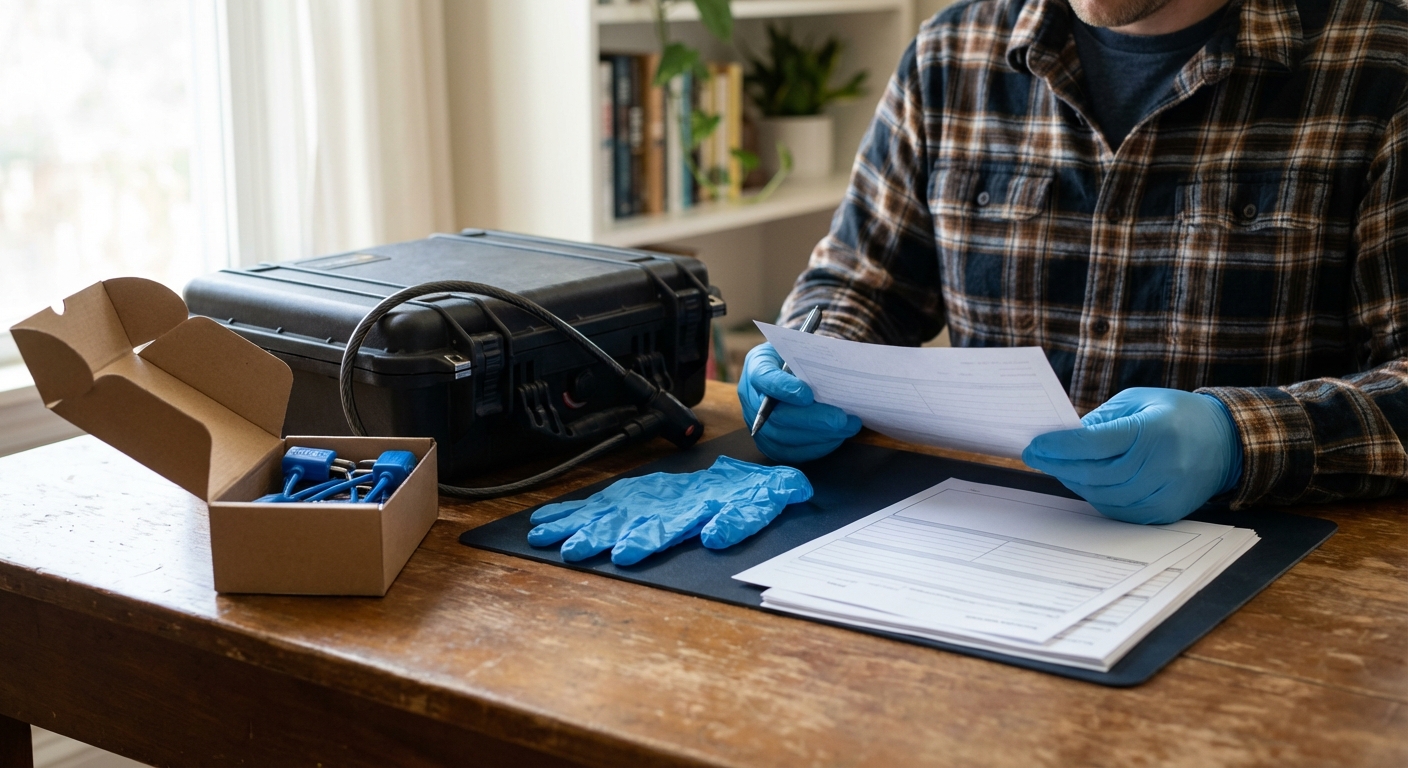
Your personal record is your protection. Write down the make, model, and serial number for each firearm, then keep the paperwork that proves what happened next: a receipt, shipping documentation and tracking, and a bill of sale where applicable.
Stash copies in a place you can find later, because questions tend to come up months, not minutes, after a transfer.
For transport, keep it boring: cased, unloaded, and with ammunition separated. Call ahead before you leave to confirm the receiving party’s intake rules, hours, and what they will and will not accept, so you do not show up with the wrong packaging or missing documentation.
If you’re crossing state lines, the federal safe-passage provision (18 U.S.C. § 926A) sets a baseline for lawful interstate transport, the firearm must be unloaded and not readily accessible, which usually means in the trunk or a locked container. When relying on 18 U.S.C. § 926A, that locked container cannot be the glove compartment or center console.
Treat inherited or unknown-condition firearms as potentially loaded or unsafe. Don’t attempt repairs or force anything open. If you’re unsure how to clear it safely, use a professional, an FFL or a gunsmith, to help inspect and secure it before you move it.
Once they’re unloaded, secured, and you’ve got your basic notes, you can choose a disposal route without feeling like you’re making decisions mid-chaos.
Your Legal Disposal Options
“Legal” disposal isn’t one path, it’s a small menu. The safest choice is usually the option that routes the transfer through a licensed dealer or an official program, because the rules and the paperwork are already built into the process. No matter why you’re done with a firearm, there’s a compliant lane that fits, and these are common legal ways to get rid of a gun.
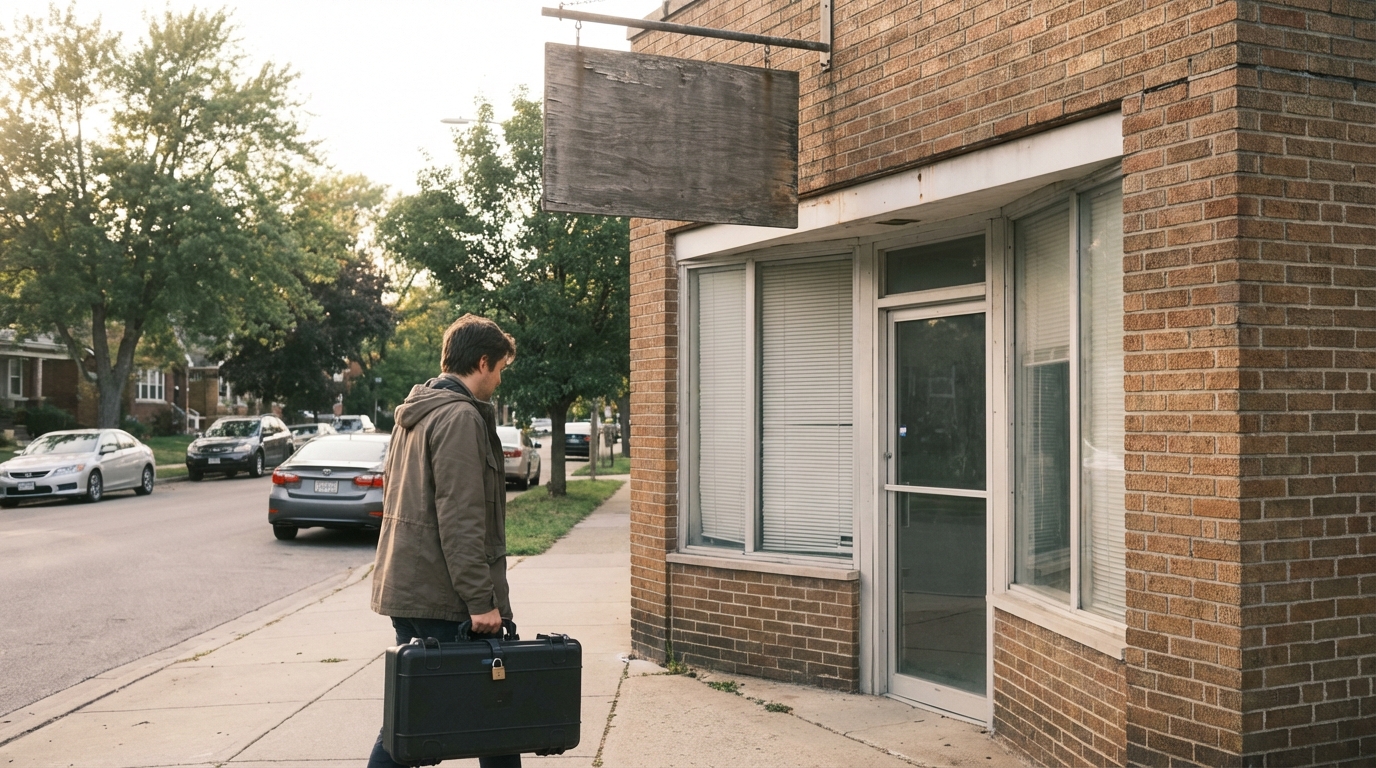
Start with a straight sale to a dealer. A Federal Firearms Licensee (FFL), meaning a federally licensed gun dealer, can buy it from you and handle the downstream transfer rules on their end. Dealer-based services can also be remote, for example Cash My Guns routes transactions through licensed dealers rather than informal meetups.
Cash My Guns operates under Dunlap Gun Buyers, which is a federally licensed firearms dealer (FFL).
If you want maximum return without managing buyers, ask about consignment, meaning the dealer sells the gun for you and takes an agreed cut after it moves.
A private-party transfer, meaning a transfer between two unlicensed people where allowed, is the lane that trips people up. Many owners still choose to run it through a dealer for clarity, because an FFL must conduct a NICS background check, the federal instant check (or a permitted alternative), before transferring a firearm to a non-licensed person unless a federal exception applies. That’s also where ATF Form 4473 comes in, the federal transfer record that the actual transferee/buyer, not a stand-in, completes and signs.
For gifting or donating to a qualified recipient, a dealer-facilitated transfer keeps eligibility questions and any waiting-period rules in the right place.
A gun buyback is usually a time-limited drop-off run by police or a partner group. Many advertise “no questions asked,” and they typically require unloaded, safely transported firearms before intake. If the goal is permanent disposal, you can also arrange lawful destruction through an appropriate official channel, without trying to improvise it yourself.
If you’re unsure which lane applies, route it through a local dealer and ask what they require, local policies and state laws can be stricter than the federal baseline.
That “stricter than the baseline” part is the piece people underestimate most, because the rules can change dramatically the moment you change states (or sometimes counties).
State Rules That Change Everything
Your state changes the rules of the game. The exact same “private sale” that feels straightforward in one zip code can turn into paperwork, waiting periods, or outright dealer-only processing in another. The safest default, even when you think a private sale is allowed, is to route the transfer through an FFL (licensed gun dealer) and let them confirm the current requirements before money or firearms change hands.
As of February 2026, Texas private-party transfers and dealer sales generally do not require an FFL or background check for most in-state private-party transfers, but Texas dealer sales still run through the federal background check process unless an exemption applies. If you want the cleanest paper trail, using an FFL is the low-drama option, and your dealer will confirm any local or category-specific wrinkles.
Florida private sales are often discussed as “FFL not required,” but waiting periods and county rules can add layers, and gun show transfers by unlicensed sellers commonly involve background-check processing. When timing matters, an FFL can tell you what applies in your county and what they’ll accept for intake.
As of February 2026, California requires nearly all firearm transfers, including private-party, to be processed through a CA-licensed dealer with DROS and a background check, and generally imposes a 10-day waiting period. An FSC is generally required to receive or purchase (with limited exemptions), and your dealer will walk the buyer through the exact documents and steps.
Georgia commonly allows in-state private-party transfers without a dealer requirement, but “allowed” and “smart” are different. Use an FFL when you want a clearer compliance record, and ask about any city or county rules and any special firearm categories that change handling.
Pennsylvania is where people get tripped up by “it depends” details, especially around certain firearm types and local practice. Default to an FFL transfer, and let the shop tell you what’s required for your specific item and your specific county.
Ohio often feels simple until you factor in out-of-state buyers, shipping, or oddball categories. An FFL keeps the process consistent, and they can ship to another FFL when the other party is in a different state.
Arizona private transfers are commonly discussed as permissive, but you still want certainty on eligibility checks and documentation. An FFL gives you one process to follow, plus a record of how the transfer was handled.
New York is paperwork-heavy by design: private-party transfers generally run through a dealer for a background check, and handguns tie into state licensing and local procedures. Your dealer will confirm the exact license and listing steps before you schedule anything.
North Carolina is a good example of why “state law” is not the whole story, because local practice and firearm type can change what the shop wants to see. Call an FFL first and follow their intake instructions to the letter.
Illinois is another state where buyers and sellers often assume the rules are uniform, then discover documentation and verification steps matter. Treat an FFL as your default, and confirm city or county overlays and any category-based restrictions with the shop.
Copy/paste: “Hi, I’m looking to transfer or sell a firearm and want to do it through your shop. As of today, what do you need from me and the buyer? Do you require an appointment, what ID or documents do you need, and what are your transfer fees? Will you accept this specific firearm and any accessories? If the buyer is out of state, can you ship to their FFL, and what does that cost? What hours should I come in, and can you email or text me your current requirements?”
If the answer feels fuzzy, that’s normal. Get the dealer’s current requirements in writing (email or text) before you drive over, and treat anything you read online as outdated until a local FFL confirms the exact process for your state, your county, and your specific firearm.
Once you know what your state requires, the next practical question is usually the one that keeps people stuck: what the guns are actually worth, and whether selling is even worth the hassle for you.
What Your Guns Might Be Worth
Once you’ve squared away the legal side, the next stress point is usually price. The fastest way to get unstuck is to stop thinking in “what someone listed it for” and focus on what comparable guns actually sold for, then adjust for your exact condition and configuration. Services like Cash My Guns are built around keeping the transaction safe, legal, and hassle-free, but your value still comes down to the same fundamentals buyers pay for.
Value is driven by specifics, not the rollmark. Cash My Guns points to the core valuation inputs you should document up front: make and model, condition details like finish wear and bore condition, matching numbers, and aftermarket parts. The catch is that “aftermarket” cuts both ways, optics and quality lights can help if the buyer wants them, but permanent or taste-specific mods usually narrow your buyer pool. The cleanest way to protect value is to keep original parts, boxes, and papers together, and be brutally accurate about mechanical issues.
- Nail the exact variant: generation, barrel length, caliber, finish, and included magazines or accessories.
- Pull real sold prices: use GunBroker Advanced Search and filter to “Completed Items” so you’re looking at ended listings with realized outcomes, not wishful asking prices.
- Cross-check the story: use TrueGunValue for market-estimate context and Guns.com sold or price-history views to compare against dealer-driven results.
- Adjust for your reality: condition, missing parts, irreversible mods, and any selling costs (shipping, transfer, or consignment fees) change what you actually net.
- Glock 19 value, Glock 19 worth, Glock 19 price
- Glock 17 value, Glock 17 worth, Glock 17 price
- SIG P320 value, SIG P320 worth, SIG P320 price
- Beretta 92 value, Beretta 92 worth, Beretta 92 price
- CZ 75 value, CZ 75 worth, CZ 75 price
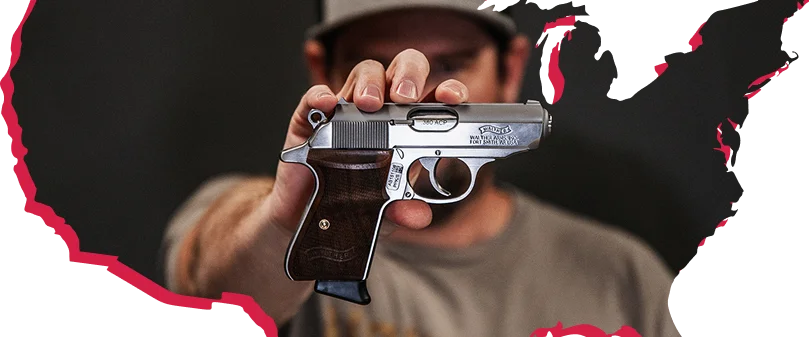
- Walther PPK value, Walther PPK worth, Walther PPK price
- Colt Python value, Colt Python worth, Colt Python price
- Springfield 1911 value, Springfield 1911 worth, Springfield 1911 price
- Taurus G3C value, Taurus G3C worth, Taurus G3C price
- Ruger LCP value, Ruger LCP worth, Ruger LCP price
- S&W M&P value, S&W M&P worth, S&W M&P price
Write down the exact model details, take clear photos, and run comps before you commit to any disposal route. That’s how you avoid giving away a collectible by accident, or overpricing a common model and dragging the process out for weeks.
And if you don’t want to spend more time on pricing than the guns are worth to you emotionally, that’s fine too-this is where your priority (cash, speed, privacy, or permanent disposal) matters more than “perfect” value. For larger collections or unusual pieces, getting a professional appraisal can help you set expectations and avoid costly mistakes.
Pick the Right Path for You
Your priority decides the right path. There isn’t a single “best” way to get rid of guns, because every option trades something, money, time, privacy, or certainty. If you pick the pain you most want to minimize first, the choice gets a lot simpler.
Maximum cash: Use a dealer sale or consignment, or a reputable buyer that routes the transaction through an FFL. You’ll give up some margin to fees or commissions, but you’re usually trading that for a cleaner process and fewer surprises. One nationwide example is Cash My Guns, which markets “Safe • Legal • Hassle-Free” and states it’s been “Trusted Since 2013.”
Fastest removal: Sell directly to a local FFL so the guns leave your control the same day. If you’re not ready to decide on selling yet, off-site storage while you think, such as some gun shops, ranges, or police departments, gets them out of the house immediately.
Maximum privacy, lowest drama: Keep it dealer-mediated. You avoid meeting strangers, reduce negotiation stress, and shift a lot of the paperwork friction onto a business that does it daily.
Permanent disposal, no resale: Choose a turn-in or buyback, or ask local authorities about lawful destruction channels. You’re buying certainty, not top dollar, and for many people that’s the whole point.
Keep that simple inventory list and save whatever you receive, receipt, bill of sale where used, or any FFL paperwork. Skip sketchy payment methods, unrealistic offers, pressure tactics, and “buyers” who won’t verify who they are. If any part feels off, walk.
One cost reality to plan for: FFL transfer fees vary by dealer, but commonly land around $20 to $75, and some shops charge $100+ for certain transfers or services. Pick your #1 priority today, call an FFL, and choose the route that matches. When in doubt, use an FFL.
To close the loop, it helps to end with a short checklist-because when you’re stressed, “simple and repeatable” beats “clever.”
A Simple Checklist to Finish Safely
You’ve got a safe path forward, and you can wrap this up cleanly without rushing or second-guessing yourself.
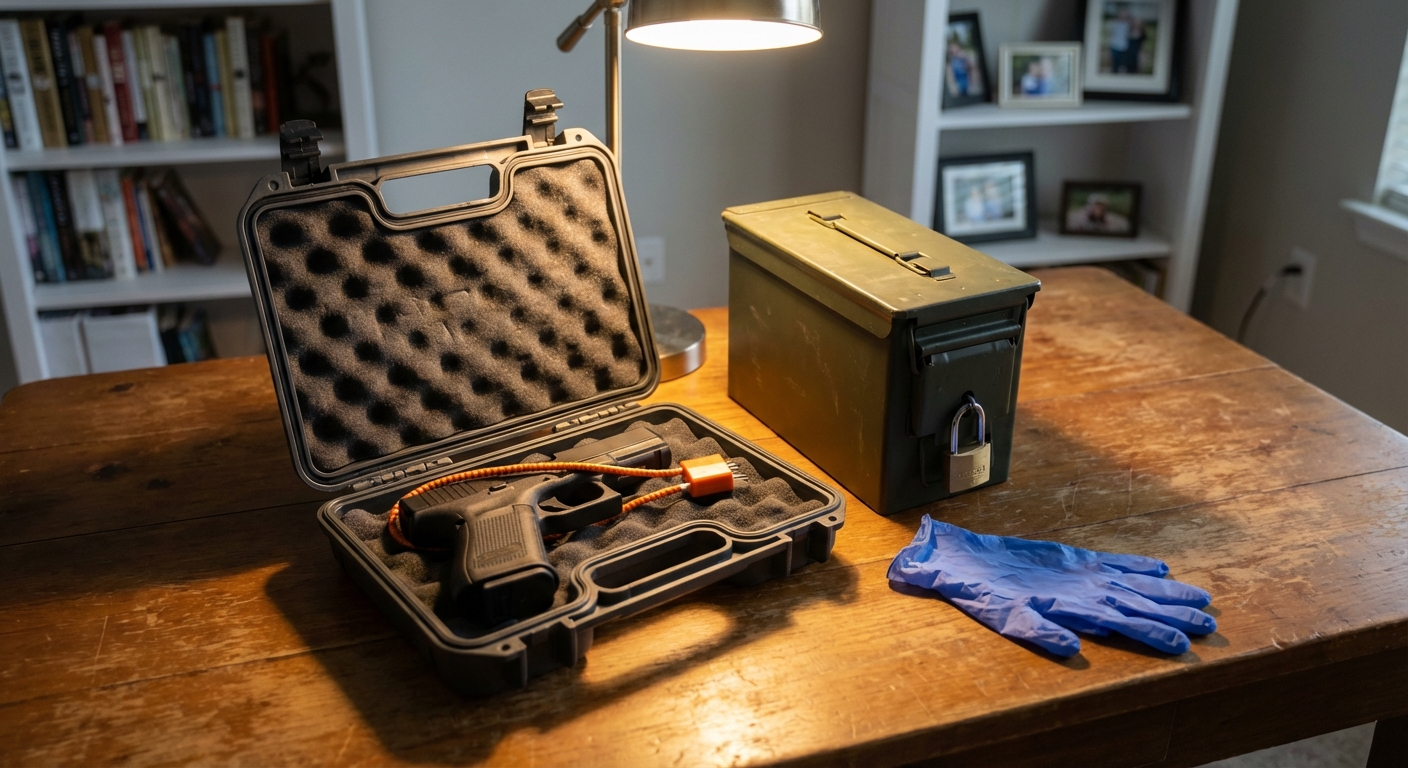
The main trap is speed, rushing creates avoidable risk. The reliable way through is the same set of fundamentals you’ve already seen: handle and store everything unloaded and secure, use an FFL when you want the most legally robust route, document what leaves your hands, and pause if value is unclear, especially with collections.
- Secure every firearm unloaded in locked storage until transfer day.
- Choose your route, and default to an FFL if anything feels uncertain.
- Call ahead to confirm current local requirements and appointment needs, an FFL or local authority can tell you what applies where you live.
- Transport appropriately and follow the rules you were given for your area.
- Record make, model, serial, plus receipts and any shipping or tracking info.
- Sanity-check value before you finalize, if you’re unsure, slow down.
If you want a compliant, dealer-run route, Cash My Guns is built around “Safe • Legal • Hassle-Free.”
And if the “best” option doesn’t feel worth the stress, it’s okay to choose safety and peace of mind over profit.