



You checked prices last month, and the same firearm is suddenly $150 higher today, or you posted a listing and your inbox blew up in an hour. That whiplash feels like a real market move, until you start wondering if you’re just watching hype ripple through the usual channels.
That’s the election-year price spike effect, the very normal pattern where gun prices and resale expectations can lurch upward (and sometimes back down) around election cycles. The pressure hits fast: buy now before it climbs again, or wait and risk missing the window. List now while attention is high, or hold and risk the wave fading.
This is a market-focused, nonpartisan look at pricing behavior, not a prediction game about outcomes or policy. The cleanest public demand indicator most people point to is the FBI’s monthly count of background-check activity. FBI NICS publishes monthly “NICS Firearm Background Checks” reports with a monthly “Totals” figure. Those FBI NICS ‘Totals’ are background-check transactions and do not equal firearm sales (permits/rechecks; one check can cover multiple firearms).
When people talk about “election spikes,” they commonly illustrate it by comparing 2008 vs 2007, 2012 vs 2011, 2016 vs 2015, and 2020 vs 2019 patterns, without pinning it on a single cause.
Here’s the point: you can read the volatility without panicking, so you avoid overpaying during a spike and avoid underselling when demand is real. To do that, you need to understand what kicks off the surge, how new pricing differs from used pricing, and where local selling friction can quietly cap your “hot market” upside.
What Actually Drives Election Volatility
Elections don’t move gun prices because of one “big day.” The repeatable driver is a combo of perceived regulatory risk, nonstop media and campaign attention cycles, and plain buyer FOMO. You see it in the way shopping behavior changes first: people start “getting ahead of it,” buying earlier, buying more, and buying extra ammo and mags while they still feel easy to find. That buying urgency is what tightens the market, long before anything concrete changes.
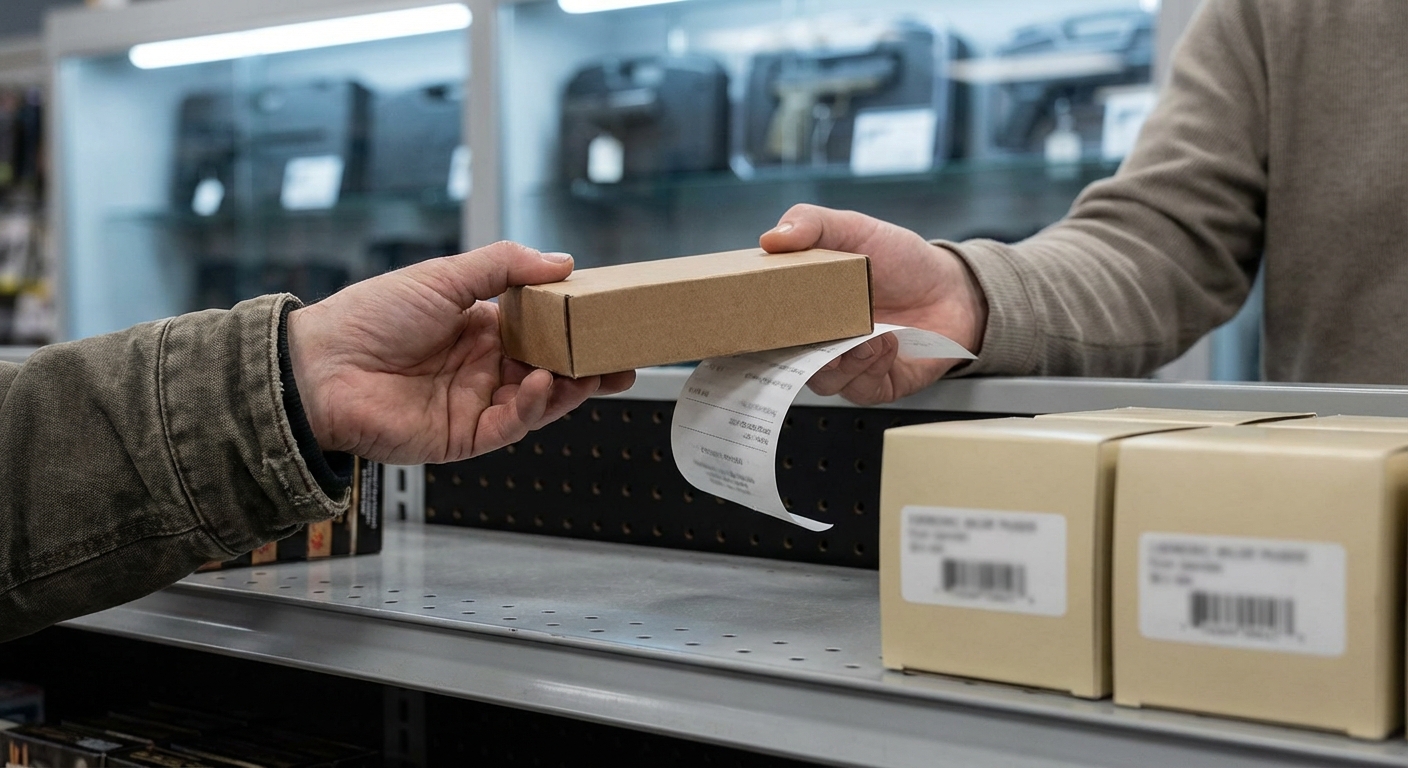
The non-obvious part is how little it takes to kick off the cycle. A rumor, a debate clip, a viral headline, even a candidate’s wording can be enough to make buyers act like a deadline just appeared. Once that mindset takes hold, demand doesn’t wait for policy. It front-loads into the present, because nobody wants to be the person paying panic prices next month.
That psychology becomes market mechanics in a hurry. A demand rush pulls inventory off shelves, then “in stock” turns into backorders, then backorders turn into substitutions. If the exact SKU isn’t available, people buy close enough models, close enough barrel lengths, or a different caliber they can actually feed. Ammo scarcity is the accelerator here because it limits what people can train with, what they can stock, and what they feel comfortable buying at all. When common calibers get tight, firearm demand and pricing pressure spill over into whatever’s still available—classic supply and demand mechanics in firearm resale pricing.
Cost per round shows the constraint faster than firearm listings do. LuckyGunner’s Ammo Price Tracker shows:
- 9mm FMJ: around the high-teens to roughly 20¢ per round in 2019, then roughly 55 to 65¢ per round in late 2020 into early 2021 (about a 2.5 to 3× move).
- .223/5.56 FMJ: commonly around 30 to 35¢ per round in 2019, then roughly 70 to 90¢ per round late 2020 into early 2021 (about a 2 to 3× increase).
You’ll often see a pattern that tracks attention: primary season, then conventions, then debates, then the final 60 days, then post-election. It’s not a promise, but it’s a common pressure curve. Each milestone brings a new wave of eyeballs, new narratives, and another round of “buy now” urgency.
Headlines are noise until supply gets tight. The better signal is what you can’t buy easily: thinning inventory, longer ship times, more “out of stock,” and rising CPR on common ammo (see recent gun market trend data). When those start stacking up around the calendar milestones, the market is telling you demand already moved, even if nothing “official” has happened yet.
Once you understand that “demand moved first,” the next question is where the price changes show up fastest-because the new-gun shelf and the used-gun listings don’t react the same way.
New Prices vs Resale Values
Election spikes don’t just lift “gun prices” across the board, they bend the market. New-gun pricing tends to look sticky, while used-gun pricing can reprice overnight. The reason is simple: new inventory runs through distributors, allocations, and retailer policies, but the used market is a free-for-all that reacts instantly to fear, scarcity, and whatever people think “the going rate” is.
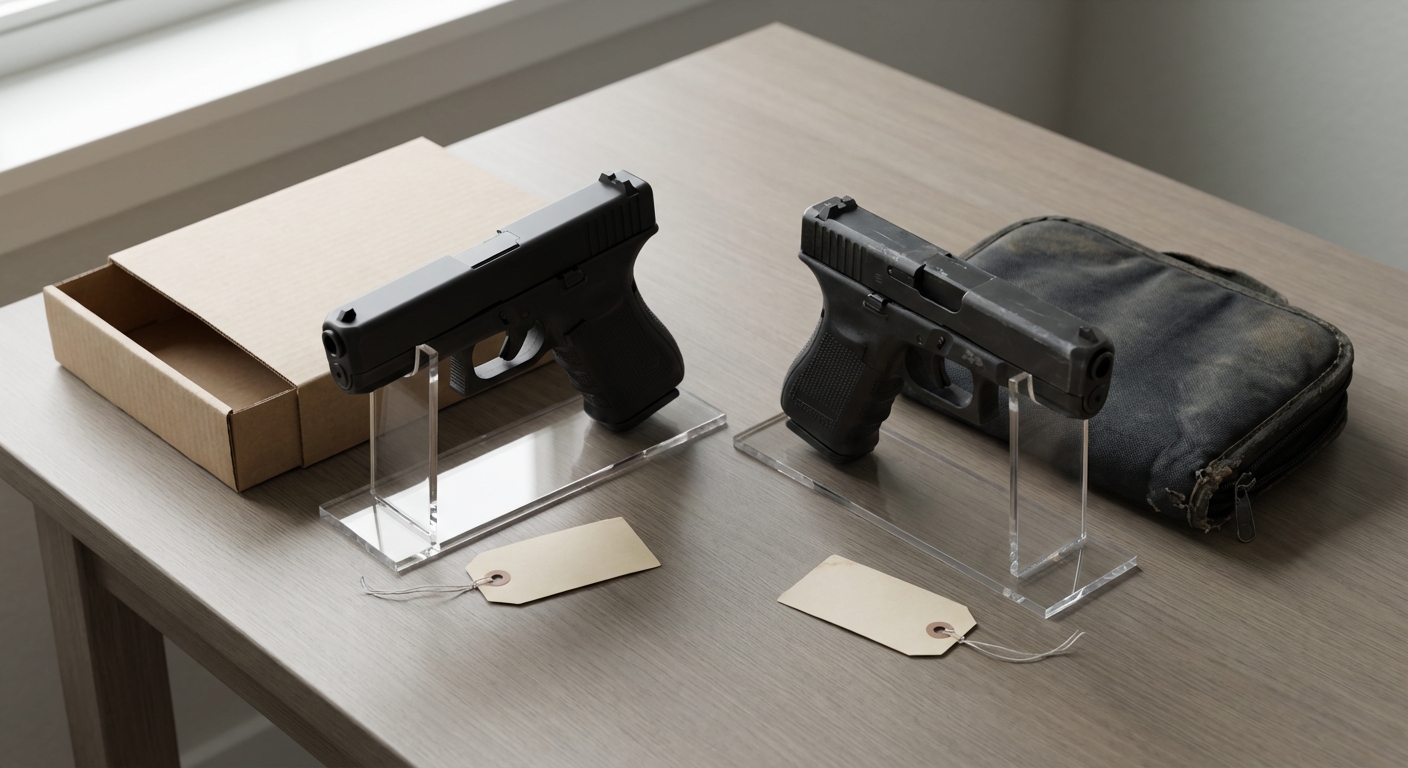
On the new side, availability is the first thing to change, the exact model you want goes from “in stock” to backorder fast. The second change is quieter: rebates and sales often dry up when demand is hot, because retailers don’t need incentives to move units. And even if a dealer wants to get aggressive, MAP (Minimum Advertised Price), a manufacturer policy that limits how low a retailer can publicly advertise, can keep the online price from showing the real discount. MAP is a real constraint in retail pricing, and violations reportedly jump about 15 to 20% during peak holiday sales as retailers compete, which is a good reminder that advertised price and actual deal price aren’t always the same thing.
When the new-gun case is picked over, buyers pile into the secondary market and used prices can jump faster than MSRP ever will. This is where “election year gun prices” become a story of availability plus expectations. Listings multiply, emotions get loud, and the spread between asking price (what someone lists it for) and sold price (what someone actually pays) often widens during peak demand. Liquidity (days-to-sell), basically how fast something moves at a given price, also changes, sometimes dramatically.
Picture this: you see the same popular pistol listed everywhere for $200 above last month. Your sanity check is comps, meaning comparable recent transactions you can point to, not vibes. If the comps show completed sales near the old number, the higher asking price is just noise. If the sold price is actually higher and listings are disappearing in a day or two, liquidity is telling you the market agrees.
That’s the practical version of “resale value” during a surge: not what someone hopes to get, but what closed, and how quickly it closed. Market values of used firearms are explicitly tied to seasonality and regional demand, and appraisals often use market data from dealer listings and auctions, which is exactly why timing and location can change what your gun is really worth.
That new-vs-used split is the backdrop, but the surge still isn’t uniform. Some categories behave like commodities, while others behave like one-off items where details dominate.
Popular Models and Typical Swings
Election-year demand doesn’t lift every gun the same way. The biggest swings usually show up where demand is broad and substitutes are easy, think commodity-style guns that lots of buyers view as “good enough.” True collectibles play a different game because the buyer isn’t just shopping the category, they’re shopping a specific example with specific details.
That’s also why broad, category-level patterns matter more than any one model name. Cash My Guns describes itself as a nationwide buyer of guns, ammunition, and accessories, which naturally spans everything from everyday carry pieces to older, higher-variance guns. The same basic value multipliers show up across categories, finish wear, bore condition, matching numbers, aftermarket parts, and included accessories like box, papers, and magazines, but they don’t all matter equally in a surge.
One constraint is worth stating upfront: the provided source material does not include completed-sale pricing data for specific popular pistols like mainstream striker-fired pistol value guides, SIG Sauer P320, or S&W M&P. So the examples below are directional patterns, not dollar quotes.
Are election year gun prices higher for everyday pistols? Often they’re steadier than people expect, until first-time buyers surge, then clean, common configurations move fast because there are a lot of shoppers and not much patience.
The non-obvious catch is “upgrades” can backfire. Heavy stippling, non-factory slides, or oddball triggers shrink your buyer pool in a hurry. A stock pistol with honest finish wear, a clean bore, and factory mags, plus the box and papers when you have them, is easier to value and easier to sell.
What’s the political impact on gun value for AR-style rifles? This category is demand-sensitive because buyers can substitute across brands and price tiers, and they can buy a rifle now and accessorize later (see this AR-style rifle current worth guide for a concrete valuation reference).
In a surge, the “package” matters almost as much as the rifle. A basic, reliable configuration with included magazines, quality sights or an optic, and original parts tends to get more serious attention than a rifle loaded with unknown aftermarket internals. If you’re valuing one, list exactly what’s installed and keep any factory parts you removed.
Do gun sales election seasons change what buyers want? Pump shotguns often see “practical substitute” demand, people who can’t find, or don’t want to pay for, their first choice pivot into a pump as a do-it-all option (a common benchmark is this pump shotgun current worth guide).
Condition still drives the offer, but buyers are less finicky than they are with collectibles. Obvious rust, a rough bore, or missing parts hurt. Basic functionality, a clean finish, and a simple, known setup sell the story.
Collectibles don’t always get “panic-spiky.” Premiums are buyer-specific and hinge on originality and proof, matching numbers, correct finish, a strong bore, and documentation. Aftermarket refinishes or modern parts usually cost you more in value than they add in usability.
Use these as directional patterns, then zoom in on your exact configuration. In election-driven demand, the category gets shoppers, but condition details and what’s in the box decide who actually pays for your gun.
Those patterns are helpful for expectations, but turning them into actual dollars comes down to how you document, compare, and set your price-especially when listings get noisy.
How to Price and Time a Sale
The fastest way to lose money in a fast market is skipping the boring details, your exact configuration and your honest condition, then pricing off the loudest listings you see. Specificity is how you keep the “political impact gun value” question from turning into hype math.

- Identify the exact firearm and variant. Write down make/model, plus the value-movers: caliber, barrel length, generation, finish, factory SKU if you have it, and what’s actually included (mags, box, papers).
- Grade condition with a quick checklist. Check finish wear, bore condition, whether matching numbers apply and match, and what’s aftermarket vs factory, because those details move your comp set more than the headline model name.
- Pull recent comps from multiple signals. Start with completed transactions when you can, then use current dealer listings and auctions as supporting inputs, because unsold ask prices are optimism, not proof.
- Normalize your comparisons to your gun. If your comp has different accessories, different sights, or a cleaner bore, adjust your expectation down and do it consistently across every comp, not just the ones you like.
- Adjust for local availability and your urgency. If you need it gone fast, price toward the quickest-moving end of your verified range; if you can wait, list closer to the top, but only if your condition and configuration actually match.
- Document uncommon variants and collector-leaning pieces. Fewer buyers means slower decisions, so clear photos, serial range notes, and provenance are what turn “hard to price” into “easy to trust.”
For timing, selling into the run-up rewards speed and certainty: you’re riding demand while attention is high. Waiting for results can pay if your buyer pool expands afterward, but it also backfires when a spike cools quickly, and “good enough now” beats “maybe higher later” if you’re risk-averse.
One clean rule of thumb: estimate what your gun is worth off the best recent reality you can verify, then decide whether speed or max price matters more to you this week. That same mix-make/model, condition details, and market-based comps-is how you avoid pricing off hype.
Even perfect pricing can stall if your buyer pool is smaller than you think. That’s where rules, transfer logistics, and fees start acting like a hidden “discount” on your final number.
Selling Rules and Local Price Differences
Election-year demand can look red-hot nationally, but your state’s rules and the real-world transfer hassle still decide how big your buyer pool is, what you actually net, and how fast you can turn a firearm into cash.
The non-obvious part is eligibility and process. If your most interested buyer lives across a state line, you’re usually dealing with an “FFL transfer”, meaning the handoff runs through a Federal Firearms Licensee who can legally receive the gun, run the required paperwork, and complete the transfer. Under federal law, interstate private-party transfers generally must be completed through an FFL, so your truly frictionless buyer pool is often in-state.
Texas is a clean example for “how to sell a gun in Texas” at a high level, not legal advice: private-party sales between Texas residents do not require an FFL or a background check under Texas law, you may not knowingly transfer to a prohibited person, and Texas has no state waiting period.
Fees also move the math. FFL transfer fees are commonly quoted around $20 to $75, sometimes $100+, and federal law does not cap what a dealer charges. During a surge, that extra line item slows deals and pushes buyers to demand a lower price.
Before you set your ask or take payment, confirm your transfer path and local constraints, then price the gun you can actually sell where you live. Rules vary by state, verify before you list, even for “how to sell a gun in [state],” and consult our state-by-state guides for selling a gun.
Put all of this together-attention-driven demand, the new-vs-used split, condition-driven category swings, and local friction-and you get a simple process you can run even when the market feels chaotic.
A Simple Election-Year Pricing Checklist
Election-year volatility is real, demand and attention tighten supply fast, and the ammo CPR spikes you saw were surge pressure in plain numbers. You can’t control the cycle, but you can control your process, which is how you separate hype, unrealistic listings, and local transaction friction from what actually sells-and how you avoid the whiplash of overpaying or underselling.
- Identify the exact make/model/variant, caliber, and serial, then write it the same way everywhere you list or shop.
- Photograph clear, well-lit shots of both sides, markings, bore, and any wear, plus the box label if you have it.
- Grade condition honestly: finish wear, bore condition, matching numbers (if applicable), and any aftermarket parts.
- Bundle value items in your notes: box/papers, extra mags, optics, slings, and factory accessories.
- Price off sold reality, not aspirational asks, especially on used where listings get weird fast.
- Account for category behavior: commodity items swing on supply, collectibles swing on condition and completeness.
- Plan the transfer and logistics up front: FFL availability, fees that change your net, and your speed vs max-price goal.
Keep payments boring and compliant: PayPal, Venmo, and Zelle state their policies prohibit firearm and ammunition transactions, and violations can lead to seized funds and suspended accounts.
If you want a compliant channel example, Cash My Guns is a nationwide online purchasing service operated by Dunlap Gun Buyers (an FFL) that buys guns, ammunition, and accessories, a straightforward option when you’d rather prioritize clean execution over chasing peak hype.