

You just opened a closet, cleaned out a car, or sorted a relative’s things and there it is: a firearm you weren’t expecting. The instinct is to treat it like any other item you “found” and flip it quickly, but you shouldn’t sell it yet.
You probably want it gone, you don’t want drama, and you definitely don’t want to invite legal trouble by overthinking it. The problem is that the fastest, most convenient move-listing it, trading it, handing it off-is also the move that creates the most exposure if the gun’s status isn’t clean.
Here’s the stakes in plain terms: good intentions don’t protect you if the gun is stolen or connected to a case. Federal law can criminalize possessing, selling, or disposing of a stolen firearm when you knew, or had reason to believe, it was stolen. And firearms can be held or flagged as evidentiary property tied to an investigation. That “evidence” status isn’t obvious from a quick look in the safe or a glance at the serial number, and selling it before the status is clear can create real problems even if you never meant to do anything wrong.
Laws vary by state, and the details matter. If anything feels unclear, pause and ask for help from a local FFL, a firearms attorney, or law enforcement.
The right move is simple: pause all sales talk until you’ve confirmed you can lawfully possess it and transfer it, then follow a practical, low-drama path to handle the find, document it, and sell through compliant channels.
What “Found” Means in Practice
“Found” doesn’t mean “free to sell.” How the gun came into your hands-abandoned, lost, mislaid, inherited, or discovered in a cleanout-is what controls whether you can lawfully claim it and later transfer it.
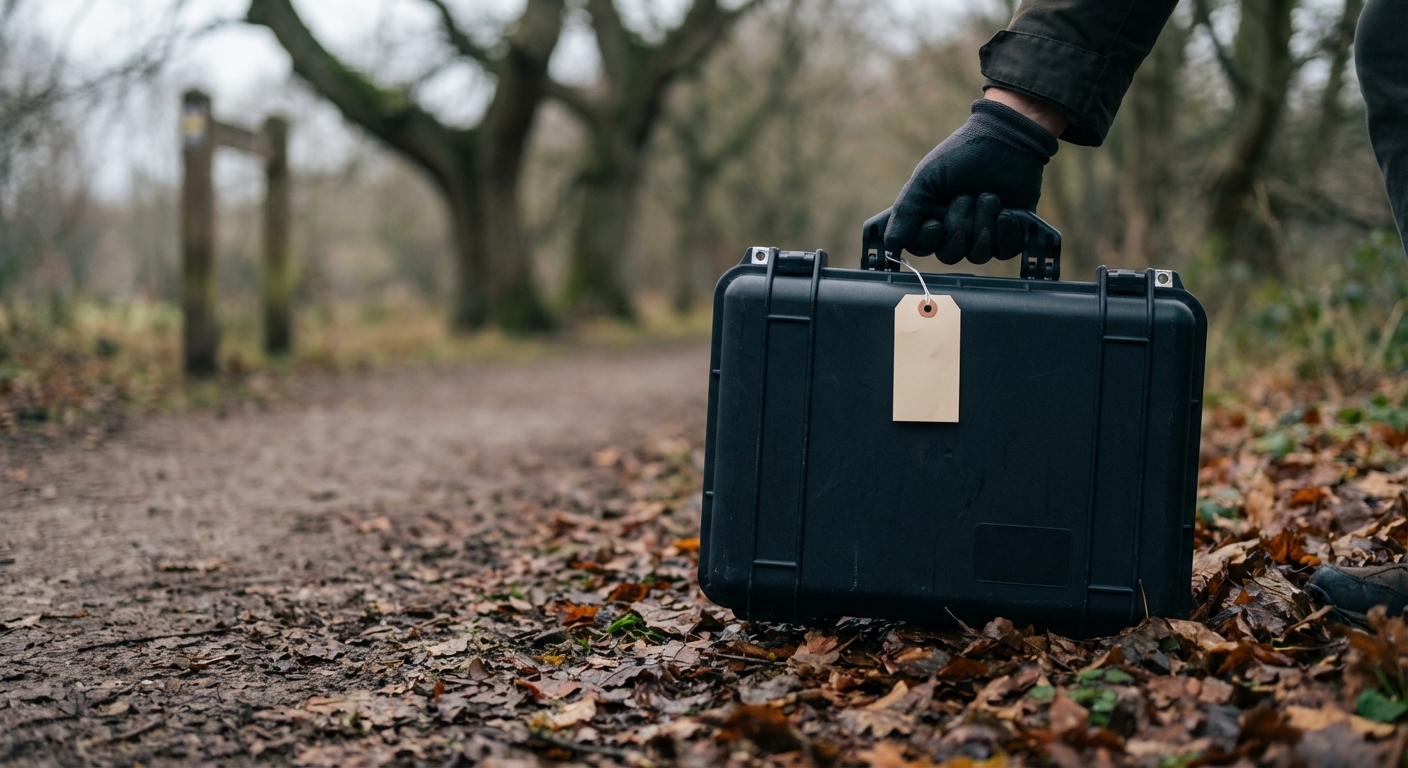
Abandoned property is property someone intentionally relinquished, and the first finder generally acquires title free of the former owner’s claims. That’s the cleanest “find,” but it’s also rarer than people think.
Most real-world scenarios look more like lost or mislaid property, where the owner didn’t mean to give it up, they just separated from it. If someone likely set it down and forgot it, the law often treats it as mislaid, meaning the person who controls the location generally has the right to hold it until the true owner is found.
Under common-law principles, mislaid items typically belong with the possessor of the location, not the finder, and abandoned or lost items are also commonly treated differently when found at an owner-occupied residence.
Estate guns can be “yours” in the family sense, but still require formal transfer steps. California is a good illustration: inherited firearms must be registered with the California Department of Justice, and handguns inherited from an estate generally must go through an FFL unless an exemption applies.
Buying a storage unit or doing a property cleanout can give you possession, but it doesn’t magically erase prior ownership claims or transfer rules. If the “find” happened through work, the default can be even simpler: it belongs to your employer, not you.
Some guns don’t read like abandoned or forgotten property: filed-off markings, a “property” tag, a case with someone else’s ID, or a story that keeps changing. Those are signs to pause and shift toward reporting or verification, not selling. Also, if you’re barred from possessing firearms, even temporary handling can be risky; the safest move is not taking custody and getting help.
Bottom line: identify which bucket you’re in before you do anything that looks like a transfer or sale.
Once you’ve sorted out how the gun likely ended up in your hands, you still need to handle the immediate practical question: how to secure it and protect yourself before you talk to any buyer.
First Steps
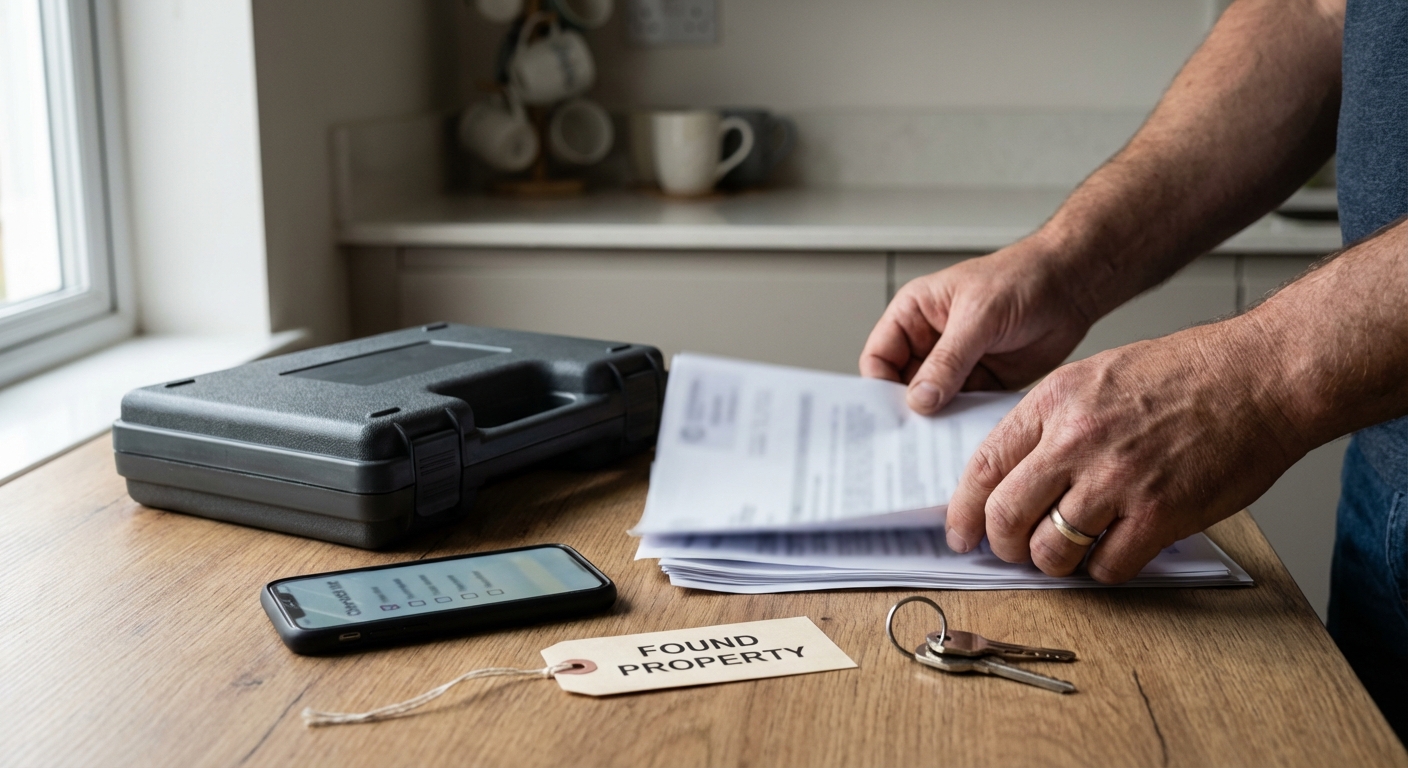
Do this before you do anything else: slow down and create a clean paper trail before you think about price, offers, or buyers. The goal is simple: protect yourself by being able to show exactly what happened, and that you handled the firearm responsibly from the moment it came into your possession.
Get it out of circulation and into safe custody. Treat it as if it’s loaded, minimize handling, keep it away from kids and anyone who should not have access, and store it in a locked container if you have one (review the basic firearm safety rules if you need a quick refresher). If you’re not confident you can secure it safely, or emotions are running hot, call local law enforcement for guidance and do not keep manipulating it.
Your notes matter more than your memory. Write things down while details are still sharp, because if questions come up later, your credibility comes from contemporaneous documentation, not a fuzzy recollection.
- Record where and when it was found (address or GPS-level specificity if you have it), and the circumstances (cleaning out a property, found on a trail, left in a vehicle).
- List everyone who had access to it after it was found, including household members, coworkers, or anyone you handed it to even briefly.
- Capture witness details, names and contact info, plus a one-line summary of what they observed.
- Photograph the make, model, and serial number clearly, taken safely, plus wide shots that show overall condition without staging anything.
Think of this as building a chain of custody: a written record of who possessed the firearm, when, and under what circumstances, so you can show you acted responsibly if anyone asks later.
Stolen-gun status checks are not something most private citizens can run themselves, because NCIC is generally restricted to law enforcement access. In some areas, an FFL may be able to help you navigate lawful verification channels, depending on local practice and what information you can provide.
The research used for this article does not include specific state or local deadlines or procedures for reporting found property, so verify your local ordinances or ask a qualified attorney or local FFL before you take the next step.
Do not try to sell a firearm if the serial number looks defaced or altered, if there are signs of very recent use, if it was found alongside suspicious items, or if anything about the situation suggests it could be evidence in a crime. In those cases, stop, document what you observed, and report it.
If you can’t comfortably explain where it came from and how it stayed in your possession, you’re not ready to sell it.
After you’ve secured the gun and documented what you can, the next risk comes from transfer rules: even a “simple” handoff can be treated as a real transaction under federal law.
Federal Rules That Control Every Sale
If your state feels relaxed, federal rules are the guardrails. The cleanest way to stay inside them is to use a Federal Firearms Licensee (FFL), meaning an ATF-licensed dealer who can legally receive and transfer firearms as part of their business. A “found” gun is exactly where surprises happen-unclear history, unclear prior owner, and sometimes unclear legal status. Running the deal through an FFL keeps you out of the business of personally judging the buyer’s eligibility, and it creates a standard, documented transfer path that is easy to defend later (see private party versus an FFL dealer).
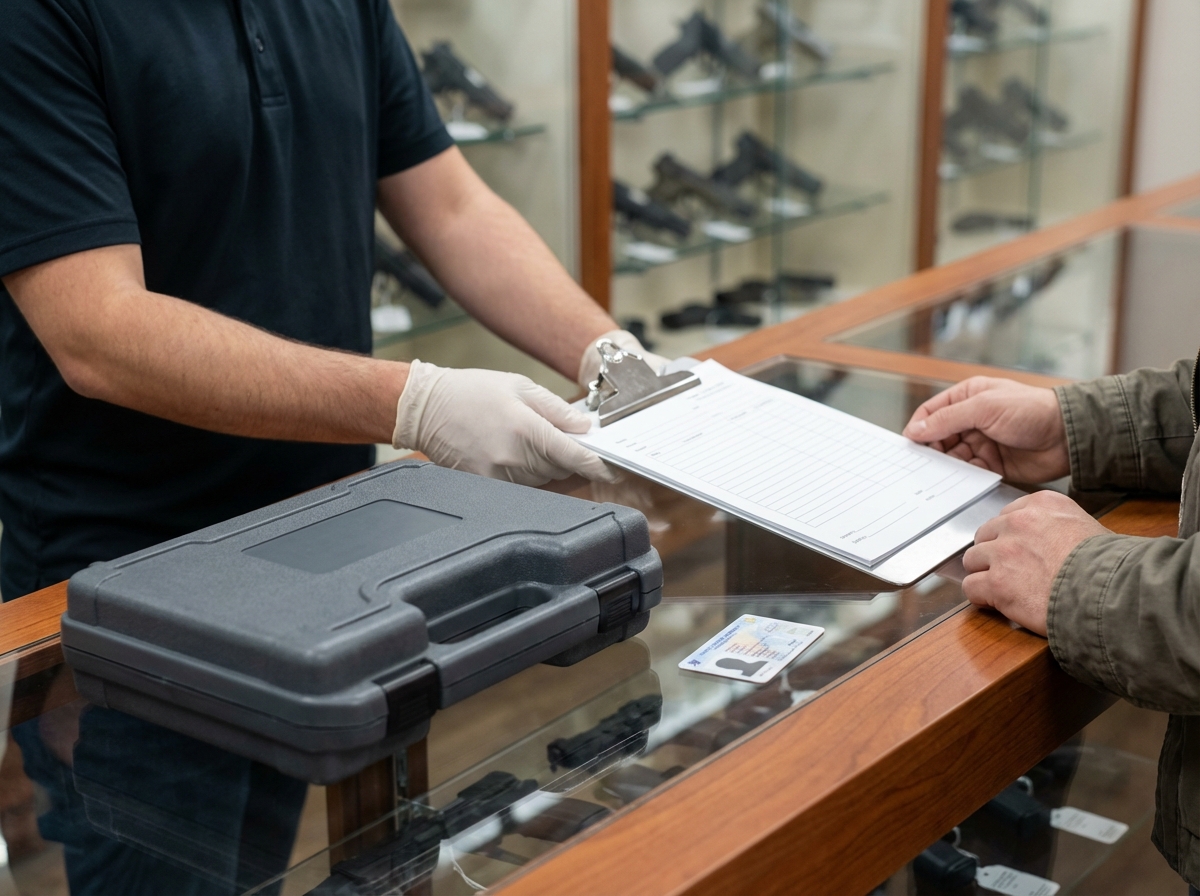
The moment an FFL is in the middle, the handoff becomes a dealer transfer, not just “I gave it to someone.” In practical terms, a transfer is any change of possession-sale, gift, trade, or simple handoff-and federal law treats all of those as real transactions.
For most transfers from an FFL to a non-licensee, the recipient fills out ATF Form 4473 (the buyer’s eligibility and identity form) and the dealer runs a NICS background check (the FBI’s National Instant Criminal Background Check System), unless the buyer has a qualifying permit alternative where that’s allowed. That paperwork is the point: it moves the decision and the recordkeeping onto the licensee.
An interstate transfer, meaning the firearm is moving to a resident of a different state, is where “simple private sale” turns illegal fast. Federal law generally bars direct, private transfers between non-licensees across state lines, so most out-of-state deals must be routed through an FFL in the recipient’s state, see 18 U.S.C. §§ 922(a)(3) and 922(a)(5). The narrow exceptions, like certain transfers by bequest or intestate succession, are exactly that-narrow.
You cannot transfer a gun to a prohibited person, someone federal law bars from receiving or possessing firearms, and 18 U.S.C. § 922(d) also covers situations where you have reasonable cause to believe they are prohibited. You also cannot participate in a straw purchase, where one person “buys” on paper while intending to pass the gun to someone else, and you cannot knowingly move a stolen gun, even if the buyer seems fine (see ensuring your gun is sold legally).
BSCA tightened the dealer line. If you repetitively buy and resell firearms to predominantly earn a profit, you can be treated as “engaged in the business” and need a dealer’s license, even if it is not your main income, see 18 U.S.C. § 921(a)(21)(C). “Predominantly earn a profit” is specifically contrasted with liquidating or improving a personal collection, and there is no numeric safe harbor that makes you automatically safe.
If you want the lowest-drama path, assume the deal should run through an FFL, especially if there’s any doubt about the buyer or the buyer’s location.
Federal law sets the baseline. After that, state rules are what usually decide whether a private sale is truly “easy,” or whether it has to go through a dealer with extra steps.
State Rules That Change the Answer
The biggest “I thought this was fine” mistakes happen at the state level, not the federal level. One state treats a private sale like a handshake deal, another requires a dealer, paperwork, and a waiting period, and some states restrict the sale or transfer of certain “assault weapon” configurations and magazines. Before you post a listing or meet anyone, double-check your current state rules and any city or county add-ons like universal background checks, purchase permits, waiting periods, registration or recordkeeping, magazine limits, and local ordinances.
Below are the state examples referenced in this article, presented as a list (not a table). These are high-level summaries and can change; confirm current rules for your exact location before transferring any firearm.
- Texas: Private-party transfers are generally allowed, and Texas law does not require you to route a private sale through an FFL or run a background check. Texas also does not require a state permit-to-purchase. For a deeper breakdown, see how to sell a gun in Texas. The common pitfall is forgetting the federal overlays that still bite, especially interstate transfers.
- Florida: At the statewide level, Florida law does not require private-party transfers to go through an FFL or a background check. Florida also does not require a permit-to-purchase. For more detail, review how to sell a gun in Florida. Watch for local rules, some counties have their own requirements that can change how you should meet and transfer.
- California: California is the opposite of a “cash and carry” state, private transfers are commonly processed through a California dealer. Expect a 10-day waiting period for purchases, plus broad limits on certain “assault weapon” configurations.
- California (magazines): California also has magazine-related restrictions that took effect July 1, 2022, so what you can legally transfer is not just about the gun itself.
- Georgia: Private sales are generally allowed, and Georgia does not require a private-party transfer to go through an FFL under state law. Georgia also does not require a permit-to-purchase. For a practical overview, see how to sell a gun in Georgia. The easy mistake is drifting into an out-of-state deal without routing it through a dealer.
- Handgun-focused states (general caution): Private sales are generally allowed, but the rules tighten up around handguns. A common tripwire is assuming long-gun rules and handgun rules match, they do not.
- Ohio: Private-party sales are generally allowed under Ohio law. If you want the cleanest compliance path, using an FFL is the simplest way to avoid guessing when buyer eligibility questions come up.
- Arizona: Arizona generally allows private-party sales without a state permit-to-purchase. The real-world friction point is making sure your transfer stays within the lines when residency or buyer eligibility is unclear.
- New York: New York is strict, private transfers are commonly routed through a dealer for a background check. For a state-specific summary, see laws for selling and buying firearms in New York. New York also layers on “assault weapon” style feature rules and magazine limits, so a setup that is normal elsewhere can be a problem fast.
- North Carolina: North Carolina generally allows private sales, but the state’s requirements have changed over time. Don’t rely on what a friend did years ago, confirm the current rule for your county before you meet a buyer.
- Illinois: Illinois private transfers come with extra state process, including buyer credential checks and recordkeeping expectations. The common pitfall is skipping a required verification step and discovering later that the transfer was not handled the way Illinois expects.
Actionable takeaway: before you meet a buyer or post a listing, confirm the rules for your exact state and your city or county, and default to an FFL if you’re unsure.
Once you’ve confirmed you can legally transfer it (and what your state requires), you can finally move to the question most people want to ask first: what is it worth?
Value Without Guesswork or Mistakes
Don’t price it until you’ve identified it. The fastest way to lose money, or create a problem for yourself, is to guess what the gun is or what it’s worth based on a quick Google image match.
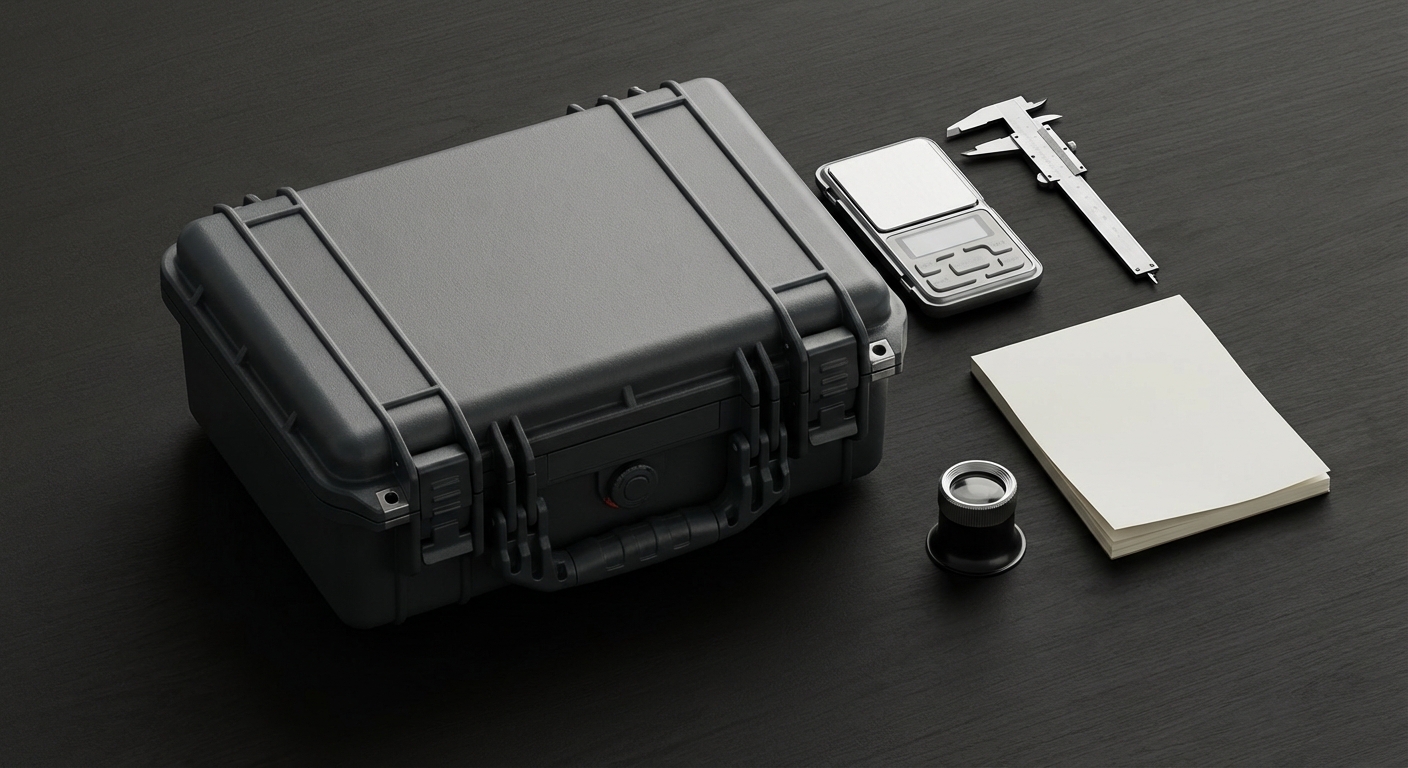
Start by writing down exactly what’s on the gun: manufacturer, model name, caliber or gauge, and any markings that indicate a generation or variant. “Close enough” is how people end up asking the wrong question, like “how much is my Glock 19 worth” when they actually have a different Glock variant, or “how much is my Sig Sauer P320 worth” when it’s a different module or configuration. That kind of misidentification doesn’t just skew pricing, it also creates listing and transfer headaches because the description won’t match what a buyer, dealer, or shipper expects.
Buyers and appraisers don’t value guns on vibes, they value them on condition details that show up fast in photos and inspection: finish condition, bore condition, mechanical function, and whether numbers match. A “how much is my Beretta 92 worth” search swings hard if the finish is worn thin, the bore is pitted, the safety or trigger doesn’t function correctly, or the serial numbers don’t match on parts that should.
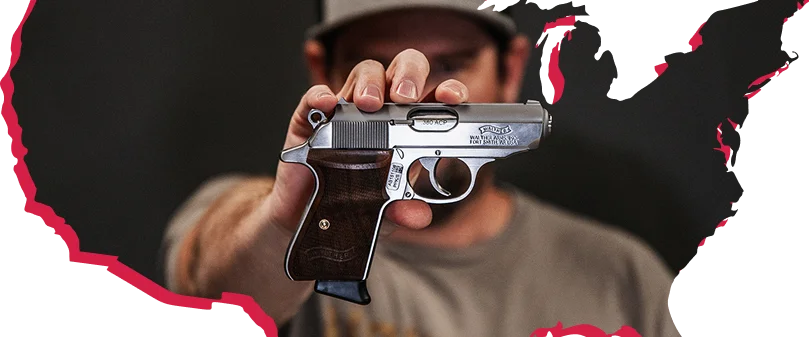
Aftermarket parts and modifications can materially change resale value. Sometimes they push value up when the parts are desirable and correctly installed. More often they push value down when buyers want originality, especially on collector-leaning searches like “how much is my Walther PPK worth” or “how much is my Colt Python worth.” Keep the original parts if you have them, they can matter as much as the mod itself.
Use recent completed sales, not optimistic asking prices. Pull sold results from marketplaces and auction houses, then adjust for your region, current local demand, and seasonality. That’s how you sanity-check everything from “how much is my CZ 75 worth” to “how much is my Ruger 10/22 worth,” “how much is my SKS worth,” “how much is my Winchester Model 70 worth,” “how much is my Marlin 336 worth,” “how much is my Mossberg 500 worth,” and “how much is my Remington 870 worth.” For rare models, odd variants, or multi-gun collections, pay for a professional appraisal (or follow a general gun valuation framework), it’s cheaper than pricing a unicorn like a common shooter.
Actionable takeaway: document the exact ID details and your condition notes, then verify them against recent sold comps or a pro appraisal before you choose a selling path.
When you know what you have and you’ve got the legal side straight, the last decision is the channel: how to sell it in a way that leaves you with a clean, provable transfer record.
Safest Selling Options and Next Steps
The safest way to sell a found gun is the path that leaves a clear, completed transfer record and keeps you out of risky person-to-person meetups. “Easy” is not the goal here; clean paperwork and a transfer you can prove is.
A local FFL (licensed dealer) taking the gun on consignment gives you the cleanest compliance story, because the shop controls storage, buyer screening, and the final transfer paperwork. The tradeoff is speed and certainty: you wait for a buyer, and your net depends on the shop’s consignment terms.
Walking into a licensed dealer and selling it outright is the fastest way to get the gun out of your possession with a documented acquisition on the dealer’s side. The friction is payout, dealers price to resell, so you often trade dollars for certainty and zero-meetup risk.
Online marketplaces can expand your buyer pool, but the safe version is simple: the firearm changes hands through an FFL, not in a parking lot. You do more coordination and shipping, but you also get a clearer transfer endpoint than a private swap.
A specialized buyer can streamline the logistics by routing everything through licensed channels. Cash My Guns, for example, provides a prepaid shipping label and full insurance coverage as part of its purchasing process, and positions it as “Safe • Legal • Hassle-Free.”
- Save receipts and transfer paperwork where legal, including any consignment agreement and final settlement statement.
- Record the dealer or FFL name, address, and license number if shown on your documents.
- Confirm the transfer is actually completed, not just “dropped off,” so you are not left in limbo.
Shipping guardrails matter. Under federal law, an unlicensed individual may ship a firearm to an FFL for sale, transfer, consignment, or repair, but generally may not ship directly to a non-FFL recipient in another state. Also, 18 U.S.C. § 922(e) prohibits marking the outside of a package to indicate it contains a firearm.
- FFL if you want the cleanest transfer record and storage options.
- Attorney if ownership is disputed, there’s an estate issue, or you’re unsure about local restrictions.
- Law enforcement if you suspect it’s stolen or evidence, do not try to sell it.
Pick a selling channel that produces a documented, completed transfer, then keep the records that prove it. That is the move that protects you after the money changes hands.
Conclusion
If you can’t prove you can lawfully claim the gun and lawfully transfer it, don’t try to sell it yet. The fastest way to get in trouble is treating a “found” firearm like ordinary property before you’ve cleared ownership and status.
That’s why the low-drama approach looks the same almost every time: figure out which “found” category fits (lost vs mislaid vs abandoned, and where it was found), lock it down safely, document a clean chain of custody, and verify stolen or evidence status through lawful channels. Then, when it’s time to transfer, default to an FFL when there’s any doubt-especially because federal guardrails make interstate and direct handoffs the riskiest path-and don’t skip extra state steps that apply where you live. Finally, price it from what you can prove (make, model, serial, and condition drive value), and keep your bill of sale, FFL receipt, and related records after the sale.
If you want a straightforward, compliant option, Cash My Guns is operated by Dunlap Gun Buyers (an FFL), is nationwide, and is built around a “Safe • Legal • Hassle-Free” process.