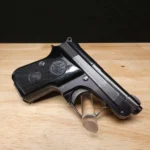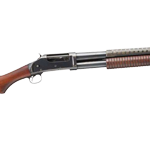

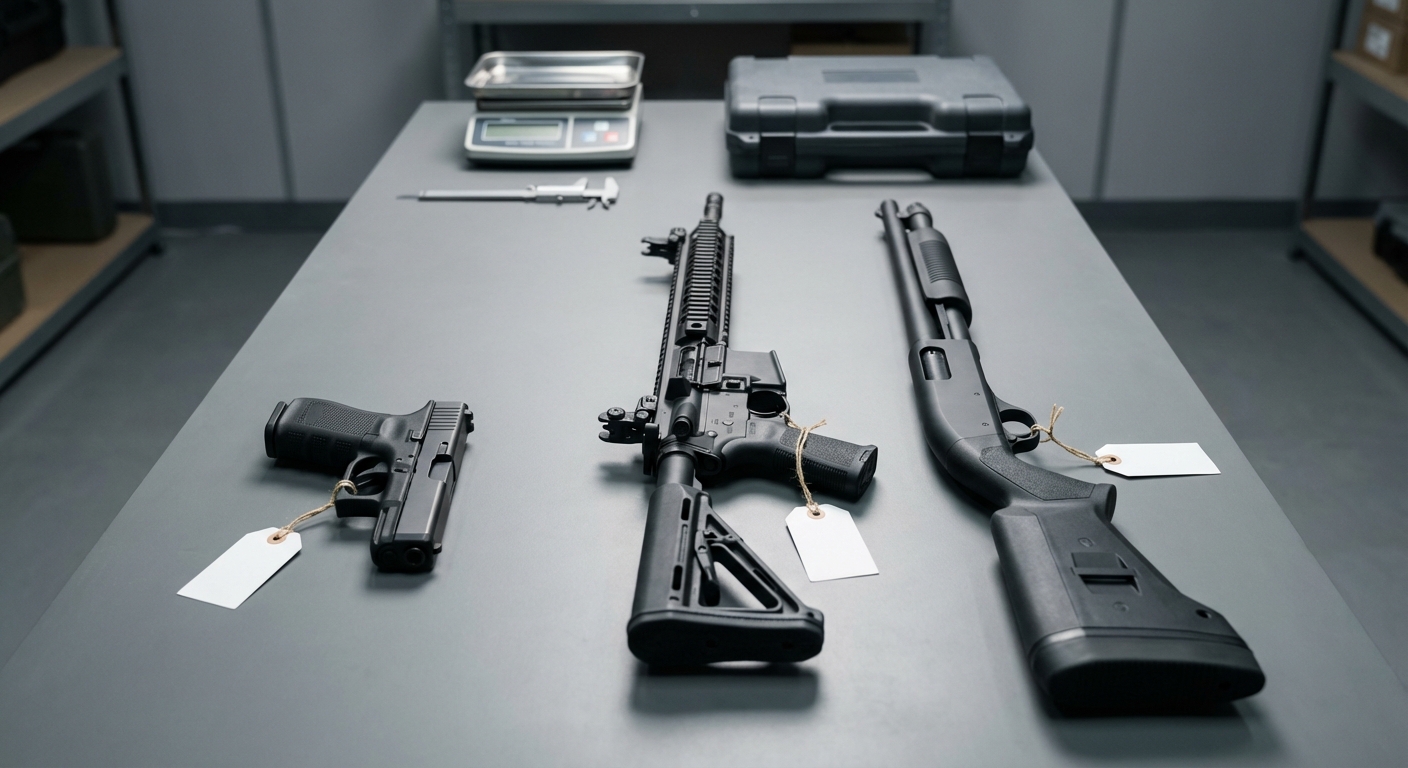
Here’s the catch: “best offer” isn’t determined by gun type alone. It’s shaped by demand for that exact setup, condition, legality and transfer requirements, and where and how you sell. An interstate transfer, meaning the buyer lives in another state, changes your buyer pool and your paperwork. Per ATF Firearms Q&A, a nonlicensee generally may not transfer a firearm to a nonlicensee who resides in another state, the transfer typically has to run through a Federal Firearms Licensee (FFL) in the recipient’s state. ATF also states a nonlicensee may ship a firearm to an FFL in any state to complete a lawful transfer, and a nonlicensee generally may not directly receive a firearm shipped from an out-of-state nonlicensee, delivery typically goes through an FFL. Shipping friction is real too: USPS generally allows only FFLs to mail handguns, while non-FFLs can generally mail rifles and shotguns to an FFL if compliant.
In practice, that means out-of-state deals usually end with the buyer picking up at their local FFL, completing Form 4473 and a NICS background check, and your shipping options depend on the gun type, handguns are the tightest. Your real decision is where you want the tradeoff to land between fastest sale, highest net, and least hassle. To make that choice less of a guessing game, it helps to score each category on the same benchmarks and then map those benchmarks to your specific model and selling channel.
Offer Benchmarks That Matter Most
Once you know what tends to push offers up or down, the real unlock is consistency. Offers stop feeling like mystery meat when you grade every gun on the same yardstick, every time.
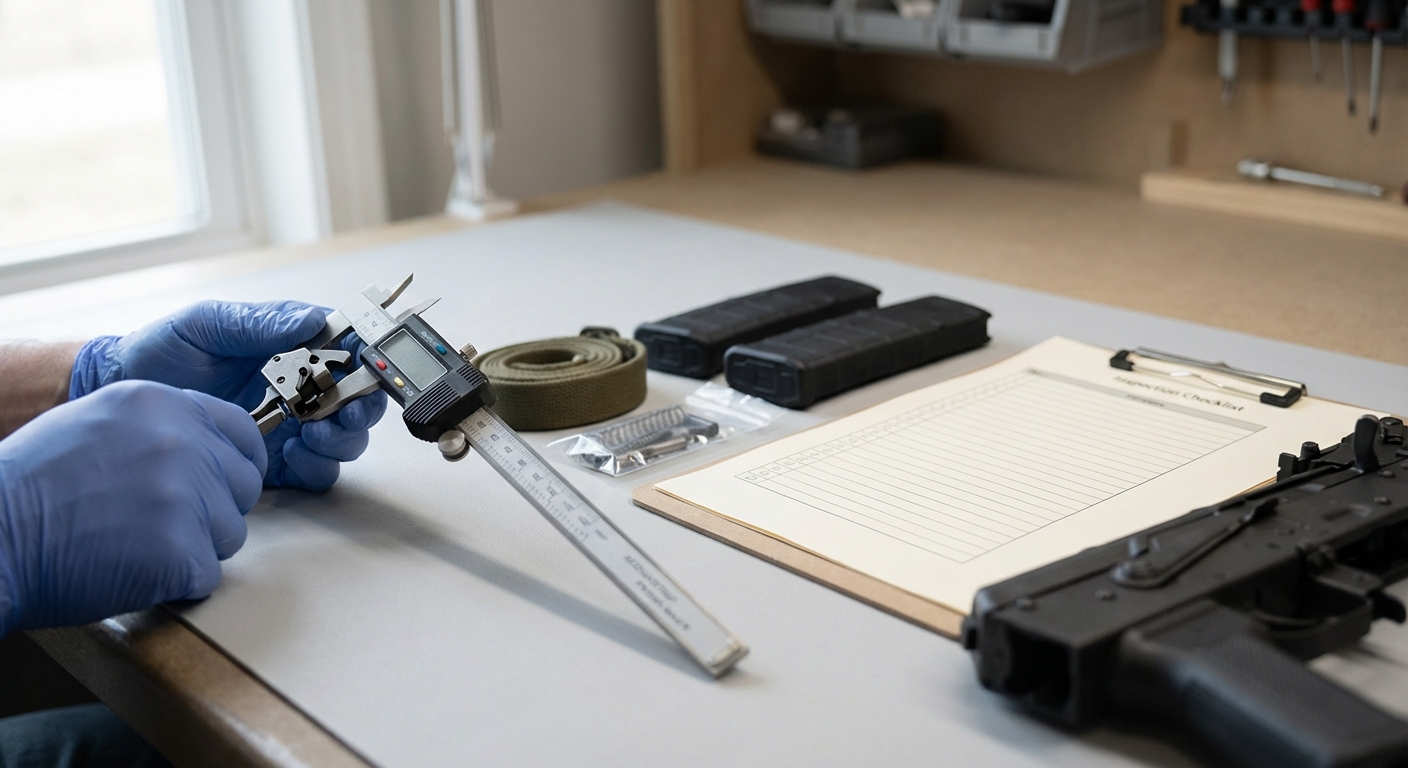
- Resale-to-new relationship: Keeps you anchored to what used buyers actually pay compared to new pricing, without pretending there’s one “standard percent.”
- Speed to credible offers: Separates “lots of interest” from “real buyers with money and a plan.”
- Buyer pool: Your buyer pool is the real-world count of qualified, willing buyers after demand plus constraints, smaller pools force prices down because fewer people can act.
- Condition sensitivity: Shows how hard the market penalizes small differences, finish wear, function issues, missing boxes, or unknown history.
- Accessory impact: Prevents you from “pricing in” add-ons that buyers treat as clutter, and flags the few cases where included extras legitimately widen the buyer pool.
- Compliance and shipping friction: Not re-litigating the rules, just acknowledging that extra hoops reduce the number of people who will follow through.
- Seasonality: Seasonality is predictable, calendar-driven demand swings, the same item can pull different offers in August than in November.
Use two lenses, because each lies in its own way. For pricing, start with completed-sales comps, meaning closed sales, not asking prices, because closed sales reflect what buyers actually paid when it was time to commit.
Then sanity-check demand with a proxy: GunBroker keeps completed-sales results for roughly the last 90 days, and it also publishes a August 2025 gun market report with category and brand breakouts. The 90-day window is a hard limitation, any “sold price snapshot” is inherently a short lookback, not a forever average.
Seasonality is the other reality check: Google Trends can show recurring annual patterns, and state wildlife agencies publish season calendars. Big-game seasons often concentrate in fall and early winter, October to December in many states, with exact dates varying.
Comps only work when you match the same variant, the same condition grade, and the same included accessories. If you compare a cleaner example to a rougher one, or a bundled package to a bare item, you are not “averaging,” you are mixing different products.
Also expect disagreement between demand proxies and comps. High search interest can coexist with mediocre closed prices if buyers browse but don’t transact, and rare or collector-leaning items sometimes need appraisal patience because the buyer pool is thin and timing matters. The point of the yardstick is practical: once you can predict where friction or uncertainty will show up, you can also predict which category tends to fit your goal-highest net, fastest sale, or lowest hassle-before you ever list.
Handguns and the Liquidity Advantage
Handguns usually win on liquidity. There are simply more everyday reasons people shop them, carry rotation, home defense, duty-size replacements, so the buyer pool is wider and the offer cadence is faster than it is for most long guns.
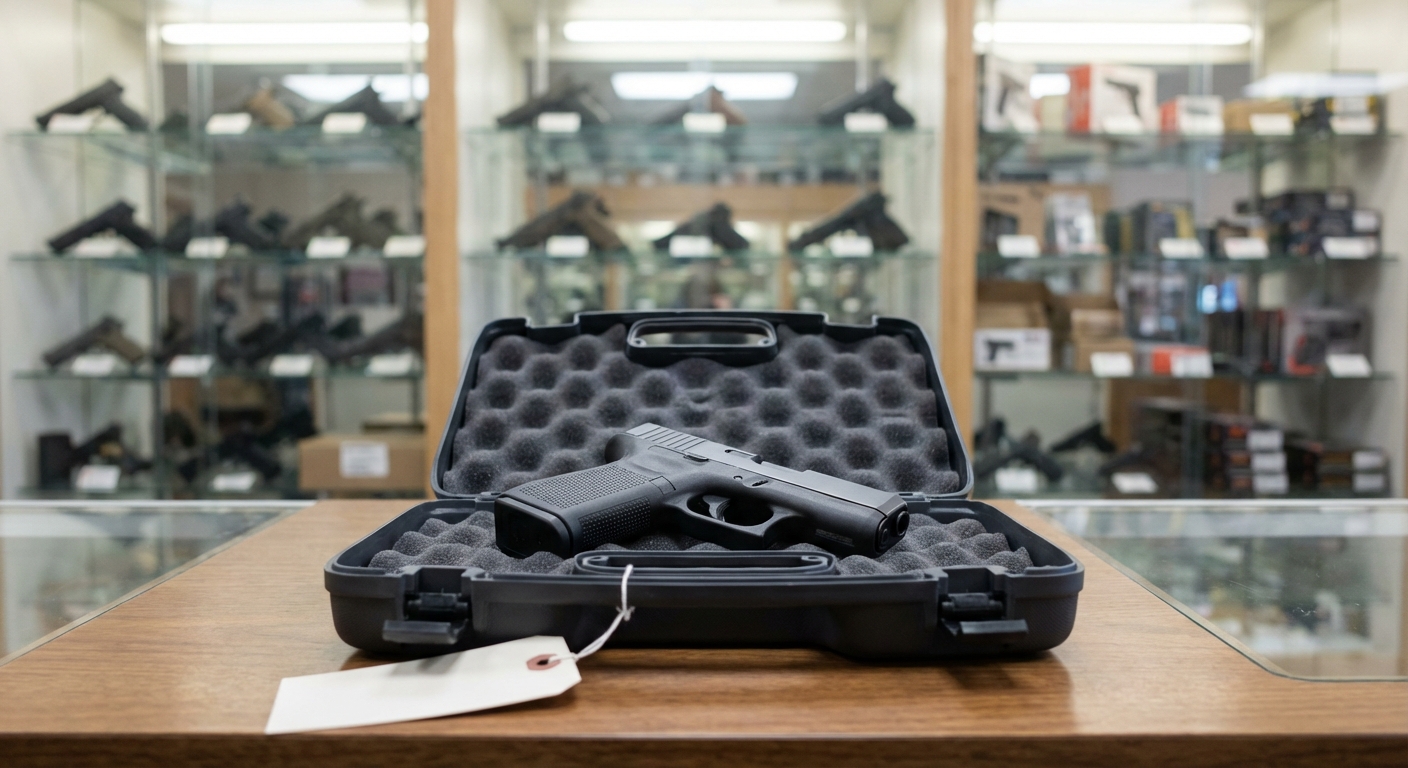
That speed is also about practicality. A handgun is easy to store, easy to ship through the right channels, and easy for buyers to justify as a “grab it now” purchase, especially for recognizable carry staples and duty-size models.
On the buyer side, faster decisions also show up in how quickly some offer services move, which fits the broader pattern that handguns tend to transact quickly when the details are clear.
Most handgun offers swing on three practical signals: finish wear, bore condition, and function. Holster wear on sharp edges is normal, but heavy slide wear plus unknown maintenance triggers “round count” anxiety, even when the gun runs fine. A clean bore and a straightforward function story calm that down fast.
Variants matter more than sellers expect, because buyers shop the exact SKU in their head. The same model name can hide real price tiers: different generations, different finishes, factory-threaded barrels, and LE or government contract variants that trade differently than standard commercial releases.
When a pistol is factory optics-ready-cut to mount a red dot and often paired with a plate system-buyers treat it like a higher trim level, not a minor detail. Factory optics-ready variants (MOS, CORE, RDO, OR, and similar markings) are priced as distinct versions versus the same pistol with a non-cut slide, and they typically command more.
Accessories help, but only when they match what buyers already want. Extra factory magazines, the original case, and factory parts you removed are the kind of “easy yes” add-ons that reduce buyer hesitation without forcing them into your taste in upgrades.
Even a popular handgun can slow down if compliance friction narrows the eligible buyer pool in certain states. Market reality examples include California’s CA DOJ roster, Massachusetts’ approved roster framework, and the Maryland handgun roster. These may apply depending on the exact model and how a transfer is handled, but the practical effect is the same: fewer legal pathways means fewer immediate offers in those markets.
If you want better handgun offers, prioritize variant clarity, show condition honestly (finish, bore, function), and set expectations based on where your buyers actually are. The cleaner your story and the more “standard” your model, the faster the offers come in—especially if you follow handgun-specific selling guidance.
Rifles and the Value Ceiling
Handguns often win on speed, but rifles tend to own the value ceiling. The catch is that rifle offers spread wider, because buyers care intensely about configuration and originality. Two rifles that “sound the same” in a text message can price out worlds apart once someone looks at the exact variant, the caliber’s current popularity, the optics setup, and whether any changes look purposeful or suspicious.
What drives that spread is intent. A utility rifle buyer wants reliability and sensible upgrades. A hunting rifle buyer cares about caliber, weight, and glass that tracks. Tactical or competition buyers pay for proven parts and clean installation. Collector and legacy buyers pay for correctness, and they punish anything that muddies history. If you don’t know which bucket your rifle lands in, you’ll read the market wrong and blame the offer.
Rifles are loaded with value-changing identifiers that don’t show up in a casual description. A Ruger 10/22 “with a scope” could be a basic carbine, a takedown built for packability, or a target model, and those variants don’t trade like equals. A Winchester Model 70 being pre-64 versus later is a line that serious buyers price immediately. A Marlin 336 with a JM stamp is a different conversation than a “Remlin.” With an SKS, country of origin and arsenal marks matter as much as overall condition. Henry lever guns also swing based on the exact model and caliber, because buyer demand clusters around specific combinations.
This is where “aftermarket modifications” cut both ways. A clean trigger upgrade or quality stock can raise offers for performance-minded buyers, but it can sink collector interest fast. Appraisals commonly weigh aftermarket parts alongside condition details like finish and bore, plus matching numbers, because those factors signal originality and care.
Optics and mounts change net offers too. Rule of thumb: if it’s entry-level glass or a questionable mount job, you often recover more by separating it. If it’s higher-tier glass on a properly installed, reputable mount, selling it as a ready-to-hunt package can lift the rifle’s appeal. It always depends on the optics tier and install quality.
If you’re selling a legacy rifle, patience pays. Verify the exact variant, document condition honestly, and avoid “mystery” parts with no provenance. For modern sporting rifles, a rifle-specific value framework for an AR-15 can help you sanity-check what buyers are pricing in. Going into hunting season, well-presented rifles also get more attention, which helps the right buyer find you faster.
Shotguns and the Utility Premium
Rifles can reward precision and patience, but shotguns often reward clarity and broad usefulness. Shotguns often earn a utility premium, steady, predictable offers for common, do it all setups that fit a lot of buyers. A clean pump in a mainstream configuration is easy to understand and easy to place, so pricing pressure tends to be smoother than it is with niche rifles. The exception is when demand runs hot for premium semi autos or classic, collectible shotguns, those can jump noticeably because the buyer pool is smaller but more motivated.
The catch is that shotguns punish sloppy listing details. Buyers expect you to know exactly what it is, and they’ll notice wear instantly because wood and bluing show handling, not just round count.
Start with gauge, because it immediately defines recoil, payload options, and buyer intent. Even within the “normal” choices, 10 gauge, 12 gauge, and 20 gauge attract different shoppers and budgets.
Then lock down the chamber length. “2 3/4-inch vs 3-inch vs 3.5-inch” is not trivia, it tells a waterfowl buyer whether the gun matches the loads they already own. Barrel length moves the offer just as fast, especially in the common bands buyers shop around: 18.5 or 20 inches for defensive setups, 26 or 28 inches for field and clays. Chokes are another separator. Fixed choke barrels price differently than barrels that take removable tubes, and “comes with chokes” only matters if you can name what system it uses and what’s included.
Removable choke tubes also aren’t one size fits all. There are multiple choke tube types, and many do not interchange across brands and thread patterns, so listing the correct system prevents value-killing confusion.
Finally, combo packages usually earn more because they widen use cases fast. A field plus slug barrel set, or extra chokes in the box, can pull in hunters and range shooters with one listing.
Seasonality and regional demand change shotgun offers, full stop. Waterfowl, upland, and turkey seasons pull buyers toward specific chambering and barrel choices, while organized clays and trap schedules lift demand for longer, choke-ready barrels. Home defense buyers, meanwhile, fixate on short barrels and simple, proven configurations, and they tend to shop year round.
The practical move is to price and present the gun for the biggest realistic buyer pool, not the one niche you personally used it for.
Before you price a shotgun, use a shotgun valuation checklist to double check gauge, chamber length, barrel length, choke type (fixed vs removable), and any combo extras like additional barrels or chokes. Then prove condition with clear photos of the wood and metal finish and a well lit bore shot, because two “same model” guns split in value quickly when finish wear or bore issues show up. If you can choose timing, list closer to the season or league schedule that matches your configuration.
How to Get Better Offers Fast
The category tendencies are real, but they only help if buyers can verify what you actually have. Better offers show up fastest when you remove uncertainty. Buyers discount what they can’t verify, what they can’t accurately comp, and what feels like it might turn into a messy transfer. Your job is to make the item, the condition, and the handoff boringly clear.
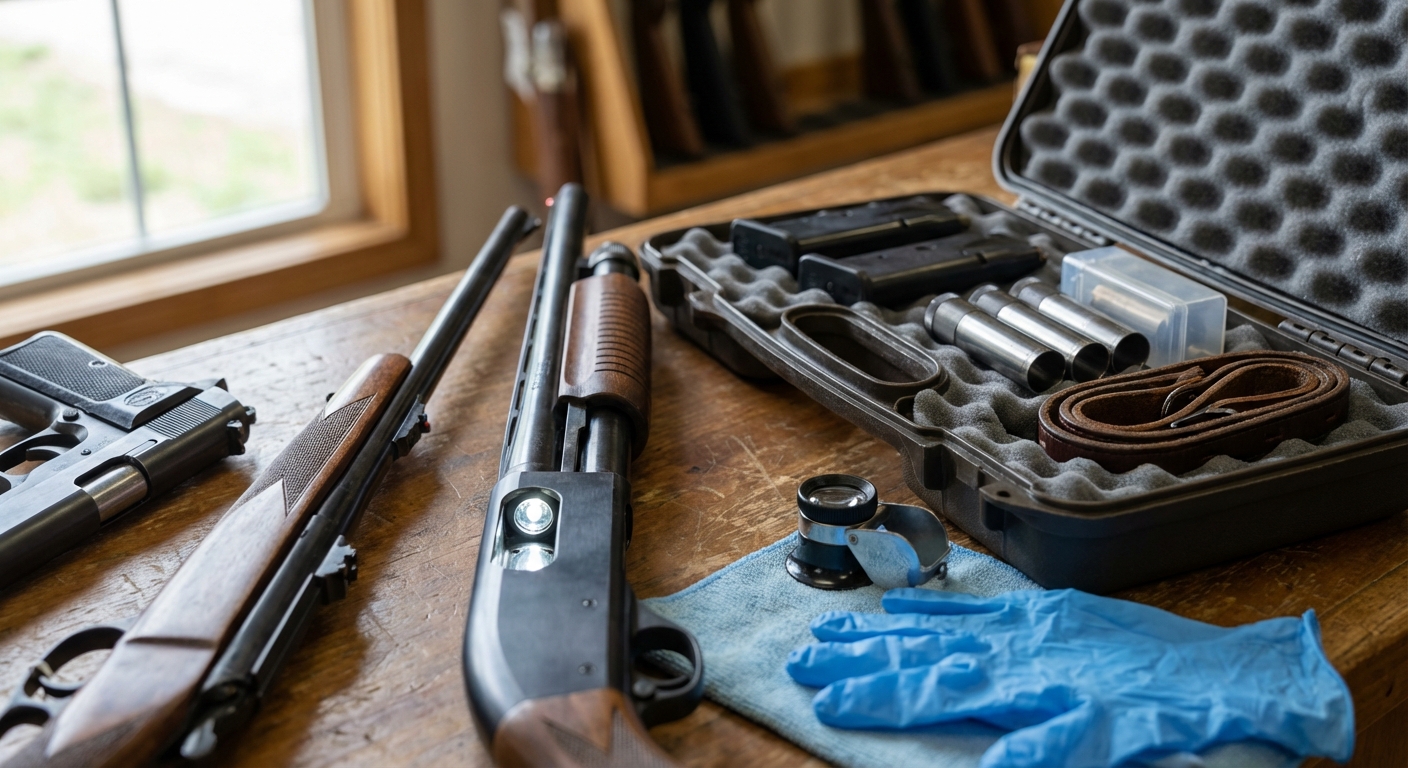
- Prove condition with photos. Shoot sharp, well-lit pics of both sides, the bore (if practical), any wear points, and the serial and key markings. Photograph what’s included, boxes, manuals, extra mags, chokes, optics, and accessories.
- Confirm the exact model and variant. Small differences in generation, barrel length, finish, or import marks can move comps, so don’t price off the “close enough” version.
- Call out value-impacting details. Make/model, finish and bore condition, matching numbers, and aftermarket parts change what buyers will pay, so list them plainly and honestly.
- Price from completed-sales comps. Use real sold prices, not wishful listings, and match your condition grade to what actually sold.
- Pick a channel that matches your goal. Speed, net, and effort trade against each other.
- Get an expert appraisal when stakes are high. Collections, rare or vintage pieces, and anything where originality and matching numbers matter deserve professional eyes.
- Local dealer buyout: Speed: Fast; Typical fees: Low (built into offer); Effort: Low; Price potential: Low to Med; Risk/uncertainty: Low
- Consignment: Speed: Slow to Med; Typical fees: Med to High; Effort: Low to Med; Price potential: Med to High; Risk/uncertainty: Med
- Online auction: Speed: Med; Typical fees: Varies; Effort: High; Price potential: Med to High; Risk/uncertainty: Med to High
- Direct-buy service: Speed: Fast; Typical fees: Varies (often built into offer); Effort: Low; Price potential: Low to Med; Risk/uncertainty: Low
If you’re optimizing for simplicity and clean compliance, a direct-buy service run by an FFL can reduce buyer friction; see how to sell a gun: your options for a breakdown of channels and tradeoffs.
- Double-check private sale and transfer rules for TX, FL, CA, GA, PA, OH, AZ, NY, and NC using official state resources, and confirm the transfer method with an FFL when needed.
- Ask about waiting periods and permit-to-purchase requirements, because they can slow timelines and shrink your buyer pool.
- Verify any roster, magazine limits, or local restrictions that can block otherwise interested buyers.
Texas is a good example of lower friction: Texas law does not require a private (unlicensed) intrastate sale to go through an FFL, Texas has no state-level waiting period and no permit-to-purchase requirement, and Texas does not impose a statewide magazine-capacity limit or a handgun roster for general consumer sales. Federal rules still apply, especially for interstate transfers, so confirm your path before you commit to a deal (see this guide to legal and safe firearms sales for high-level compliance basics).
Which Category Usually Wins on Offers
There isn’t one universal winner, handguns tend to win on speed and offer volume, rifles on top-end potential, and shotguns on steady utility pricing. Those are category tendencies, not guarantees, because the specific model or variant, condition and originality, accessories, and market timing often decide the final spread even inside the same category. If your goal is the tradeoff from the start-fastest sale, highest net, or least hassle-these tendencies tell you where to start, and your comps and details tell you how to finish.
- Handguns: Speed to offers: High; Buyer pool: High; Transfer/shipping friction: Medium; Condition sensitivity: Medium; Accessory impact: Medium; Seasonality sensitivity: Low
- Rifles: Speed to offers: Medium; Buyer pool: Medium; Transfer/shipping friction: Medium; Condition sensitivity: High; Accessory impact: High; Seasonality sensitivity: Medium
- Shotguns: Speed to offers: Medium; Buyer pool: Medium; Transfer/shipping friction: Medium; Condition sensitivity: Medium; Accessory impact: Low; Seasonality sensitivity: Medium
Need cash fast: Lead with your most liquid handgun, then accept the cleanest net offer, not the loudest headline.
Selling a single common model: Get a couple of market-based offers and choose the one with the least transfer and shipping friction.
Selling a collection: Bundle for one appraisal and one shipment, you save time and reduce paperwork drag across multiple items (see how to sell a gun collection to maximize value and convenience).
Selling a vintage or heirloom piece: Prioritize condition and originality details, they swing results more than category does.
Your simplest next step is a professional valuation and a compliant transfer through an FFL where required. If you want a nationwide, mail-in option that leans into that compliance and simplicity, Cash My Guns is an FFL-operated service branded “Safe • Legal • Hassle-Free,” stating it provides offers in under 24 hours and pays within 1 to 3 business days after inspection.